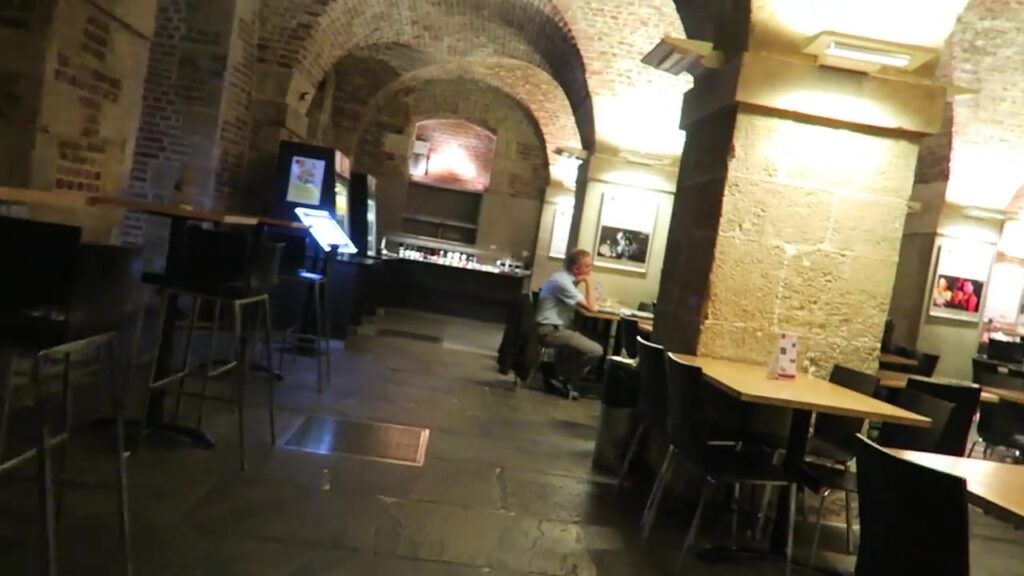
Beneath one of the most recognisable churches in central London is a place that feels entirely removed from the crowds above. Café in the Crypt occupies the vaulted space below St Martin-in-the-Fields, facing Trafalgar Square and only a short walk from Charing Cross and Covent Garden.
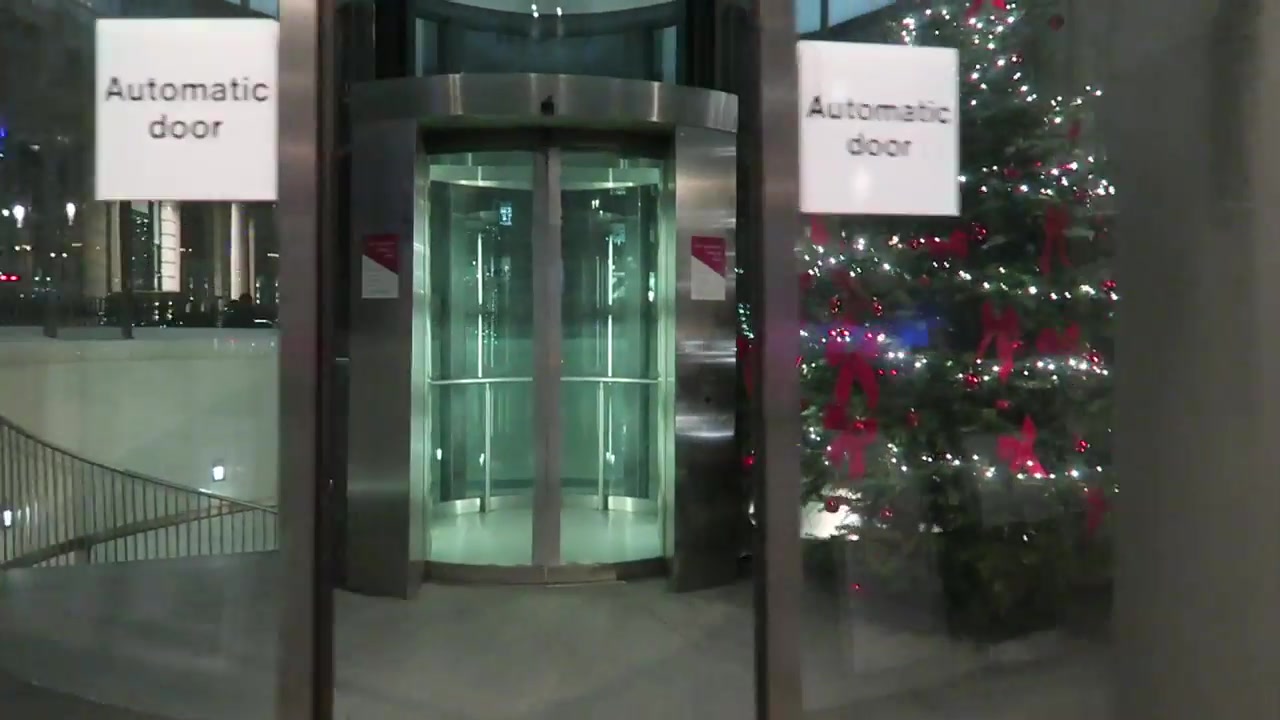
This Roberts London archive film, recorded in December 2016, descends from street level into the eighteenth-century crypt to explore its architecture, memorial stones and unusually atmospheric café.
A hidden space beside Trafalgar Square
St Martin-in-the-Fields stands at the north-east corner of Trafalgar Square. The present Grade I listed church was designed by James Gibbs and built between 1722 and 1726. Its classical portico and tall steeple became an influential model for churches in Britain and abroad, but the film concentrates on the less visible space beneath it.
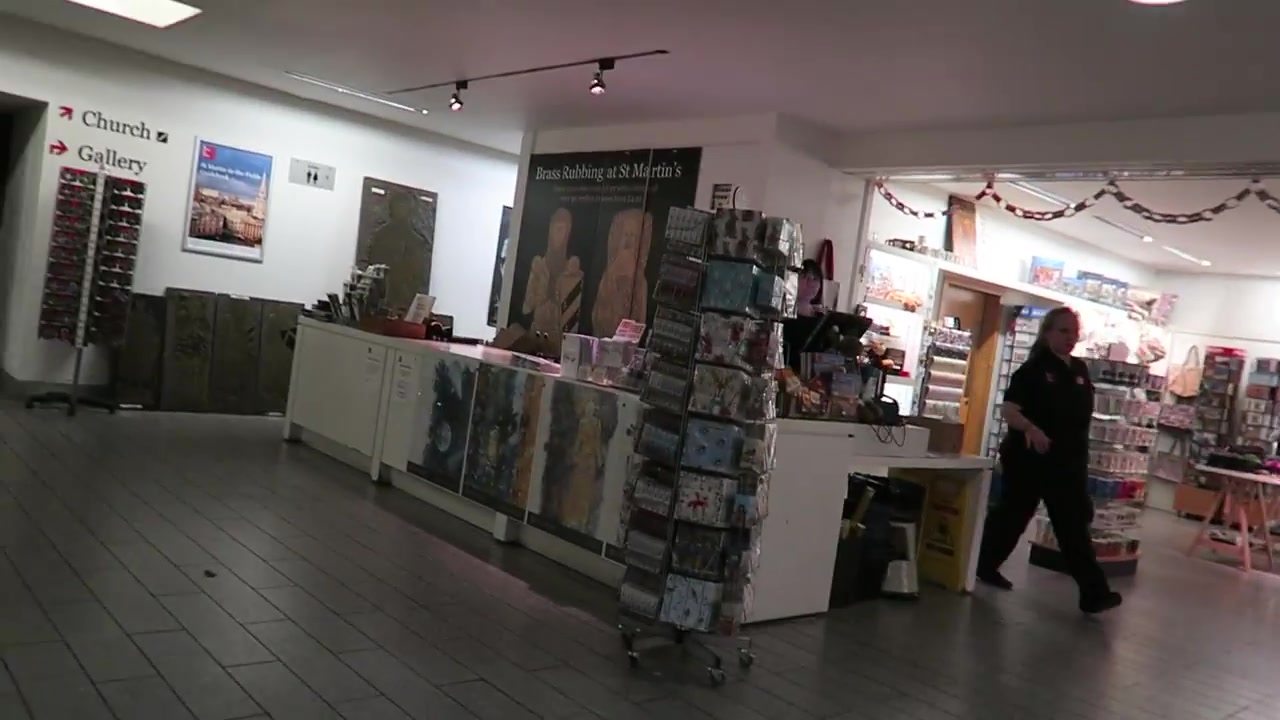
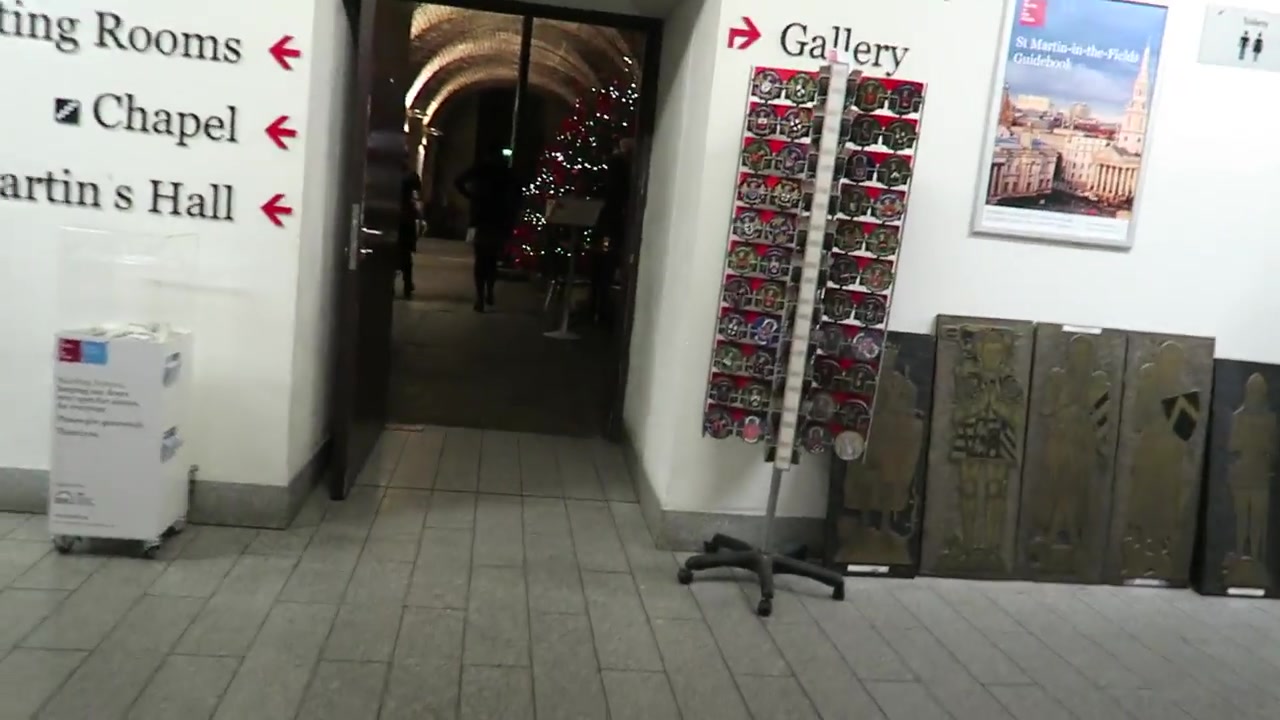
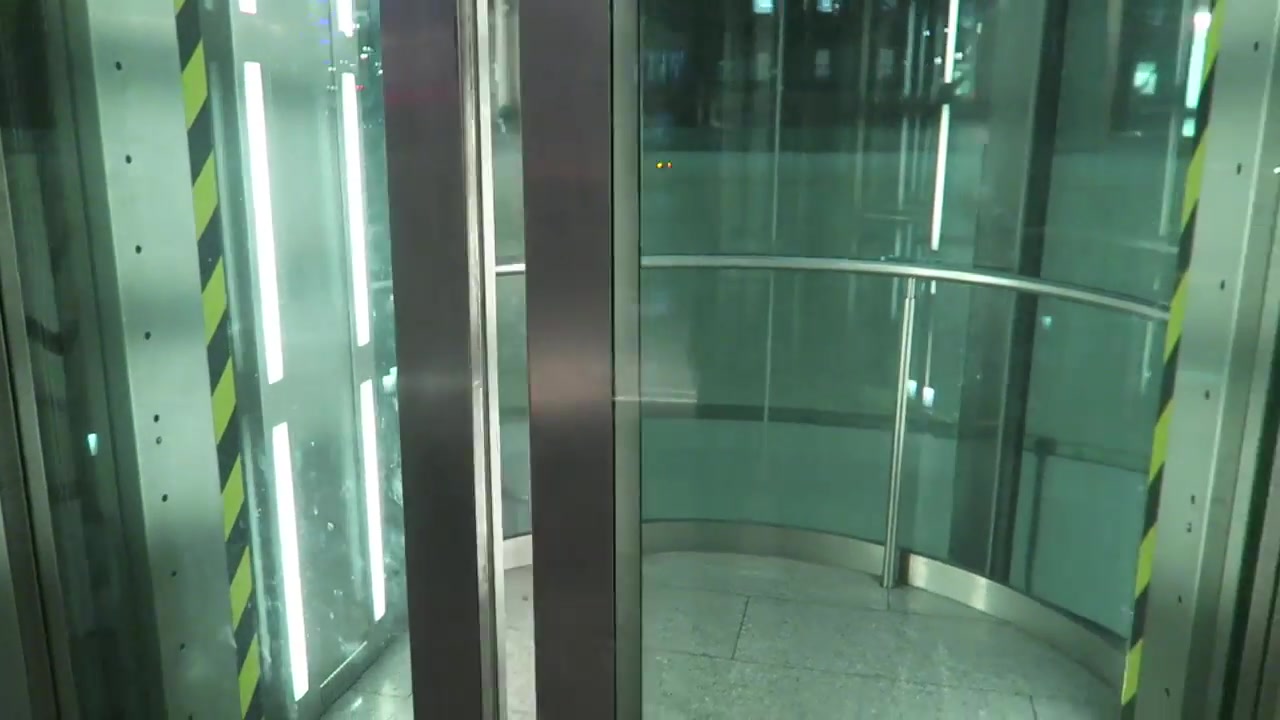
The descent begins with the glass lift beside the church. Barry compares its cinematic appearance to a film set: a modern intervention whose single destination is simply marked “Crypt”. Stairs provide the alternative route, while the lift makes the below-ground level accessible without disguising that sense of entering somewhere unexpected.
Inside the eighteenth-century crypt
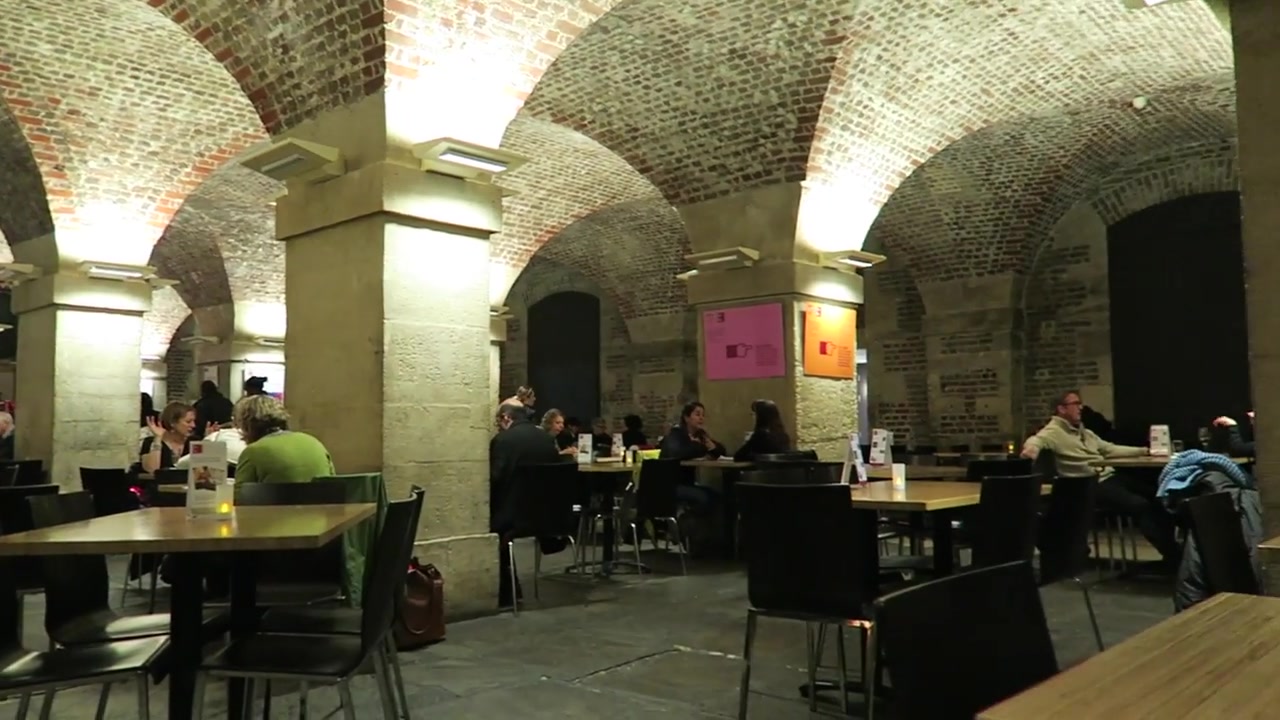
At the lower level, brick vaults run above a room of warm pools of light. The architecture carries the weight of the church while creating a sequence of curved bays across the café. Historic memorial stones form part of the floor, preserving names and inscriptions beneath the tables and circulation routes.
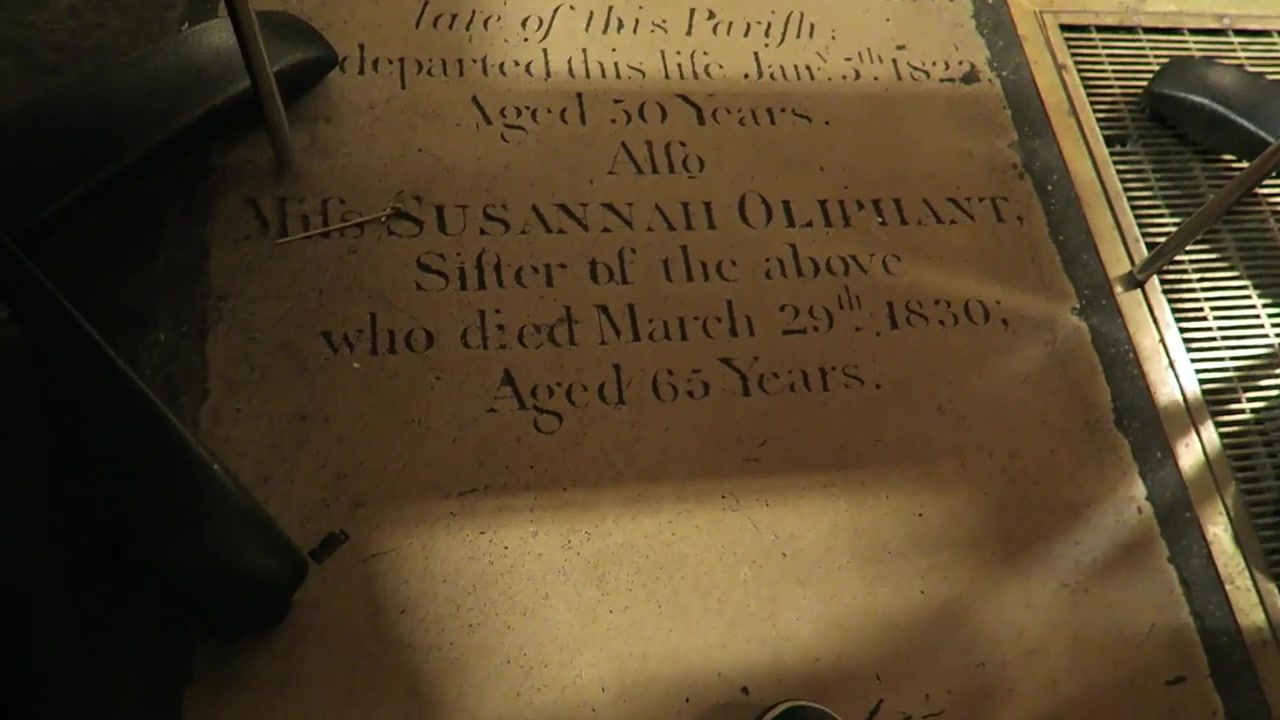
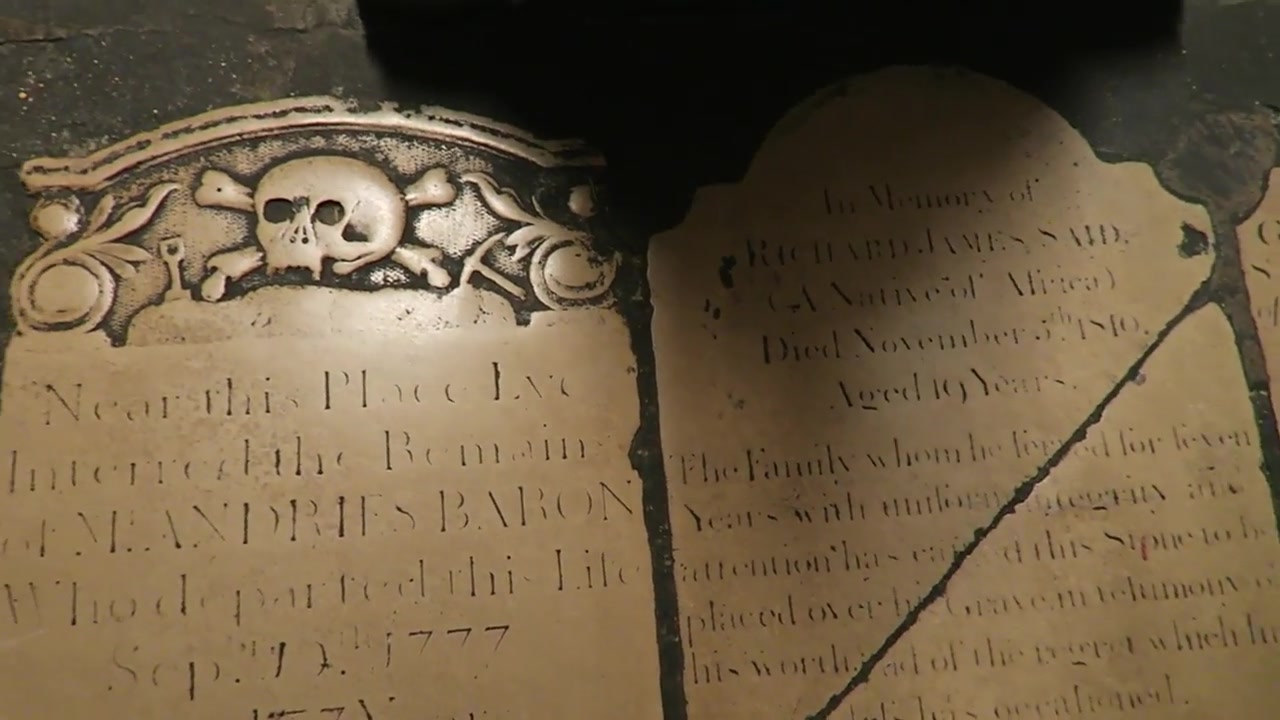
A crypt lined with old stones might sound forbidding, yet the film records something quite different. The lighting, occupied tables and everyday activity turn the historic fabric into a living London interior. The contrast is the point: an ancient burial space adapted for coffee, food, conversation and performance without losing its character.
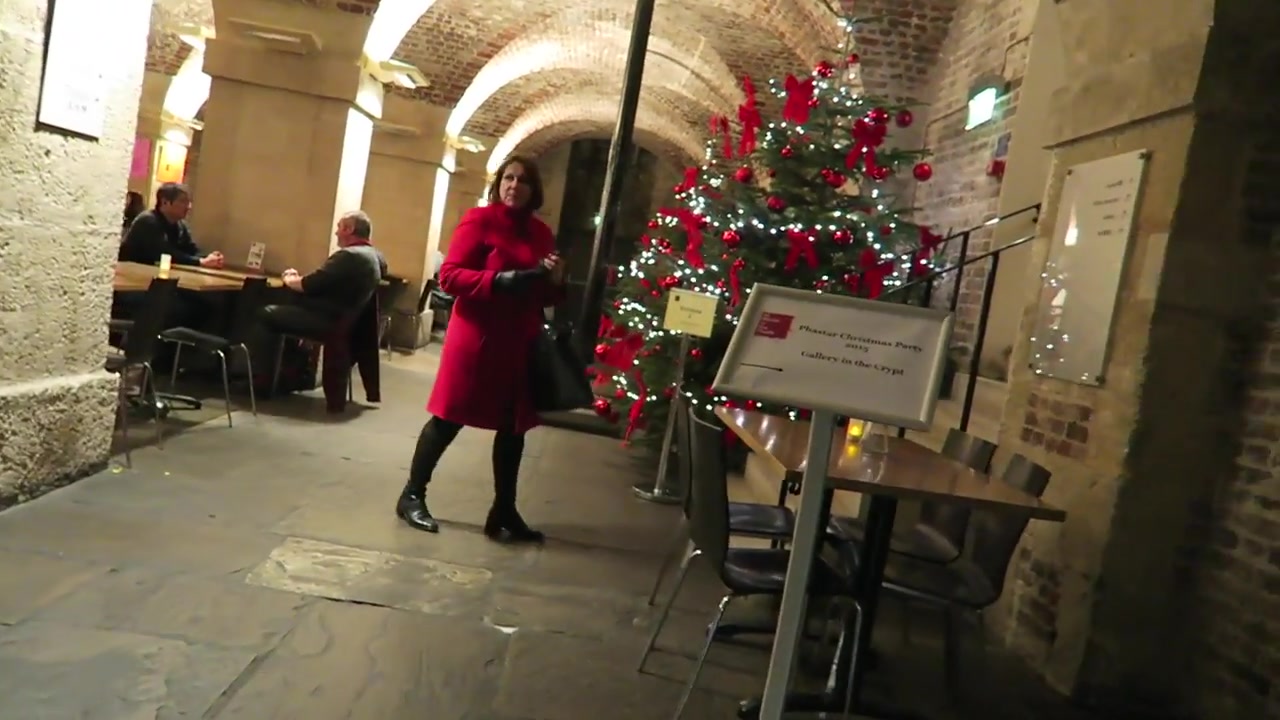
Coffee and food beneath the church
In 2016 the café operated as a relaxed self-service dining room serving breakfast, lunch and dinner. Barry found the food straightforward, well prepared and notably good value for such a central location. That assessment belongs to the visit shown in the film, but the qualities that made the place memorable were never limited to a particular menu.
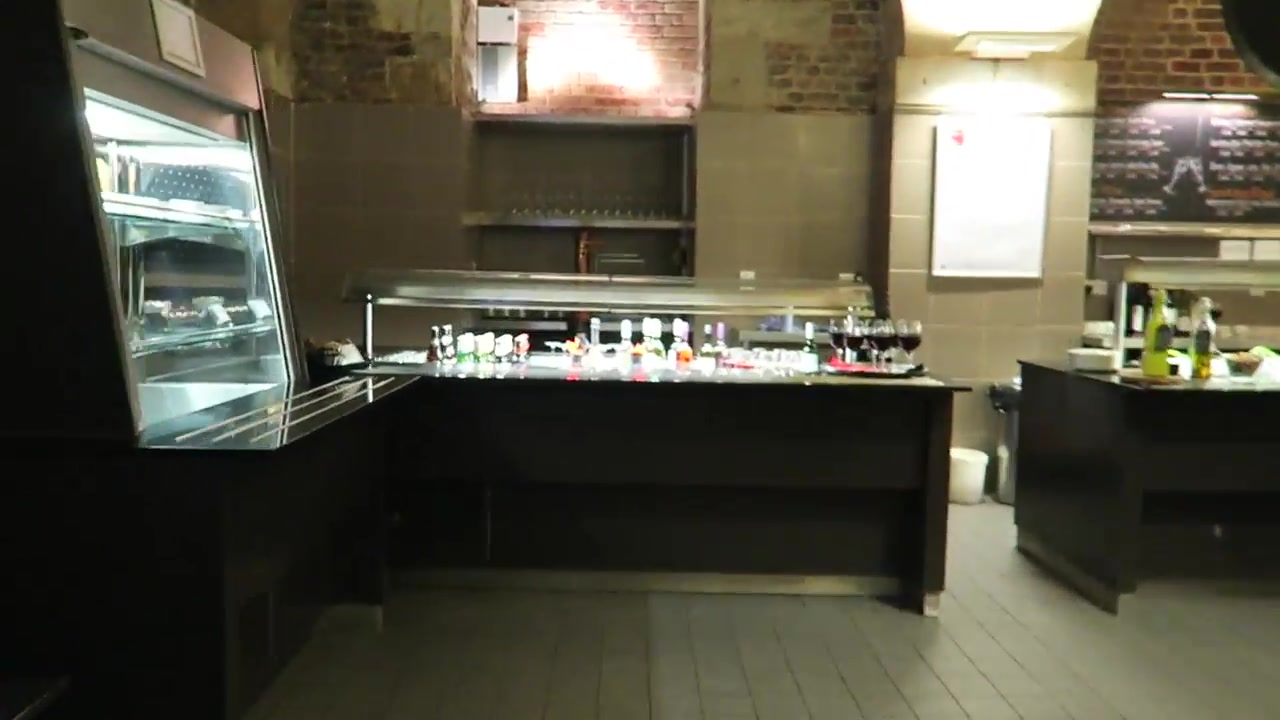
The real attraction is the combination of location and atmosphere. Trafalgar Square above is one of London’s busiest public spaces; below it, the vaults offer a place to pause within the fabric of the city rather than retreating into a conventional modern café.
Music, welcome and the work of St Martin’s
The Crypt has long been more than a daytime café. The film mentions its jazz nights, and St Martin-in-the-Fields continues to use the vaulted room for live music and other cultural events. Tables and catering can give way to a performance space while the brick arches remain the defining backdrop.
The venue also belongs to the wider life of St Martin’s, where worship, music, hospitality and social action meet. During the visit, Barry highlights the church’s work with people experiencing homelessness and the opportunity to support that work. It adds another layer to the experience: this is a commercial London café, but it sits within an institution whose public purpose extends far beyond food and drink.
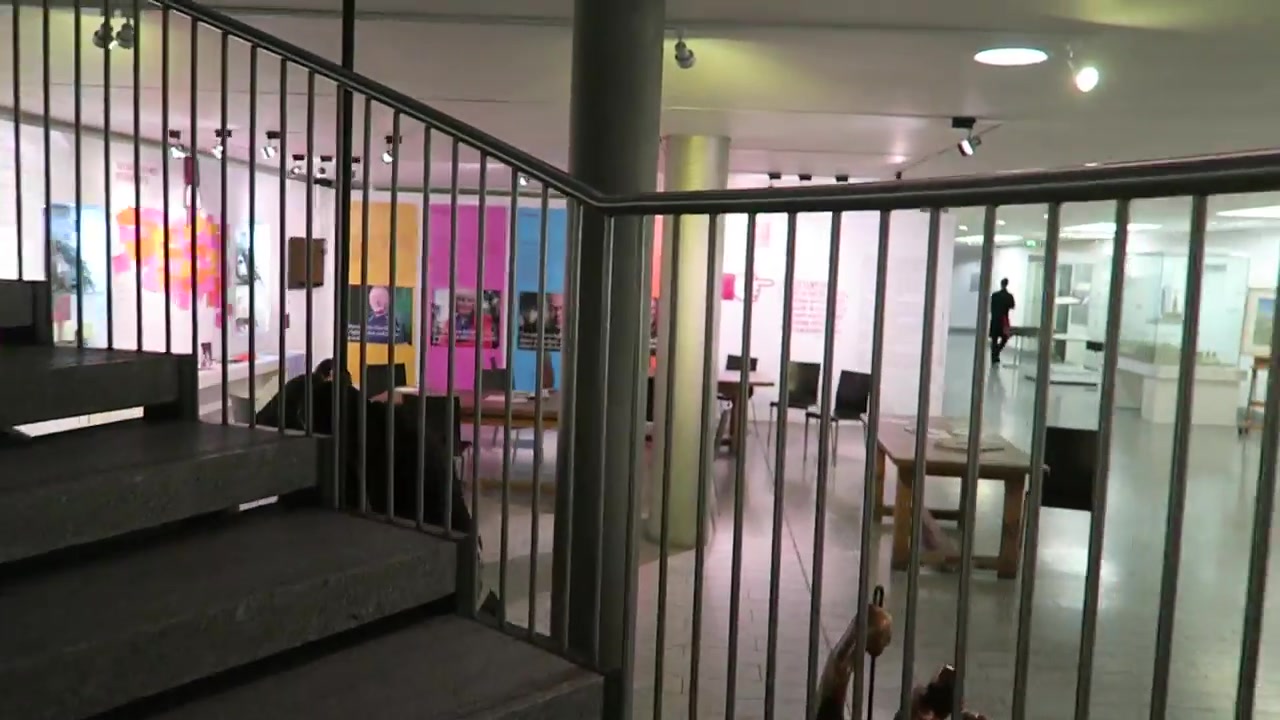
Watch the Café in the Crypt film
The complete Roberts London film captures the glass lift, vaulted brickwork, café layout and memorial-stone floor during a December visit. It is a compact portrait of one of central London’s most distinctive interiors: historic but useful, atmospheric but welcoming, and hidden in plain sight beside Trafalgar Square.
Filmed in London and first published by Roberts London on 12 December 2016.

Recent Comments