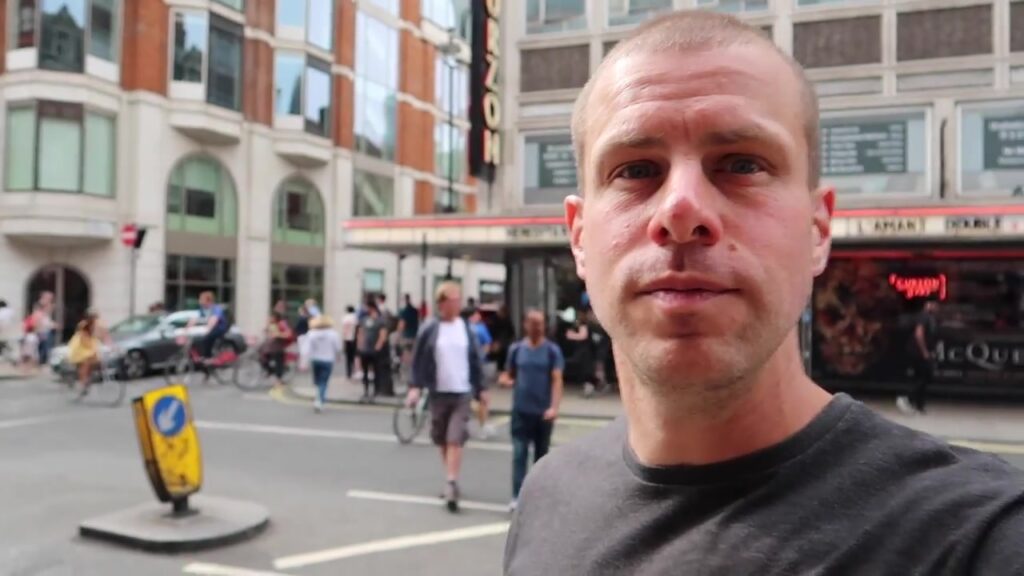
On a warm Sunday in June 2018, Roberts London crossed the West End for a cinema visit that became a small record of Soho at a particular moment. The destination was Curzon Soho, where McQueen, Ian Bonhôte and Peter Ettedgui’s documentary about Alexander McQueen, had recently opened.
The film begins in Leicester Square, moves past the Hippodrome and Chinatown, reaches the cinema on Shaftesbury Avenue and then detours into Soho for coffee at Bar Italia. It is not a formal film review or a complete guide to the neighbourhood. Instead, it preserves the texture of an ordinary London afternoon built around a remarkable documentary.

From Leicester Square to Soho
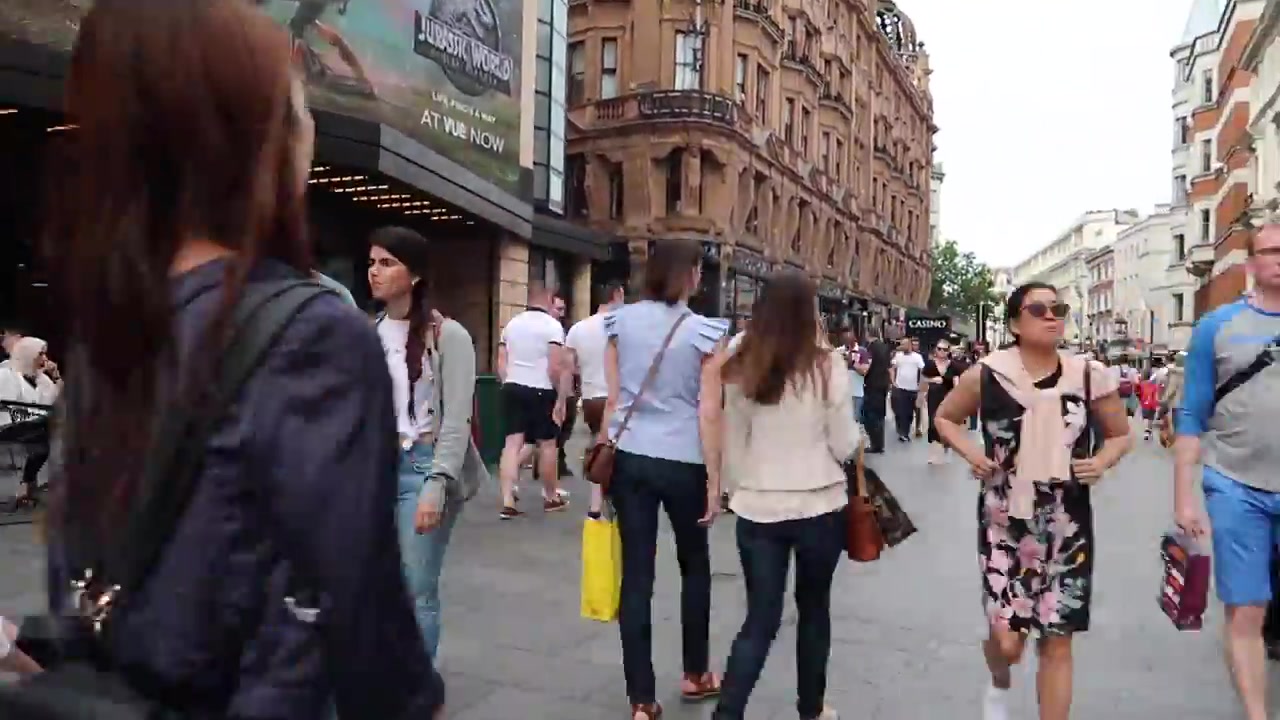
Leicester Square is an appropriate starting point for a cinema diary. Its ticket booths, cinemas and crowds make the business of entertainment visible at street level. In the film, the square is busy but unhurried: visitors gather beneath the trees while the route turns north towards Soho.
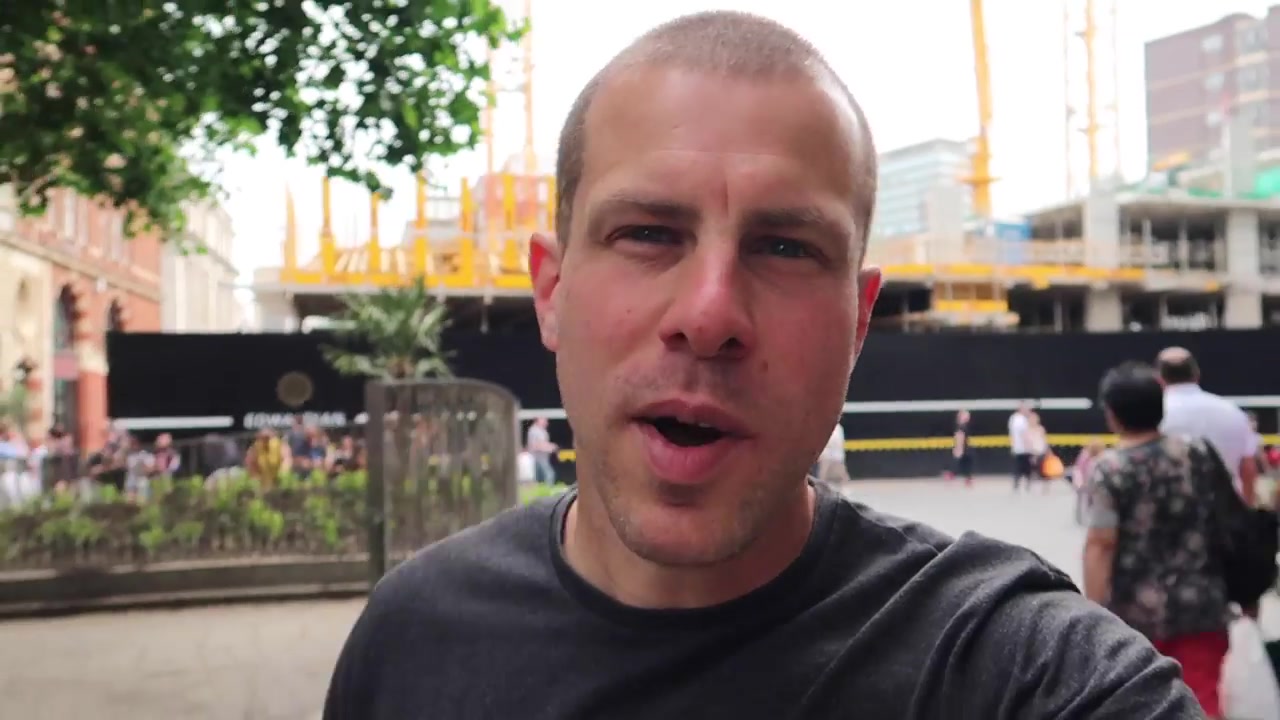
The walk passes the Hippodrome and the edge of Chinatown. This short section places Curzon Soho within the wider West End rather than treating the cinema as an isolated destination. Restaurants, theatres, cafés and film all sit within a few minutes of one another.
Watching McQueen at Curzon Soho
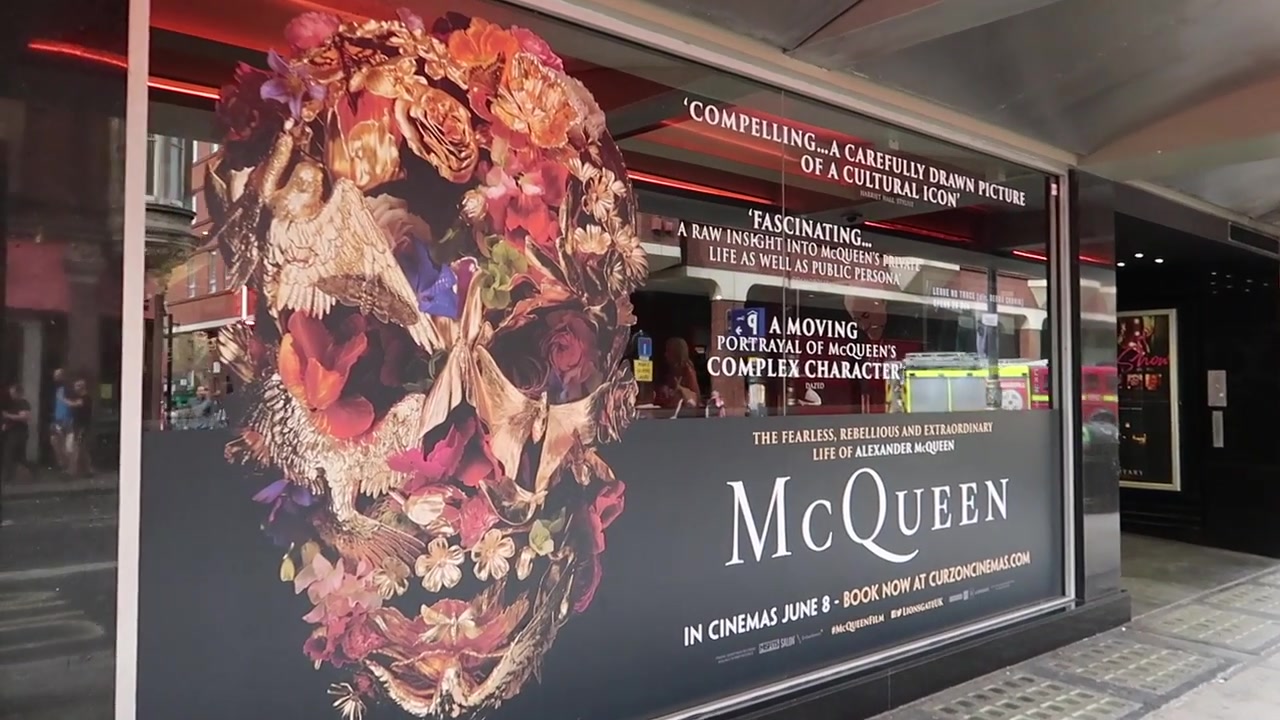
Curzon Soho stands at 99 Shaftesbury Avenue, where its frontage opens directly onto one of London’s busiest entertainment streets. The cinema has long specialised in independent, international and documentary film, making it a natural setting for McQueen.
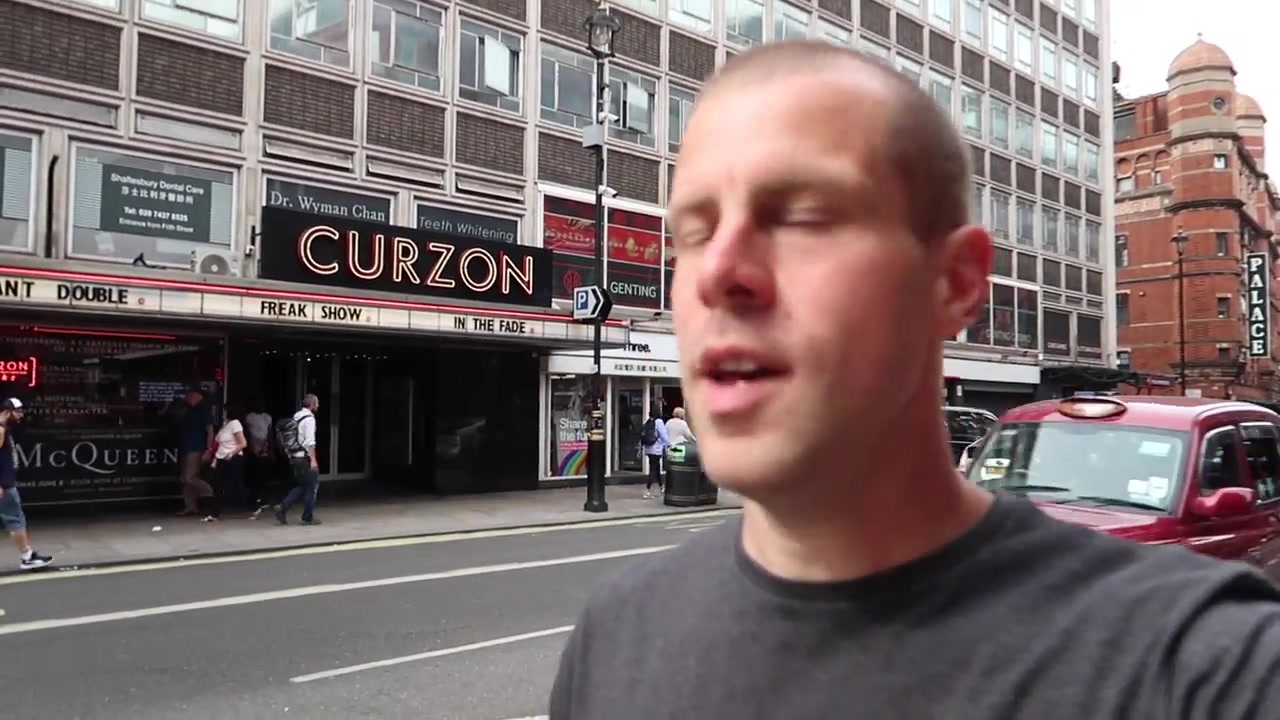
Released in UK cinemas in June 2018, the documentary was directed by Ian Bonhôte and co-directed and written by Peter Ettedgui. It draws on archive footage, home movies and interviews with people who knew and worked with Alexander McQueen. The result follows his progress from an East London background and traditional tailoring skills to the theatrical collections that transformed contemporary fashion.
What stayed with the film was its balance between craft and spectacle. McQueen’s shows could be confrontational, but the documentary continually returns to the cutting, construction and close technical knowledge beneath them. It also treats the difficult parts of his life seriously, without allowing tragedy to erase the force of the work.
A Soho interval at Bar Italia
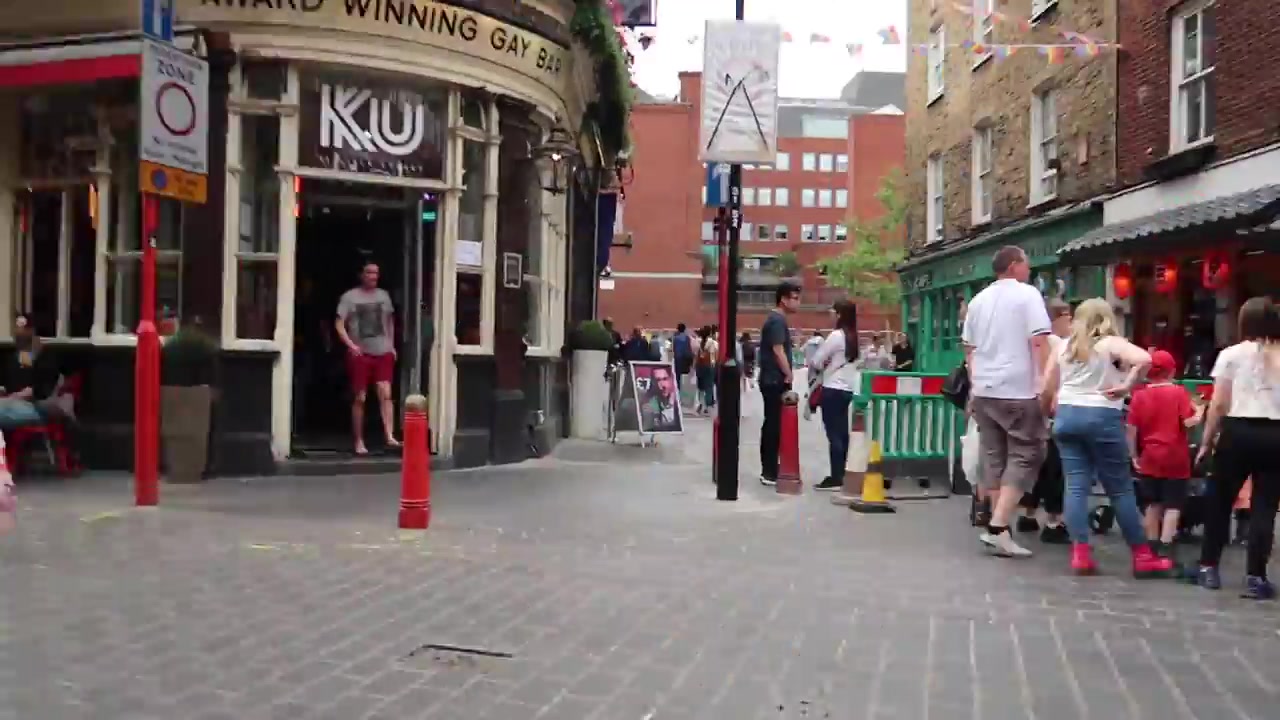
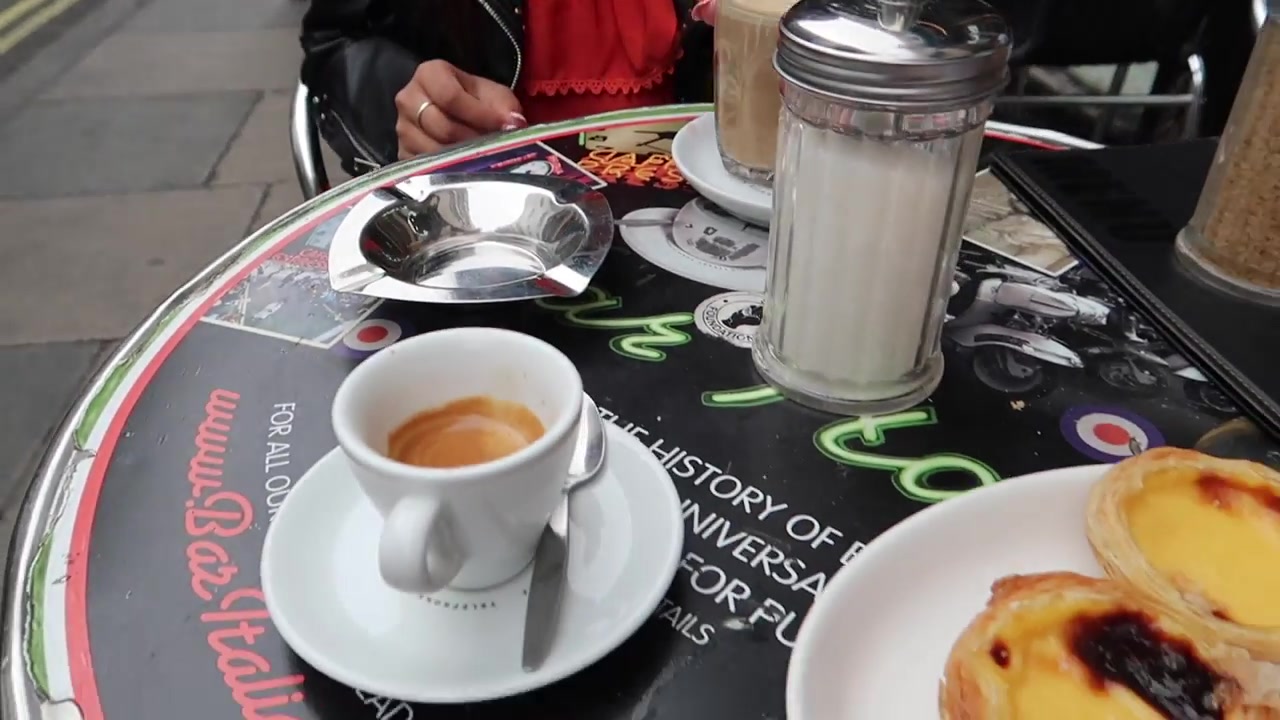
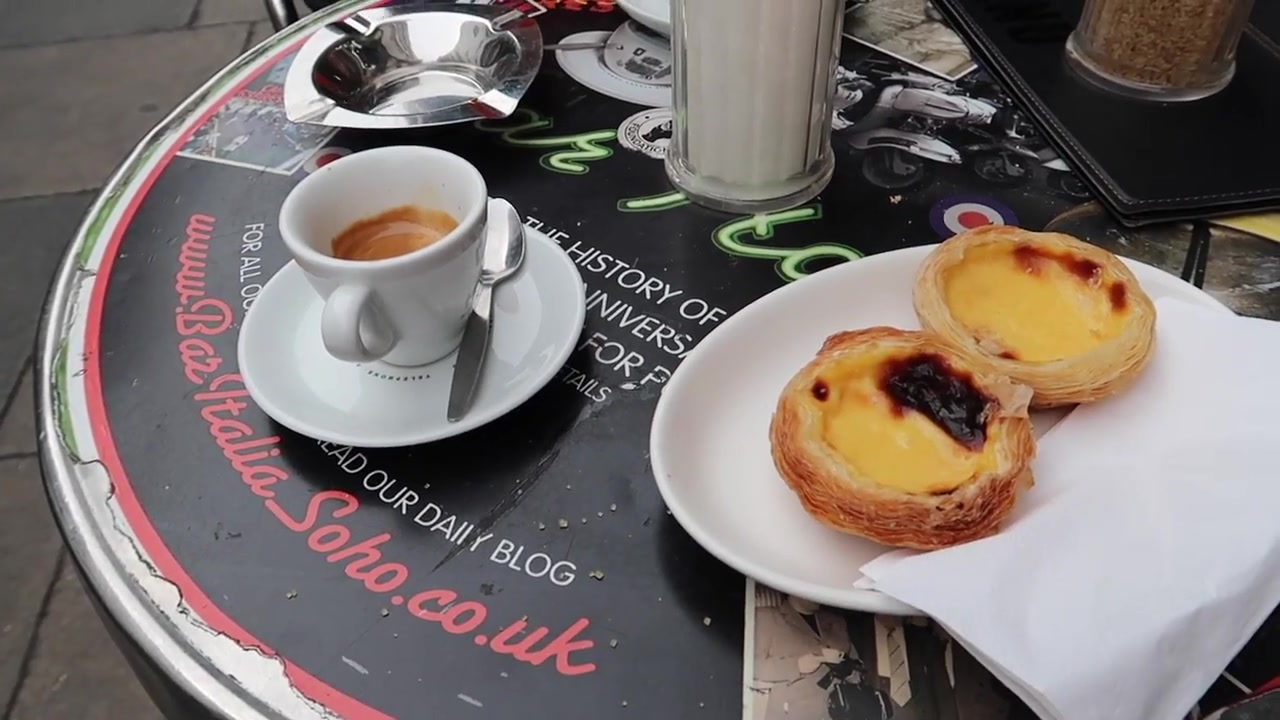
Before returning to the cinema, the route continues through Soho to Frith Street. The shift from the darkened auditorium to crowded pavements is part of the pleasure recorded here. Soho remains compact enough for a cinema visit, coffee and an evening walk to feel like parts of the same outing.
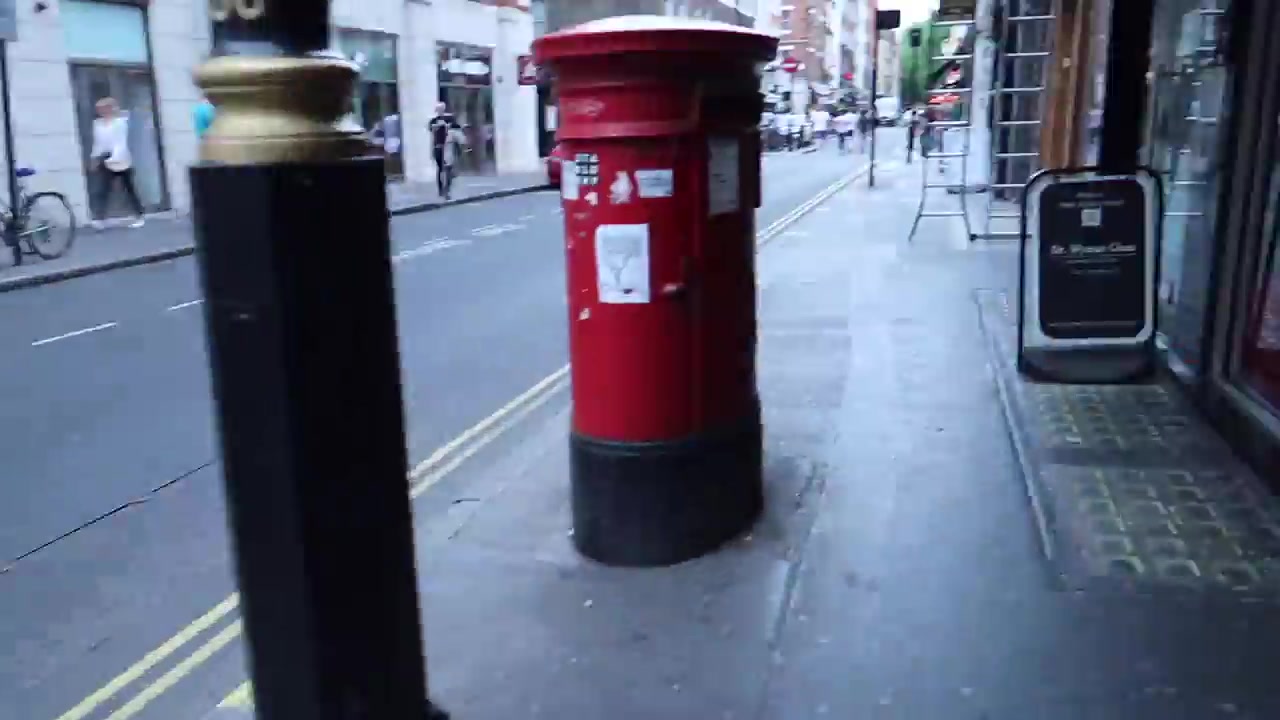
Bar Italia opened on Frith Street in 1949 and became one of Soho’s best-known Italian cafés. Its narrow frontage, outdoor tables and late hours have made it a meeting place for generations of residents, workers, performers and night-time visitors.
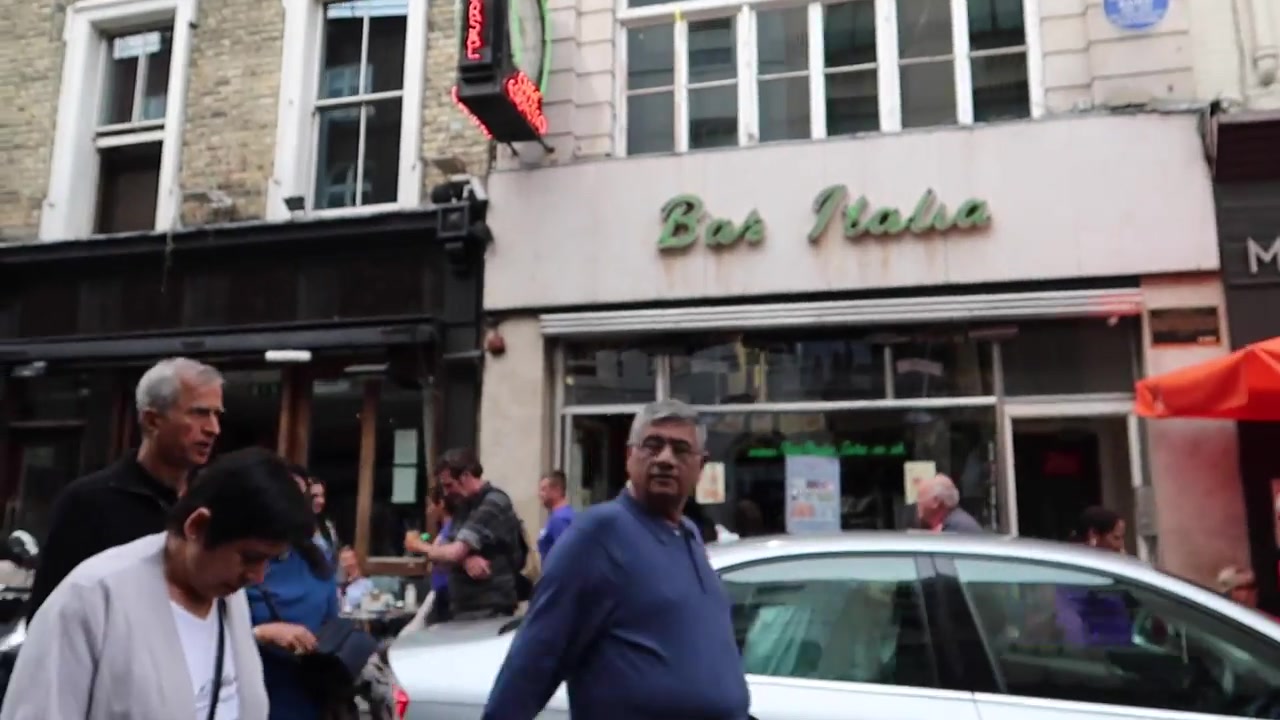
The address has another connection with screen history. A blue plaque records that John Logie Baird demonstrated television in the building in 1926. That makes the café an especially fitting stop in a film centred on cinema and visual culture.
Returning to the documentary
The final images return to Curzon Soho and its vivid McQueen display. Seen now, they record more than a film advertisement. They place a major documentary about a London designer within a still-active West End cinema, surrounded by the streets, cafés and creative history that helped make Soho distinctive.
This Roberts London archive film was published on 24 June 2018. Its scale is modest, but that is its value: a walk from Leicester Square to Curzon Soho, a pause at Bar Italia and one afternoon in London organised around the life and work of Alexander McQueen.

Recent Comments