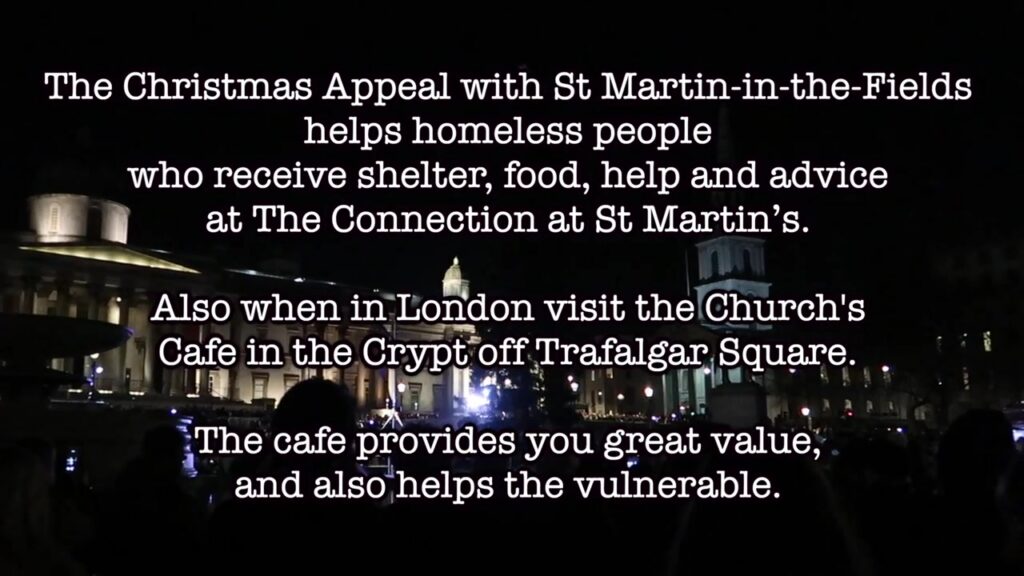
Last Christmas in London: A Time for Giving and Forgiving was published by Roberts London on 6 November 2018. It is not a conventional walk, guide or record of a single evening. Instead, the film gathers fragments from earlier London Christmas videos and turns them into a reflection on memory, celebration and the people who remain outside the warmth of the season.
The familiar pleasures are all here: London under snow, the Trafalgar Square Christmas tree, illuminated West End streets, festive windows, ice rinks and fairground lights. But the montage gradually changes direction. What begins as a collection of Christmas memories becomes an appeal to look beyond the decorations and consider what giving might mean in a city where some people do not have a safe home.
Ghosts of Christmas past
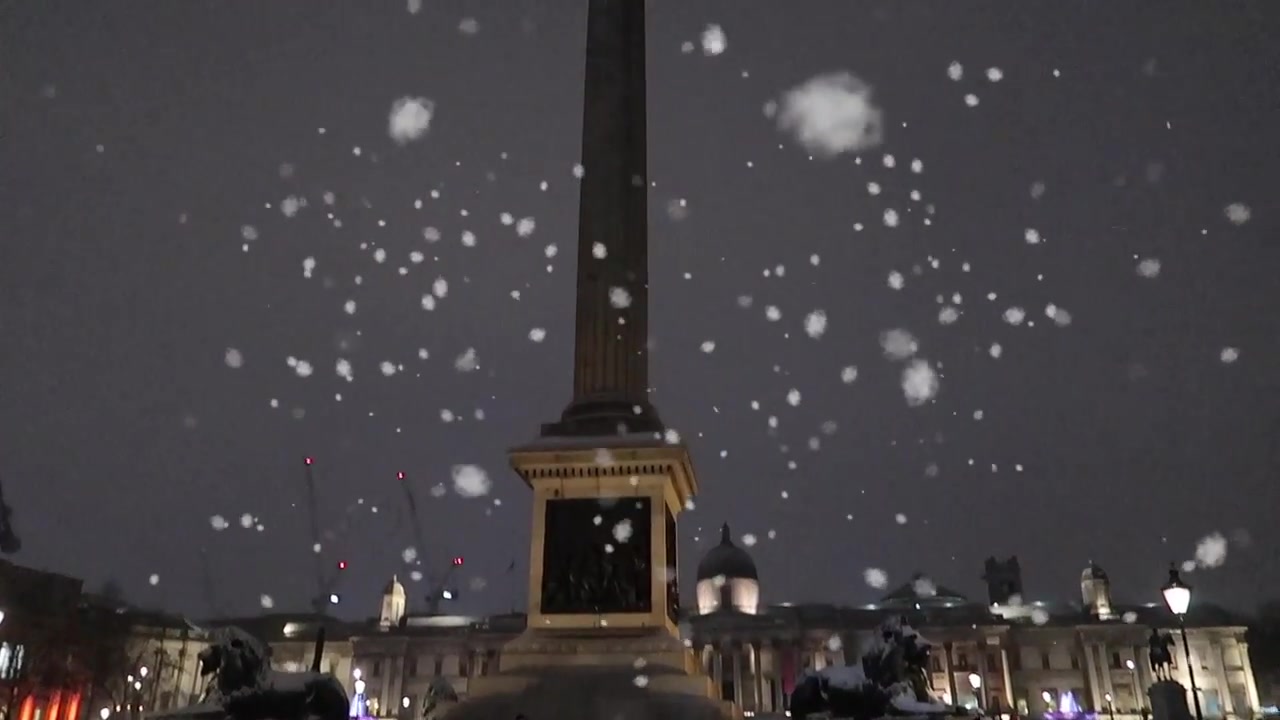
The structure borrows its language from Charles Dickens’s A Christmas Carol. London is revisited through its own ghosts of Christmas past: images recorded in different years, brought together as recollections rather than arranged as a geographical journey. Snow softens Trafalgar Square and the streets around St James’s, making central London appear briefly removed from its ordinary pace.
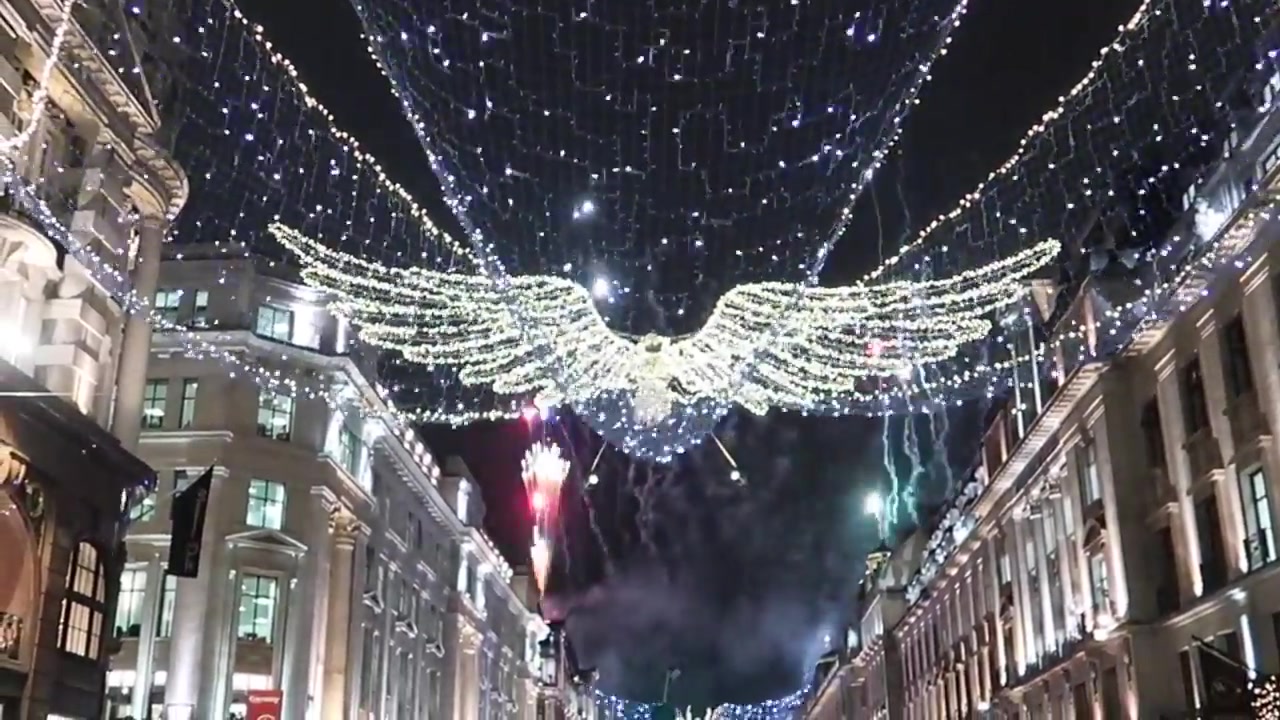
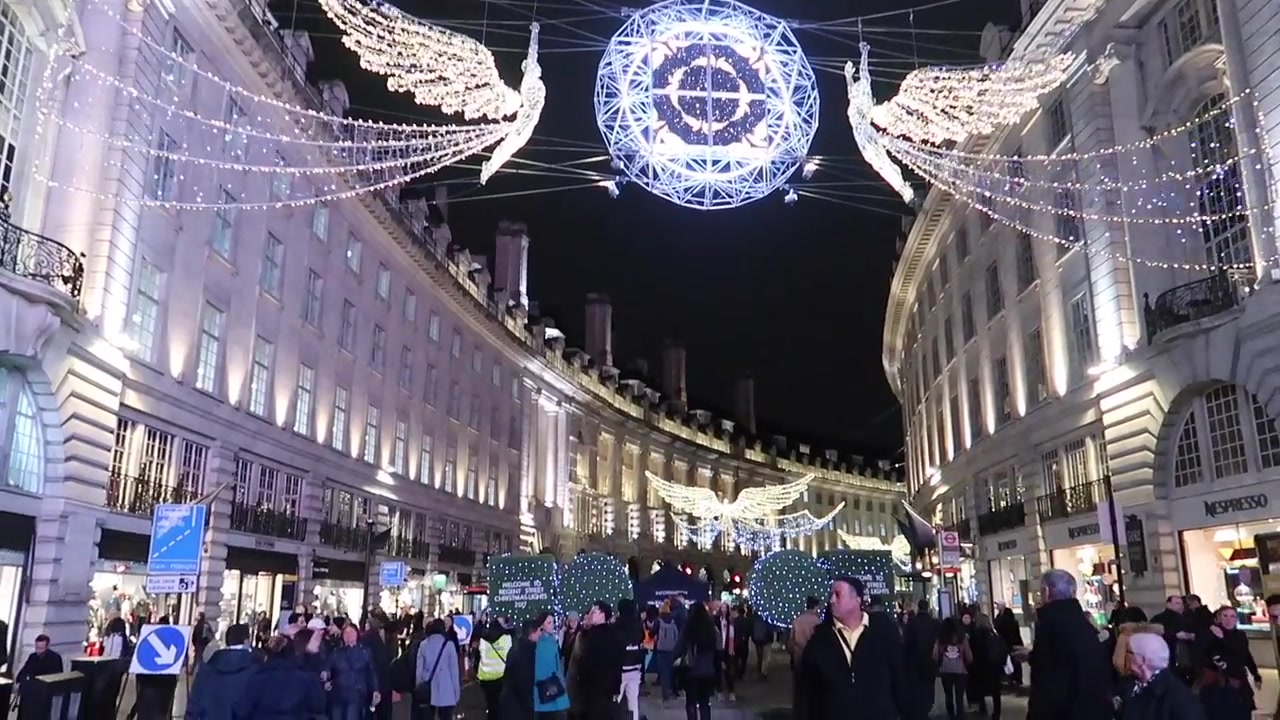
Elsewhere, the city is theatrical. Regent Street’s angels stretch across the road, lights multiply against wet pavements and the camera moves through crowds looking upwards. These sequences preserve earlier versions of London’s annual Christmas display, when the same streets could be made to feel new by a change of illumination.
The landmarks of a London Christmas
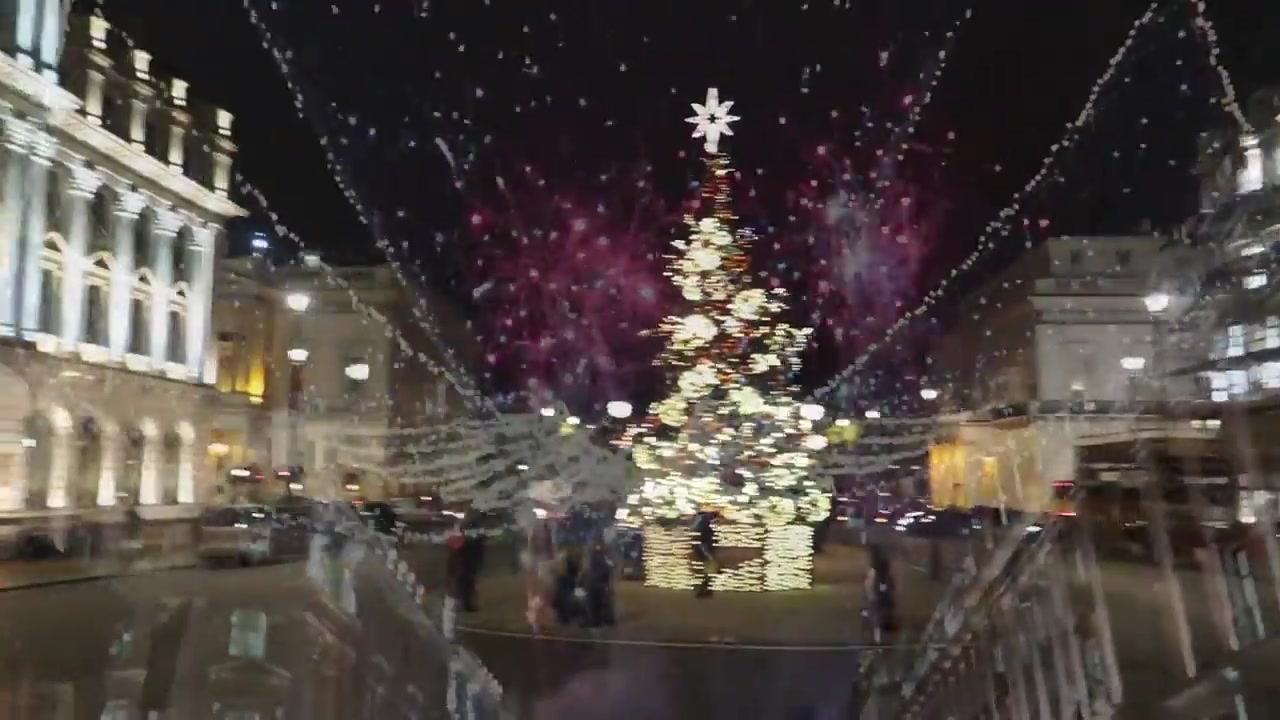
The Trafalgar Square tree is one of the film’s recurring symbols. Standing close to St Martin-in-the-Fields, it connects the public spectacle of Christmas with the charitable appeal that eventually becomes the film’s subject. For visitors it is a meeting place and photograph; within the montage it also marks the point where celebration and responsibility occupy the same part of London.
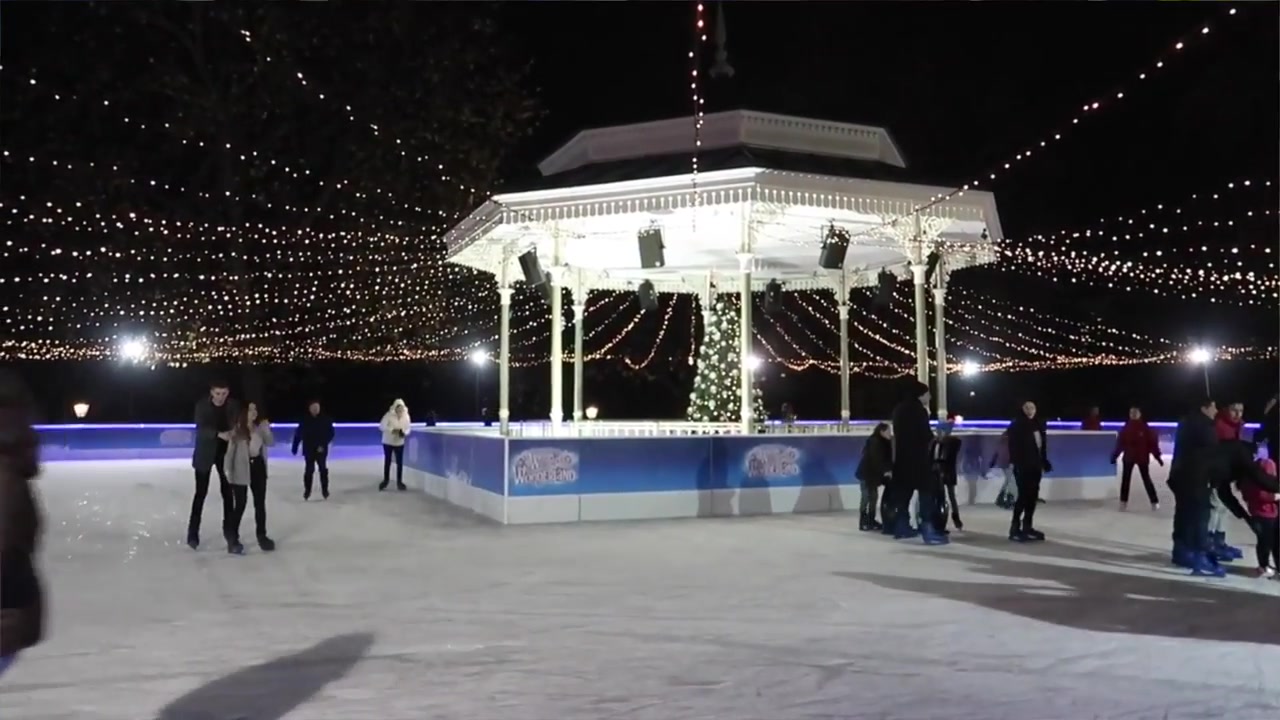
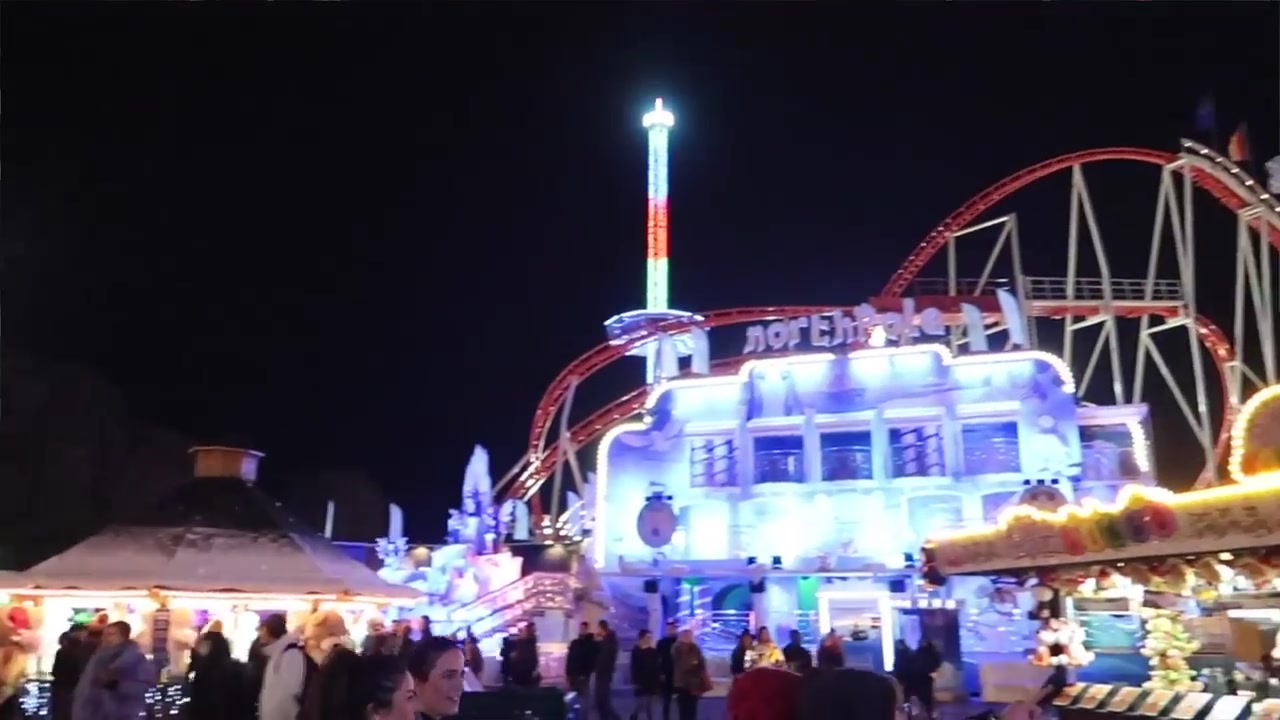
The film then revisits the temporary attractions that remake London each winter. Skaters circle the courtyard at Somerset House. Hyde Park becomes Winter Wonderland, filled with illuminated rides, food stalls and the bright architecture of a fairground after dark.
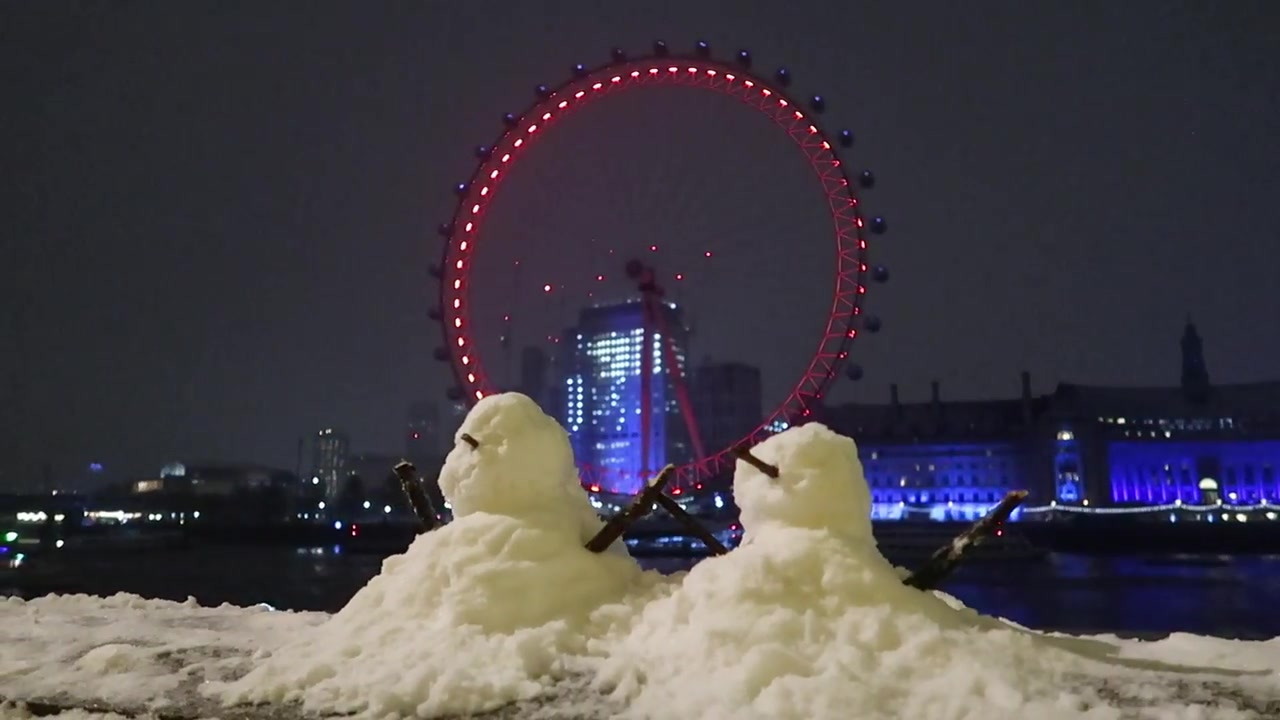
Even the London Eye is turned into a Christmas object, viewed through the curve of a decorative snow globe beside the Thames. The image captures the playful side of the film: London itself becoming part of the seasonal display.
Christmas as public theatre
Regent Street, Oxford Street, Selfridges and Harrods appear through a sequence of decorations and windows. Christmas in central London is partly a performance staged by the shops and watched from the pavement. Light, glass and movement turn the West End into a series of temporary sets.
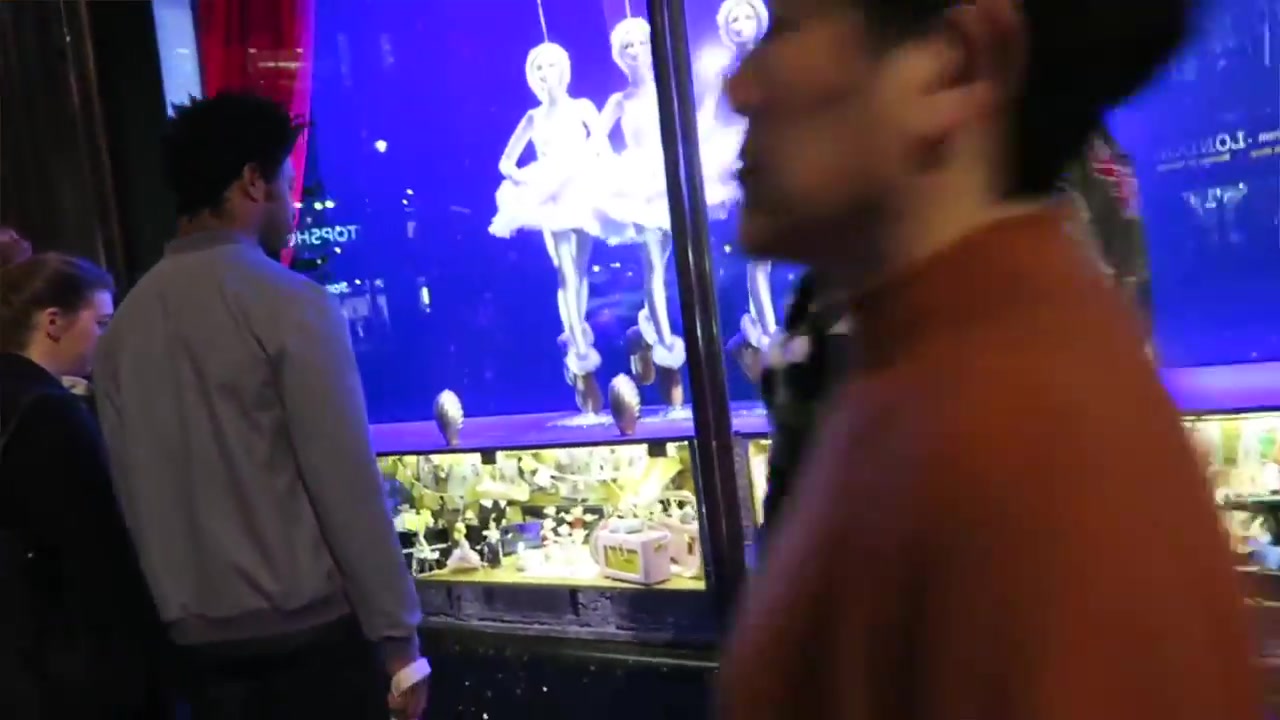
The pleasures are real, but the montage does not allow them to remain uncomplicated. Dickens used Christmas to expose the distance between comfort and deprivation in the same city. The film adopts that contrast for contemporary London.
The people left outside
The most important turn comes when the camera leaves the lights and notices a person sleeping beneath blankets on a London pavement. The scene is not treated as spectacle. It is included because homelessness exists alongside the restaurants, shops and attractions that define the city’s festive image.
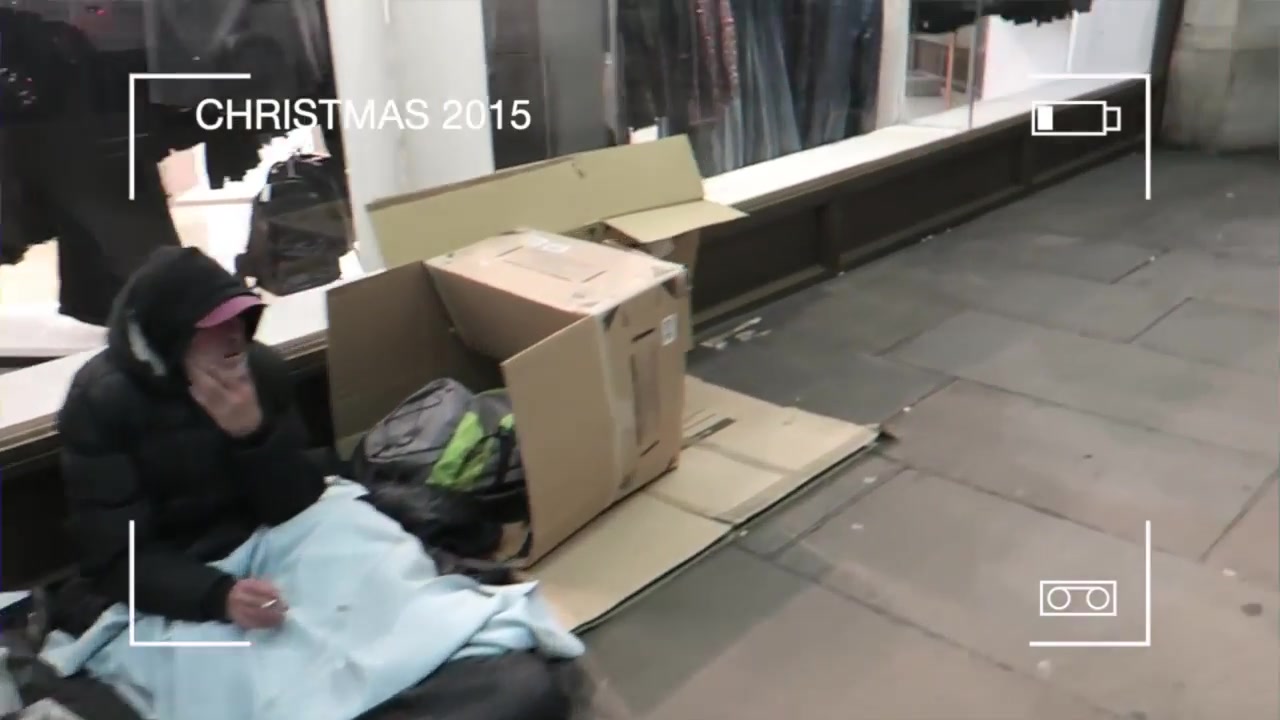
A Christmas Carol offered transformation through Scrooge’s decision to act differently. Roberts London uses that idea without pretending that sentiment alone is enough. The closing message directs attention towards established work supporting people who are homeless or at risk of losing their home.
St Martin-in-the-Fields Christmas Appeal
St Martin-in-the-Fields has a long association with support for homeless and vulnerably housed people. Its Christmas Appeal was first broadcast by the BBC in 1927 and developed into an enduring national appeal. Donations have supported practical work including emergency help and services connected with The Connection at St Martin’s.
The film asks viewers to consider the appeal and also points to the Café in the Crypt beneath the church at Trafalgar Square. Visiting the café is presented as one small way to participate in the wider life and work of St Martin-in-the-Fields while finding an unusual, historic place to eat in central London.
A Christmas film about attention
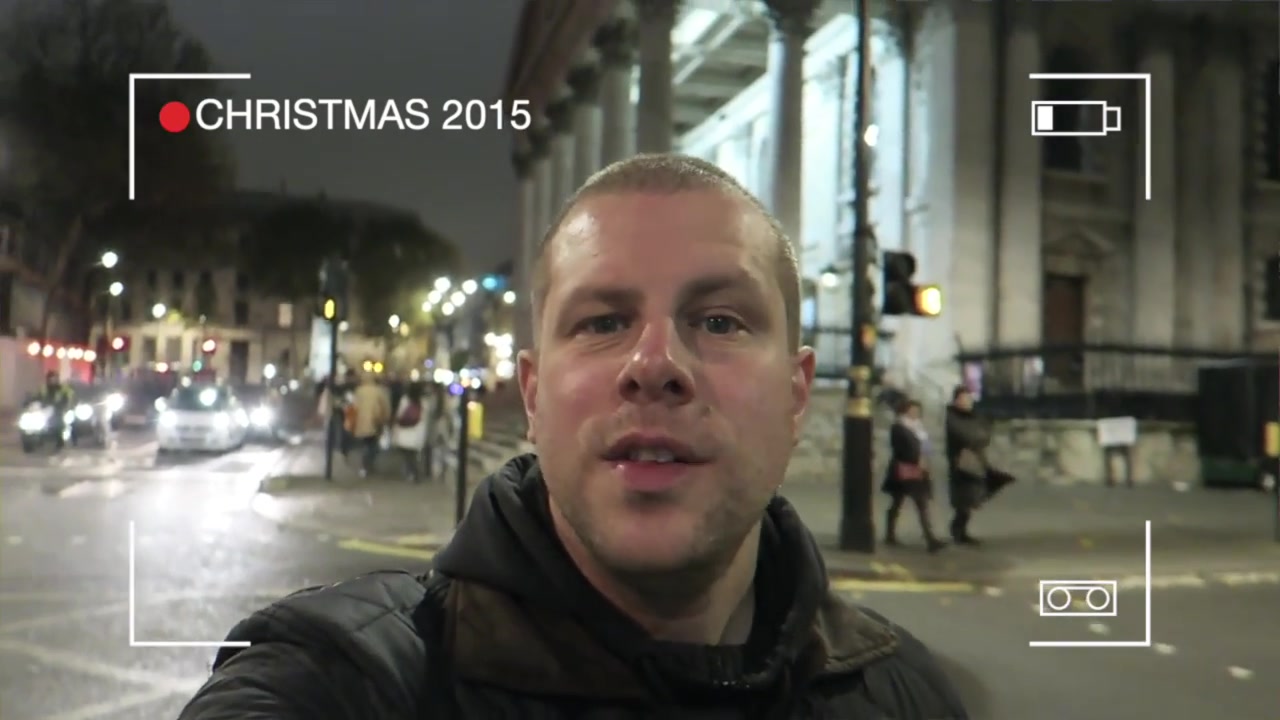
Seen now, the film preserves more than London’s earlier decorations. It records an attempt to connect the city’s public Christmas with the lives unfolding beneath it. Snow, shop windows and illuminated streets remain part of the pleasure, but the lasting subject is attention: what we choose to notice and what we do after noticing it.
That makes Last Christmas in London an unusual entry in the Roberts London archive. It begins with nostalgia, moves through Dickens and ends with a practical appeal. The message is deliberately simple. Christmas is not only something London displays; it is also a test of how the city sees and treats people who are most vulnerable.

Recent Comments