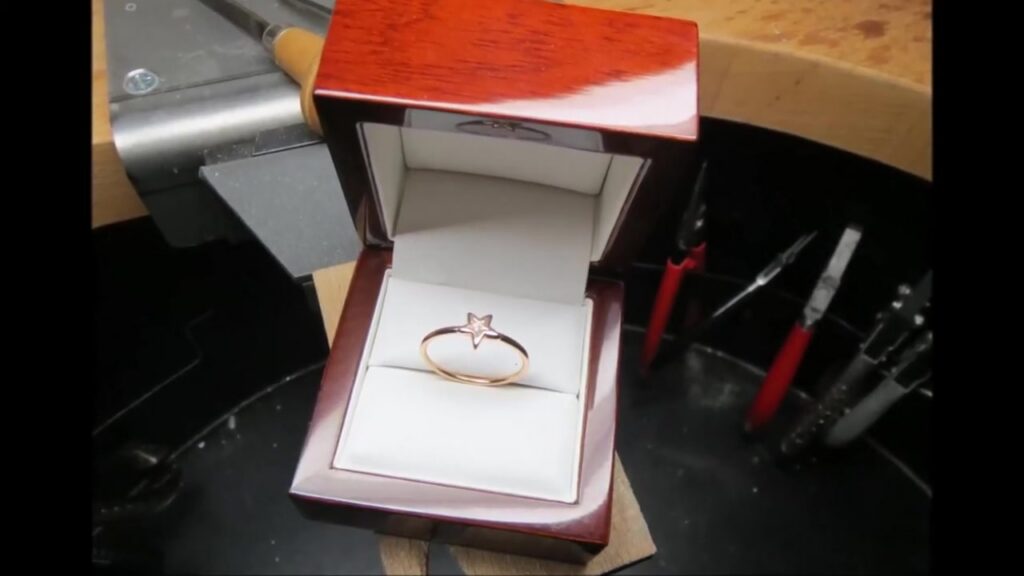
This rose gold star ring began as a one-off Christmas present, made by hand in London. In the Roberts London film published on 26 December 2013, Barry follows the piece from a little sheet and wire to a finished 18ct ring set with a diamond.
The design is deliberately uneven. Rather than a strictly geometric star, the brief called for a softer, asymmetrical shape. The film records how that idea develops at the bench, through cutting, forming, soldering and setting.
Materials for a rose gold star ring
Barry introduces three starting materials: 18ct rose gold wire measuring 1.5mm in diameter, an 8mm square of 18ct rose gold sheet measuring 2mm thick, and a diamond measuring 2mm in diameter. The sheet will become the star, while the wire forms the band.
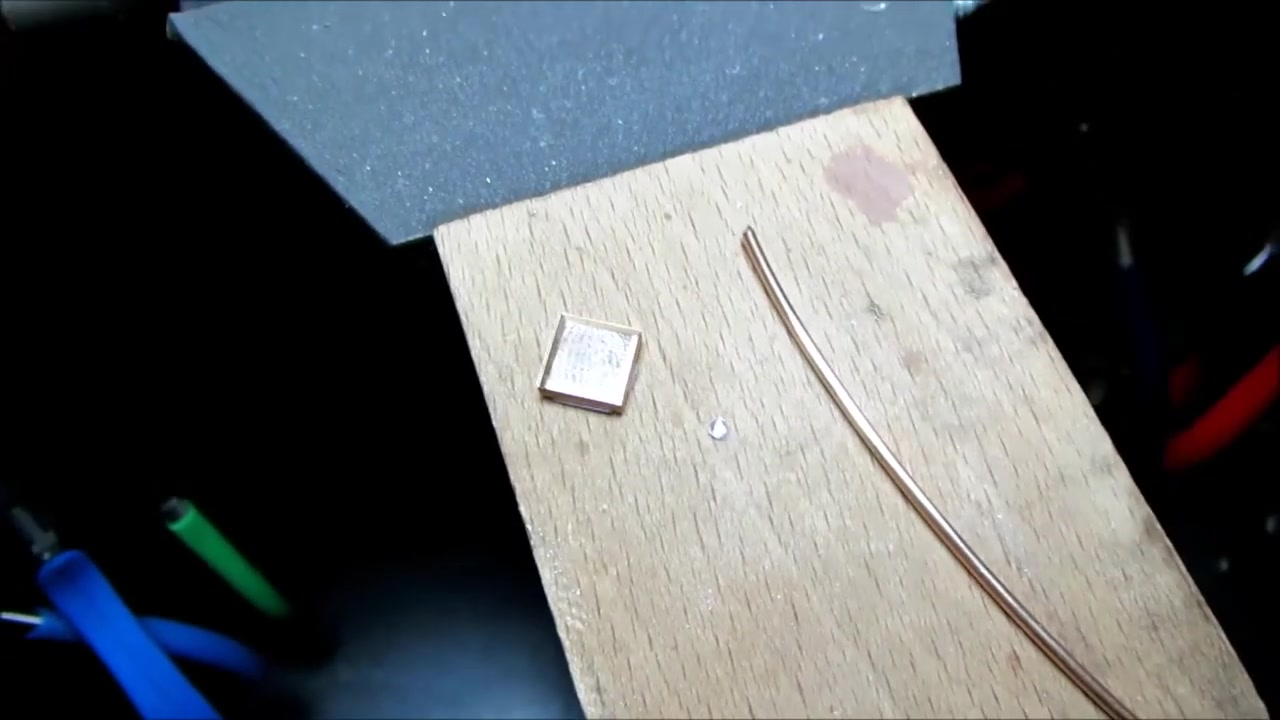
A small paper template gives the star its initial outline. In the narration, Barry explains that he developed the shape from a conversation about which features of other star rings appealed to the recipient. The result aims for the feeling of a twinkling star, with points that do not follow a rigid pattern.
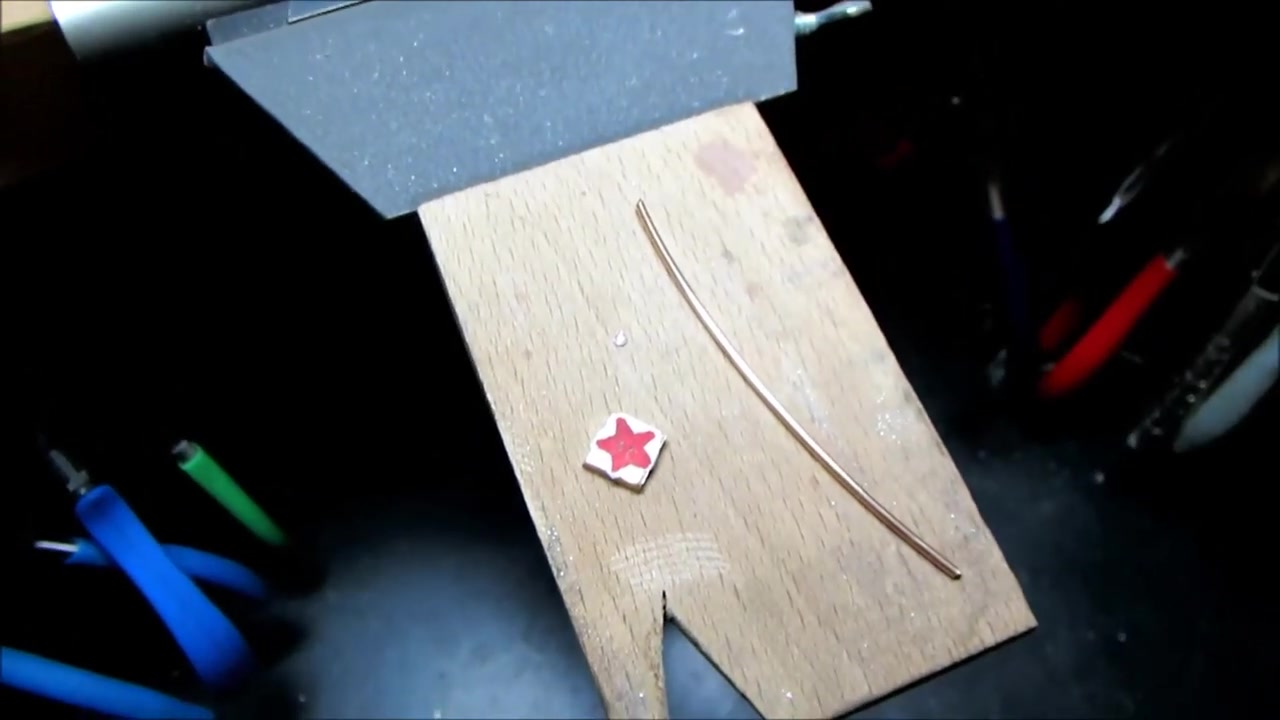
Cutting and refining the asymmetrical star
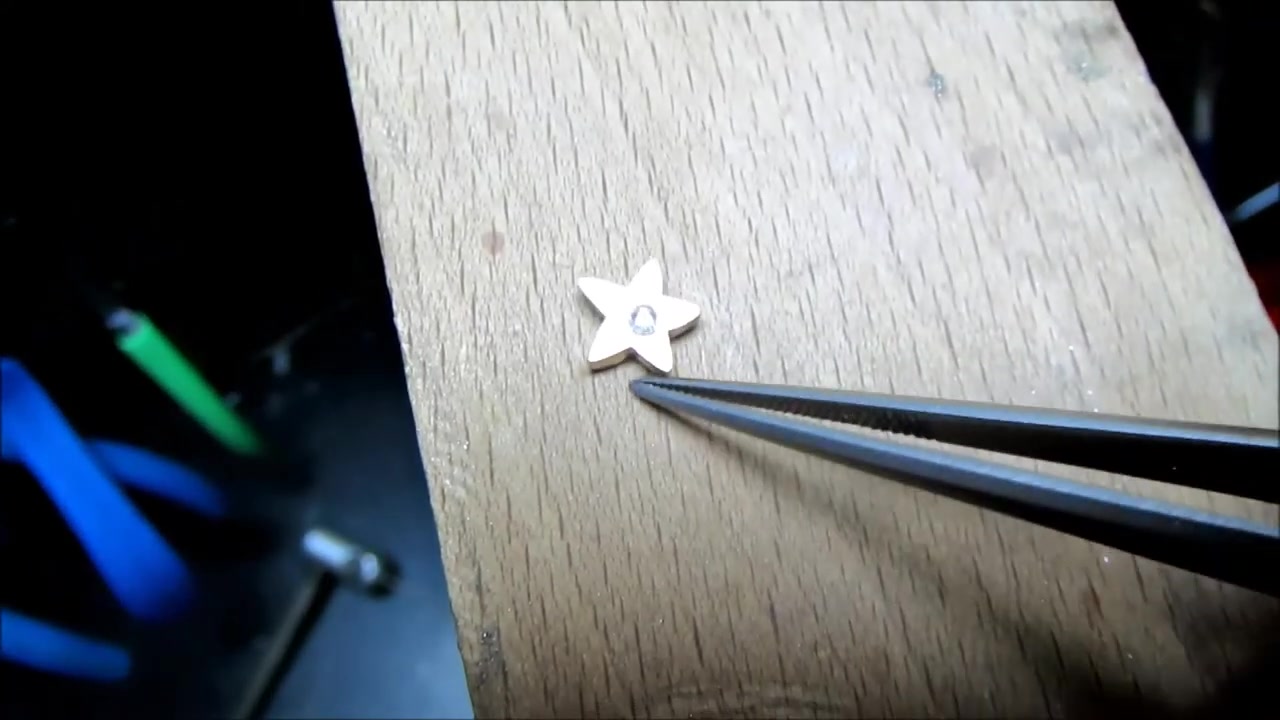
The star emerges from the sheet through piercing and filing. Once the outline is complete, the small piece rests in tweezers above the bench peg. It is a simple form, but its uneven proportions give it a particular character.
The film also reveals something about Barry’s design process. He describes working directly with precious metal and gems, allowing a piece to evolve as he makes it. Sketches can help a commission conversation, while technical drawings can record a completed design for later use.
Forming the band and joining the ring
Next, the wire takes shape around a tapered steel triblet. Barry explains that the band may temporarily look slightly oval while he prepares a flush joint. After joining it, he can return it to a round shape before bringing it together with the star.
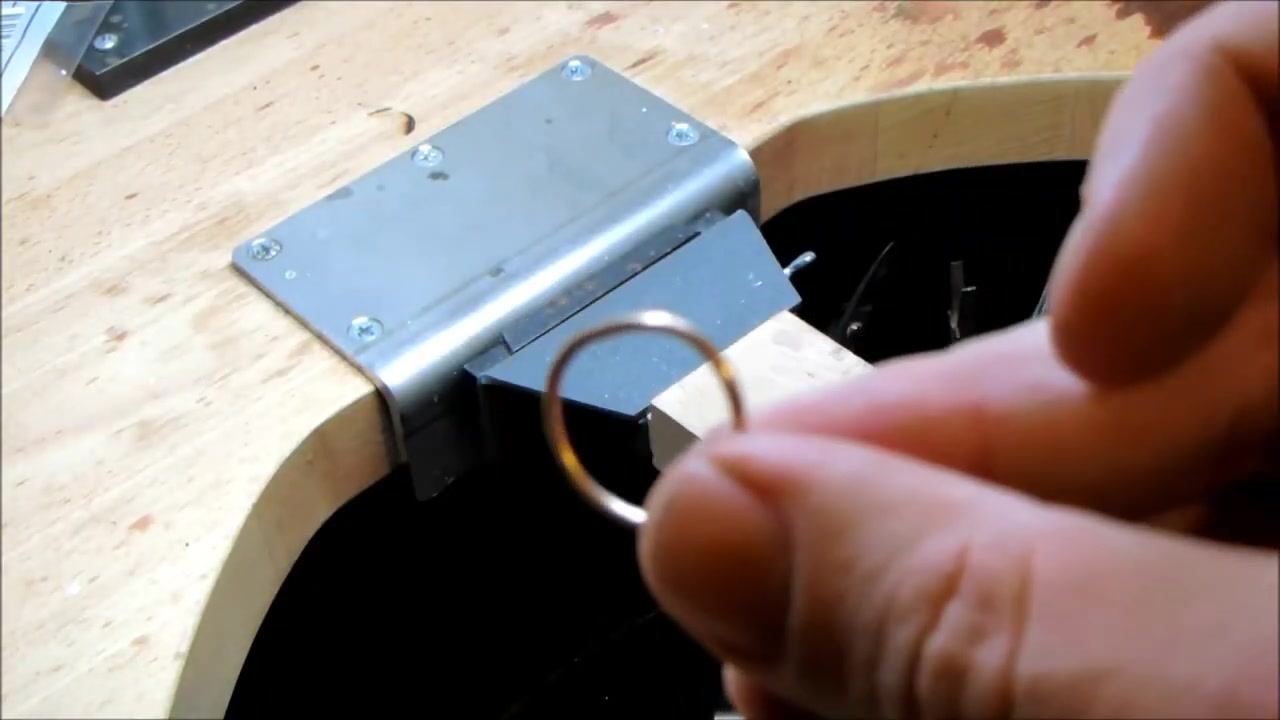
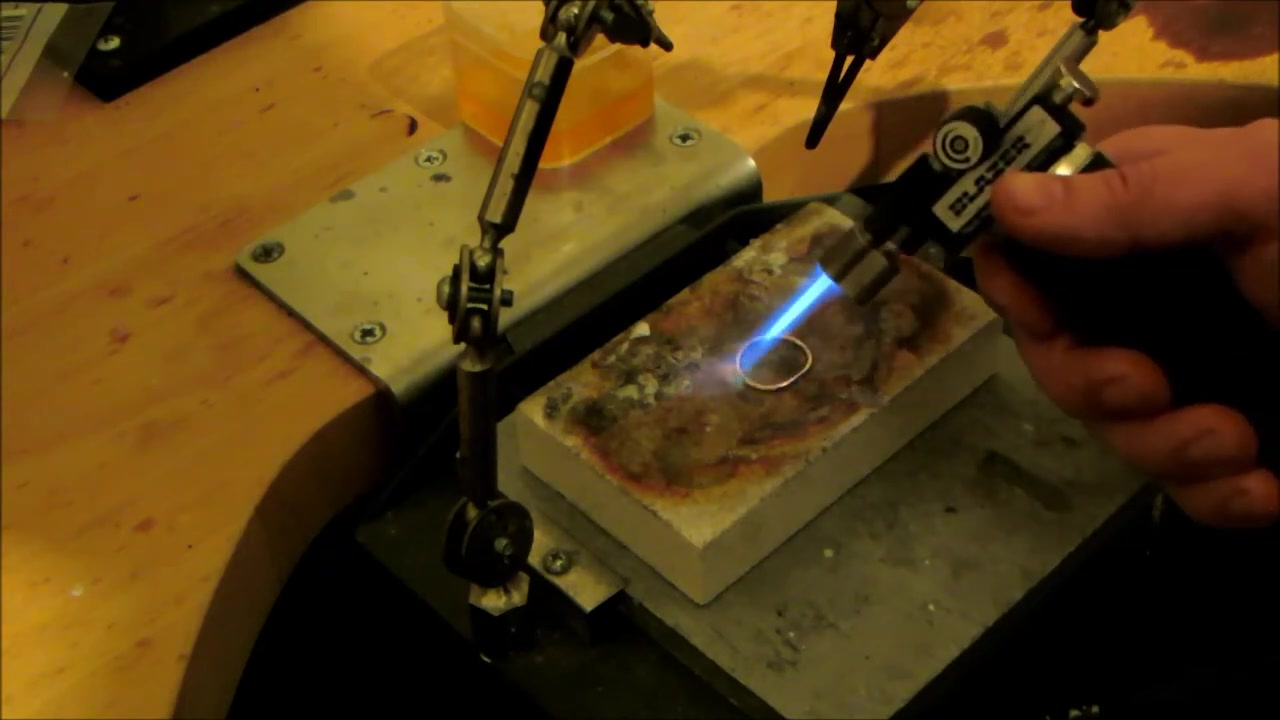
The view then moves to the soldering block. The sequence shows preparation of the joint, application of heat and the joining work. Later, the star sits on top of the band, turning the two separate components into a recognisable ring.
Setting the diamond in the star
The diamond fits into a setting prepared in the star. Barry describes using a graver to raise small beads of gold over the stone, with engraved lines following the star’s points. Those lines help emphasise the shape around the diamond.
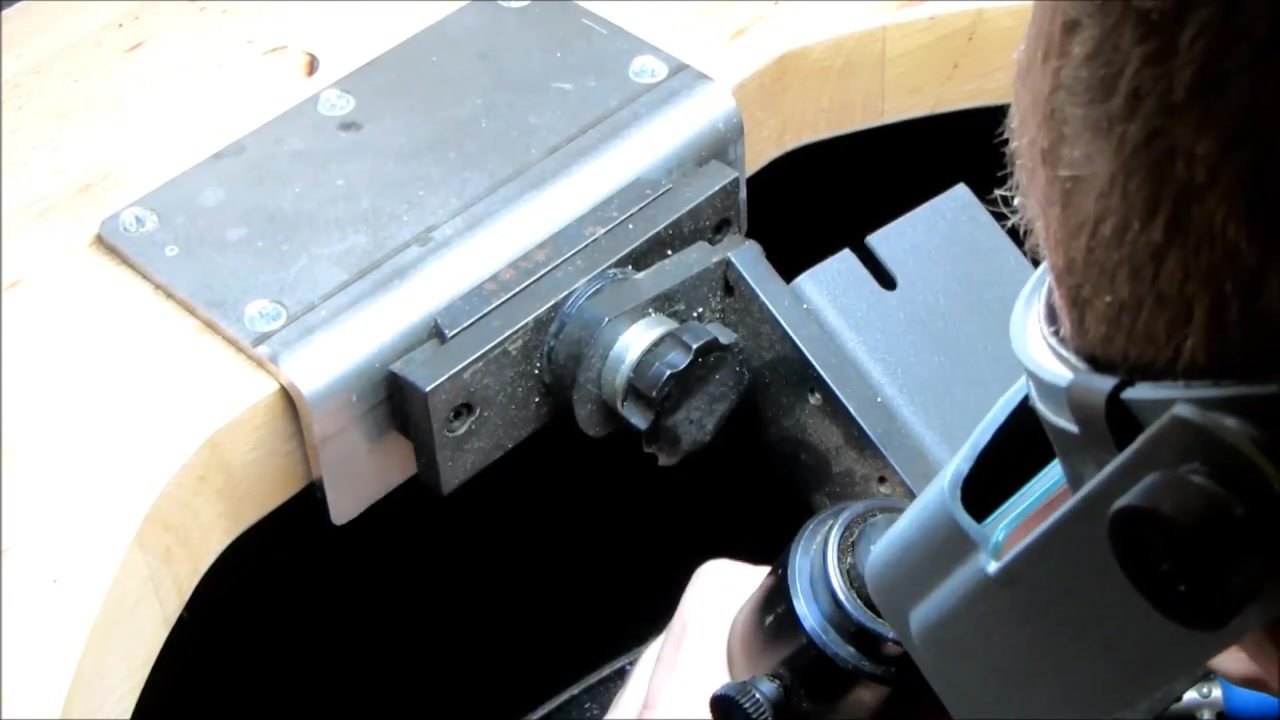
He wears a headband magnifier for the filmed setting sequence. The narration explains that his usual microscope would obstruct the camera over the bench. It is a small reminder that showing the work introduces its own practical choices.
The finished 18ct rose gold star ring
After setting, the ring receives its final cleaning and polish. The finished piece has a fine round band beneath the asymmetrical star, with the diamond at its centre. Barry shows it at the bench before placing it in a presentation box.
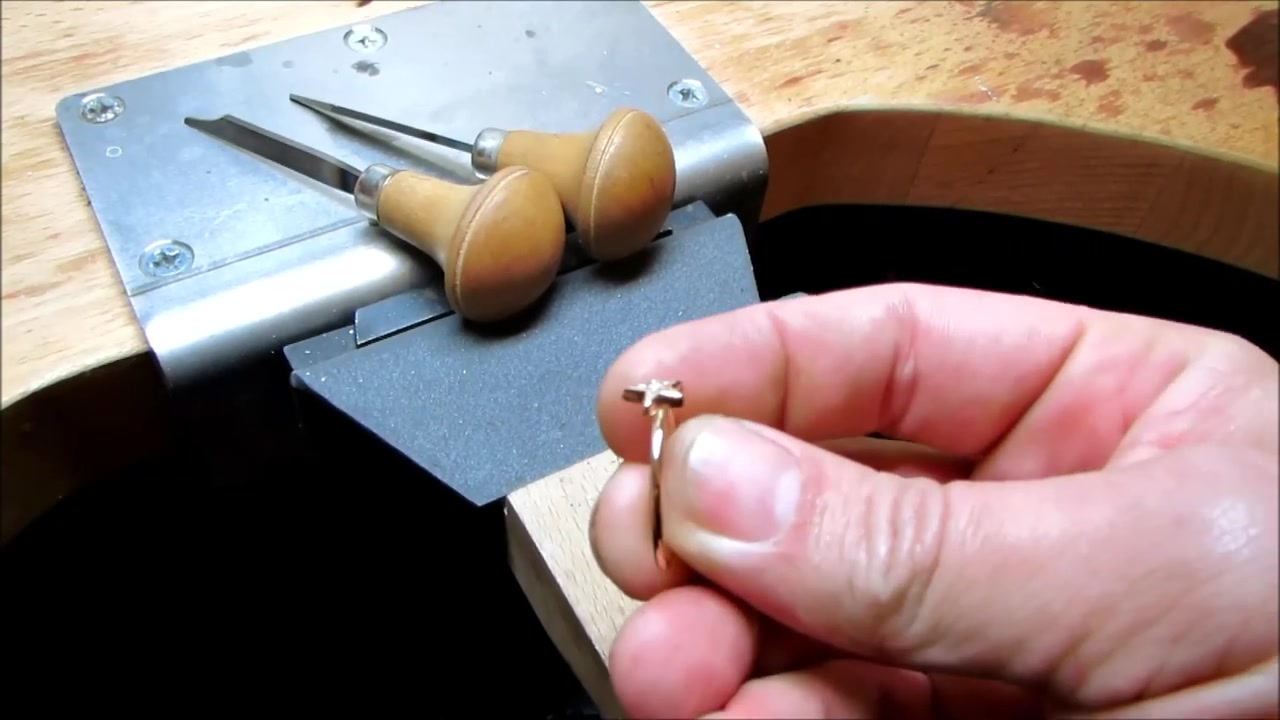
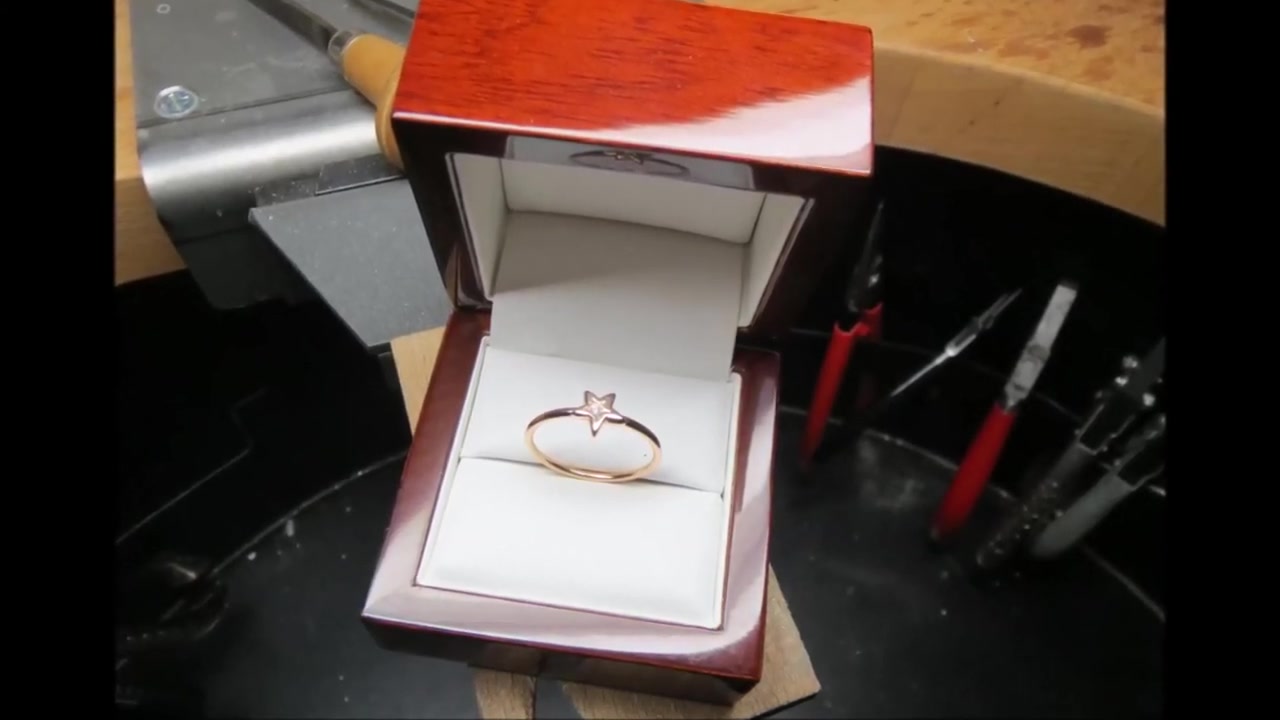
The film presents a workshop account of this particular piece. It captures the decisions and stages behind a personal Christmas gift, as well as an early look at jewellery making on the Roberts London channel.
Watch the original 2013 film
The original production notes list a Canon IXUS 510HS, a Trust Starzz microphone, a Windows PC and Windows Movie Maker. Originally published on YouTube on 26 December 2013.

Recent Comments