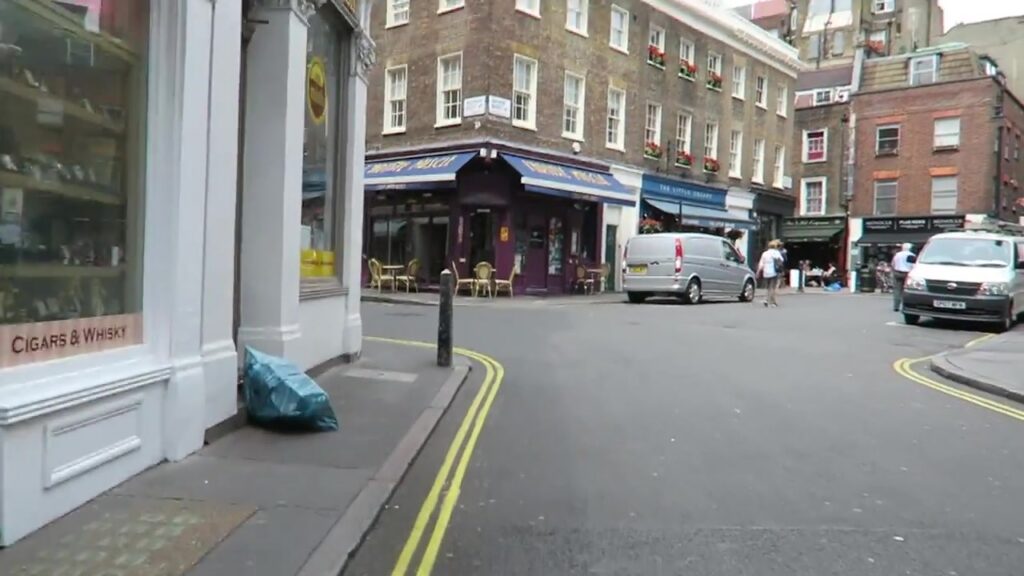
Shepherd Market is one of those London places that can remain hidden even when you are standing only a few minutes from Piccadilly. Its paved lanes, compact square, traditional pubs, galleries and small restaurants create a village-like pocket inside Mayfair. In this Roberts London film from March 2016, Barry Roberts explores the market before stopping at Shepherd Market Wine House.
Where is Shepherd Market?
Shepherd Market sits between Piccadilly and Curzon Street, close to Green Park station but screened from the main roads by narrow entrances. That separation is part of its appeal. The traffic and formal façades of Mayfair quickly give way to short lanes, intimate shopfronts and a central gathering place lined with places to eat and drink.
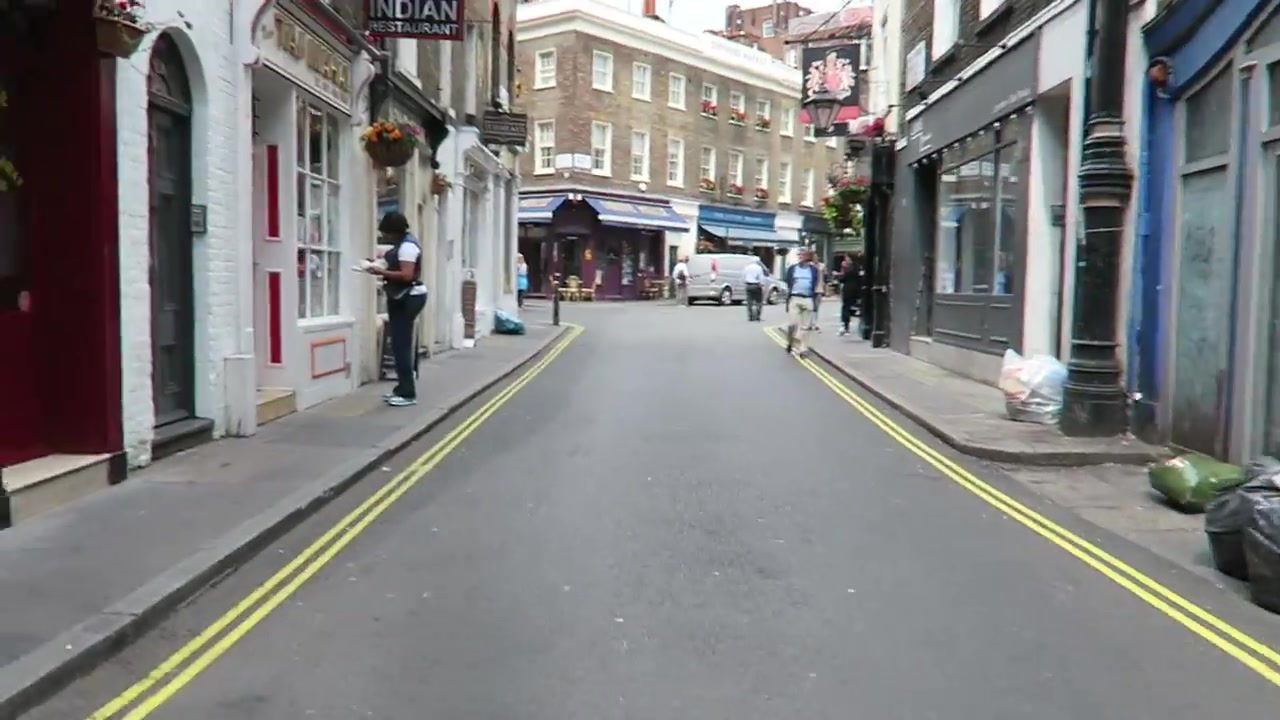
The easiest approach is from Piccadilly through White Horse Street. Within a few minutes, the scale of London changes. Instead of grand hotels and international flagships, the market offers pubs, restaurants, cafés, specialist shops and galleries grouped closely enough to explore without a fixed route.
How Shepherd Market gave Mayfair its name
The story of Shepherd Market reaches back to the eighteenth century. The area was developed between 1735 and 1746 by Edward Shepherd on ground associated with the annual May Fair, the event from which Mayfair took its name. Shepherd created a market precinct of paved alleys, shops and places of entertainment, establishing the close-knit street pattern that still distinguishes the area.
Its character has changed repeatedly. Shepherd Market has been a commercial quarter, a place of entertainment, a literary haunt and, during parts of the twentieth century, a district with a more notorious nightlife. What survives is its unusual sense of enclosure: a small London world that feels connected to Mayfair without resembling the neighbourhood’s grander squares.
A walk through Mayfair’s hidden village
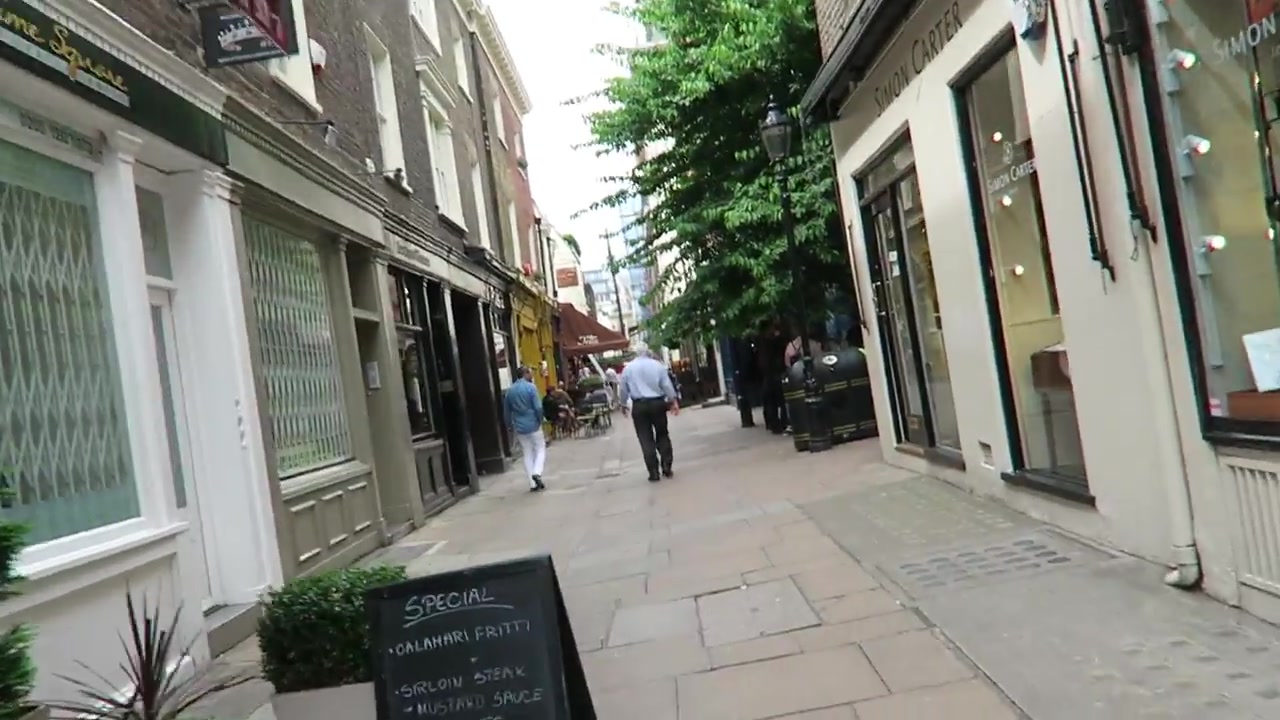
The film takes time to look around rather than treating the market as a single destination. Barry passes the small shops and galleries, considers the area’s history and observes how private clubs, traditional pubs and independent businesses occupy the same tight network of streets.
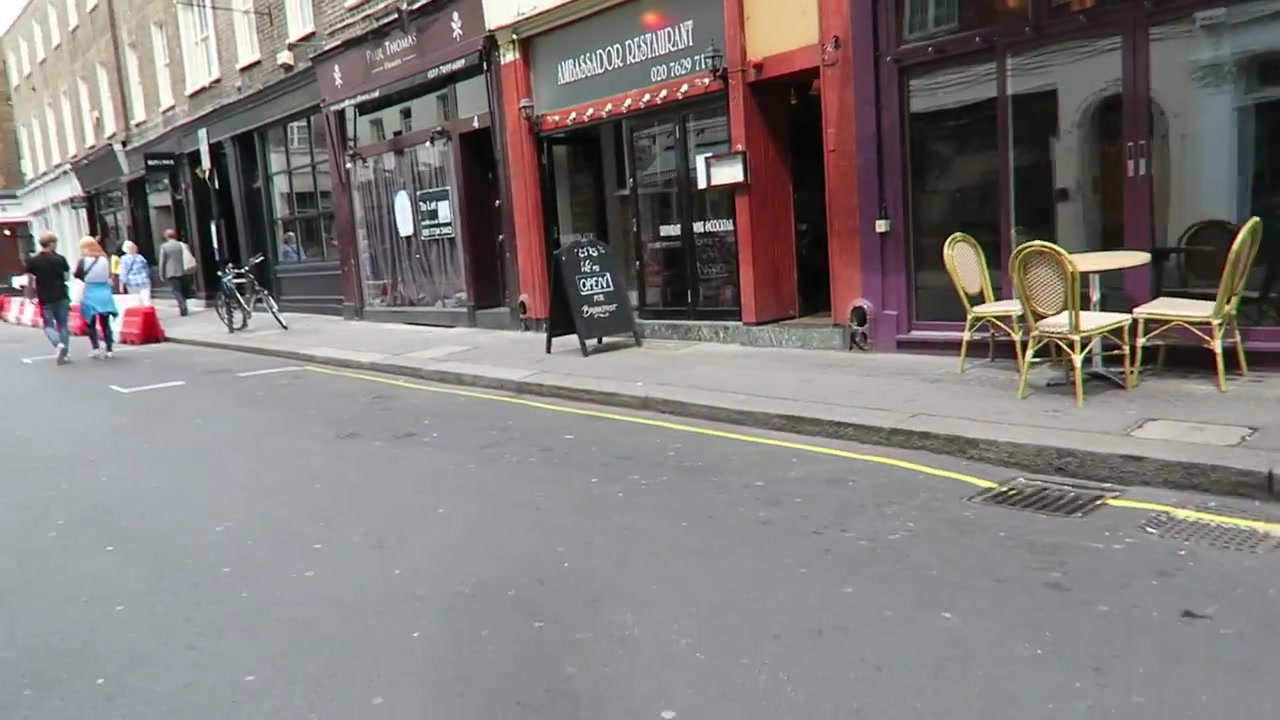
Among the locations discussed are 5 Hertford Street and its nightclub Loulou’s, Ye Grapes and the galleries and specialist shops that gave Shepherd Market much of its identity in 2016. The details are useful, but the strongest impression comes from the setting itself. Shop signs, narrow corners and tables extending into the square give the area a lived-in quality that is increasingly unusual in central London.
Shepherd Market Wine House
The walk ends at Shepherd Market Wine House, a wine bar and shop at 21–23 Shepherd Market. Its French-influenced approach centres on wines from France alongside bottles from other regions, supported by cheese and charcuterie boards designed for sharing.
That format suits the neighbourhood. Shepherd Market works best as somewhere to pause rather than rush through, and the Wine House provides a relaxed counterpoint to Mayfair’s more formal restaurants and hotel bars. Barry’s visit places the wine bar within the wider walk, showing how the market’s hospitality is inseparable from its lanes, architecture and sense of discovery.
The Wine House remains part of Shepherd Market today, continuing to operate as both a bar and a place to buy wine to take home. Its survival gives the archive film an important point of continuity: while individual businesses and neighbouring shopfronts change, the market is still a place for meeting, eating and drinking.
Coffee at 10 Shepherd Street in 2016
A separate Roberts London film, published on 28 September 2016, follows a coffee stop at 10 Shepherd Street. The shorter edit comes from a summer outing to Green Park for a gun salute. Barry slips out of the park, crosses towards White Horse Street and takes a quick walk around Shepherd Market before collecting a drink.
The café has a very different atmosphere from a conventional coffee counter. Inside are colourful seats and vintage-looking furniture, including a chaise by the window. Barry points out cakes, pastries and toasted sandwiches, although he already has food for his picnic. On this visit he chooses a black Americano to take back to Green Park.
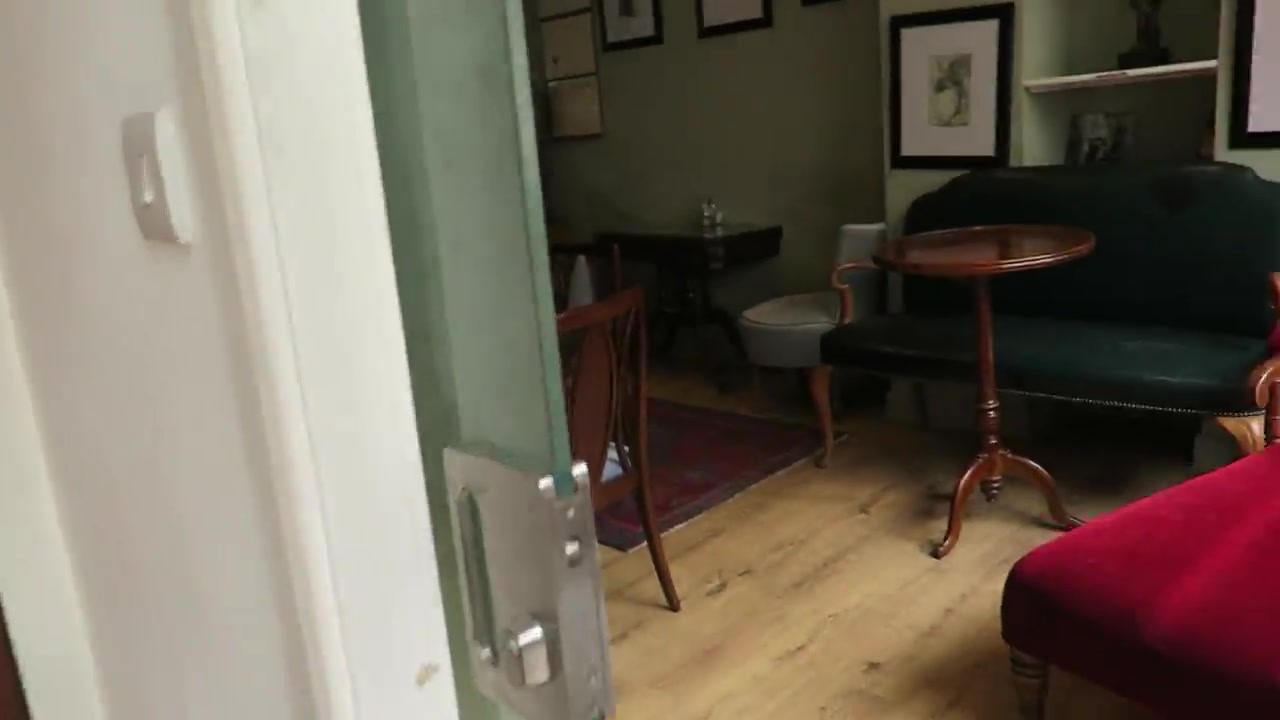
The film makes the short distance between the market and the park particularly clear. After the café stop, Barry retraces his route towards Piccadilly, passing the former In and Out Club on the way. It is a small coffee detour within a longer London day, with time to look around the lanes rather than simply hurry in and out.
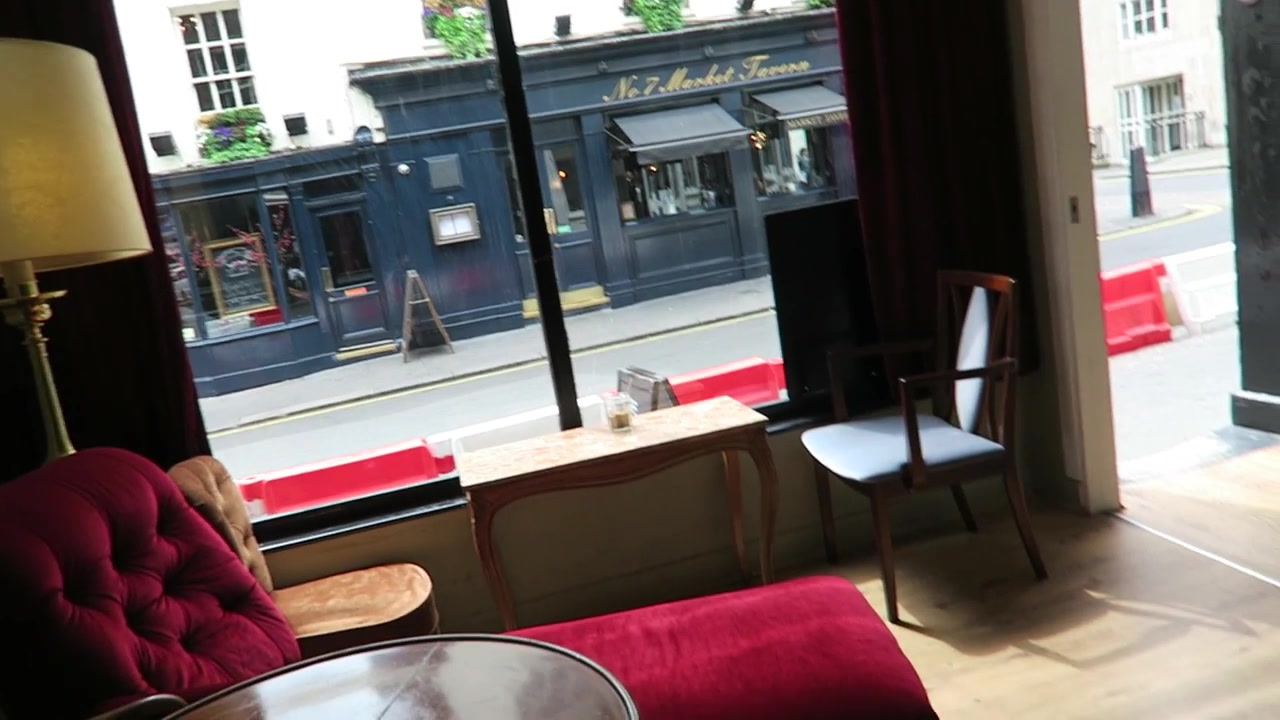
This café visit is shown as a 2016 archive. The photographs elsewhere in this article also come from this separate visit, rather than the March Wine House film.
Why visit Shepherd Market?
Shepherd Market is not a conventional attraction with a single façade or scheduled experience. Its value lies in wandering: entering from Piccadilly, following the lanes, looking into the galleries and specialist shops, and choosing a pub, café or wine bar according to the mood of the day.
It can be combined easily with Green Park, Piccadilly, Curzon Street and the wider Mayfair shopping district, yet it rewards a slower visit of its own. For anyone looking for hidden places in London, Shepherd Market demonstrates that discovery does not always require travelling far from the best-known streets. Sometimes the most distinctive part of a neighbourhood is waiting just behind them.
Filmed and first published in London on 27 March 2016 by Barry Roberts for Roberts London.

Recent Comments