Covent Garden is easy to misunderstand as a shopping destination.
Arrive directly from the Underground, follow the crowd down James Street and you could spend an hour circling the Piazza, looking through the Market Building and assume you have seen most of it.
You have not.
The better way to shop Covent Garden is to think of it as a collection of connected streets and small districts. The historic market sits at its centre, but King Street, Floral Street, Mercer Walk, Neal Street, Seven Dials, Monmouth Street and Neal’s Yard each have a different character.
Some are filled with international fashion and beauty names. Others still reward a more deliberate kind of browsing: maps, toys, jewellery, vintage clothing, British cheese, modern furniture, perfume and specialist shops that are difficult to replicate online.
This is our guide to walking it properly.
How to Shop Covent Garden
A good route begins at the Piazza and Market Building, before moving into King Street and Floral Street.
From there, cross Long Acre towards Mercer Walk and The Yards, then continue along Neal Street into Seven Dials. Finish around Monmouth Street, Shorts Gardens and Neal’s Yard.
It is compact enough to explore on foot, but varied enough that rushing it rather defeats the point.
Allow two or three hours for a first exploration. Allow considerably longer if you intend to stop for lunch, visit the markets properly, try fragrance, browse books or start taking an interest in things you had no intention of buying when you arrived.
That tends to be how Covent Garden works.
Start at Covent Garden Market and the Piazza
The Market Building remains the obvious place to begin.
It is also the busiest part of Covent Garden and the place where visitors are most likely to stop too soon.
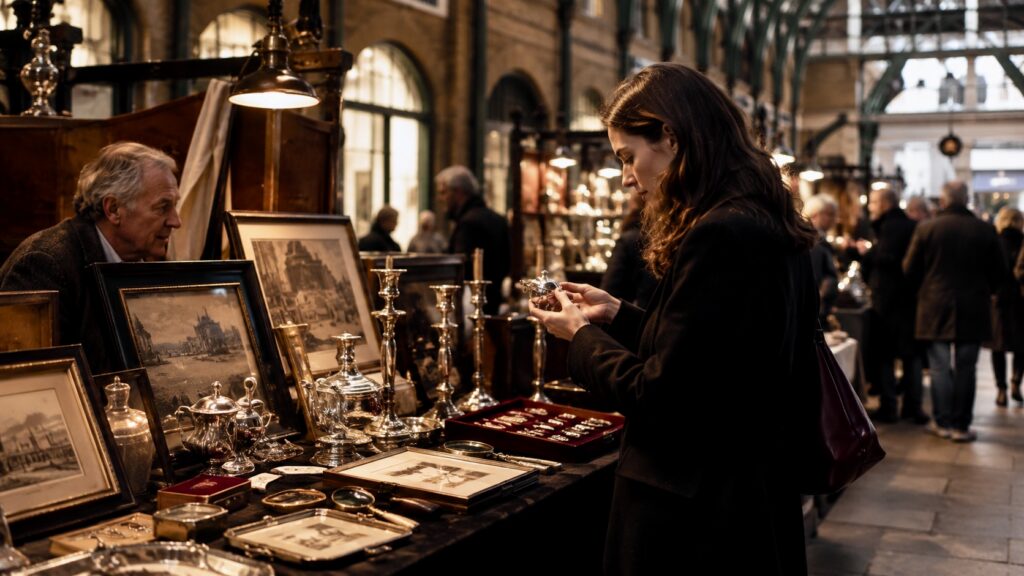
The architecture, arcades, street performers and central Piazza make it worth seeing in its own right, but the retail mix is more interesting once you understand that there are several different markets operating here rather than one interchangeable collection of stalls.
Apple Market
The Apple Market occupies the covered central market area.
What you find depends partly on the day.
Monday is the day to look for antiques and collectables. From Tuesday to Sunday, the emphasis shifts towards handmade goods, including jewellery, prints, watercolours and crafts.
For anyone primarily interested in older objects rather than souvenirs, Monday is therefore the more interesting day to visit.
It is worth slowing down rather than simply walking the central aisle. Market stock changes, and much of the pleasure lies in finding the individual object rather than arriving with a fixed shopping list.
Jubilee Market
The Jubilee Market, on the south side of the Piazza, has its own changing rhythm.
Monday again has an antiques and collectables focus. The market becomes broader during the working week, while weekends bring more arts and crafts.
That distinction matters. A visitor who sees Covent Garden Market on a Saturday has not necessarily seen the same market that appears on a Monday morning.
For anyone who enjoys antiques, prints, silver, small collectables or simply rummaging through things that have already lived another life, Monday is the day we would choose.
Benjamin Pollock’s Toyshop
One permanent shop deserves particular attention.
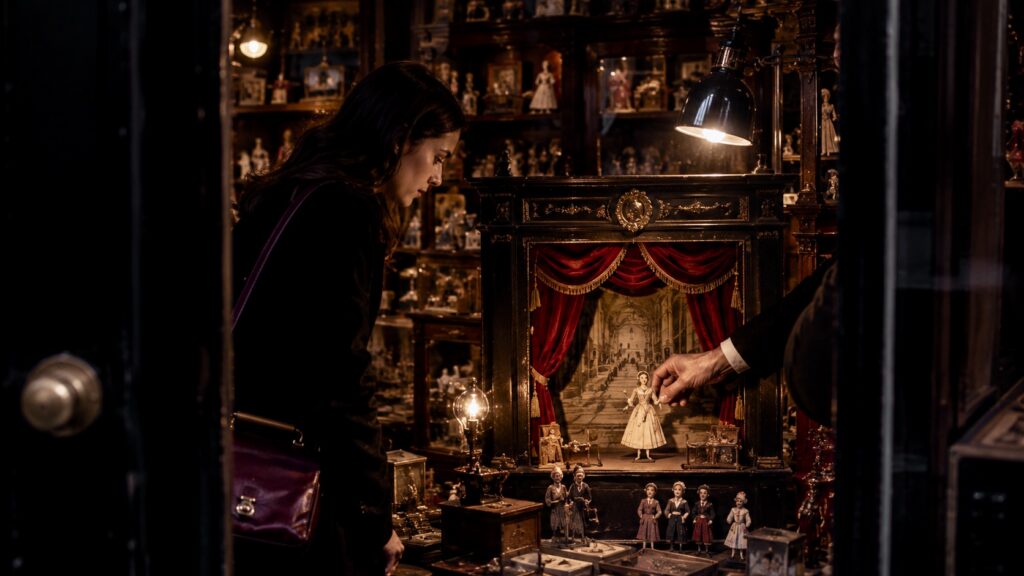
Benjamin Pollock’s Toyshop, in the Market Building, is one of those rare shops that still feels connected to the particular character of its location.
Its history reaches back to the 1880s, with a tradition centred on toy theatres, storytelling and theatrical toys.
Even without children in tow, it is worth looking inside. At its best, Covent Garden retains a certain relationship with theatre, performance and make-believe, and Pollock’s belongs naturally to that world.
It is the opposite of the interchangeable souvenir shop: specific, eccentric and difficult to imagine anywhere else.
Watches and Jewellery Around the East Piazza
The eastern side of the Piazza and the Royal Opera House Arcade also introduce a rather different Covent Garden.
Here the retail becomes more polished and expensive, with watches and fine jewellery represented alongside the broader fashion and beauty offer.
Bucherer is among the notable names in this part of the district, with watches and fine jewellery adding a genuine luxury-shopping dimension to an area more often associated with markets and beauty brands.
This contrast is part of what makes Covent Garden interesting: within a few minutes you can move from antique-market tables and theatrical toys to Swiss watches and diamond jewellery.
King Street: Beauty, Fragrance and Contemporary Fashion
Leave the Piazza towards King Street and the character changes quickly.
This is one of the more polished shopping streets in Covent Garden, particularly strong for contemporary fashion, beauty, fragrance and jewellery.
Reformation
At 27 King Street, Reformation brings its particular version of contemporary Los Angeles fashion to Covent Garden.
It is the sort of store that helps explain the modern retail positioning of King Street: recognisable international names, but generally more fashion-led and considered than a conventional British high street.
Glossier
Further along, Glossier at 43 King Street is one of the street’s principal beauty destinations.
For anyone already interested in the brand, the physical store is part of the point. Covent Garden has become unusually strong at creating shops where buying beauty products is presented as an experience rather than simply a transaction at a counter.
That pattern repeats throughout the district.
Diptyque
At 40 King Street, Diptyque is worth visiting even in a neighbourhood crowded with fragrance.
Alongside its perfumes, candles and home fragrance, the Covent Garden boutique offers services including engraving and perfume refills.
King Street is a good place to begin noticing something that becomes increasingly obvious as you walk: Covent Garden has developed one of London’s strongest concentrations of fragrance and beauty retail.
It is a subject substantial enough to deserve a Roberts London guide of its own.
Floral Street: One of Covent Garden’s Best Shopping Streets
Turn into Floral Street before heading west.
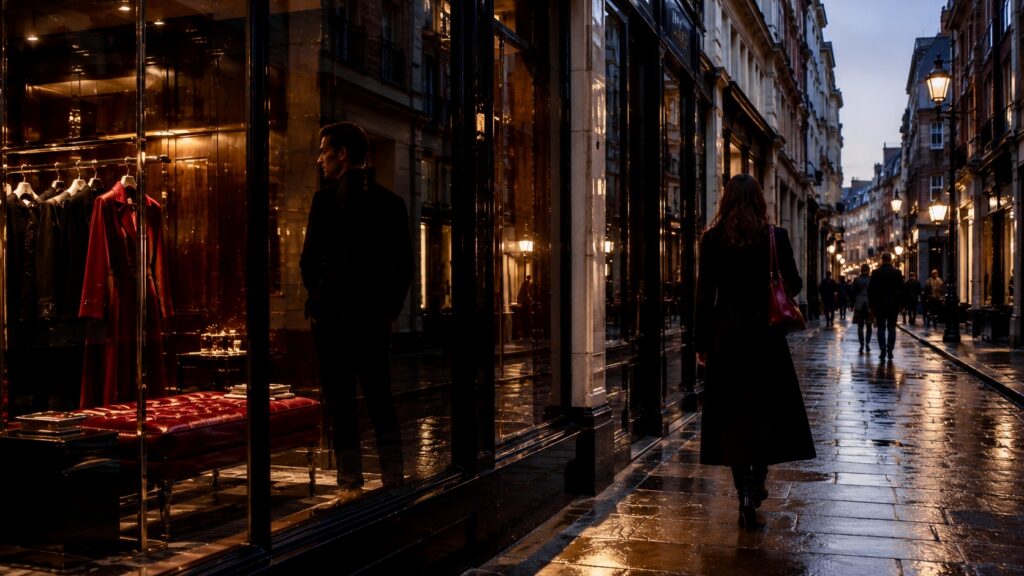
It is one of the most useful streets in Covent Garden because it feels like a shopping street rather than a shopping centre.
The architecture changes from building to building, the shops have their own front doors, and the mix is strong enough to reward browsing without requiring an itinerary.
Paul Smith
The essential stop is Paul Smith at 40–44 Floral Street.
Paul Smith opened his first London store at 44 Floral Street in 1979, giving the shop a relationship with Covent Garden that goes beyond simply occupying a desirable retail address.
The store now extends across several neighbouring buildings and remains one of the best examples of a fashion brand that feels genuinely embedded in a particular London street.
Even if you are not planning to buy, it is worth seeing as part of Covent Garden’s retail history.
Alex Monroe Jewellery
At 33 Floral Street, Alex Monroe offers something rather different.
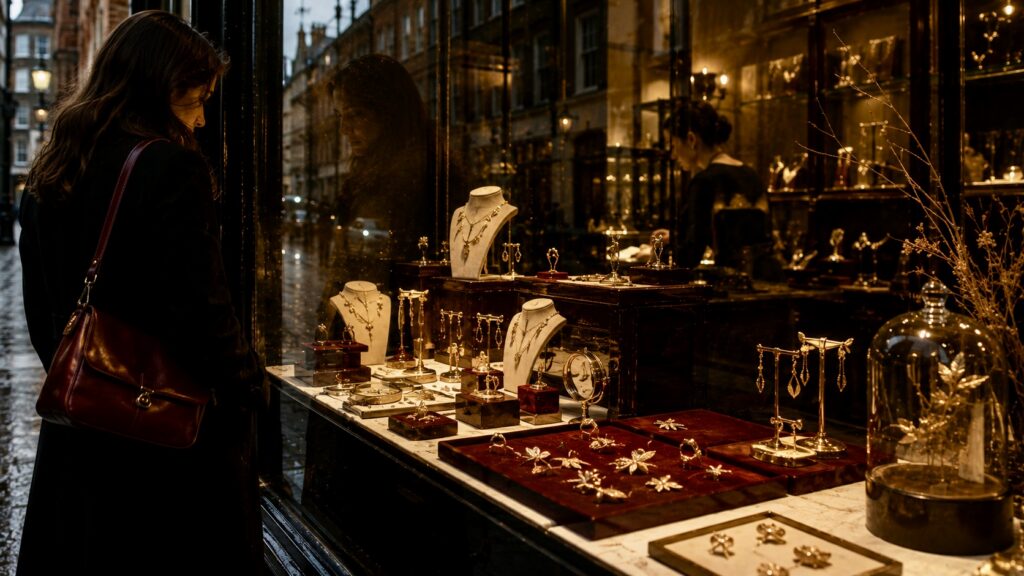
The Covent Garden boutique is the flagship for the British jewellery designer, known particularly for jewellery inspired by nature, animals and the small details of the natural world.
For Roberts London, this is precisely the kind of shop that makes a shopping district worth writing about: a recognisable creative identity, a British connection and a reason to seek out the physical store rather than simply ordering something online.
GANNI and the Wider Fashion Mix
Floral Street also includes names such as GANNI, alongside other contemporary fashion businesses.
Rather than trying to visit every shop, use Floral Street as it is intended: walk slowly, look through the windows and follow whatever catches your attention.
Covent Garden works better when it is explored this way than when treated as a checklist.
Long Acre, Mercer Walk and The Yards
Eventually you will reach Long Acre, one of the district’s busier commercial streets.
Long Acre itself has many recognisable retail names, but some of the more interesting shopping sits just beyond the obvious frontage, particularly around Mercer Walk and The Yards.
Stanfords
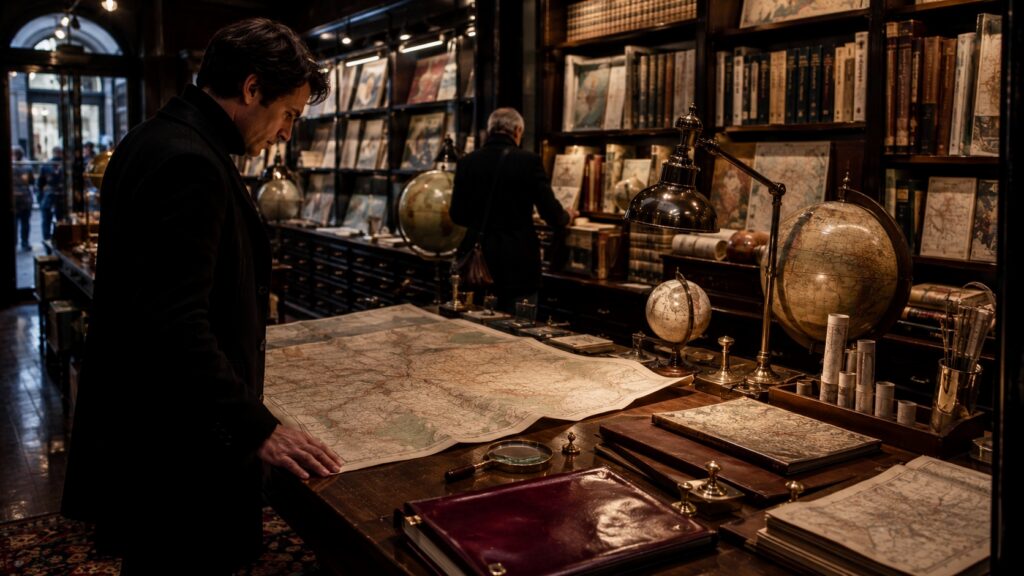
Our essential stop here is Stanfords at 7 Mercer Walk.
Stanfords has traded in the Covent Garden area since the nineteenth century and specialises in maps, travel books, atlases, globes and related travel material.
Its famous former Long Acre premises are part of London retail history, but the shop now operates from Mercer Walk.
This is the sort of place that demonstrates why physical shops still matter.
You can arrive looking for a map of one country and leave reading about another. You can compare atlases properly, look at globes, browse travel writing and find places you had not been thinking about ten minutes earlier.
In an age when almost any map can appear instantly on a screen, a shop devoted to the physical representation of the world feels strangely luxurious.
Do not rush it.
Explore The Yards Rather Than Just Long Acre
The surrounding Yards area links Mercer Walk, St Martin’s Courtyard and neighbouring streets.
It is easy to miss if you simply march along Long Acre between the Underground station and Seven Dials.
Take the side routes instead.
This is one of the recurring lessons of Covent Garden: the main pedestrian flows are not always where the most interesting shops are found.
Walk Neal Street into Seven Dials
From Long Acre, head along Neal Street.
The closer you get to Seven Dials, the more the district loosens up.
Seven streets converge around the central sundial, creating a compact network that rewards wandering rather than following a rigid route.
This is where Covent Garden begins to feel less like a major visitor attraction and more like a collection of individual London streets.
Percival
At 68 Neal Street, Percival is one of the newer names in the district.
The British menswear brand gives Neal Street a useful contemporary counterpoint to the more familiar international fashion businesses elsewhere in Covent Garden.
For menswear, it is one of the stops we would make rather than trying to cover every brand in the area.
Do Not Treat Seven Dials as an Add-On
A common mistake in Covent Garden guides is to mention Seven Dials in a paragraph at the end.
It deserves more than that.
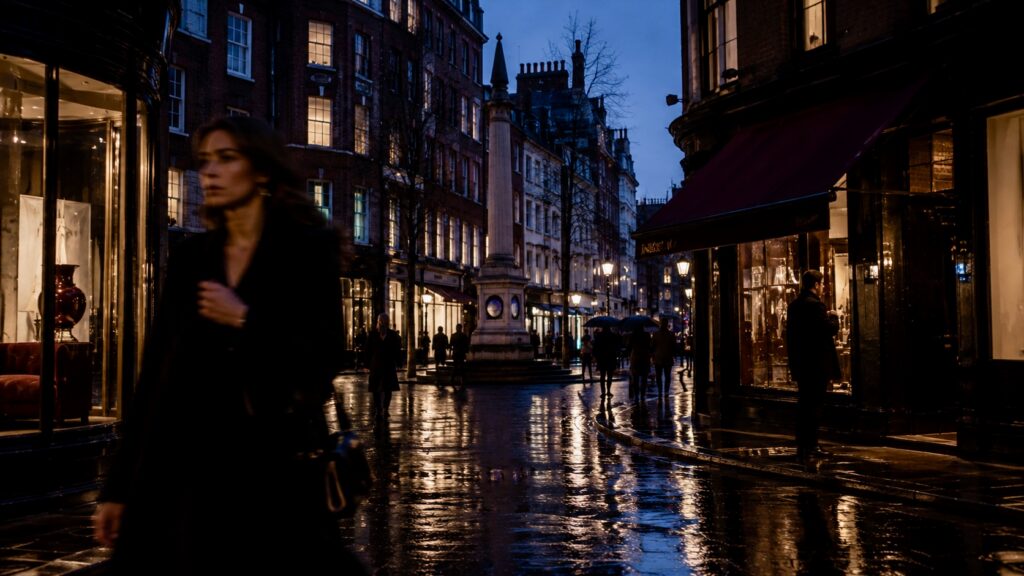
Neal Street, Monmouth Street, Earlham Street, Shorts Gardens and the surrounding lanes collectively form one of the most enjoyable parts of the shopping district.
The scale becomes smaller, the route less obvious and the shops more varied.
The best approach is to stop navigating for a while.
Monmouth Street: Smaller Scale, Better Browsing
Monmouth Street is particularly good for a slower kind of shopping.
MONC
At 17 Monmouth Street, MONC is an independent London eyewear business.
The store combines frames with fitting, adjustment, servicing and professional eye care, making it a useful example of the kind of specialist retail that still benefits from being done face to face.
Eyewear is tactile and personal. Fit matters. Proportion matters. How something looks from the side matters.
This is exactly the sort of purchase for which a well-run physical shop still makes sense.
Code8 Beauty
At 29 Monmouth Street, Code8 adds another dimension to Covent Garden’s beauty scene.
Its flagship includes a bespoke lipstick experience, placing it firmly within the district’s wider shift towards beauty retail that offers consultation, customisation and experience alongside the product itself.
You do not need to visit every beauty shop in Covent Garden.
You could probably lose an entire day trying.
The better strategy is to choose the brands or experiences that actually interest you.
Neal’s Yard: Look Beyond the Photograph
From Seven Dials, walk into Neal’s Yard.
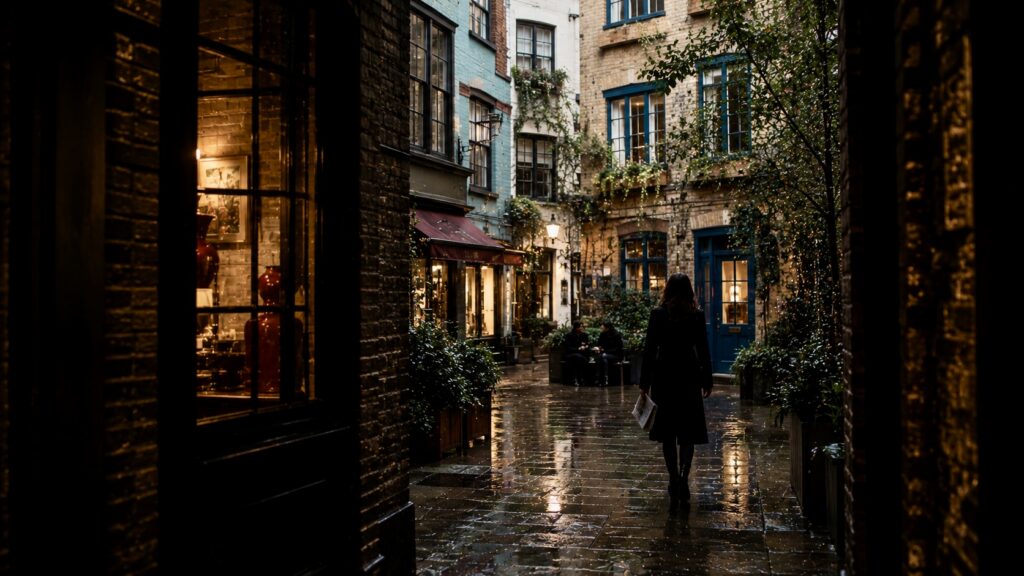
It is one of the most photographed small spaces in London, which can occasionally obscure the fact that there are businesses here worth visiting.
Come for more than the coloured façades.
Neal’s Yard Remedies
Neal’s Yard Remedies opened in Neal’s Yard in 1981 and remains directly associated with the place that gave the business its name.
That relationship makes the original setting considerably more interesting than encountering the brand in another shopping district.
This is one of those cases where shop and location belong together.
Neal’s Yard Dairy
Nearby on Shorts Gardens, Neal’s Yard Dairy is one of the strongest food-shopping stops in the area.
Its focus is British and Irish cheese, selected and sold by people who actually know the subject.
For a visitor looking for something edible to take home—or simply interested in British food culture—it is far more distinctive than buying another generic London souvenir.
The shop is small, serious about cheese and entirely worth the detour.
St. JOHN Bakery
Neal’s Yard also offers the possibility of leaving with something more immediately edible.
The St. JOHN Bakery and Bar in the yard sells bread and baked goods, including the Eccles cakes for which St. JOHN has become particularly well known.
This is where shopping and eating become difficult to separate.
We see no particular reason to try.

Specialist Shops Worth Making a Detour For
Not every worthwhile Covent Garden shop falls neatly on the main walking route.
A few justify stepping away from it.
Aram
At 110 Drury Lane, Aram is one of London’s important destinations for modern and contemporary furniture and design.
The large multi-floor showroom occupies a former Covent Garden warehouse and brings together furniture, lighting and objects by many of the major names in twentieth- and twenty-first-century design.
This is not somewhere to visit because you urgently need a chair.
It is somewhere to visit because looking at a good chair properly can be interesting.
Furniture makes more sense at full scale. Materials make more sense when touched. Proportion becomes obvious when you stand beside something rather than scroll past a photograph of it.
For anyone interested in interiors, architecture or modern design, Aram is one of the best reasons to extend a Covent Garden shopping walk towards Drury Lane.
Experimental Perfume Club
At 27 Catherine Street, Experimental Perfume Club approaches fragrance from a more participatory direction.
Alongside its own fragrances, the business explores perfume through education, blending and workshops.
Covent Garden’s fragrance scene is broad enough to range from established international houses to businesses where perfume itself becomes the subject of study.
For someone genuinely interested in scent rather than simply shopping for a familiar bottle, that makes the area particularly rewarding.
When Is the Best Day to Shop in Covent Garden?
There is no universally best day, but your choice matters if the markets are important to you.
Monday
Choose Monday if you are particularly interested in antiques and collectables.
Both the Apple Market and Jubilee Market have an antiques focus on Mondays, making this the most distinctive market day.
Tuesday to Friday
Weekdays are generally useful for shopping at a calmer pace, particularly earlier in the day.
The Apple Market moves towards handmade goods and crafts, while Jubilee Market has its weekday trading mix.
Saturday and Sunday
Weekends bring the greatest energy—and usually the greatest number of people.
The markets, shops, restaurants and surrounding West End are all active, but do not expect a quiet browse around the Piazza in the middle of Saturday afternoon.
For a more considered shopping trip, we prefer a weekday morning.
For atmosphere, choose the weekend.
A Simple Covent Garden Shopping Walk
For a first visit, we would follow this route:
1. Begin at Covent Garden Piazza.
Walk through the Market Building, Apple Market and Jubilee Market.
2. Visit Benjamin Pollock’s Toyshop.
One of the district’s most individual permanent shops.
3. Walk along King Street.
Browse beauty, fragrance, fashion and jewellery.
4. Turn into Floral Street.
Visit Paul Smith and Alex Monroe, then explore the wider fashion mix.
5. Cross towards Mercer Walk.
Spend time in Stanfords and explore The Yards.
6. Walk Neal Street towards Seven Dials.
Do not hurry this section.
7. Explore Monmouth Street and the surrounding Seven Dials streets.
Look at independent and specialist stores rather than following a fixed list.
8. Finish in Neal’s Yard and Shorts Gardens.
Visit Neal’s Yard Remedies and Neal’s Yard Dairy.
9. Extend the walk towards Drury Lane or Catherine Street.
Aram and Experimental Perfume Club make worthwhile final detours depending on your interests.
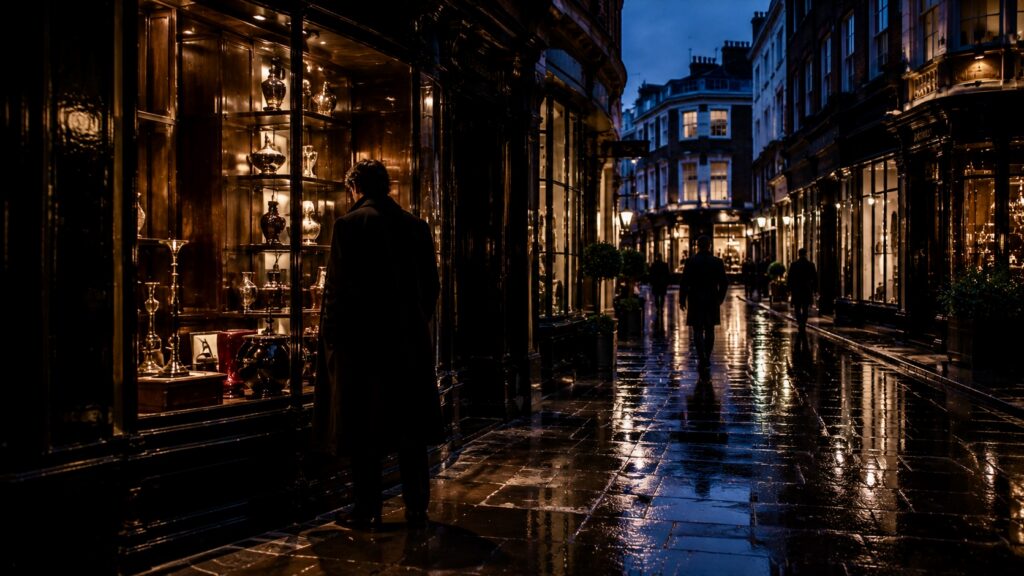
The route is short on a map.
That does not mean it should be walked quickly.
What Are the Best Shops in Covent Garden?
Ask ten people and you will get ten different lists.
Our own essential stops are less about the most famous brands and more about the shops that contribute something distinctive to the area.
We would make time for:
Benjamin Pollock’s Toyshop for theatrical toys and Covent Garden character.
Paul Smith on Floral Street for its connection with British fashion and the street it has occupied since 1979.
Stanfords for maps, travel books and the pleasure of browsing without knowing exactly what you are looking for.
Alex Monroe for British jewellery with an individual creative identity.
Neal’s Yard Remedies because the brand and the place are inseparable.
Neal’s Yard Dairy for British and Irish cheese and specialist knowledge.
Aram for modern furniture, lighting and design.
Experimental Perfume Club for a more serious exploration of fragrance.
Then add whichever fashion, beauty, jewellery and fragrance stores match your own interests.
A guide should help you edit a place, not instruct you to visit every door.
Is Covent Garden Good for Independent Shopping?
Yes, although not in the simplistic sense sometimes suggested by travel guides.
Covent Garden contains major international brands alongside smaller British businesses, specialists, markets and independent shops.
The balance changes street by street.
The central Piazza and King Street feel more polished and internationally branded. Floral Street has a stronger fashion identity. Seven Dials rewards more exploratory shopping. Neal’s Yard and Shorts Gardens offer a smaller and more particular group of businesses.
The key is to move beyond the Market Building.
Someone who spends an afternoon exploring Covent Garden properly will have a very different impression from someone who arrives from the Underground, walks around the Piazza and leaves.
Is Seven Dials Part of Covent Garden?
For the purposes of exploring the area, yes.
Seven Dials sits immediately to the north-west of the main Covent Garden Piazza and forms an essential part of the wider shopping district.
It is only a short walk from Long Acre, but the atmosphere changes noticeably.
That difference is precisely why it deserves to be explored rather than treated as a footnote.
Is Neal’s Yard Worth Visiting?
Yes, but spend longer than it takes to photograph it.
The small courtyard is visually distinctive, but its value comes from its place within Seven Dials and from the businesses around it.
Visit Neal’s Yard Remedies, continue through to Shorts Gardens, look into Neal’s Yard Dairy and explore the surrounding streets.
Ten minutes is enough to see Neal’s Yard.
Longer is required to understand why it matters.
How Long Do You Need for Shopping in Covent Garden?
Allow at least two to three hours for the route in this guide without a long meal.
Half a day is better.
A full day is entirely possible once you add lunch, coffee, the Royal Opera House, the London Transport Museum, nearby galleries, specialist shopping or an evening performance.
Covent Garden is compact, but density matters more than distance.
There is a great deal packed into a relatively small part of London.
A Final Thought
Covent Garden is no longer the kind of place that can be described simply as a historic market or a collection of independent shops.
It is more complicated than that—and more interesting because of it.
International beauty brands sit beside old specialist businesses. Luxury watches are sold within minutes of antique-market stalls. A nineteenth-century map retailer survives in a new home. British cheese, theatrical toys, contemporary jewellery, vintage clothing, modern furniture and perfume can all become part of the same walk.
Some streets are crowded. Some shops are global. Some parts can feel intensely commercial.
Then you turn a corner.
The scale changes, the crowd thins, a window catches your attention and London becomes interesting again.
That is still the best way to shop Covent Garden.
Not by trying to see everything.
By knowing where to look.
