Cooking outdoors in London often requires a little improvisation.
There may be no large garden, permanent outdoor kitchen or generous stretch of lawn. Instead, a roof, terrace, courtyard or shared growing space becomes the setting for learning how charcoal behaves, how smoke changes food and how much can be produced within the city.
In this Roberts London archive film, the journey begins among food being grown in London before moving to a rooftop and a Weber Master-Touch charcoal barbecue. The central experiment is simple: what happens when pork belly and lamb are cooked with oak smoke, rosemary and a combination of the two?
Oak or rosemary: which worked better?
In this informal rooftop experiment, oak created the clearer and more recognisable barbecue smoke. Rosemary worked better as an aromatic addition than as the main source of smoke. The most successful approach was not necessarily oak instead of rosemary, but oak for the underlying smoke and fresh rosemary for a more immediate herbal note.
Growing Food in London
The film begins away from the barbecue, among plants, paths and small areas of cultivated ground.
Growing food in London rarely resembles the broad agricultural landscapes associated with food production. Space is divided into allotments, raised beds, containers, greenhouses, balconies and whatever pieces of usable ground can be found.
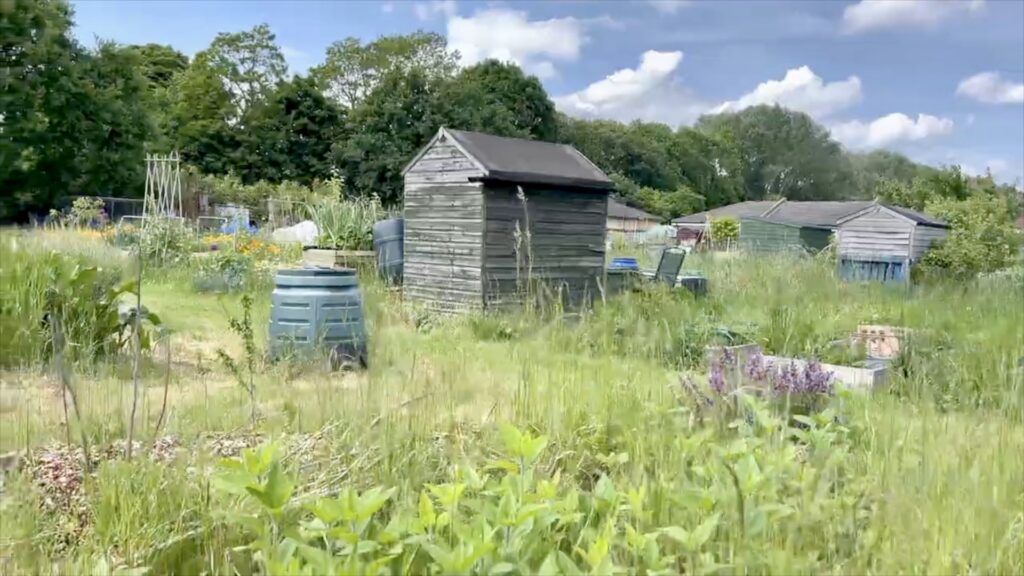
That change of scale does not make the experience insignificant.
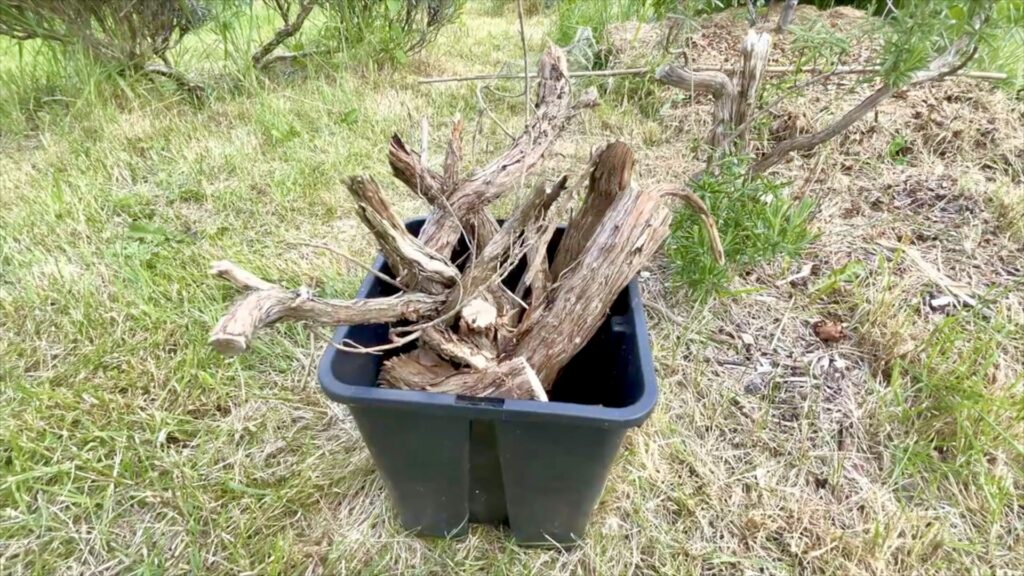
Even a small growing area makes the relationship between an ingredient and the finished meal more visible. Herbs are no longer anonymous packets from a supermarket shelf. They have stems, old wood, new growth, flowers, weather damage and a particular moment when they are ready to be cut.
Rosemary is especially suited to this kind of connection. It can be grown, cut, used fresh in cooking and allowed to develop woody stems over time. That raised the question behind this experiment: could those stems contribute something useful when cooking over charcoal?
Cooking on a London Rooftop
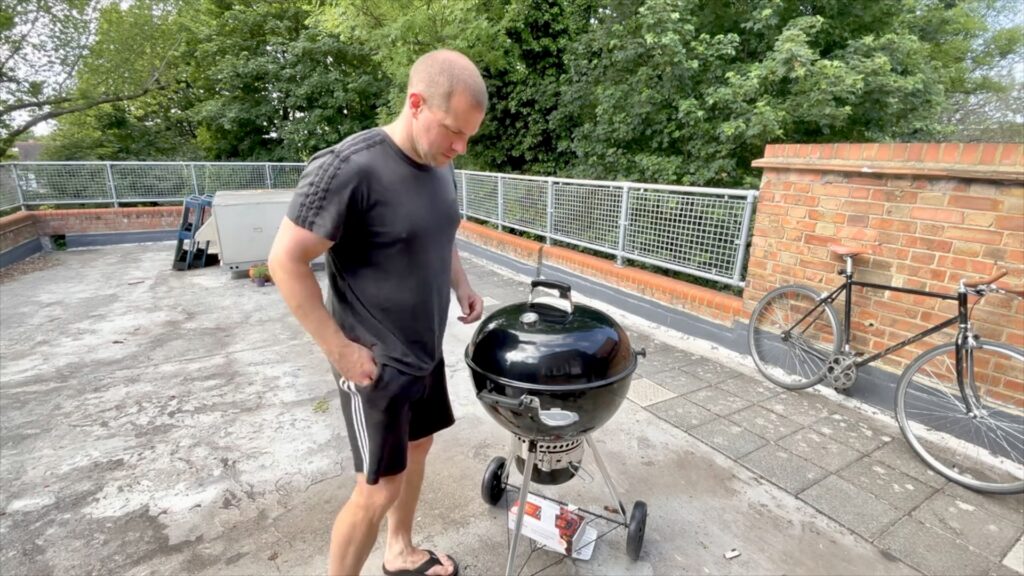
The growing space gives way to the rooftop, where a Weber Master-Touch kettle barbecue becomes the centre of the afternoon.
A kettle barbecue is relatively compact, but the combination of a lid, adjustable vents and movable charcoal makes several forms of cooking possible. Food can be placed directly over the heat for quick grilling or positioned away from the charcoal so the covered barbecue behaves more like an outdoor oven.
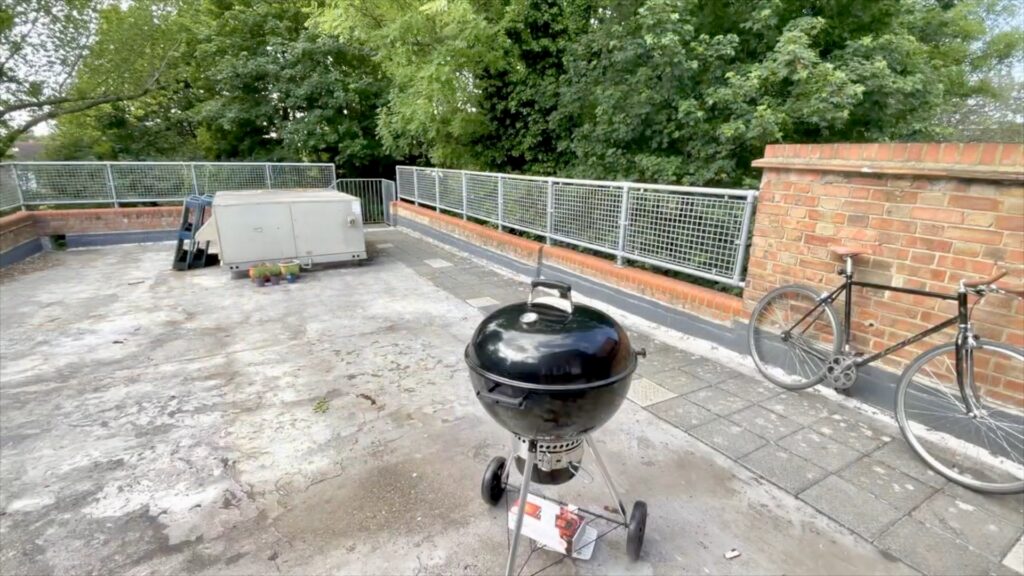
For larger or thicker pieces of meat, indirect cooking is particularly useful. The charcoal is kept to one side or divided around a cooler central area, allowing the food to cook beneath the lid without sitting continuously over the fiercest heat.
That arrangement also creates room for smoke.
What We Tested
This was not a controlled laboratory comparison. It was a practical rooftop cook intended to answer a few straightforward questions:
- Would dried rosemary stems create a noticeable flavour when placed over charcoal?
- Would fresh rosemary produce a clearer herbal aroma?
- How would rosemary compare with oak as a source of barbecue smoke?
- Would pork belly and lamb respond differently?
- Could a wireless probe thermometer make the longer cook easier to manage?
The food, weather, amount of charcoal, airflow and quantity of smoking material all affect the result. The conclusions therefore belong to this particular cook rather than establishing a universal rule.
Setting Up the Weber Master-Touch
The first task is establishing a stable bed of heat.
Charcoal needs enough air to light cleanly and enough time to become properly established before the food is added. Beginning too early can expose the food to unstable heat and heavier smoke before the fuel is ready.
The position of the charcoal then determines how the barbecue behaves.
Food placed directly above the coals receives intense radiant heat and develops colour quickly. Food positioned away from the coals cooks more gradually through the hot air circulating beneath the lid.
For this experiment, the barbecue needed to perform both roles: applying enough heat to develop colour while also providing a covered environment in which thicker meat could cook more evenly and take on smoke.
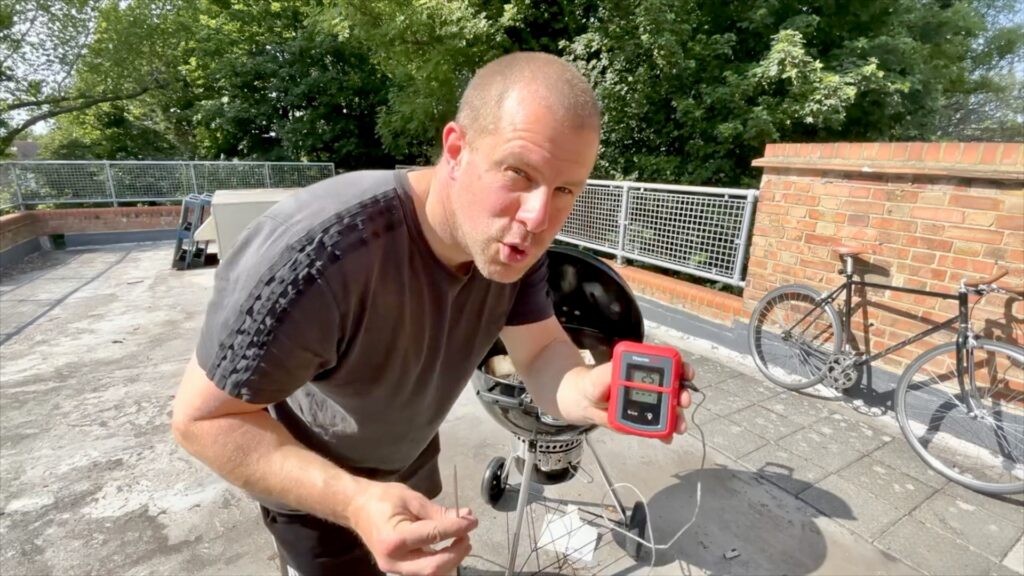
Using the ThermoPro Meat Thermometer
A wireless meat thermometer is particularly useful when cooking beneath a closed lid.
Opening a kettle repeatedly releases heat and interrupts the cooking environment. A leave-in probe allows the internal temperature of the meat to be followed without constantly lifting the lid.
The probe needs to sit within the thickest part of the meat rather than touching the cooking grate, a bone or a large pocket of fat. Poor positioning can produce a reading that represents the wrong part of the food.
The thermometer does not replace observation. It adds another piece of information.
Colour, surface texture, cooking time and the behaviour of the charcoal still matter, but internal temperature removes some of the uncertainty from deciding whether a thick piece of meat has cooked through.
Pork Belly with Rosemary
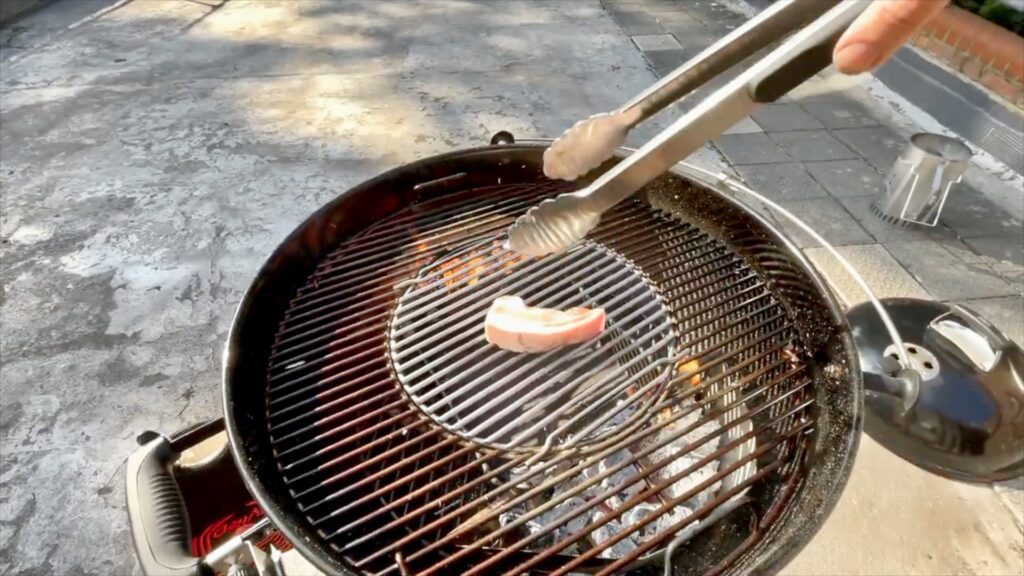
Pork belly provides a useful first test because it contains both meat and a substantial layer of fat.
As the fat warms and renders, it carries flavour across the surface and responds readily to smoke. It can also cause flare-ups if too much fat falls directly onto hot charcoal, making control of the cooking area important.
The rosemary was introduced in more than one form.
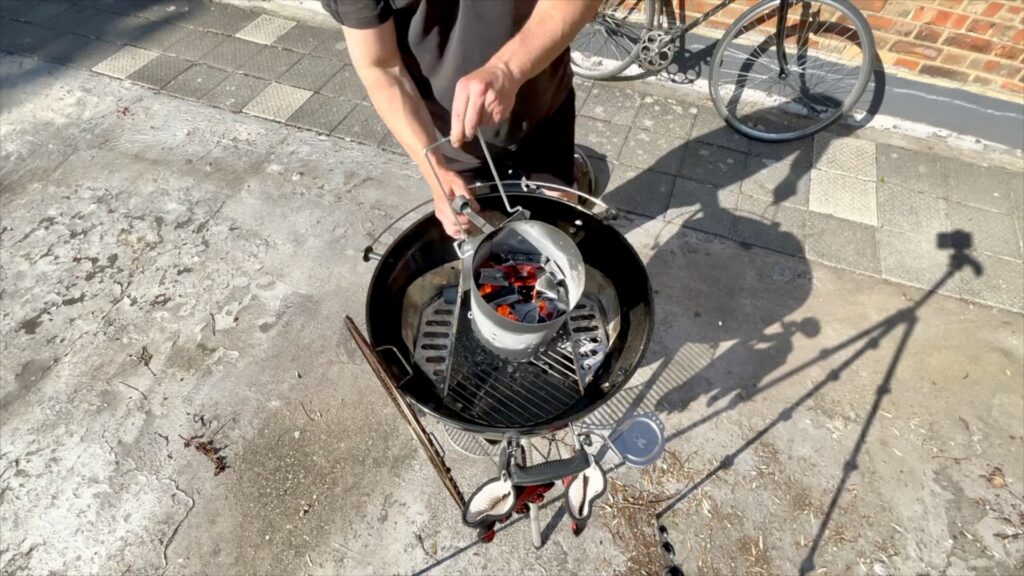
Dried woody material produced smoke, but the resulting rosemary character was less direct than expected. Burning a plant does not necessarily reproduce the flavour associated with using its fresh leaves in cooking.
Fresh rosemary created a more immediate aromatic effect. The heat released its oils quickly, producing a recognisable herbal fragrance around the barbecue.
The lesson was not to use as much rosemary as possible. Dense, acrid smoke can dominate food regardless of the material producing it. A small amount, applied with restraint, was more useful than allowing the barbecue to fill continuously with heavy smoke.
Tasting the Pork Belly
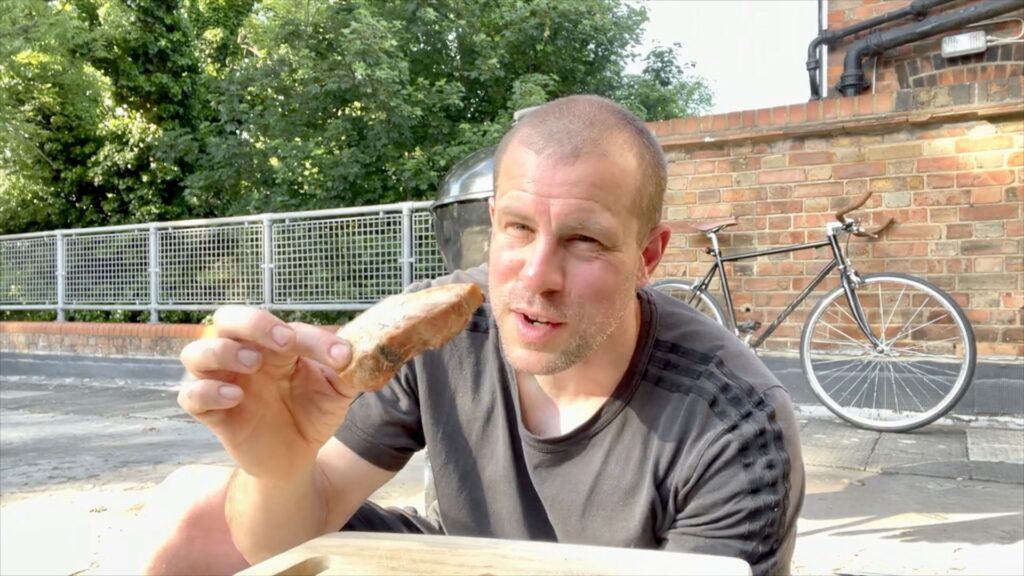
The first tasting revealed the difference between aroma around the barbecue and flavour within the food.
Rosemary could be strongly detected in the air without necessarily producing an equally strong flavour in the centre of the meat. Most of its influence remained around the exterior, where the smoke, rendered fat and seasoned surface met.
This is important when judging any barbecue experiment.
A dramatic cloud of smoke may look convincing on camera, but appearance alone says very little about whether the finished food will taste balanced.
The pork belly showed that rosemary could contribute something interesting, but it worked better as a supporting flavour than as a complete replacement for conventional smoking wood.
Lamb with Oak and Rosemary
Lamb was the more natural partner for the second part of the experiment.
Rosemary and lamb already have a familiar culinary relationship, but cooking them over charcoal changes the way that relationship is expressed. Instead of chopped leaves or a conventional marinade, the herb becomes part of the heat and smoke surrounding the meat.
Oak provided the more substantial foundation.
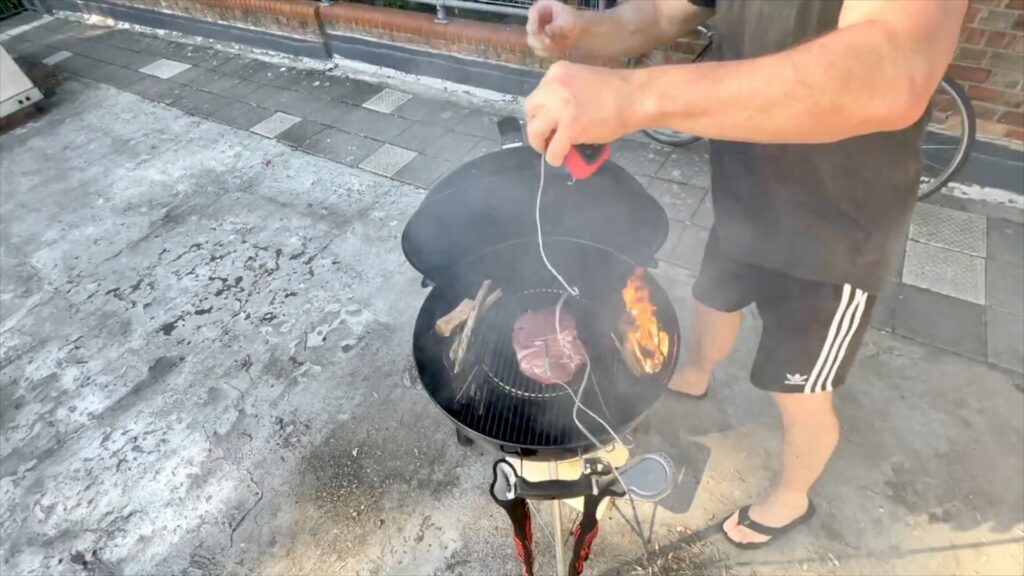
Its smoke was deeper, more persistent and more immediately recognisable as barbecue. Rosemary added a brighter herbal note, particularly when used fresh and in smaller quantities.
The combination was more convincing than expecting rosemary stems to perform the entire role of smoking wood.
With the lid closed, the lamb cooked within a mixture of charcoal heat, oak smoke and rosemary aroma. The wireless probe helped follow the internal temperature while the surface gradually darkened.
What Did Oak Add?
Oak produced the more conventional smoked character.
It had enough presence to remain identifiable alongside the flavour of the charcoal and the meat itself. Used moderately, it created depth without relying on a large quantity of visible smoke.
Oak is not neutral. Too much can still become heavy or bitter. The useful result came from treating it as seasoning rather than assuming that more smoke must mean more flavour.
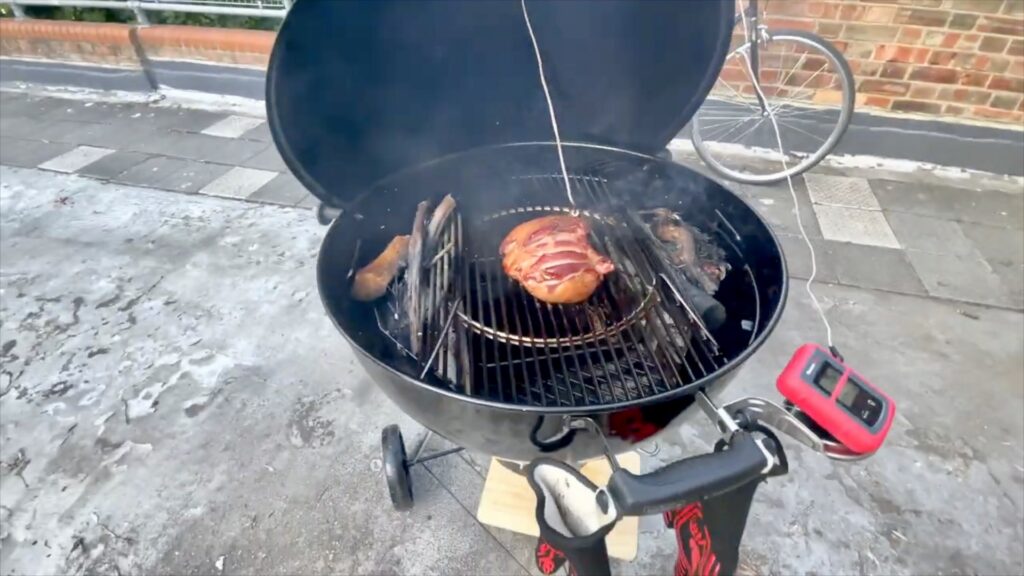
What Did Rosemary Add?
Rosemary behaved differently according to the form in which it was used.
The dried stems created smoke but did not reproduce the clean, vivid rosemary flavour that might be expected from the fresh herb.
Fresh rosemary was more expressive. Its oils were released rapidly by the heat, giving the cook a short, concentrated burst of herbal fragrance.
That makes fresh rosemary useful as an aromatic addition, but less suitable as the only material relied upon for a sustained smoking session.
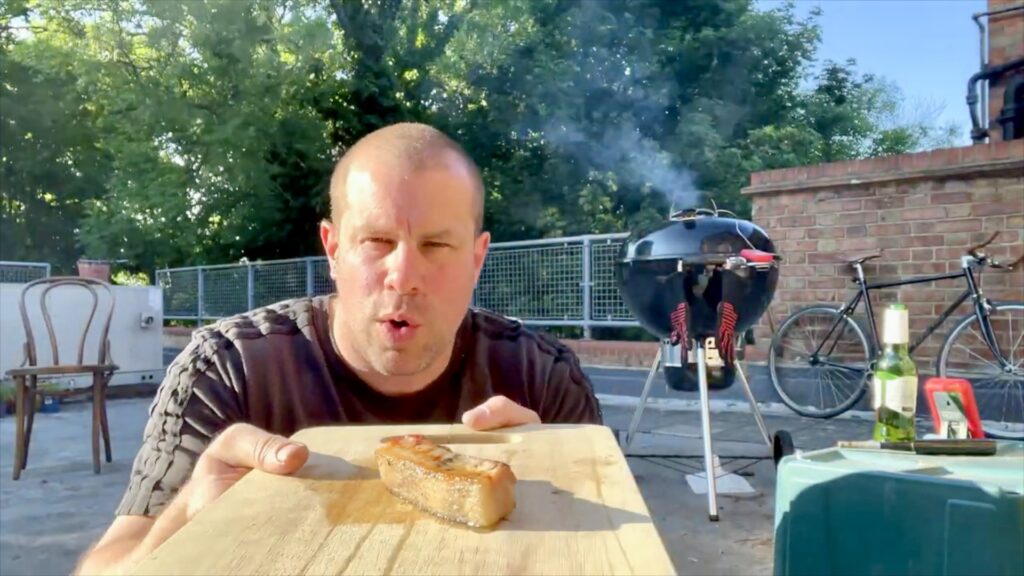
Oak Versus Rosemary
The experiment began as a comparison, but the result was more complementary than competitive.
Oak was better at providing the underlying smoke.
Fresh rosemary was better at providing a recognisable herbal aroma.
Dried rosemary stems alone were less effective than expected.
For a future cook, the most promising approach would be to use a restrained amount of oak as the smoking wood and add fresh rosemary briefly at selected points rather than leaving large quantities of rosemary to burn throughout the entire cook.
What We Would Change Next Time
A useful experiment should create better questions as well as answers.
For a second attempt, it would be worth changing only one variable at a time:
- Cook two comparable pieces of the same meat.
- Use the same amount of charcoal for each.
- Keep the barbecue temperature within the same range.
- Use oak for one piece and oak with fresh rosemary for the other.
- Measure the smoking material rather than adding it by sight.
- Taste the results side by side.
That would make it easier to separate the effect of rosemary from differences caused by heat, cooking time or the meat itself.
Barbecue Temperature and Food Safety
A lid thermometer measures the temperature of the air inside the barbecue. A meat probe measures the temperature within the food. They answer different questions, and both readings can be useful.
The lid temperature helps manage the cooking environment. The meat probe helps establish what is happening inside the thickest part of the joint.
Neither should be treated casually. Probe placement matters, equipment instructions should be followed, and current food-safety guidance should take priority over assumptions based on colour, texture or elapsed time.
This article records one informal cook rather than providing a universal temperature chart for every cut of pork or lamb.
Growing and Cooking Within the City
The most interesting part of the film may not be the comparison between oak and rosemary.
It is the movement between the growing space and the rooftop.
London is often presented as though food simply arrives: in restaurants, shops, markets and delivery boxes. Growing even a small amount within the city disrupts that impression.
It reveals the time behind an ingredient and makes using it feel more deliberate.
The rooftop barbecue extends that relationship. It turns an overlooked urban surface into a place for heat, smoke, food and experimentation.
Neither the growing space nor the rooftop resembles a country garden. They do not need to.
They represent another way of living within London: finding usable space, learning through practice and allowing the city to contain activities that are too often imagined as belonging somewhere else.
Frequently Asked Questions
Can rosemary be used on a charcoal barbecue?
Fresh rosemary can be added carefully as an aromatic ingredient. It releases its fragrance quickly, so a small quantity may be enough. Avoid producing thick, continuous smoke and never use plants that have been chemically treated or contaminated.
Can dried rosemary stems be used for smoking?
They can produce smoke, but this experiment found that the flavour was less clearly rosemary-like than the aroma produced by fresh sprigs. Dried stems worked better as a limited experiment than as a direct replacement for established smoking wood.
Is oak suitable for smoking lamb?
Oak can create a pronounced, traditional smoke character that stands up well to strongly flavoured meat. It should still be used with restraint because excessive smoke can overwhelm the food.
Should wood chips be soaked before using them?
Methods differ according to the barbecue, cooking time and form of the smoking material. Follow the instructions supplied with the particular wood chips and barbecue rather than assuming every product should be treated identically.
Do you need a meat thermometer for a kettle barbecue?
It is possible to cook without one, but a suitable meat thermometer provides useful information about what is happening within a thick piece of meat. Insert the probe into the thickest section and avoid bone, large areas of fat and contact with the cooking grate.
Can a charcoal barbecue be used on any rooftop?
No. A charcoal barbecue must only be used outdoors where it is legally permitted, on a stable and suitable surface, away from combustible materials and with the property owner’s or building manager’s permission. Fire-safety rules, lease terms and local restrictions may prohibit rooftop barbecues.
A Rooftop Experiment
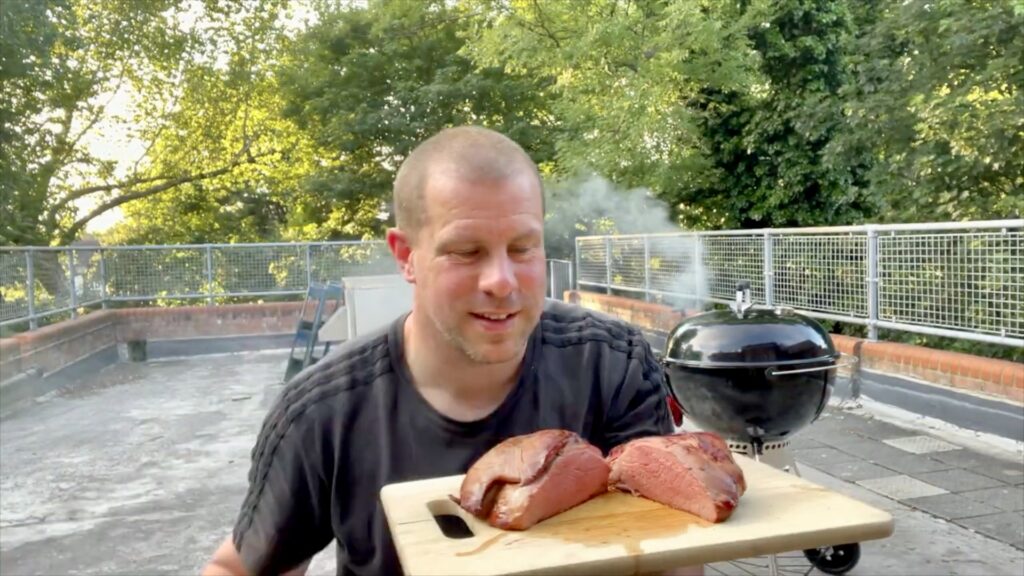
The final result was not a definitive victory for oak or rosemary.
Oak performed the role of smoking wood more successfully. Fresh rosemary added a short, vivid aromatic note. Used together and with restraint, they were more interesting than either material treated as a direct substitute for the other.
More importantly, the experiment connected several parts of London life that are usually kept separate: growing food, finding space, cooking outdoors, testing equipment and learning through the result.
Roberts London is not a finished authority. It is a continuing study.
