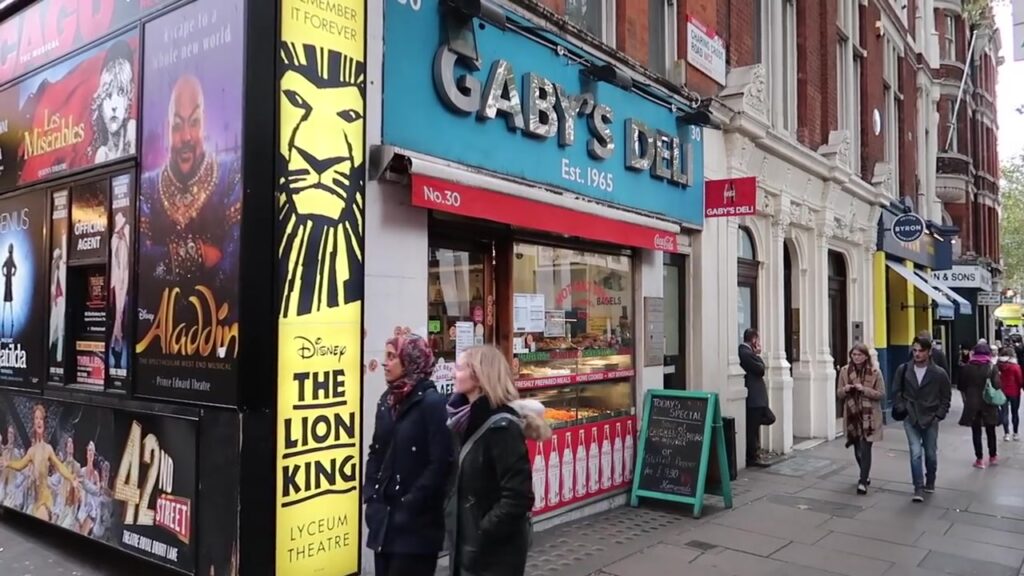
On 27 October 2018, Trafalgar Square filled with music, dance, food and colour for Africa on the Square. A short walk away, another part of London’s cultural life was nearing its end: Gaby’s Deli on Charing Cross Road was preparing to close after 53 years. This film brings the two stories together — a city festival in full swing and a much-loved restaurant in its final week.
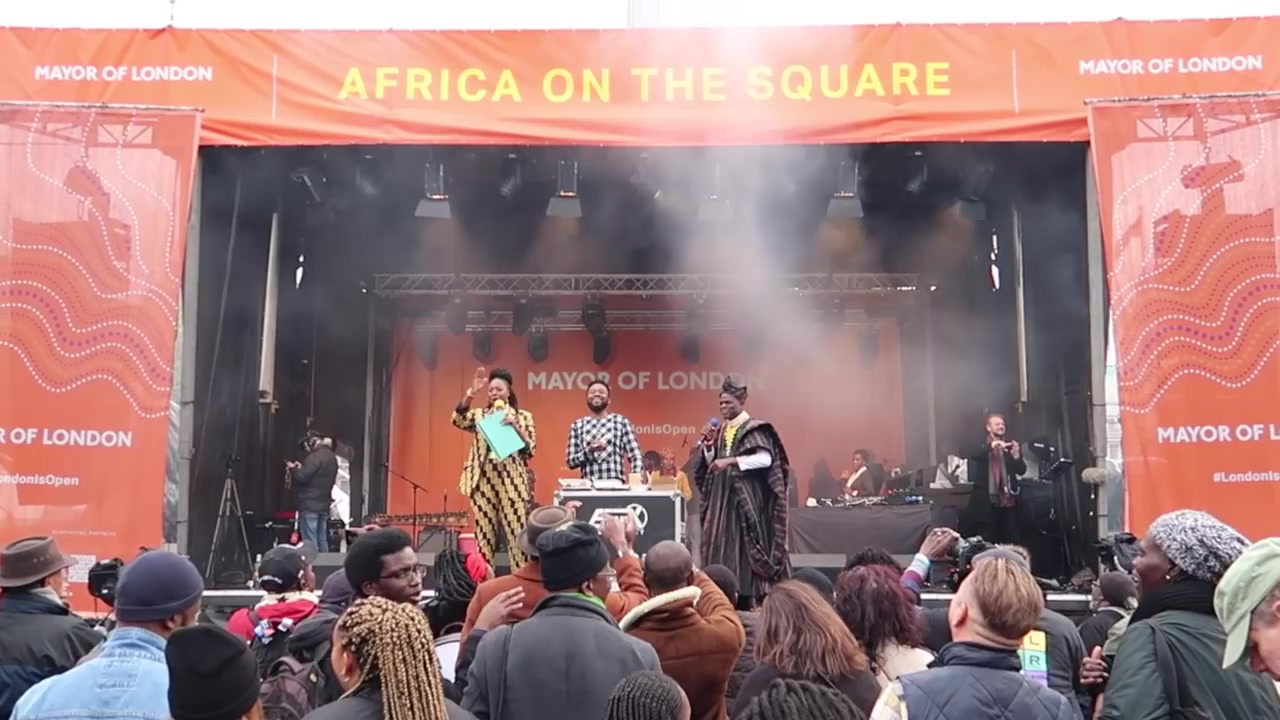
Africa on the Square in 2018
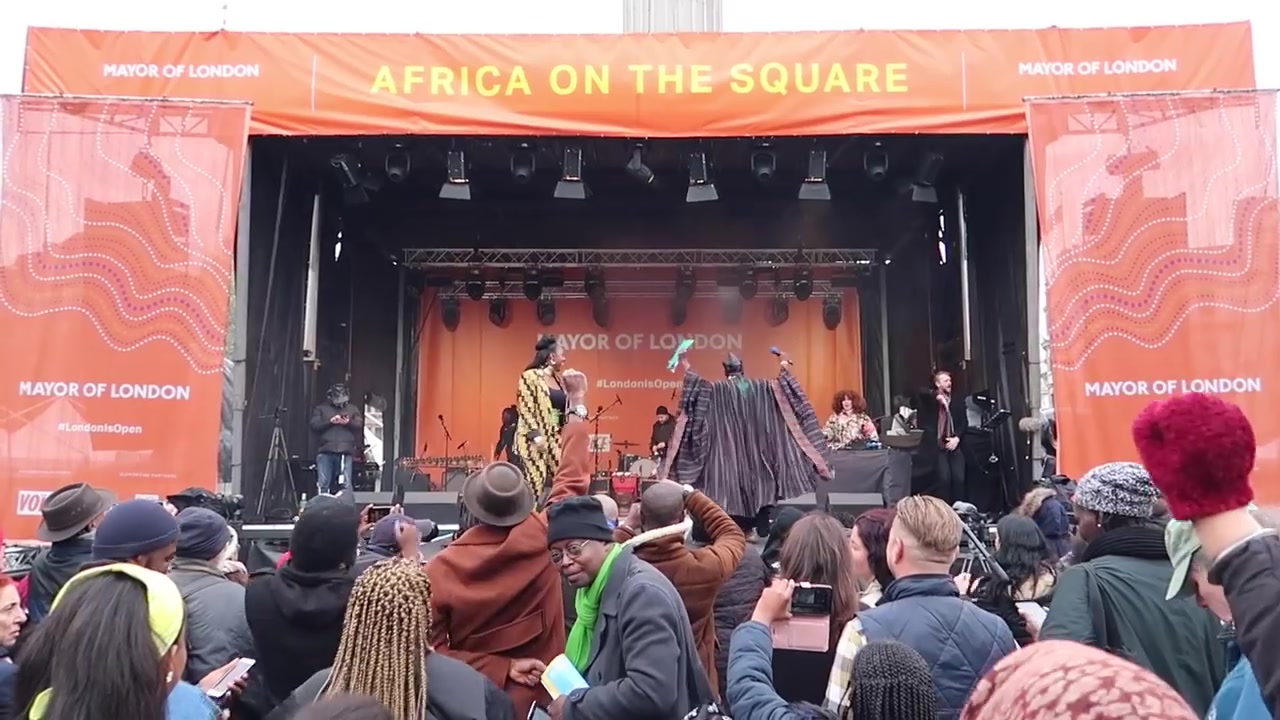
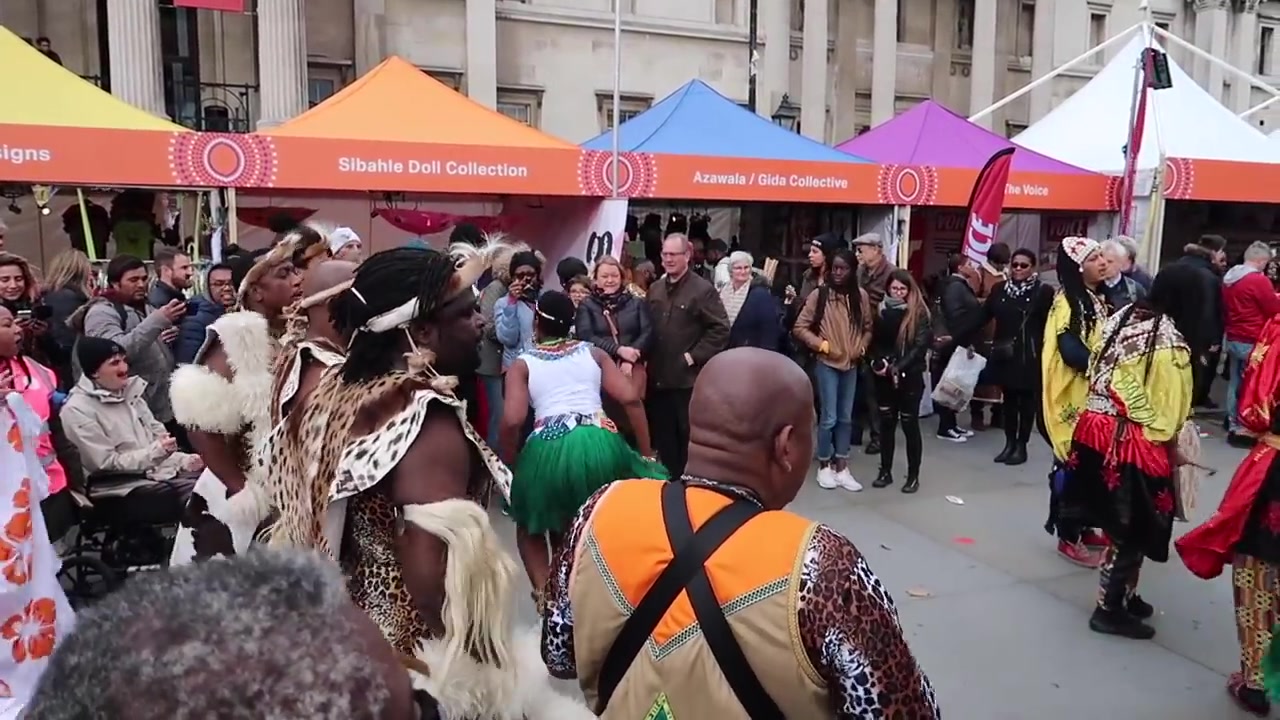
Organised by the Mayor of London, Africa on the Square was a free celebration of African arts and culture marking Black History Month. From noon until early evening, Trafalgar Square became a meeting place for Londoners of every background, with live entertainment on the main stage, an African market, food stalls, roaming performers and activities for children.
The programme reflected the breadth of contemporary African culture in London. Alongside music and dance were fashion, crafts and a dance battle, while organisations including the Africa Centre, AMREF and the Royal African Society joined community groups in the square. The event was lively without losing its family atmosphere: people moved between the stage, market and food stalls, or simply watched from the steps beneath the National Gallery.
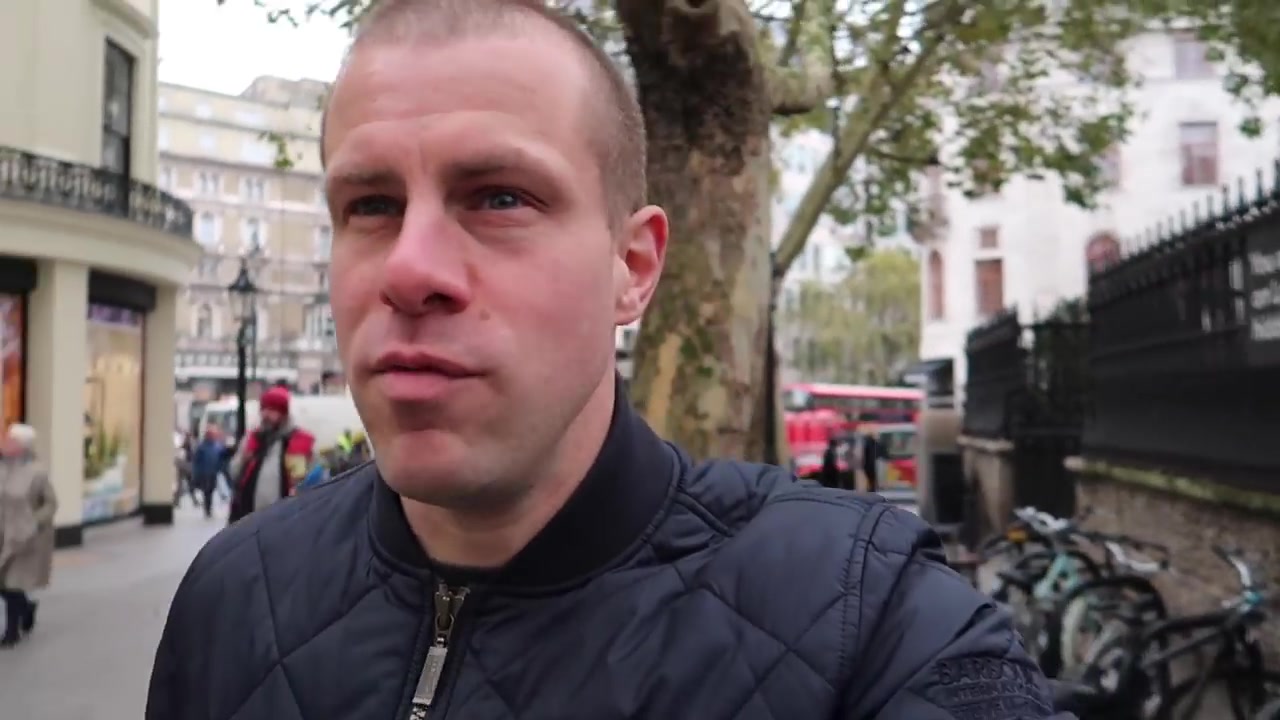
A short walk to Gaby’s Deli
From Trafalgar Square, the film turns north towards 30 Charing Cross Road. Gaby’s Deli had opened there in 1965, founded by Iraqi refugee Gaby Elyahou. Over the following half-century it became part of the fabric of Theatreland: informal, independent and unmistakably itself.
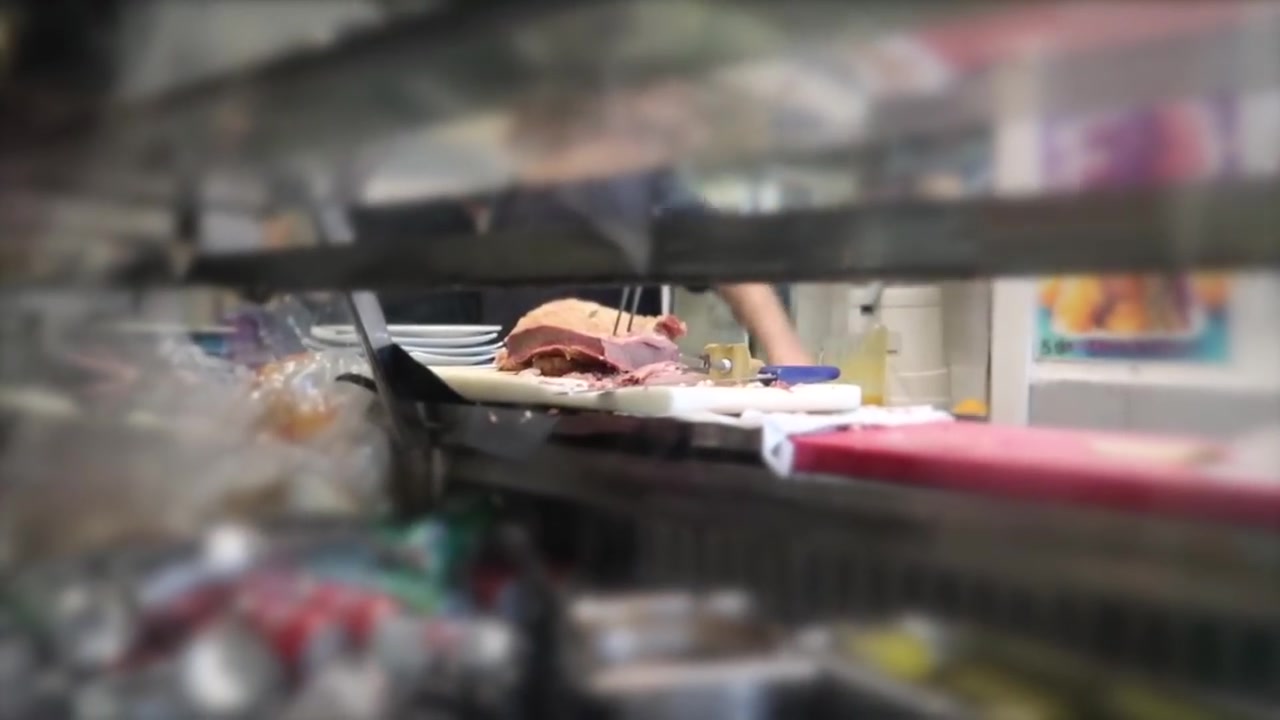
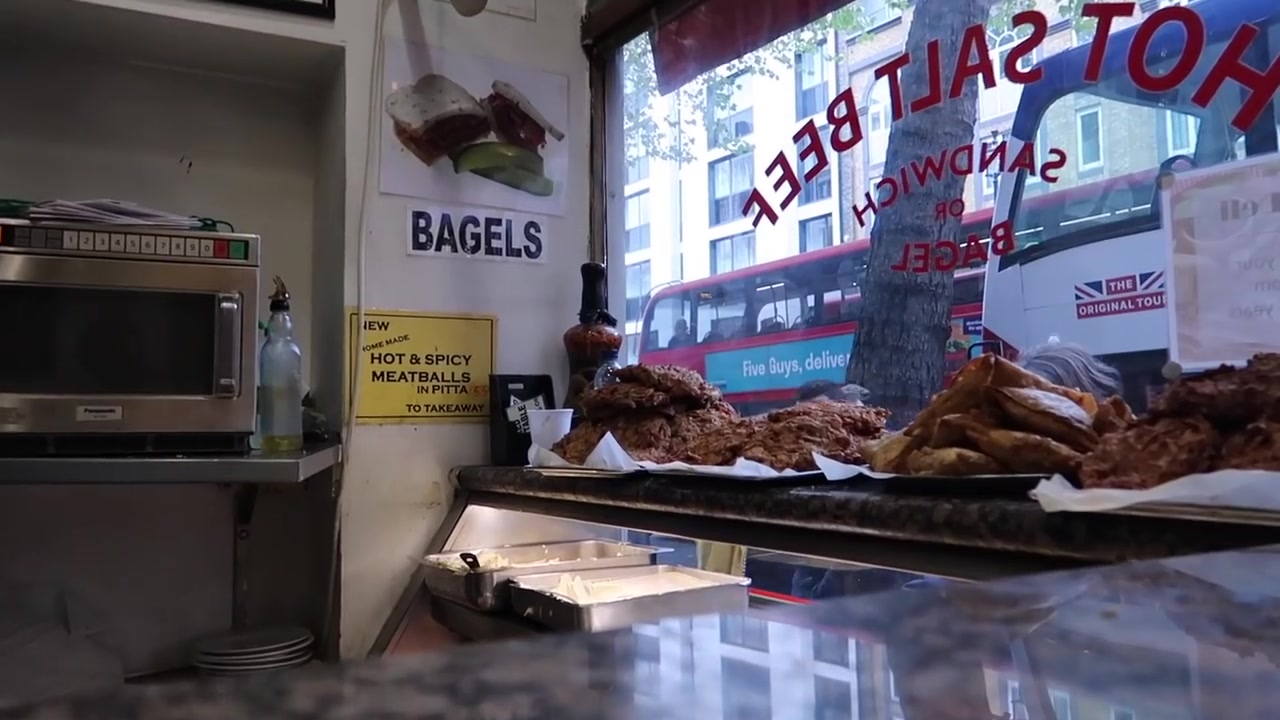
The deli was known for Jewish and Middle Eastern favourites, especially salt beef, falafel, hummus and bagels. Its walls, counter and handwritten signs felt far removed from a polished restaurant chain. Actors, musicians, office workers, students and theatregoers all found their way through the door, often returning for years.
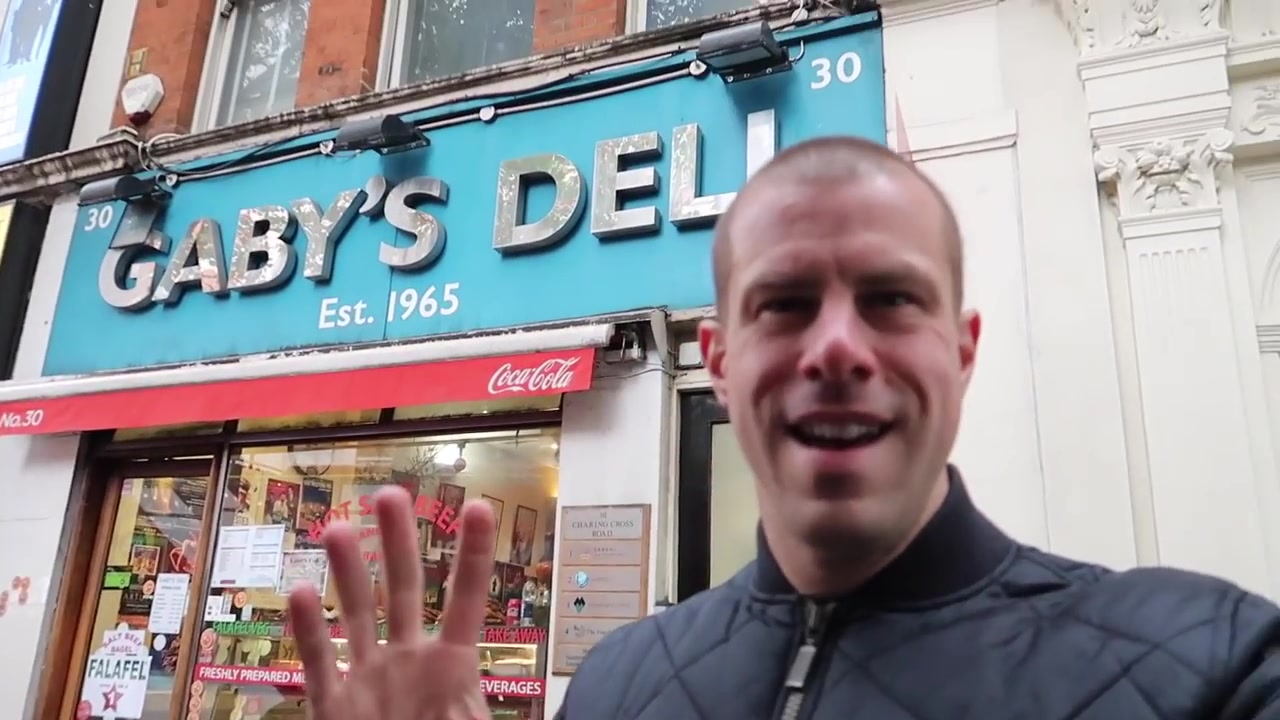
Gaby’s final week
Gaby’s had already survived one serious threat. In 2011, news that the deli might have to leave Charing Cross Road prompted a high-profile campaign to save it. The response showed just how deeply people valued the place, not only for its food but for the continuity and character it gave this part of central London.
Seven years later, the ending was final. Gaby was retiring, and the deli closed on 31 October 2018. This visit took place on the 27th, only four days before the last service. That timing gives the scenes inside a special weight. They capture an ordinary working day — food being prepared, customers waiting, the counter full — just before it disappeared.

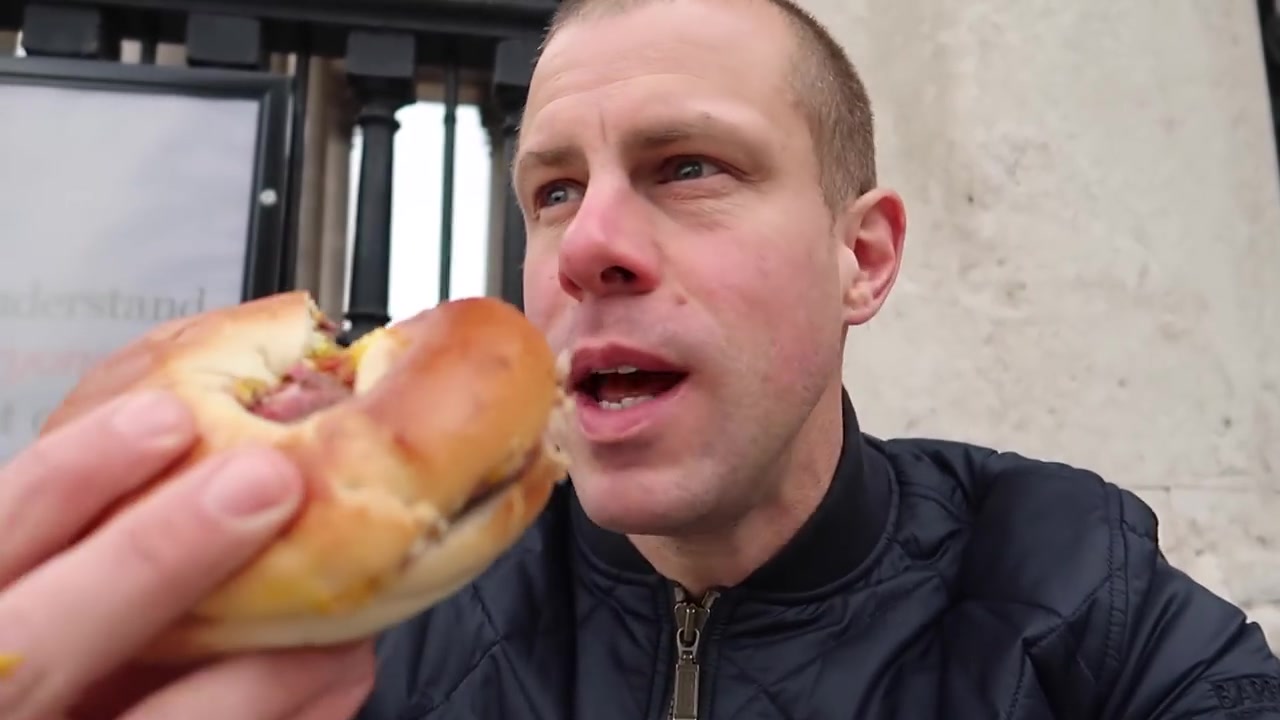
A salt beef bagel offers the simplest possible farewell. Eaten outside St Martin-in-the-Fields, it connects the deli visit back to the streets around Trafalgar Square. There is no grand ceremony, only the pleasure of familiar London food and the knowledge that the chance to buy it here is almost gone.
Back to Trafalgar Square
The film returns to Africa on the Square, where the main stage performances continue and a dance circle gathers in the crowd. The contrast with Gaby’s is striking but not jarring. Both places were created by migration, community and the habit of sharing culture in public. One was a large civic celebration; the other was a narrow, crowded deli. Each made central London feel more open and more human.
Coffee beneath St Martin-in-the-Fields
The day ends quietly with coffee in the Café in the Crypt beneath St Martin-in-the-Fields. Its brick vaults provide a calm coda after the crowds, music and Charing Cross Road traffic above. It is a small pause at the end of a film built from movement between very different London spaces.

A London record of two moments
Viewed now, the film is more than an event recap. Africa on the Square records a confident public celebration of African London during Black History Month. The Gaby’s Deli scenes preserve the look, atmosphere and food of an independent institution just before it vanished.
London changes quickly, and places that seem permanent can disappear within days. This 2018 journey from Trafalgar Square to Charing Cross Road and back again holds onto two forms of city life: culture performed on a grand stage and culture sustained quietly across a counter for more than half a century.

Recent Comments