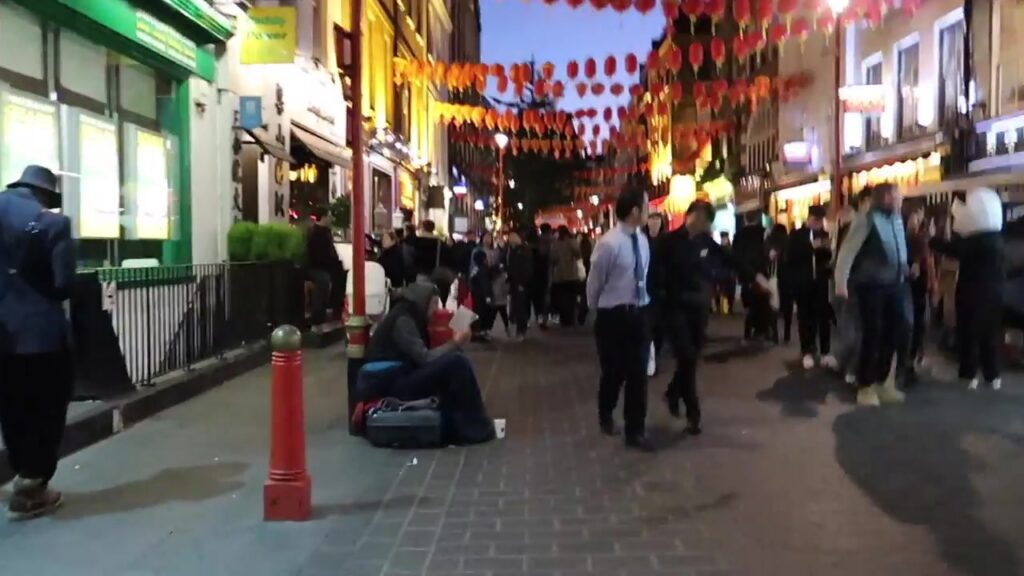
London’s Chinatown is at its most atmospheric after dark. Red lanterns stretch above the streets, restaurant windows glow against the evening and the district becomes a moving catalogue of places to eat. This Roberts London film, published on 30 September 2018, records an unhurried walk through Chinatown during the Mid-Autumn Festival period, with restaurants, a Chinese bakery, mooncakes, handmade dumplings and bubble tea forming the route.
Walking into Chinatown after dark
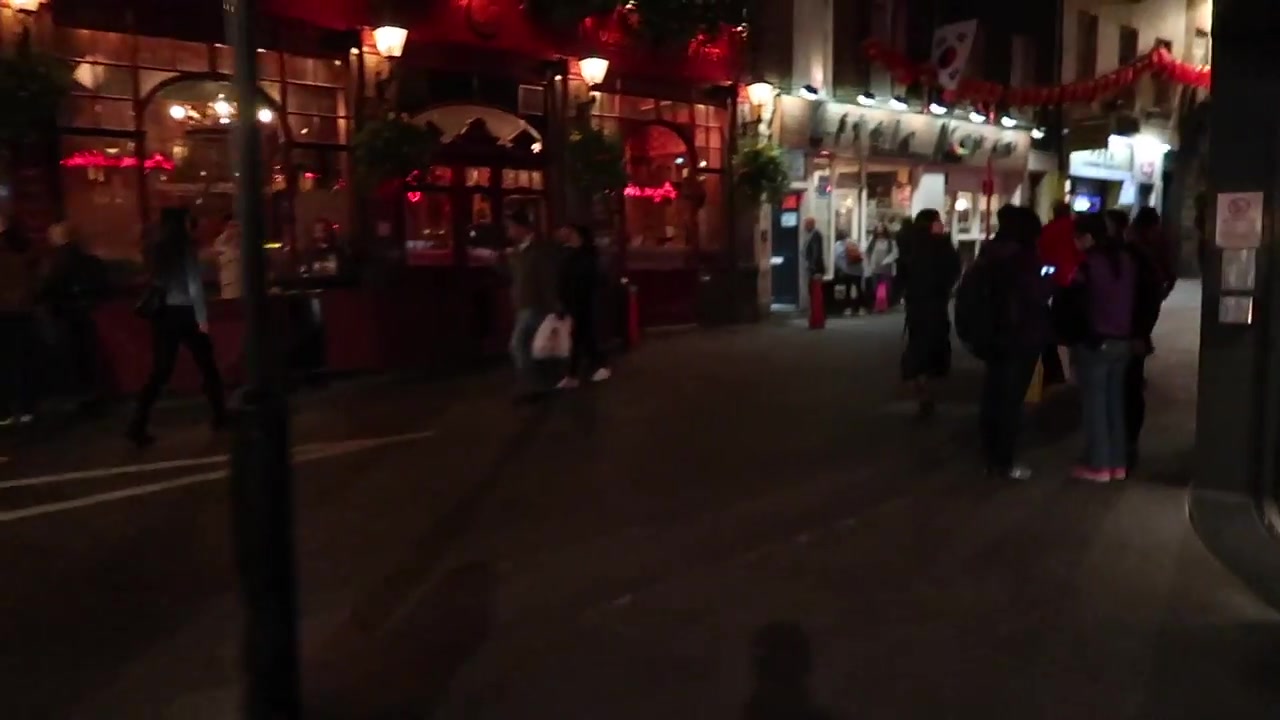
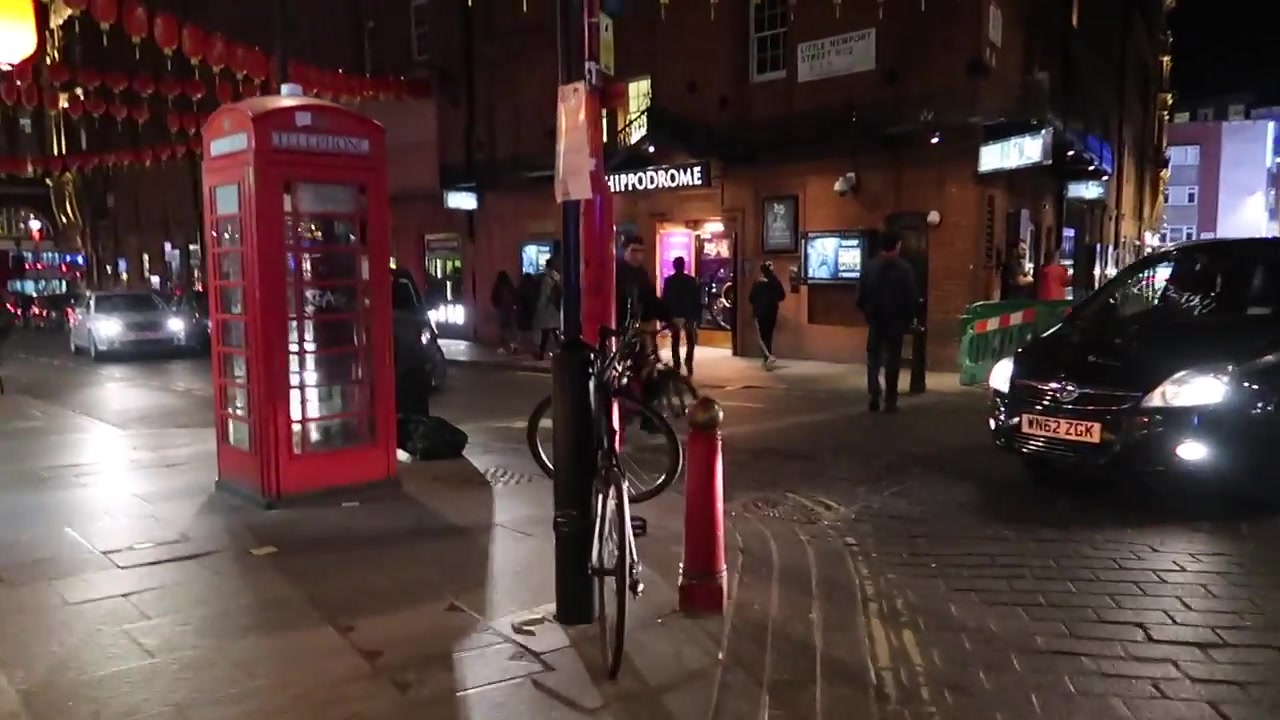
The film begins outside the district and approaches Chinatown as daylight gives way to evening. This gradual arrival matters. Chinatown is not experienced as a sealed attraction but as part of the dense centre of London, reached on foot from the surrounding theatres, shops and streets of Soho and the West End.
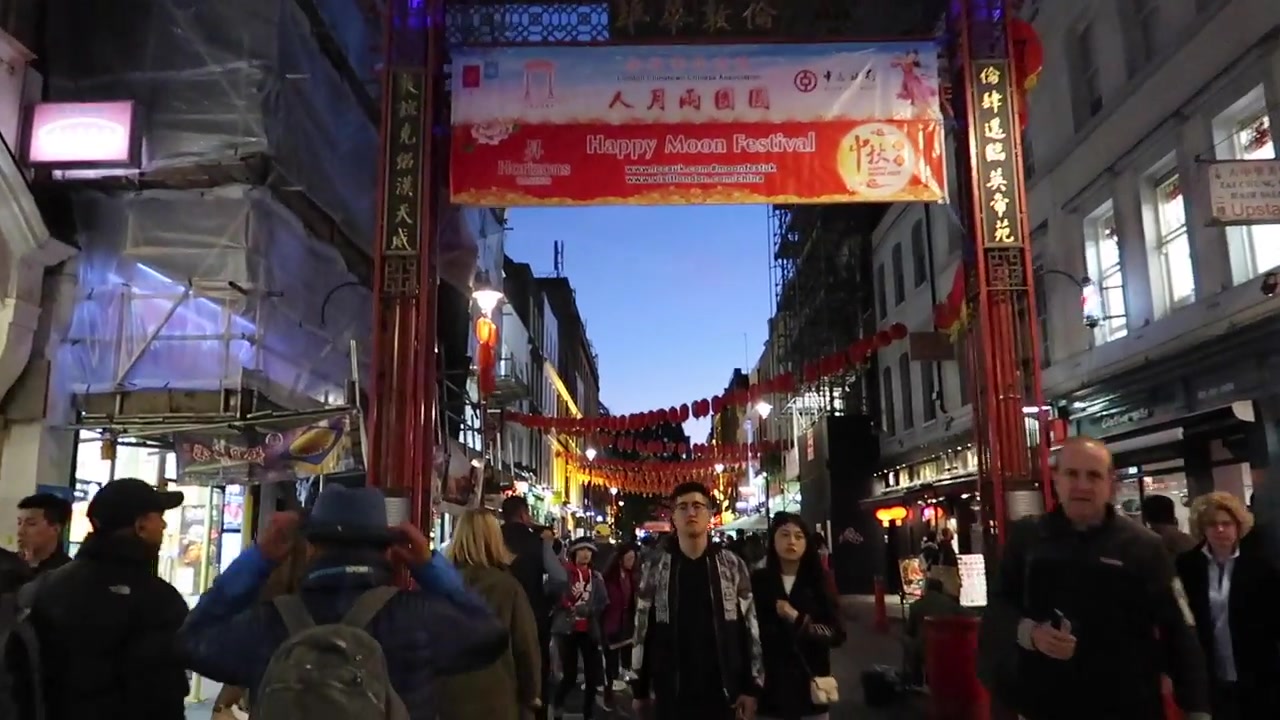
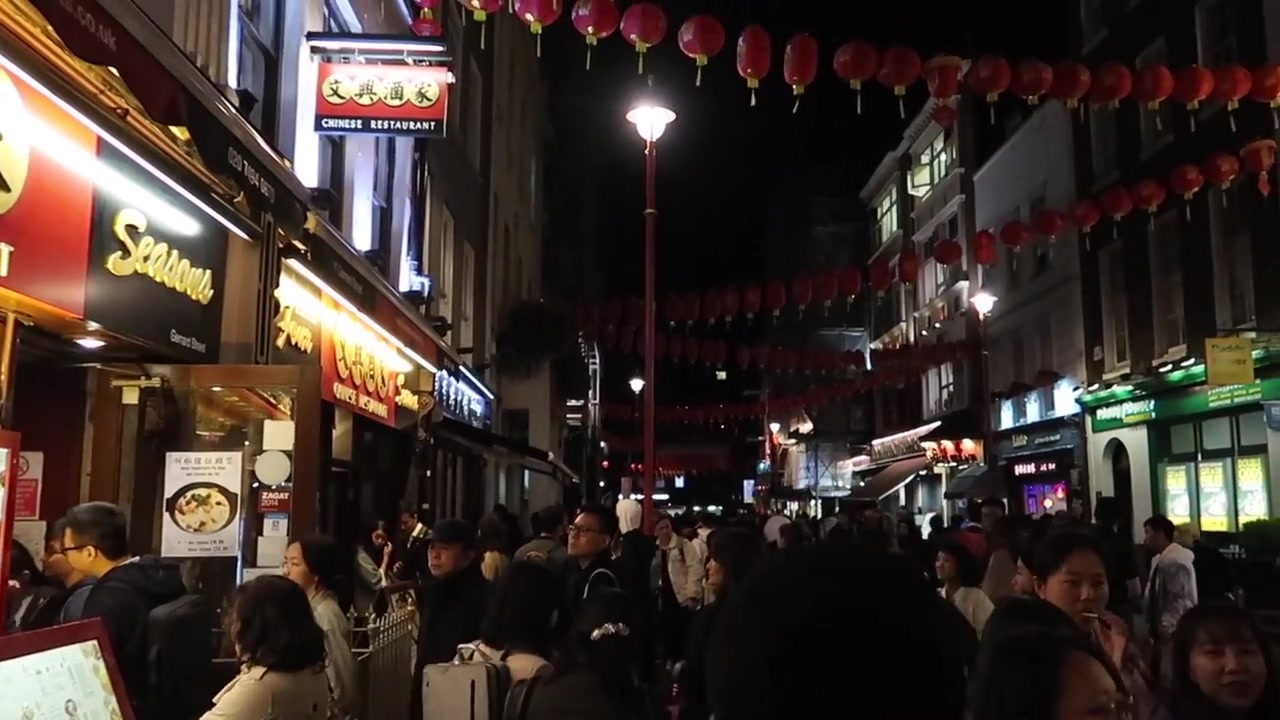
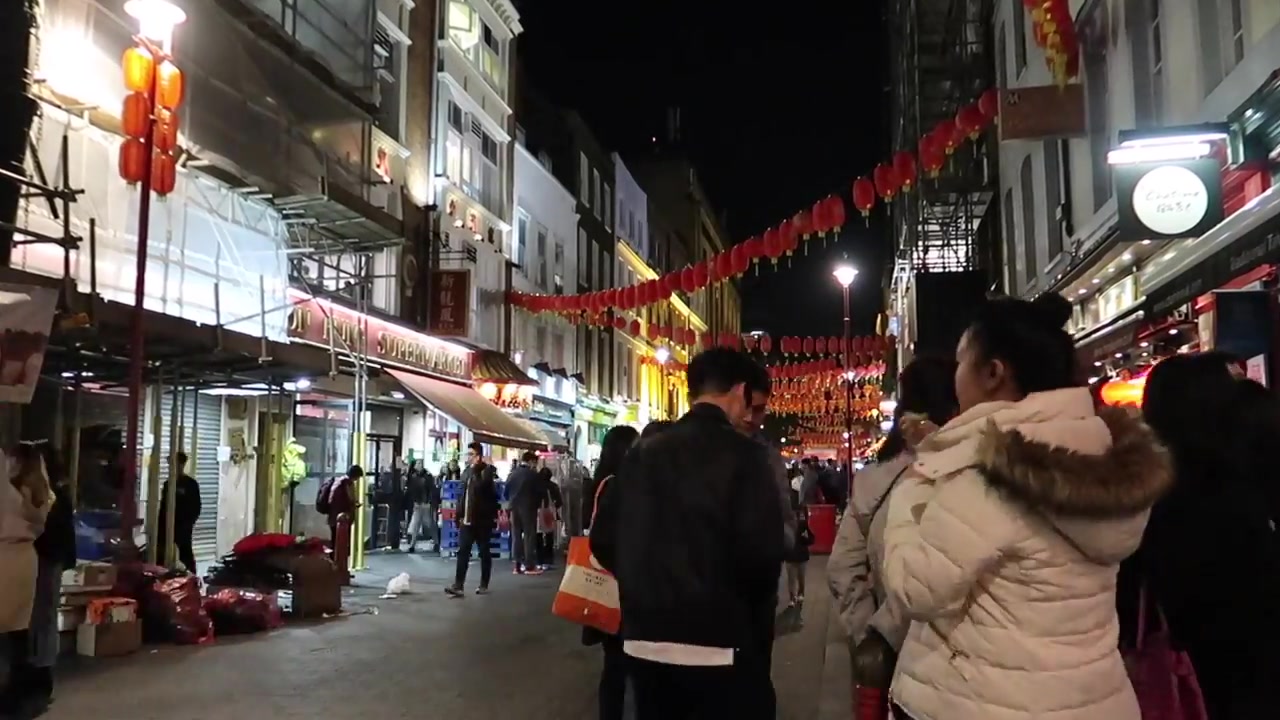
Once beneath the lanterns, the character of the streets changes. Signs, menus, kitchens and dining rooms compete for attention. The film does not attempt to pronounce one restaurant the definitive choice. Instead, it captures the familiar problem of walking through Chinatown with too many possibilities and trying to decide by looking through windows and reading menus.
A Chinatown bakery during the Mid-Autumn season
One of the most useful sections of the film is its visit to a Chinese bakery. The display contains decorated cakes and pastries, but the mooncakes place the recording firmly within the season. In 2018, the Mid-Autumn Festival fell on 24 September, six days before the video was published.
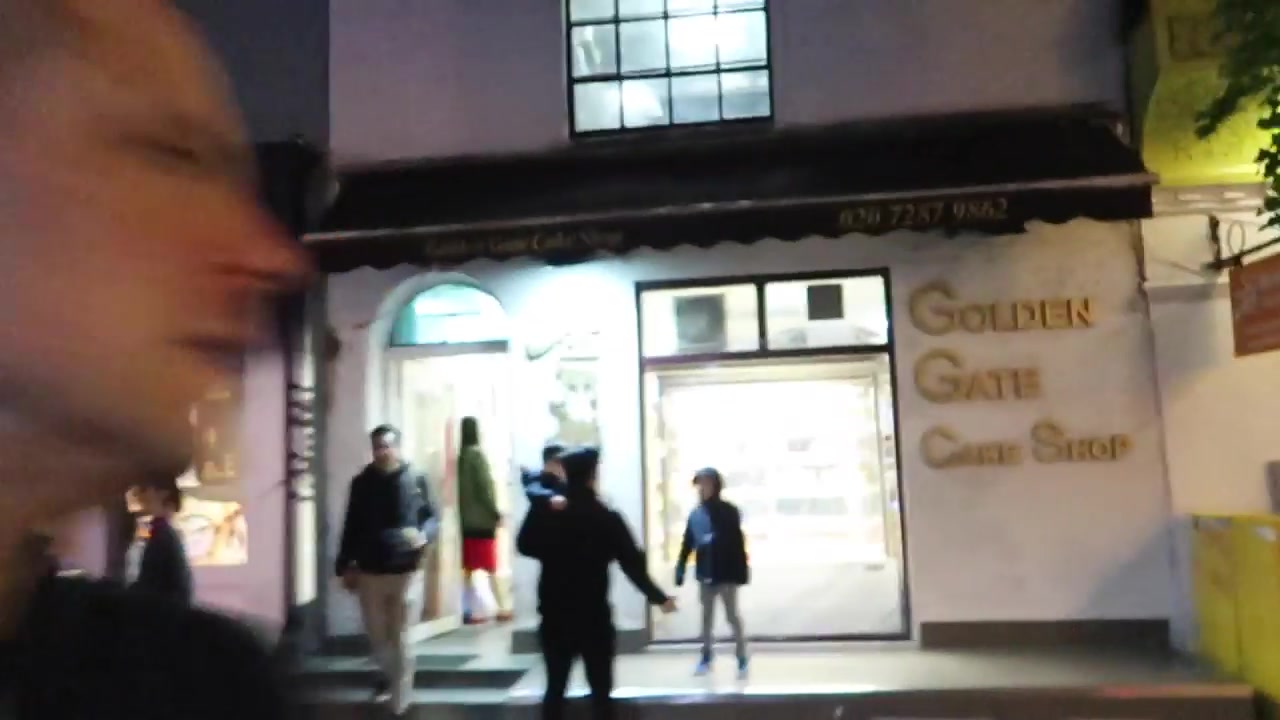
Mid-Autumn Festival, or Zhongqiu Jie, falls on the fifteenth day of the eighth month of the Chinese lunar calendar. It is associated with the full moon, family reunion and the sharing or gifting of mooncakes. Their round form has long carried ideas of completeness and unity. Traditional fillings can include lotus-seed paste, red-bean paste, nuts and salted egg yolk, while bakeries now offer a much wider range of regional and modern variations.
The value of the footage lies partly in this close observation. Rather than treating Chinatown only as decoration, it pauses at the bakery counter and shows the seasonal food that gave the evening its particular date and context.
Restaurants, handmade food and busy streets
Back outside, the route continues past restaurants and food businesses. Some of the most compelling views are through the windows, where preparation becomes part of the street. A cook shaping dumplings by hand offers a brief view of the work behind the meal, seen by anyone who stops long enough to look.
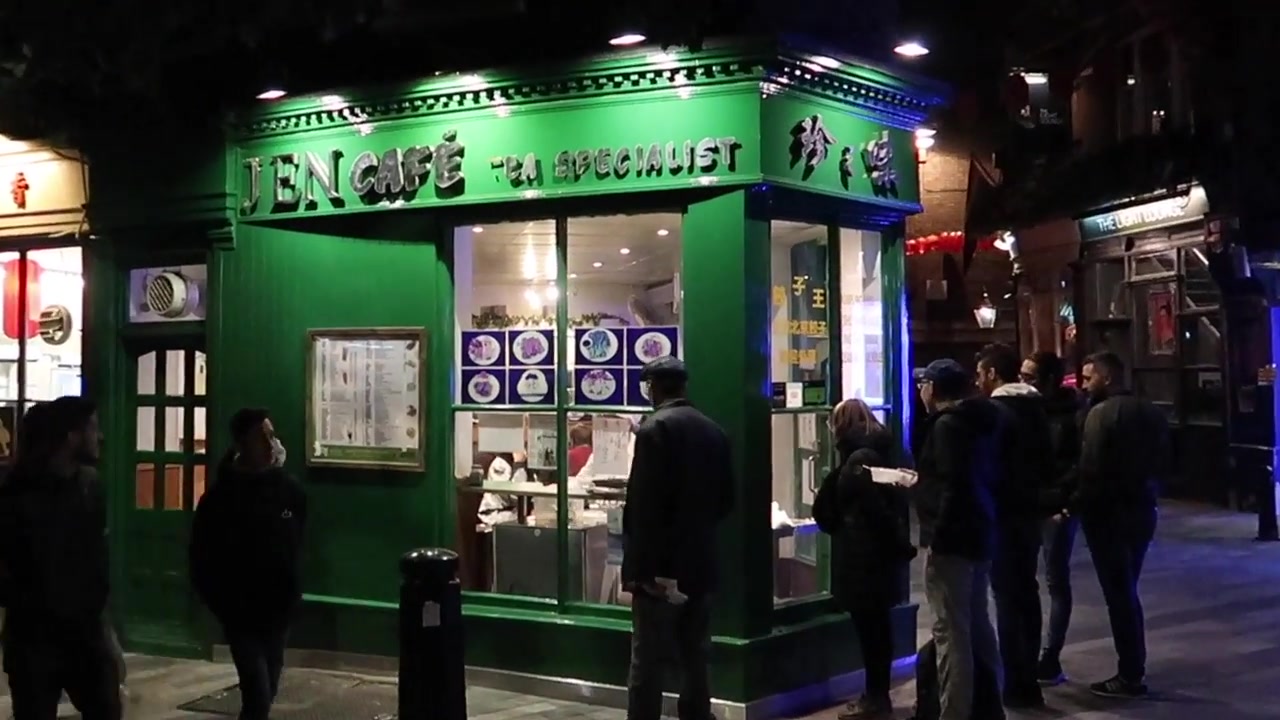
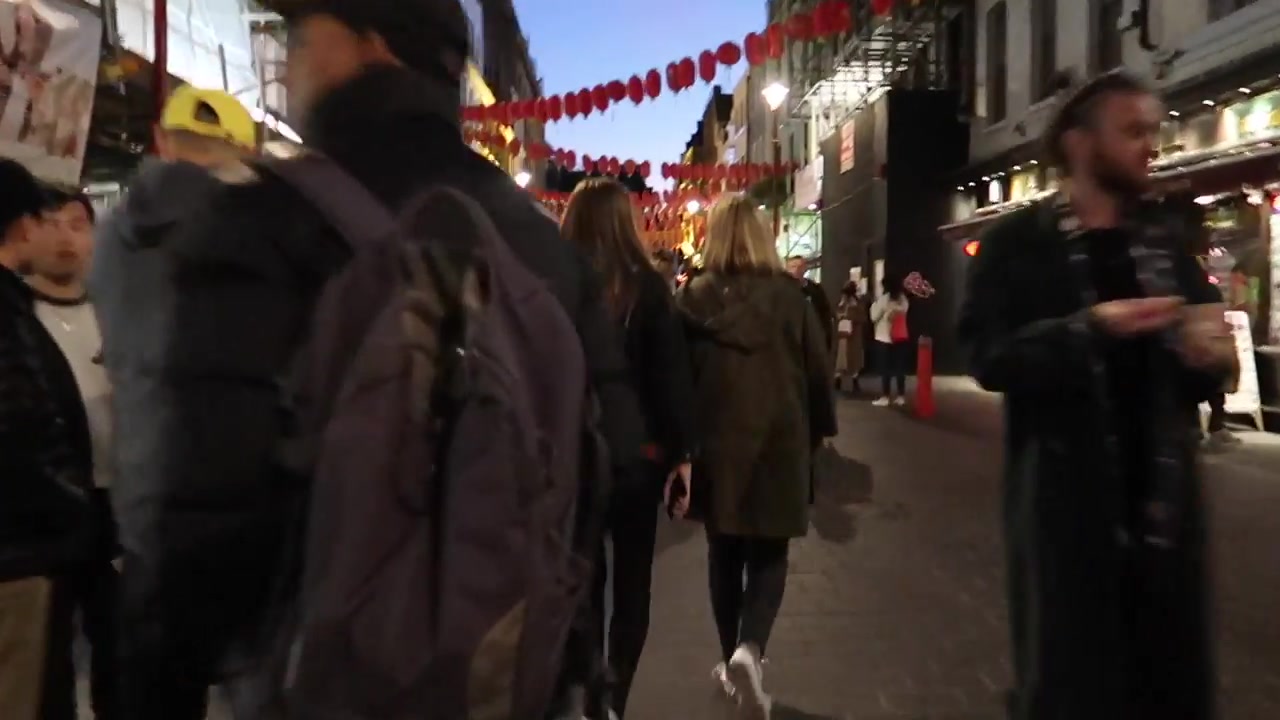
The camera returns repeatedly to the lanterns, gates and busy pavements. They provide the visual identity of the film, but the real subject is the district as a working hospitality quarter: cooks preparing food, diners choosing tables, people collecting bakery boxes and visitors moving between one possible meal and the next.
Bubble tea and the changing food landscape
The final food stop is bubble tea. By 2018 it was already a familiar part of Chinatown, adding another layer to a district whose food culture has never been static. The tapioca pearls, sealed cup and wide straw provide a distinctly contemporary ending after the more traditional bakery and mooncake sequence.
The contrast is not presented as old Chinatown giving way to new Chinatown. Both exist together: mooncakes connected with a long-established festival, dumplings made visibly by hand, crowded restaurants and a modern takeaway drink all occupy the same short evening walk.
A Roberts London archive film
Seen now, the video is also a record of Chinatown at a particular moment. Restaurant names, shopfronts and food fashions change, but the essential rhythm remains recognisable: arriving beneath the gates, walking under the lanterns, examining menus, looking into kitchens and leaving with something to eat or drink.
Published on 30 September 2018, the film preserves one autumn evening in that continuing London story.

Recent Comments