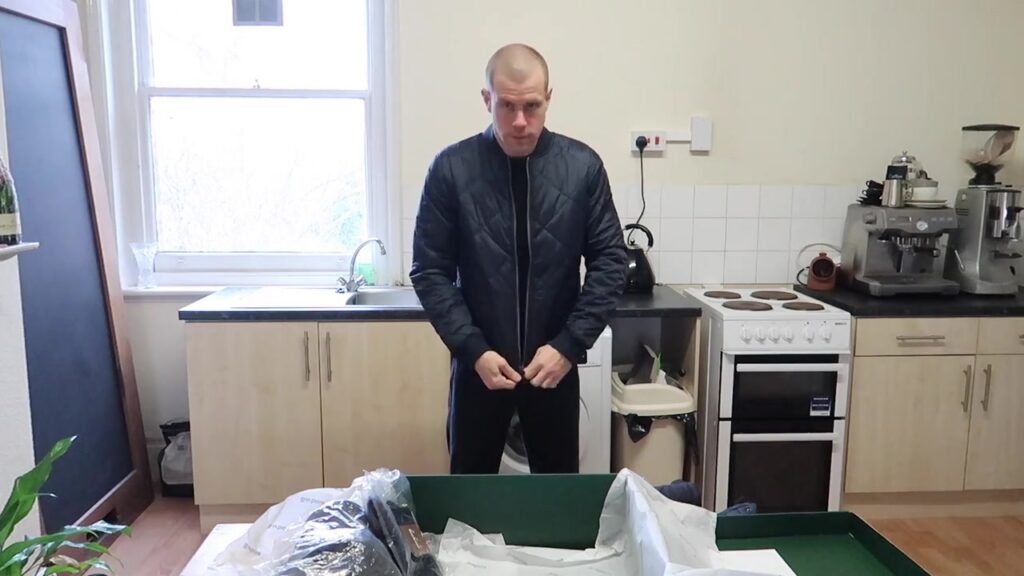
A 2018 Roberts London wardrobe film about continuity, practical British outerwear and choosing a quilted bomber jacket for long days filming the city.
Archive note: This film was published on YouTube on 14 January 2018. This Journal adaptation was prepared in August 2026 and retains the original publication date for archive chronology. The jacket, hats, prices, product range and filming plans describe the position in 2018; current Barbour products and specifications may differ.
Clothes appear in a film whether or not the film is about clothes. In a Roberts London walk through a market, shop or winter street, the coat and hat are usually supporting details. They need to deal with the weather, carry small pieces of equipment and remain visually consistent while the place itself stays at the centre of the story.
This archive film from January 2018 brought that normally invisible decision into view. It began with the clothing used in earlier Roberts London films—a Cordings cap, a Barbour Beaufort wax jacket and a quilted jacket by John Partridge—before opening a new Barbour delivery containing a navy Barbour International Steve McQueen quilted bomber jacket and two hats.
It was partly an unboxing, but it also became a useful note on continuity, utility and the difference between dressing for a camera and simply getting dressed.
A wardrobe chosen for the edit
The most practical observation arrives near the beginning. A London film might be recorded across several days, but the finished sequence should feel continuous. Wearing the same recognisable coat and hat allows shots from different dates to be placed together without the edit advertising every change in the filming schedule.
That consistency is not an attempt to make every outing look identical. It removes an unnecessary distraction. A viewer can follow the street, object or conversation rather than wondering why the presenter’s clothes suddenly changed halfway through a walk.
It also makes the archive easier to use. If an overlooked piece of footage proves useful later, a stable field wardrobe gives the editor more freedom to move it within the chronology. Clothing becomes a quiet part of production design.
Style that does not date the film too quickly
The film makes a distinction between style and fashion. Fashion responds to a particular moment; a practical filming wardrobe needs to survive the moment in which it was bought.
That does not mean dressing without character. The Cordings cap, Barbour wax jacket and shorter quilted coats are all recognisable choices. Their value is that they already belong to established types of British clothing. They can absorb wear, weather and repetition without making every frame feel tied to a short-lived trend.
Eight years later, the film inevitably looks like an archive record. Cameras, editing systems and individual products change. The underlying clothes still make sense because they were chosen for function and proportion before novelty.
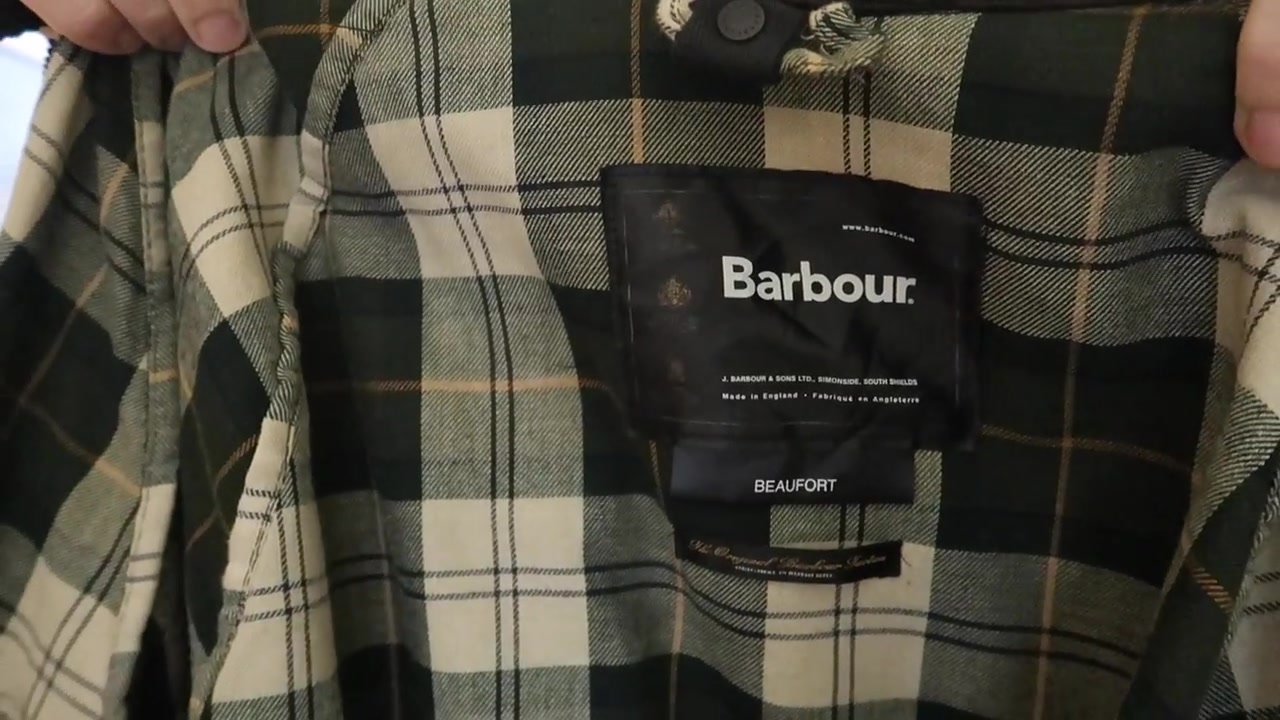
The working kit before the new jacket
The existing Barbour Beaufort had a generous advantage: pockets. When filming alone, a coat can become a small equipment case for compact cameras, batteries, cards and accessories. The waxed cotton also gave the jacket a maintenance story of its own. It needed periodic re-waxing, something recorded in the separate Roberts London guide to re-waxing a Barbour jacket.
The older quilted jacket offered a lighter alternative, while the Cordings cap had become sufficiently associated with the films that viewers and people in the street asked where it came from. Together they formed a practical visual shorthand.
The problem was not that the wardrobe had stopped working. Barry Roberts simply wanted a change for the next group of films—one that would still look coherent when repeated through the season.
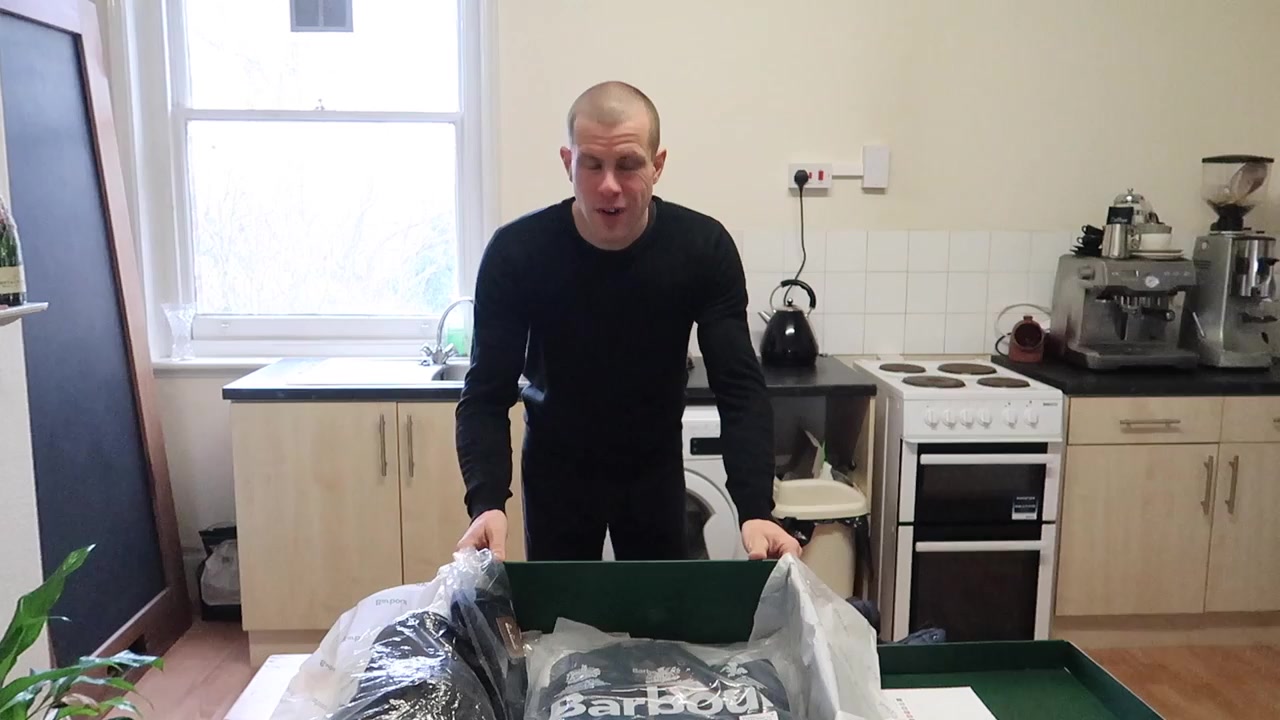
Opening the Barbour International delivery
The new jacket arrived in a large green Barbour box. It was described in the film as a Barbour International Steve McQueen quilted bomber jacket: navy, shorter than the Beaufort and more American in its references than the country clothing most closely associated with the wider Barbour name.
The Steve McQueen connection was not the reason for choosing it. The shape was. A short bomber was easy to wear, visually neat in the head-and-shoulders framing used for many Roberts London films and different enough from the Beaufort to refresh the wardrobe without abandoning it.
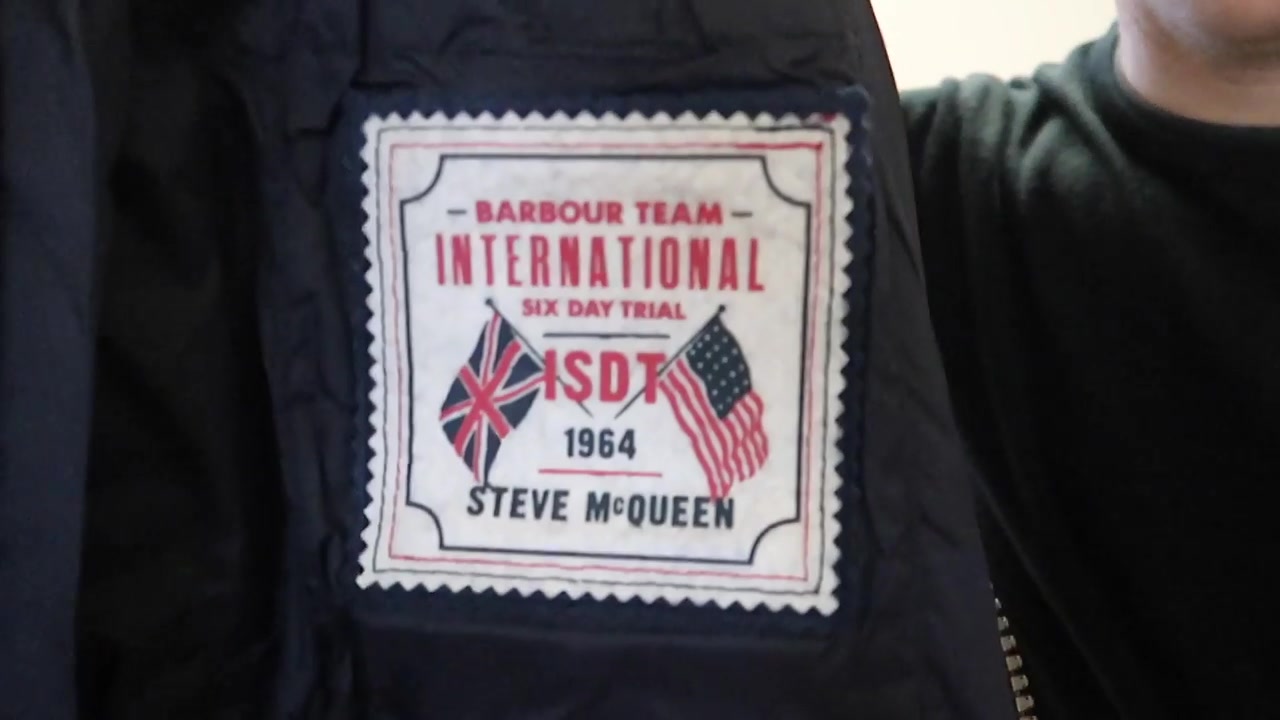
Barbour International’s motorcycle identity gives the branding its context. Barbour traces the International jacket to 1936 and records that Steve McQueen and the American team wore Barbour Internationals at the 1964 International Six Day Trials in East Germany. Later Steve McQueen collections translated that association into contemporary clothing, including pieces that were not themselves motorcycle equipment.
The jacket shown here belongs to that later design world. Its visible reference is an embroidered Barbour International and Steve McQueen patch on the sleeve. In the film, Barry is candid that he would have preferred the same jacket without the embroidery. The attraction was the garment rather than the celebrity name.
That distinction improves the review. Brand history may explain a design, but it should not substitute for assessing the object in front of you.
What changed when the jacket went on
The shorter quilted jacket created a cleaner silhouette, but the change came with a practical compromise. It did not have the Beaufort’s extensive storage. Compact cameras would fit, and there was an inside pocket, but more of the filming kit would need to live elsewhere.
That is the sort of detail that only appears after clothing meets actual work. A coat can look right in a room and still prove awkward on a long day outside. Conversely, a jacket with modest technical ambitions can become indispensable because it is comfortable, easy to repeat and unobtrusive on camera.
The 2018 film was an initial fitting rather than a long-term verdict. It records why the jacket was selected and what it was expected to do. It does not pretend to report years of wear that had not yet happened.
Two hats and one lighting problem
The delivery also contained two navy hats. The first was a flecked knitted pom hat for the coldest London days. The second was a Barbour wax sports cap using the waxed-cotton language of the Beaufort in a smaller piece.
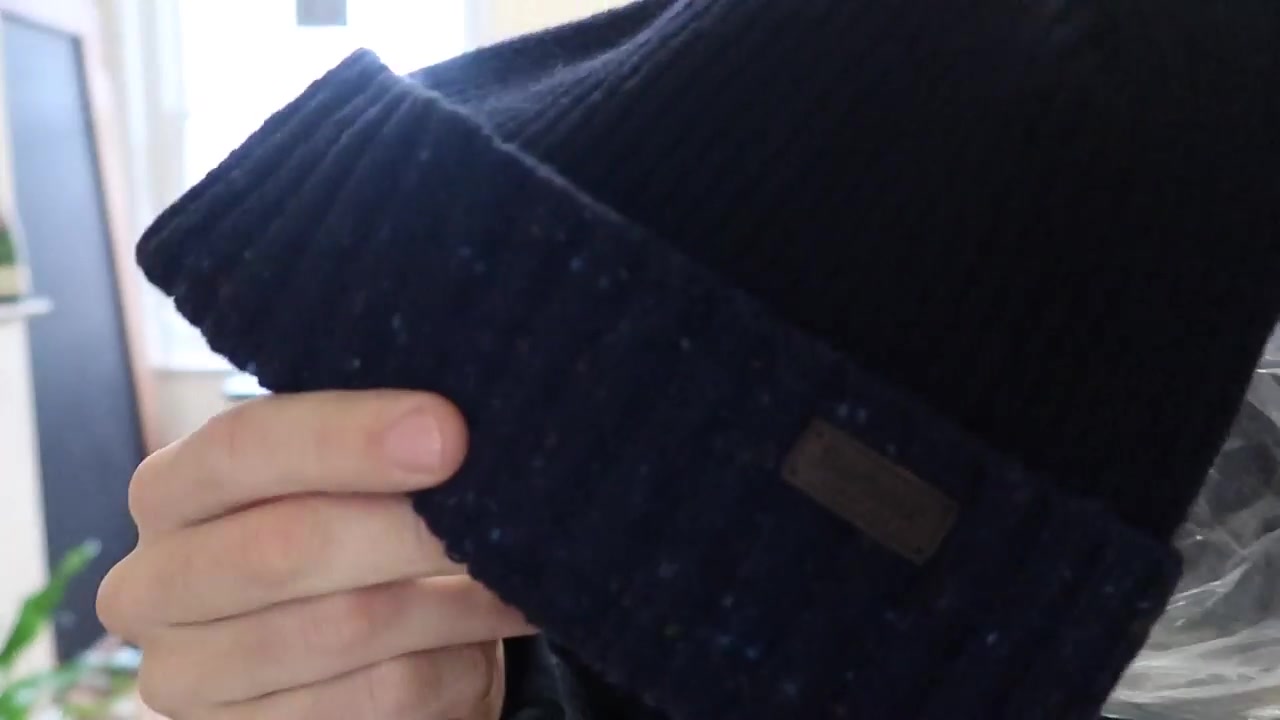
The cap immediately exposed a camera problem. A brim can throw a shadow across the face, especially in close framing or when the principal light is high. What works perfectly well while walking through London may look unnecessarily dark when the footage is reviewed.
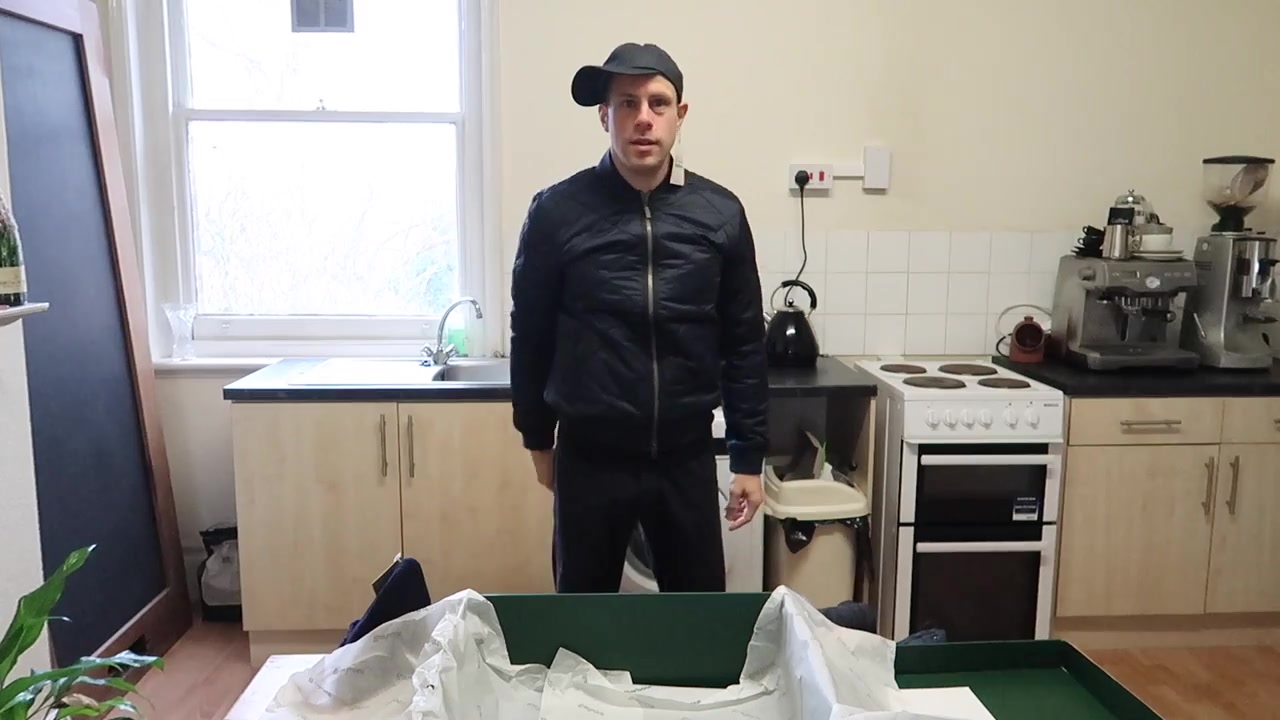
The solution was not theoretical. The cap would have to be tested in the actual light used for the films. If it obscured the face, the familiar Cordings cap could return. A wardrobe chosen for filming has to answer to the image as well as the mirror.
What the archive film still explains
Seen now, the particular jacket is only one part of the record. The more durable lesson is that a small publication benefits from a recognisable, practical field wardrobe.
It should allow movement, tolerate weather, carry what it reasonably can and remain consistent across a complicated edit. It should also feel natural enough that it does not become the subject of every frame.
There is a wider Roberts London method in that approach. Choose things that can be used repeatedly. Maintain them. Let them acquire a record. Replace them when the work demands something different rather than because a season has changed.
The navy Barbour International jacket, knitted hat and wax cap entered the films as wardrobe. Eight years later, the video preserves the reasoning behind them—and turns an ordinary delivery into a small document of how Roberts London was being made.
Filed in Notebook.

Recent Comments