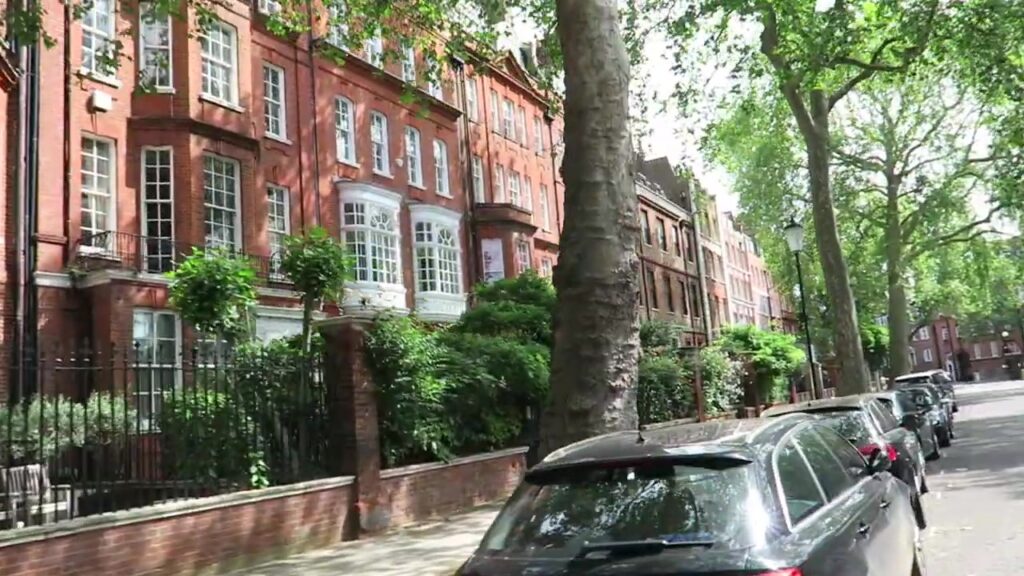
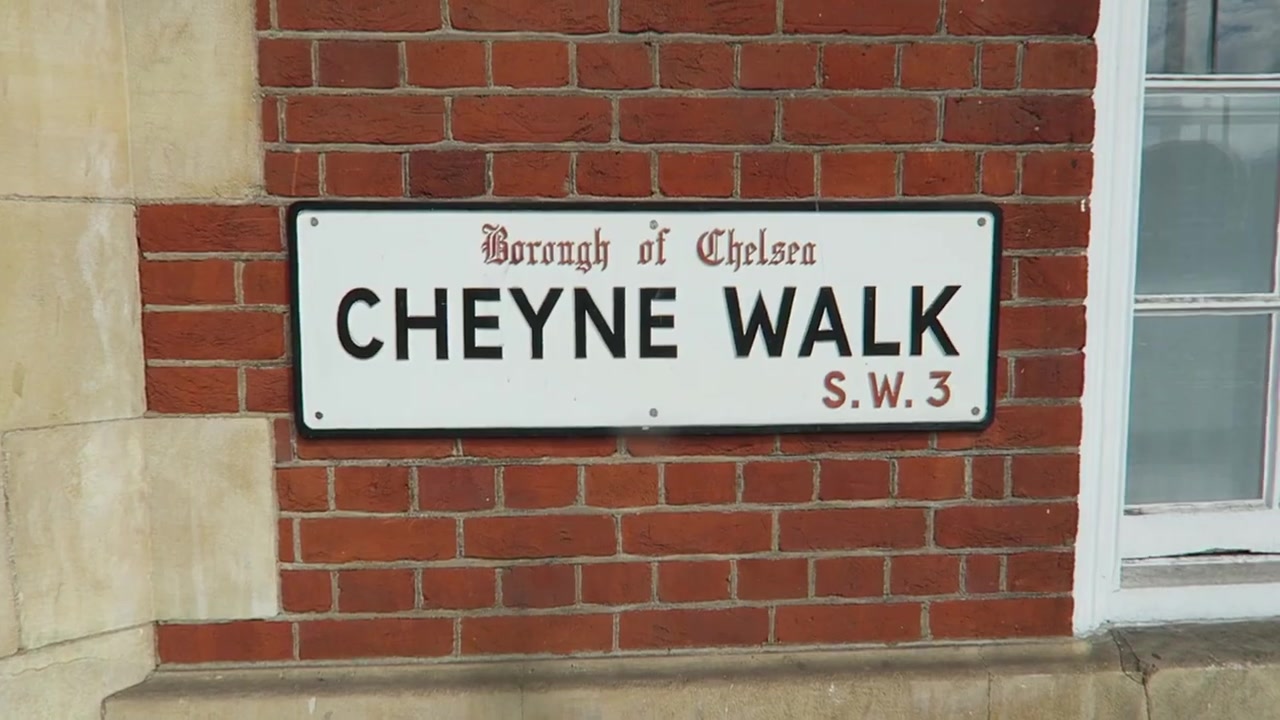
Cheyne Walk in Chelsea is one of those London streets where the buildings seem to hold several centuries at once. Facing the Thames and running west from the old heart of Chelsea, it combines early Georgian houses, later red-brick terraces, iron gates, mature trees and the traces of residents who made their names in art, literature and music.
This Roberts London film was made on 26 September 2016. It follows Barry Roberts along the street in search of the addresses associated with the Rolling Stones, but the walk reveals a much broader story: Cheyne Walk is as much about the character of Chelsea as it is about celebrity.
A Thames-side street shaped by time
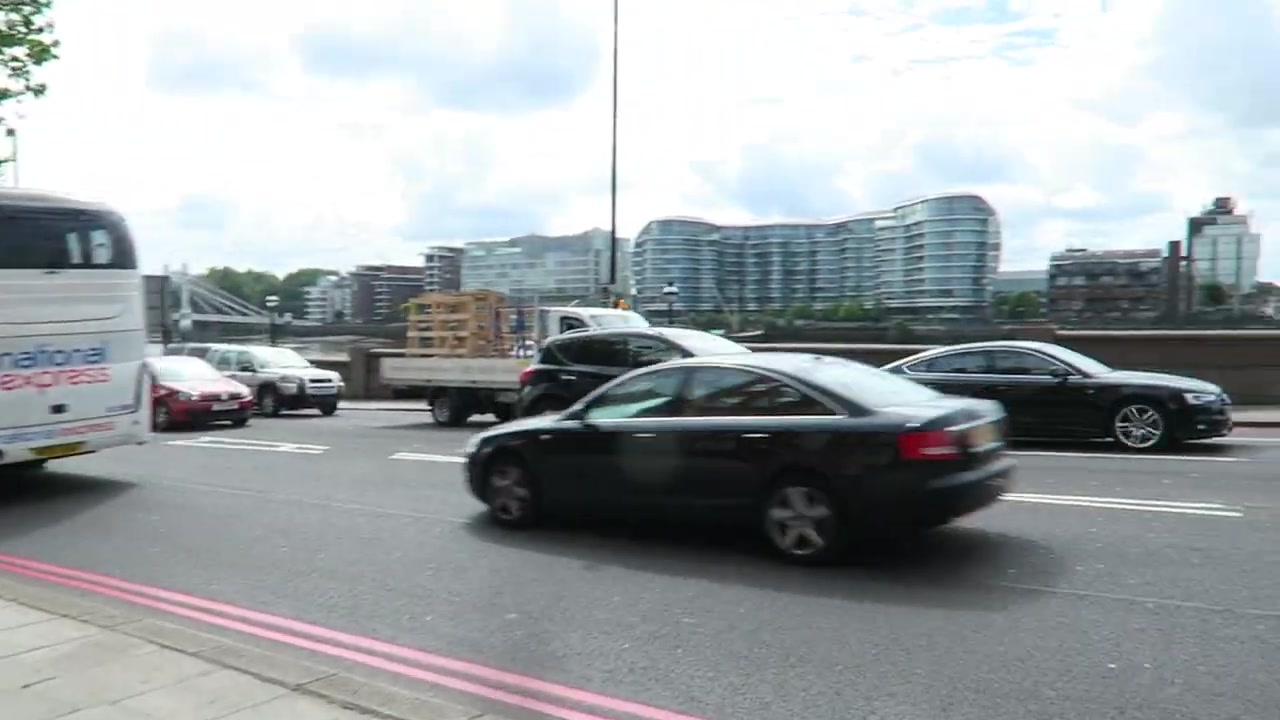
Cheyne Walk once met the river more directly. Today Chelsea Embankment carries traffic between the houses and the Thames, yet the river still explains the street’s open southern light and enduring appeal. The surroundings change as the film moves west: tight Georgian frontages give way to trees, garden walls and larger nineteenth-century houses.
The architecture is not one uniform set piece. Historic England dates several of the eastern houses to about 1717 or 1718. Number 3 is listed at Grade II, while numbers 4, 5, 6 and 15 are Grade II*. Their brickwork, sash windows, balconies, doorcases and iron railings create the visual rhythm that makes this part of Chelsea so distinctive.
Why it became “Rolling Stones Row”
The film’s central thread is the street’s association with the Rolling Stones. Keith Richards lived at number 3, while Mick Jagger and Marianne Faithfull lived at number 48. Ronnie Wood later owned number 103 as an investment. Those three addresses, spread along the walk, helped create the informal nickname “Rolling Stones Row”.
What matters is not simply that famous musicians once had Chelsea addresses. Their presence connects the grand domestic architecture of Cheyne Walk with the cultural energy of 1960s and 1970s London. The Stones were changing British music while living among houses already carrying long histories of writers, painters and patrons.
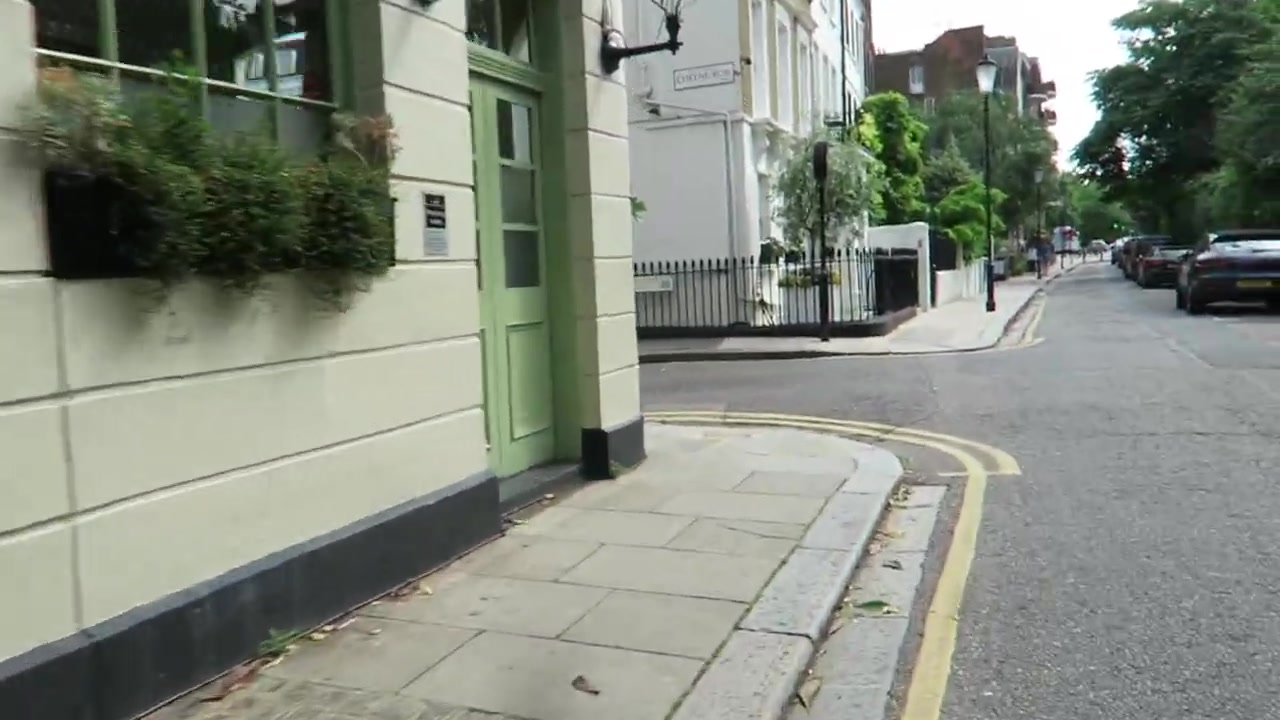
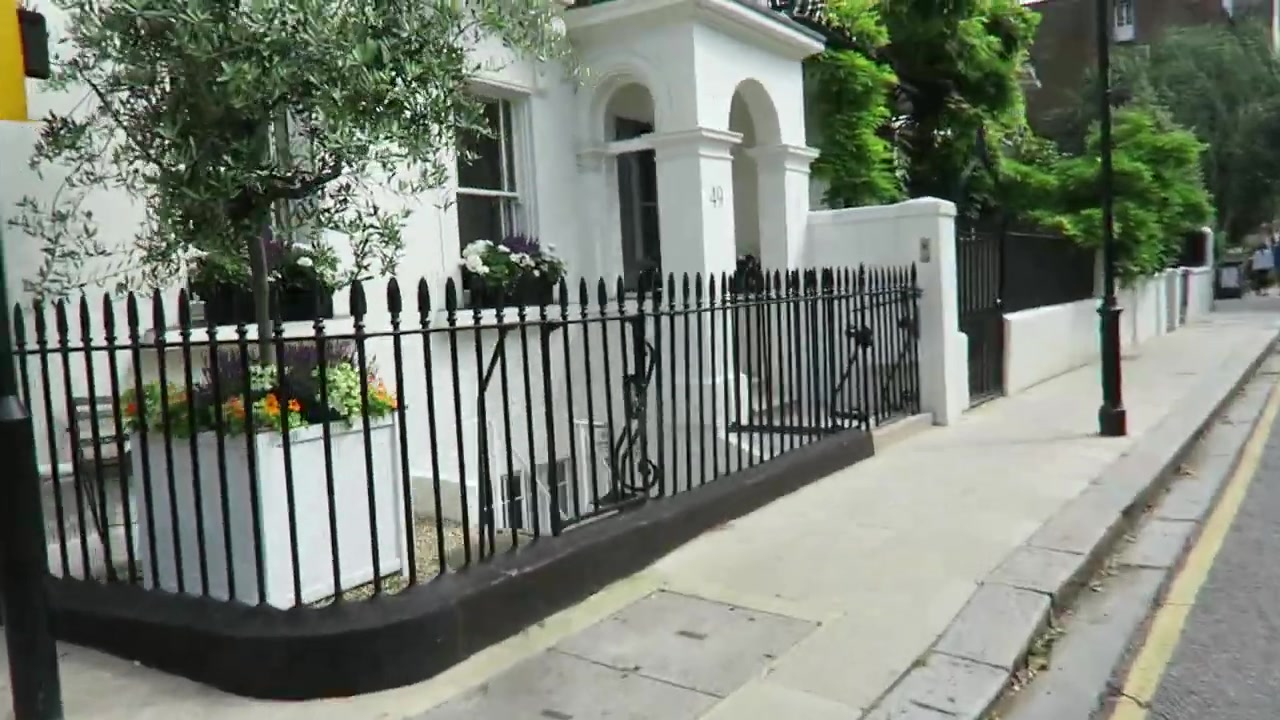
The 2016 walk treats these buildings from the public street. It does not need interiors or private detail to make the point. Old brick, high gates, carefully planted front gardens and glimpses of the river explain why Cheyne Walk has attracted generations of wealthy and creative residents.
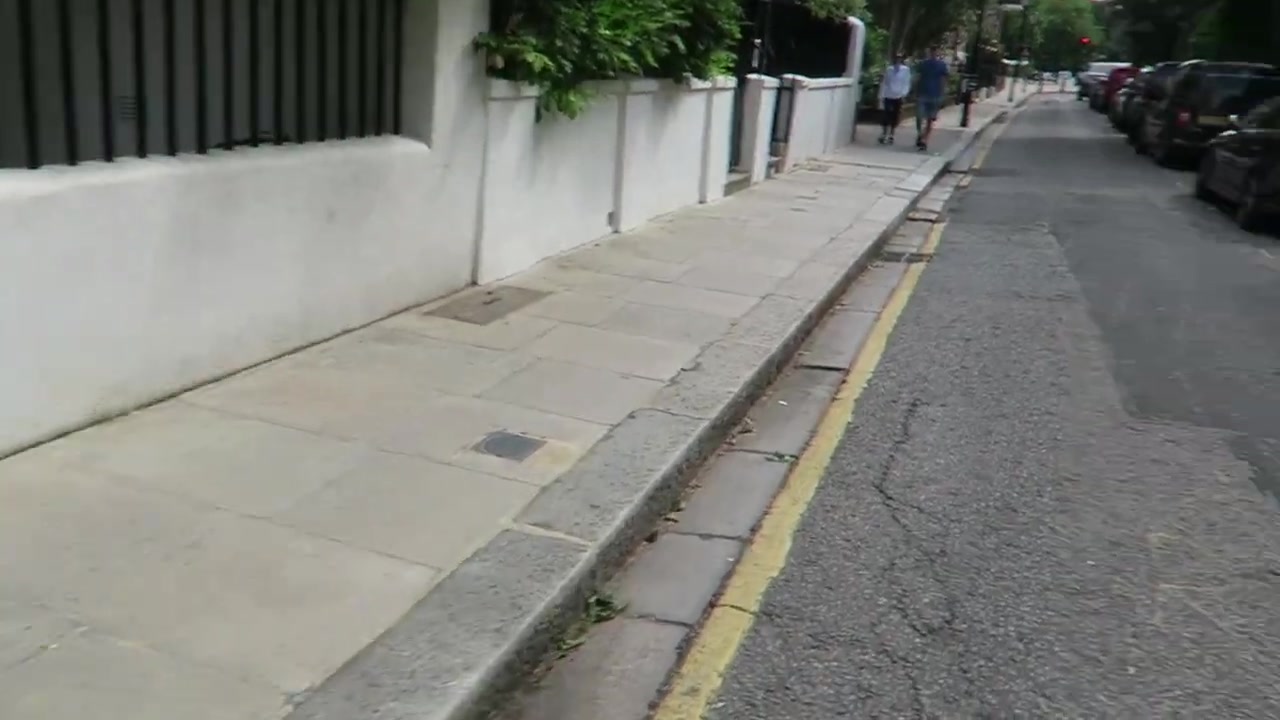
Artists and writers before the rock stars
Cheyne Walk’s creative reputation was established long before rock music. George Eliot moved to number 4 with John Walter Cross in December 1880. English Heritage records that she enjoyed river views and small musical gatherings there before dying later that month. The Grade II* house still carries the plaque commemorating her.
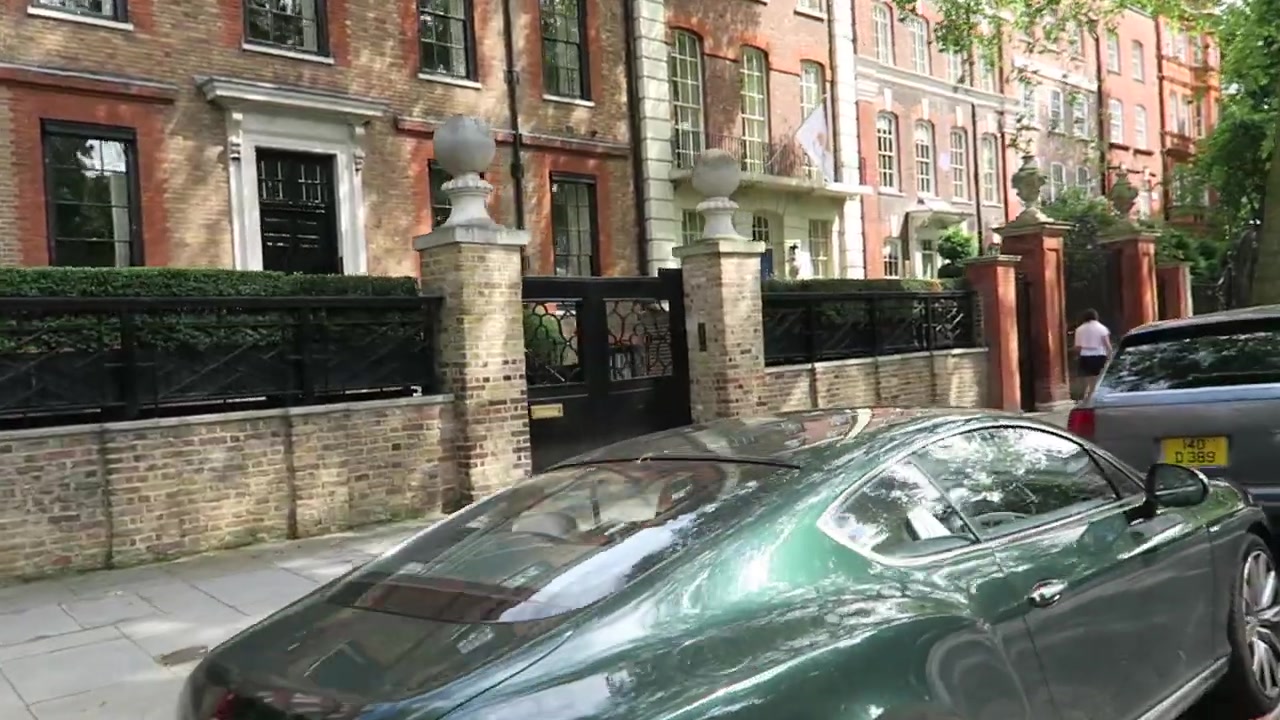
At number 16, Dante Gabriel Rossetti and Algernon Charles Swinburne are remembered by another plaque. Historic England describes Queen’s House as a Grade II* building dating from 1717, with later alterations. Farther west, numbers 118 and 119 are listed at Grade II; number 119 was the final home of J. M. W. Turner, who died there in 1851.
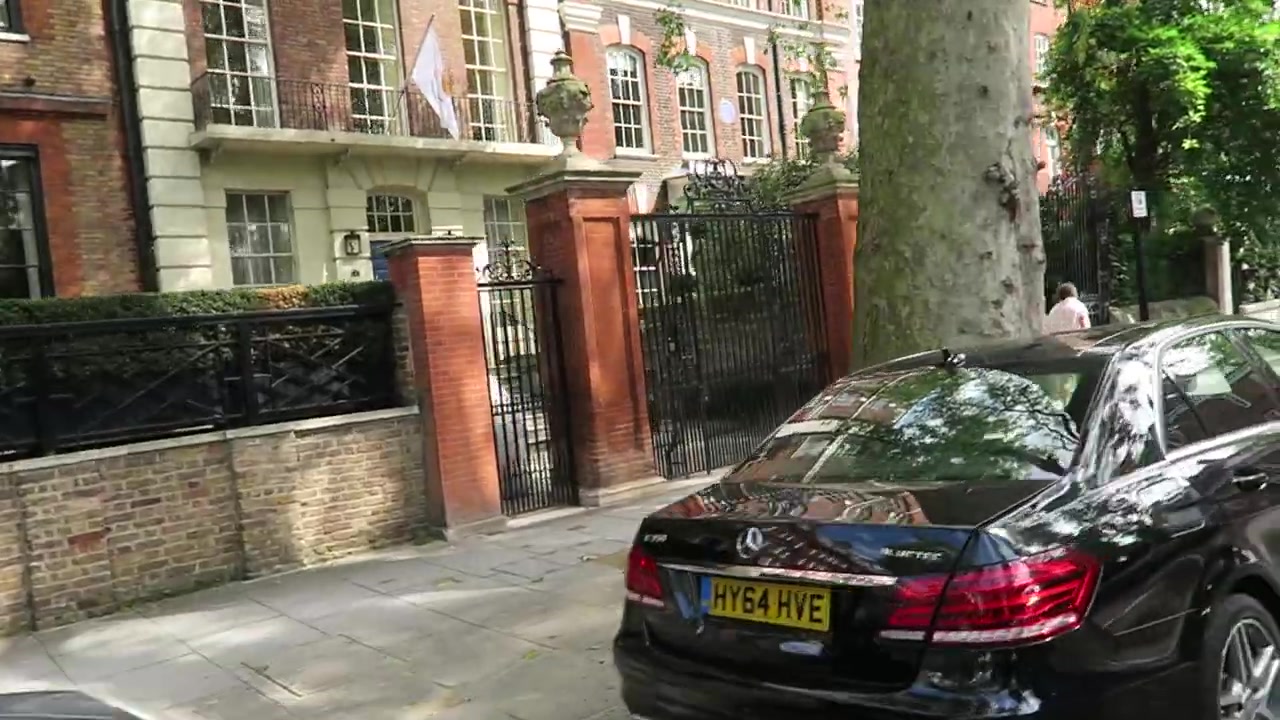
These connections are more than a roll call of celebrated names. They show how Chelsea’s river edge became a place where domestic life and creative work repeatedly met. A novelist listened to music overlooking the Thames; painters found subjects and studio space; generations later, musicians found privacy within reach of central London.
Reading the architecture as you walk
The best way to see Cheyne Walk is slowly. Look beyond individual house numbers and notice the recurring details: red gauged-brick arches over windows, painted stucco at ground level, iron balconies, carved door surrounds and the changing distance between pavement and front door.
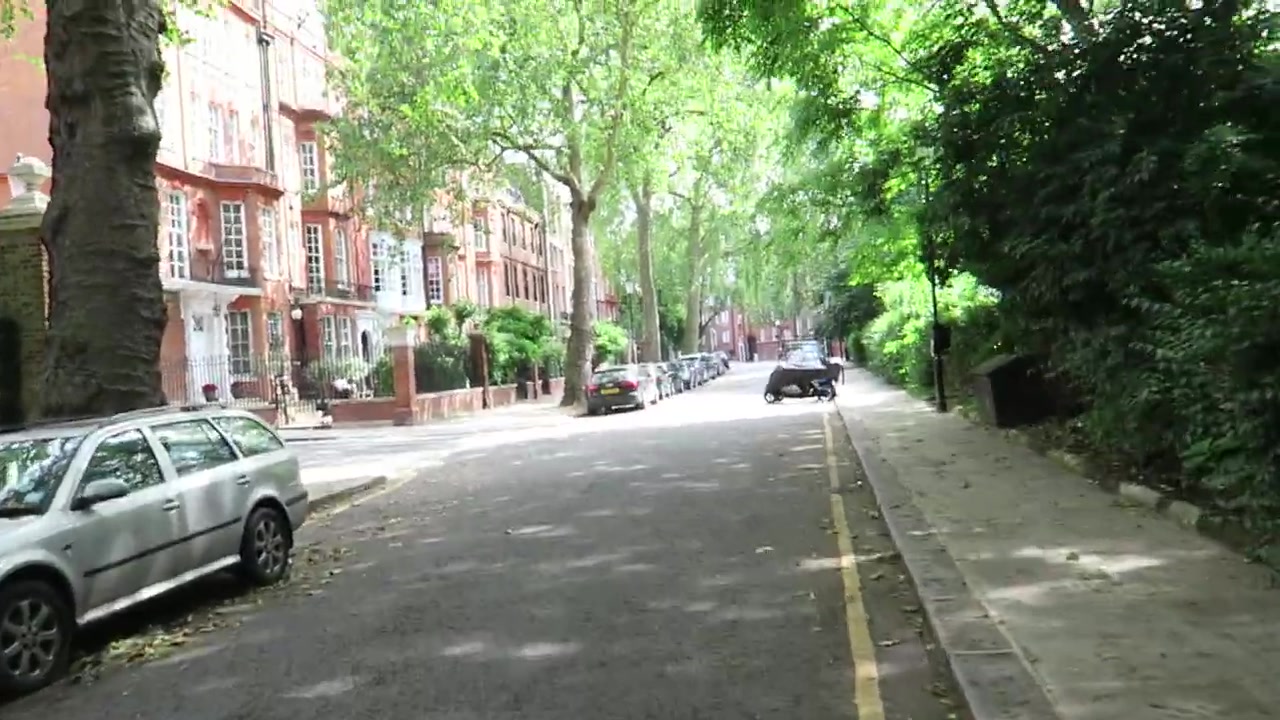
The street also resists a single architectural label. Numbers 27 to 30 form a small red-brick crescent dating from 1862. Number 39, built around 1900, introduces Arts and Crafts character and Art Nouveau ironwork. These later buildings sit alongside the early eighteenth-century houses without erasing them, giving the walk its layered quality.
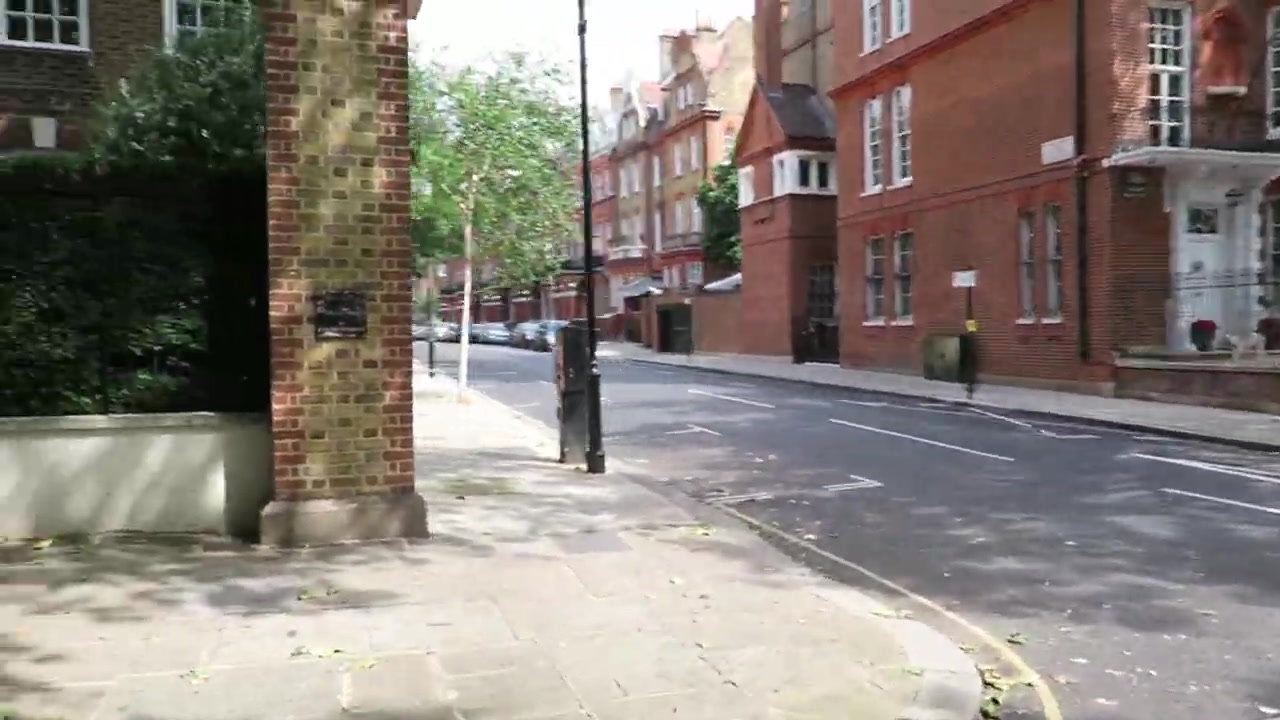
The gates and railings deserve attention too. Historic England separately lists the eighteenth-century forecourt railings and gate at number 4, describing them as especially fine wrought ironwork. Features that might seem decorative are part of the street’s protected historic fabric.
A Roberts London archive walk
Seen nearly a decade after it was filmed, the walk works as a record of both place and method. Barry begins with the Rolling Stones, then lets the street itself take over: signs, doorways, façades, trees and turns in the road become the story.
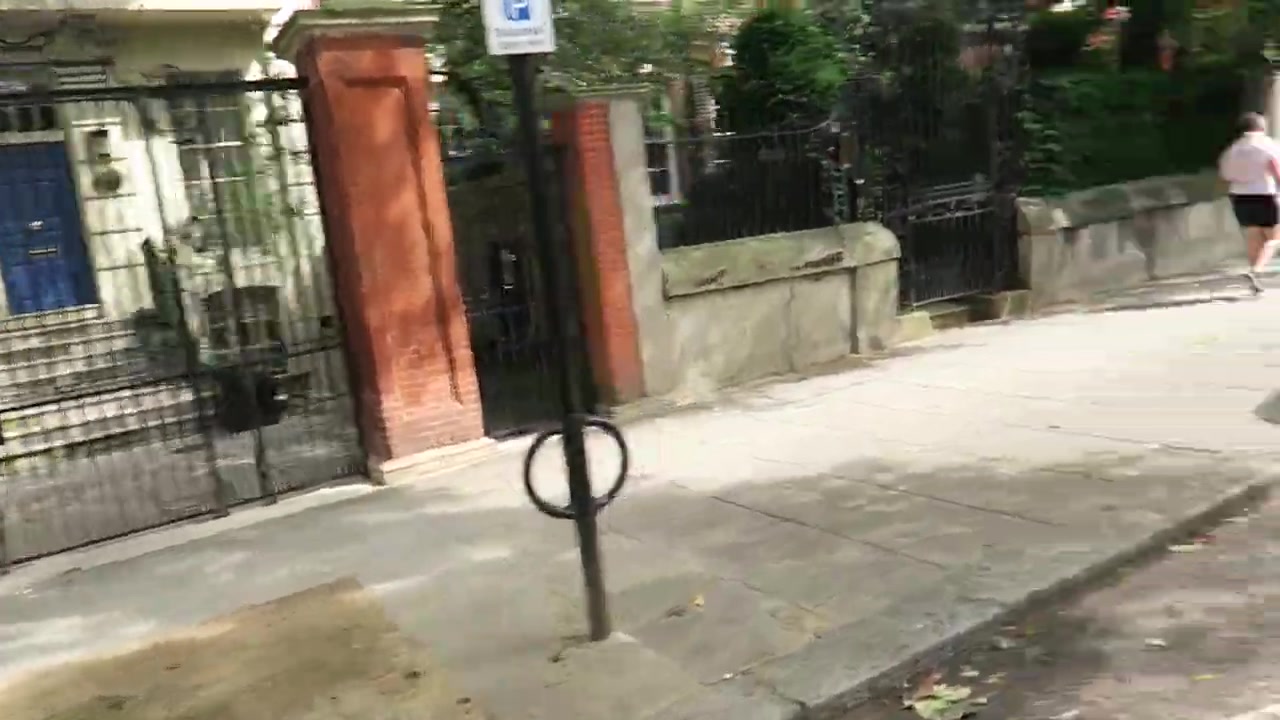
Cheyne Walk remains compelling because no single period owns it. Georgian London, Victorian art, twentieth-century music and the present-day city all share the same riverside address. That accumulation—not celebrity alone—is what makes it one of Chelsea’s most rewarding streets to explore.

Recent Comments