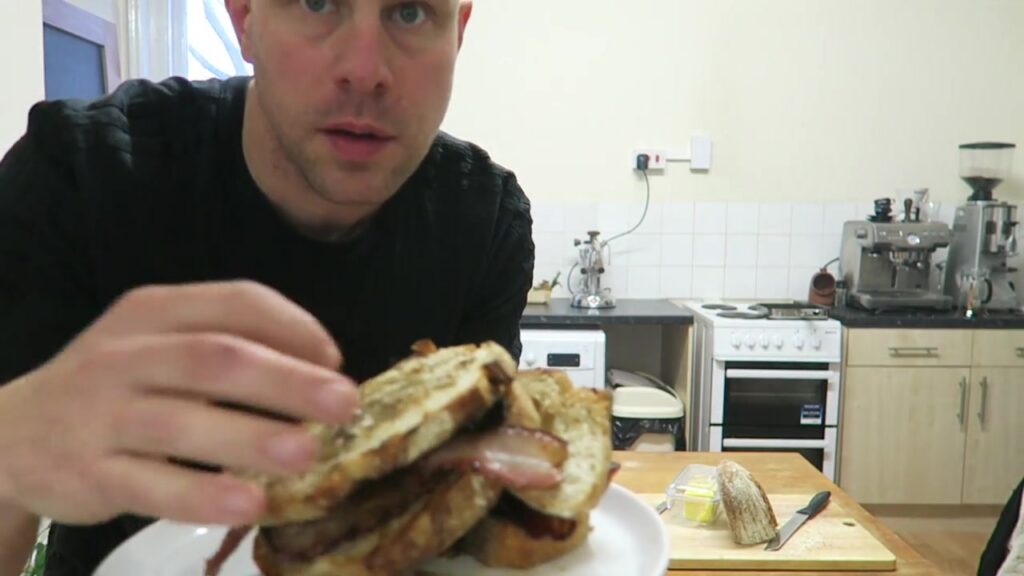
A bacon sandwich needs very little explanation, but the simplest British food often produces the strongest opinions. Bread or a roll? Butter or no butter? Tomato ketchup, brown sauce, or neither? This Roberts London archive film, published in January 2017, approaches the question through one decisive idea: use two different cuts of bacon.
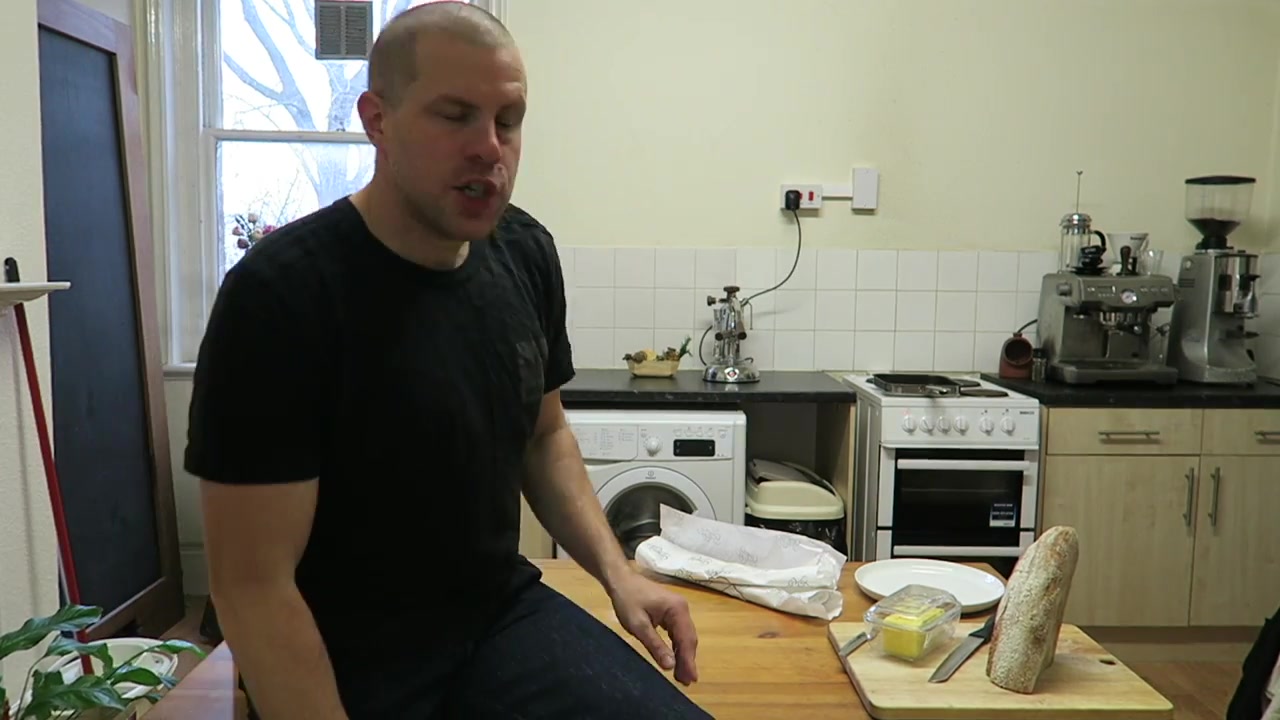
Why use two kinds of bacon?
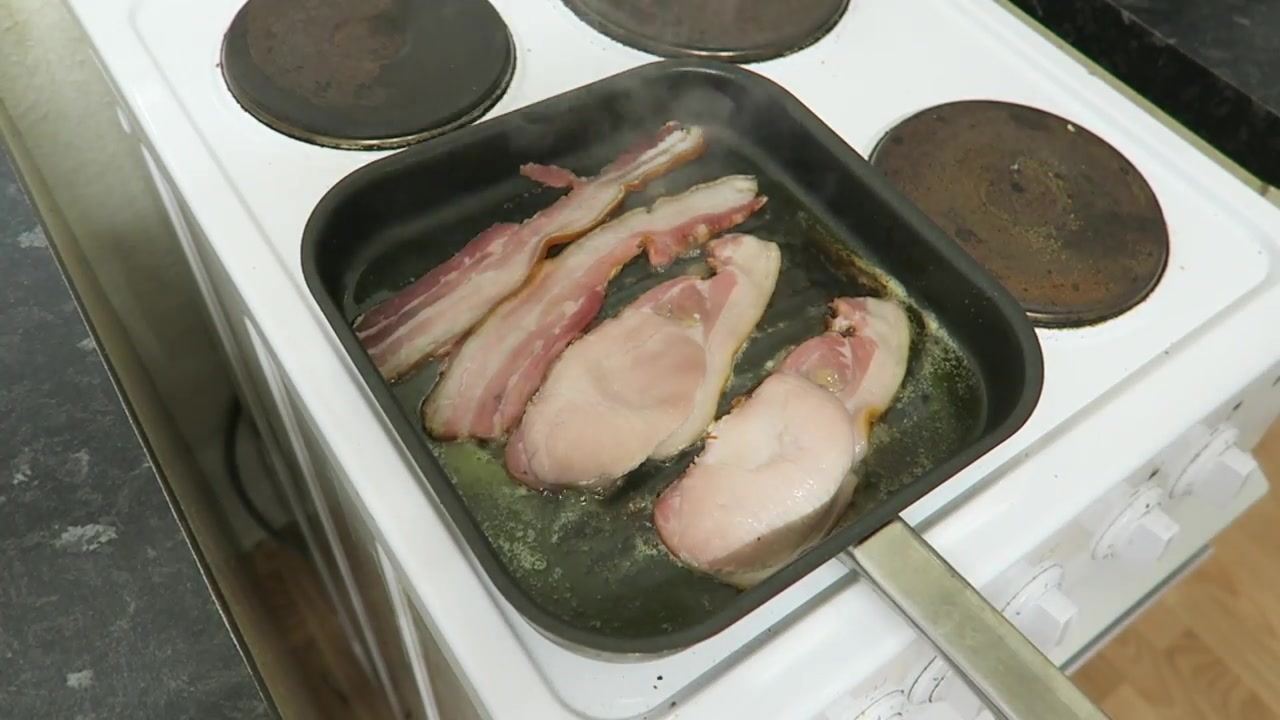
The film combines back bacon with streaky bacon. Back bacon brings the broad, meaty rasher familiar from a traditional British breakfast. Streaky bacon supplies ribbons of fat that crisp and render as it cooks. Put together, the two cuts give the sandwich both substance and crunch rather than asking one rasher to do everything.

This is not presented as a delicate restaurant construction. It is a generous home-made bacon sandwich built around good ingredients, a hot griddle and bread sturdy enough to hold the filling. The 2017 footage also records the unpolished pleasure of deciding the details while cooking: how far to crisp the bacon, how thickly to cut the bread and which sauce belongs on the finished sandwich.
Cooking the double bacon sandwich
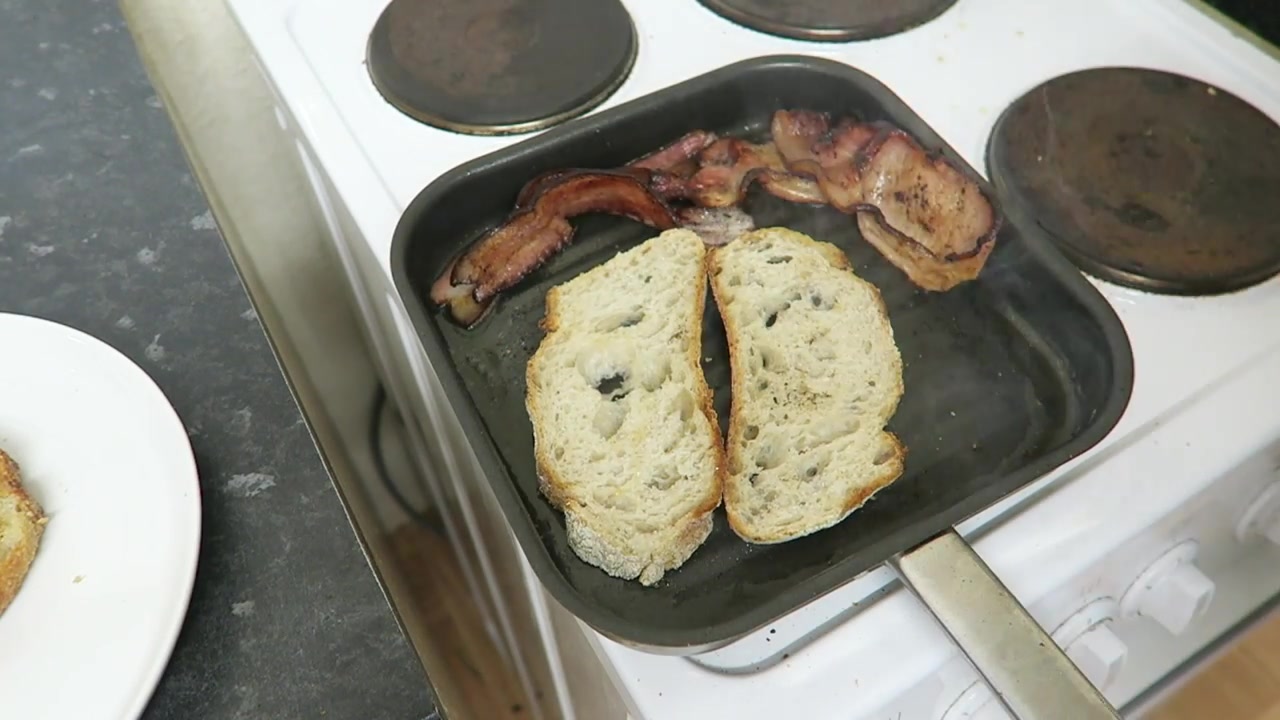
The griddle pan is prepared before the back bacon and streaky bacon go on together. They cook at slightly different rates, so the visual test matters more than a rigid timer. The streaky rashers deepen in colour and become crisp at the edges while the back bacon remains fuller and meatier.
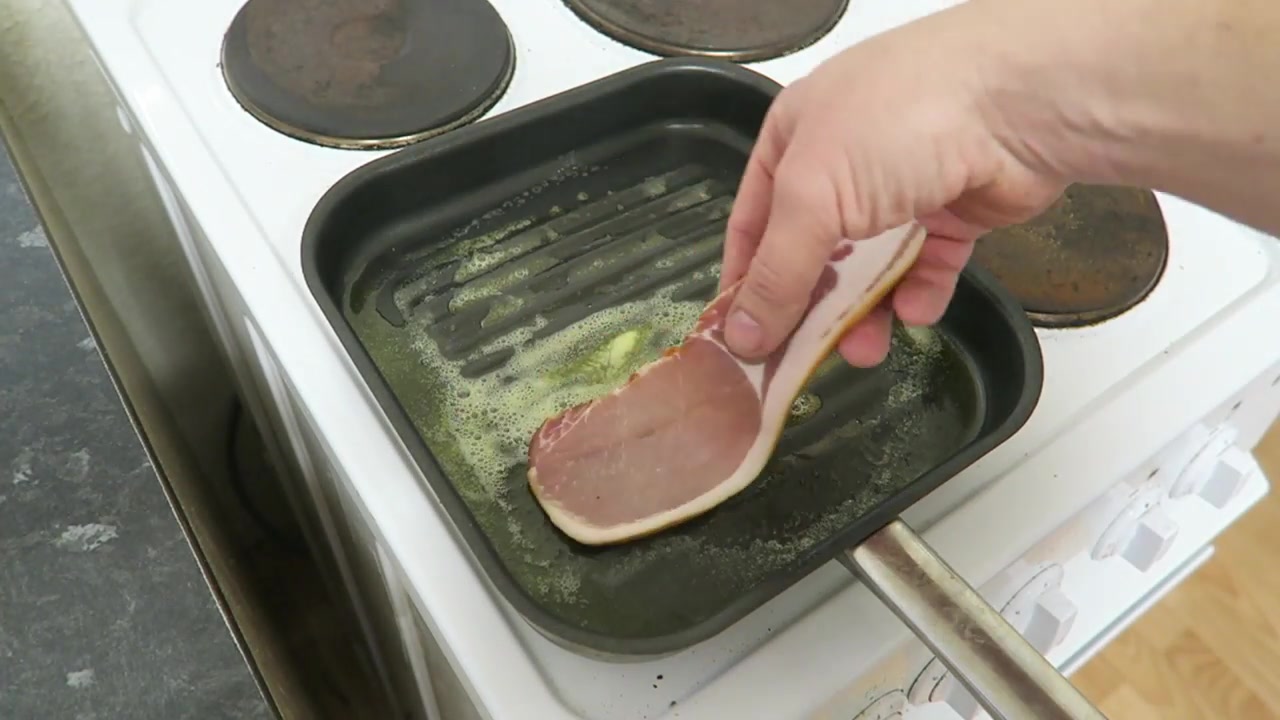
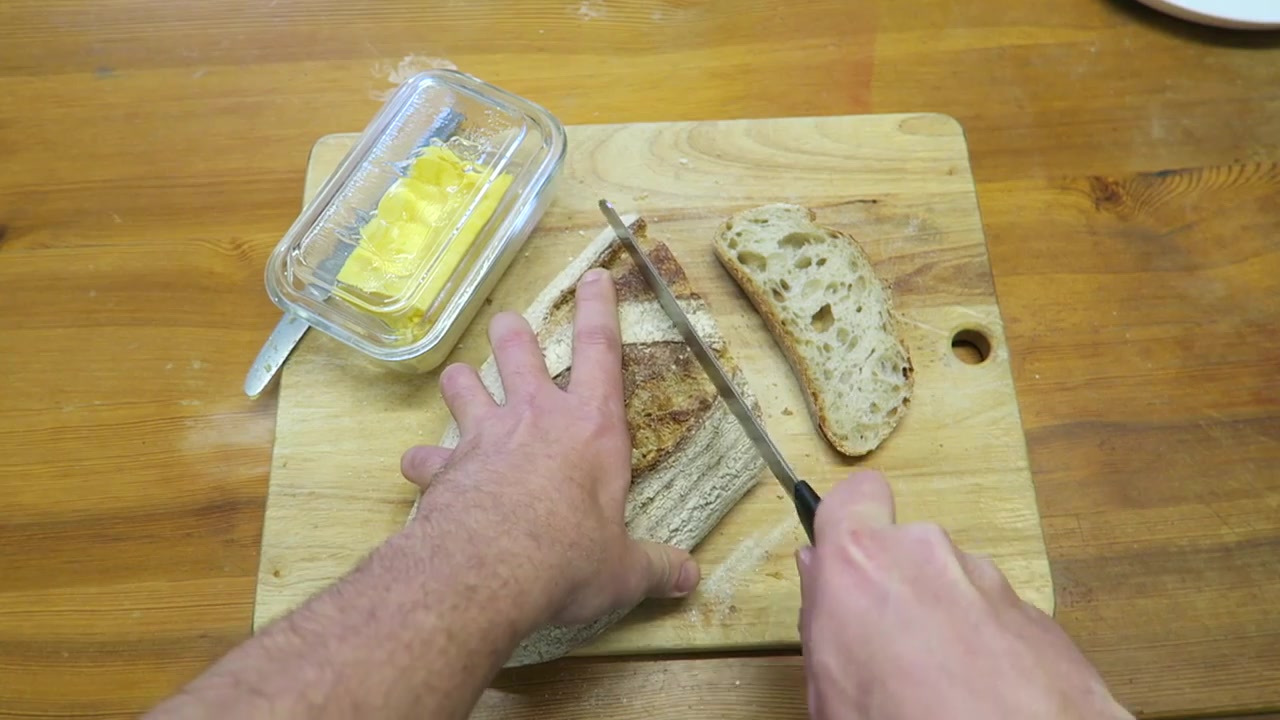
Thick slices are cut from a rustic loaf rather than taken from a standard sliced packet. That choice changes the finished sandwich. The open crumb catches the bacon fat and sauce, while the crust gives the whole thing enough structure to survive a substantial double layer of filling.
The bread then goes into the griddle beside the bacon. Toasting it in the same pan connects the two elements and gives the inner faces colour before assembly. It is an economical piece of cooking: the flavour already in the pan becomes part of the sandwich instead of being discarded.
Sauce, assembly and the finished sandwich
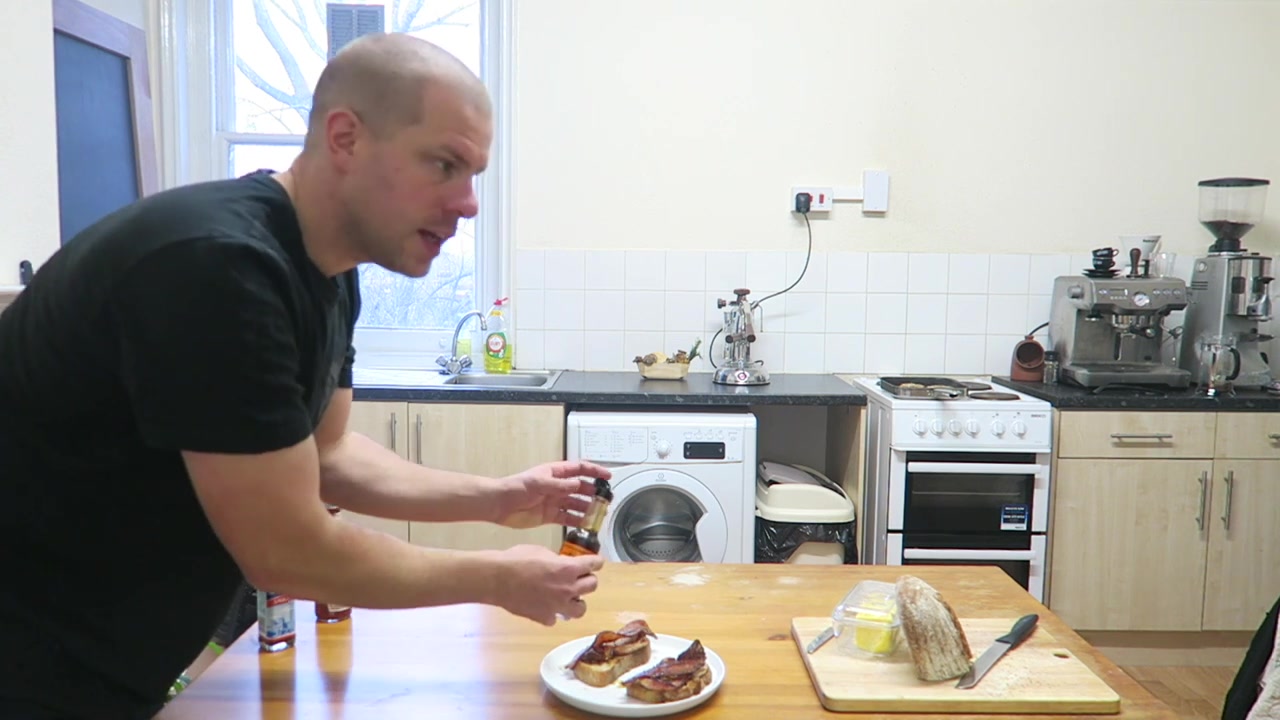
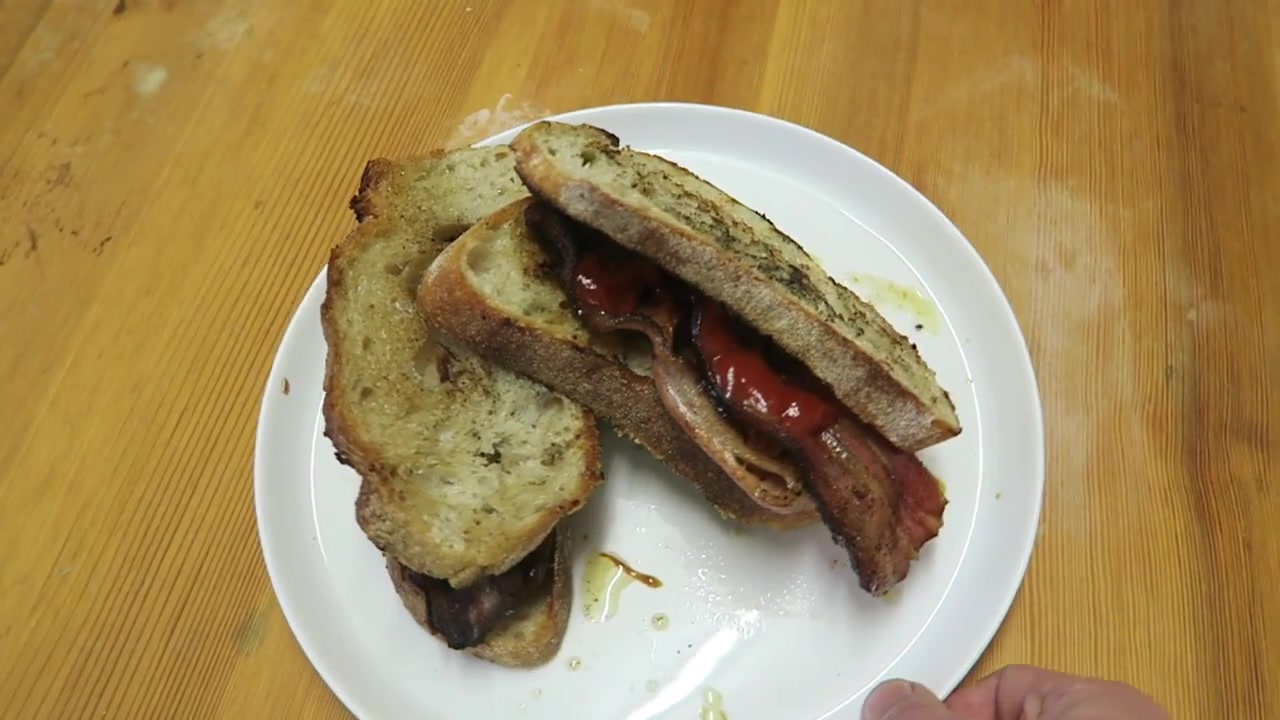
Once the bread and bacon are ready, the argument returns to sauce. The film keeps both tomato ketchup and brown sauce within reach. There is no reason to turn that choice into doctrine: the important thing is to use enough to sharpen the richness without drowning the bacon or softening the toast.
A Borough Market record from 2017
The film connects this kitchen recipe with a visit to Borough Market, then as now one of London’s best-known places for specialist food shopping. The brief market sequence includes the crowds outside Monmouth Coffee, preserving a recognisable piece of the market’s atmosphere in early 2017.
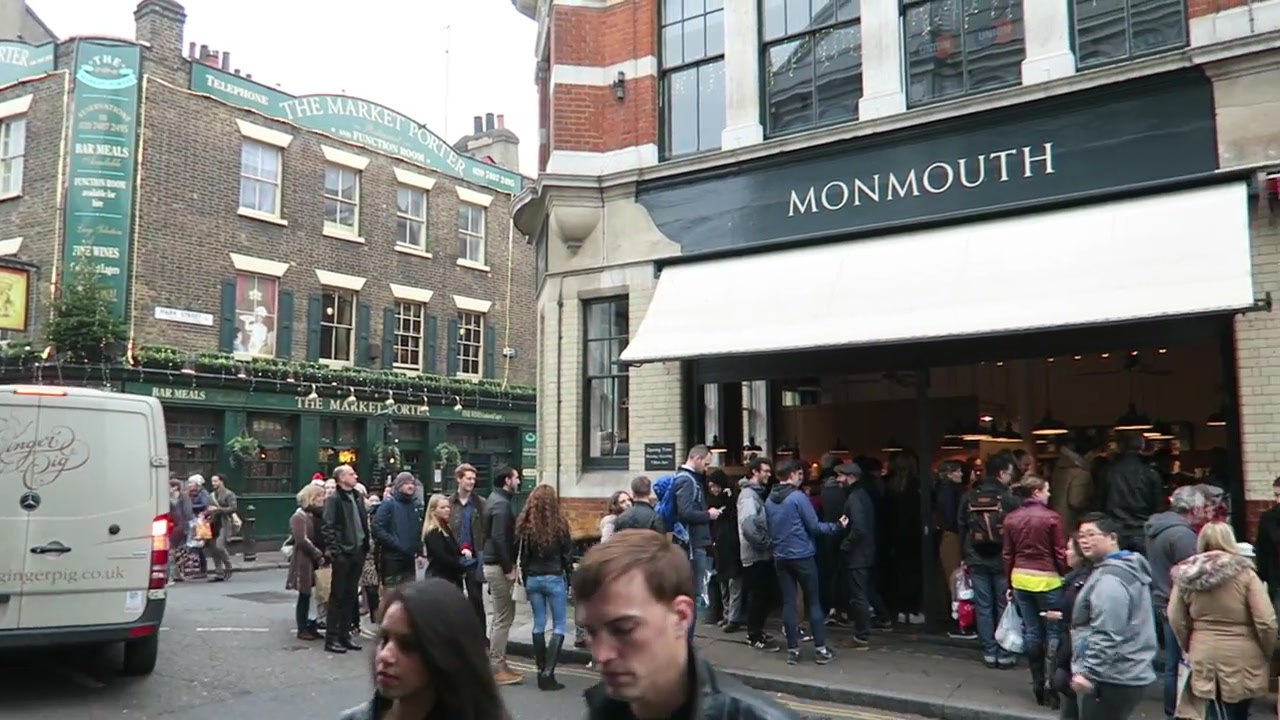
That London context is what makes the video more than a recipe demonstration. It records a trip for ingredients, a familiar market landmark and the process of bringing the day home to the kitchen. The result is deliberately uncomplicated: crisp streaky bacon, substantial back bacon, toasted bread and whichever sauce earns its place.
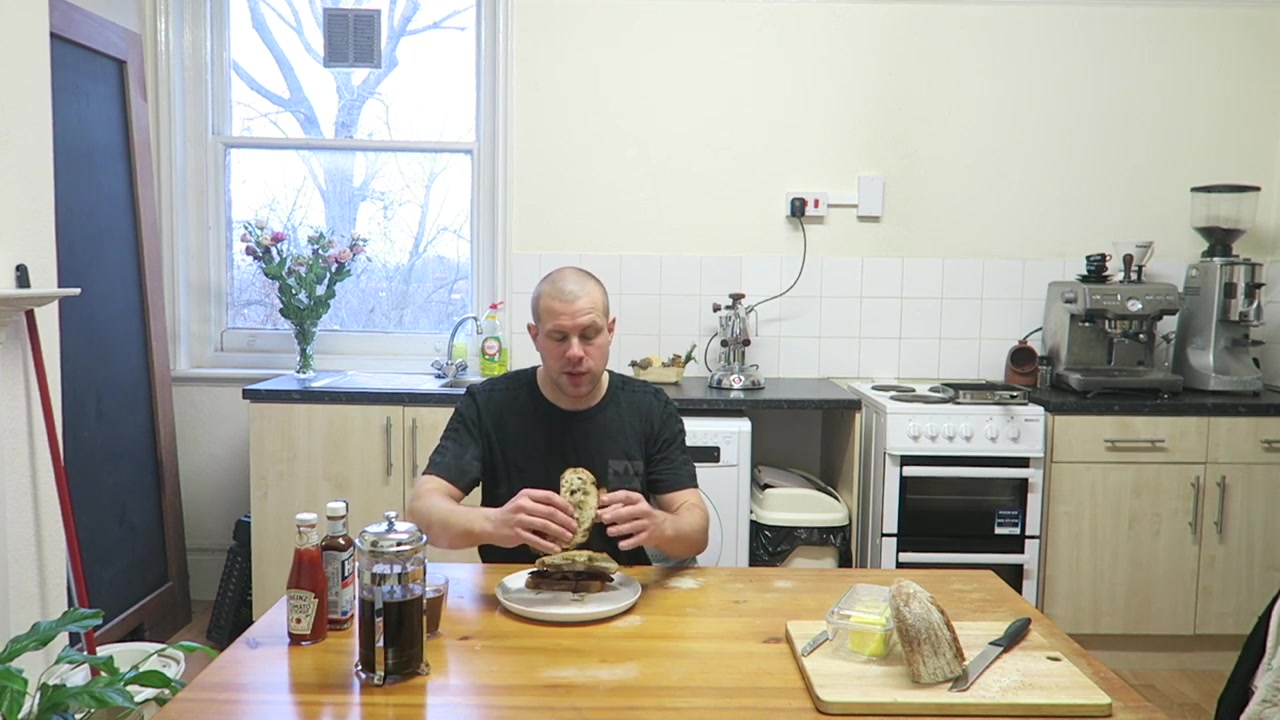
Nearly a decade later, the double bacon sandwich still makes sense. Use both cuts, cook each until it reaches the texture it does best, toast the bread in the same pan and eat it while everything is hot. Some British classics improve through refinement. This one succeeds through generosity.

Recent Comments