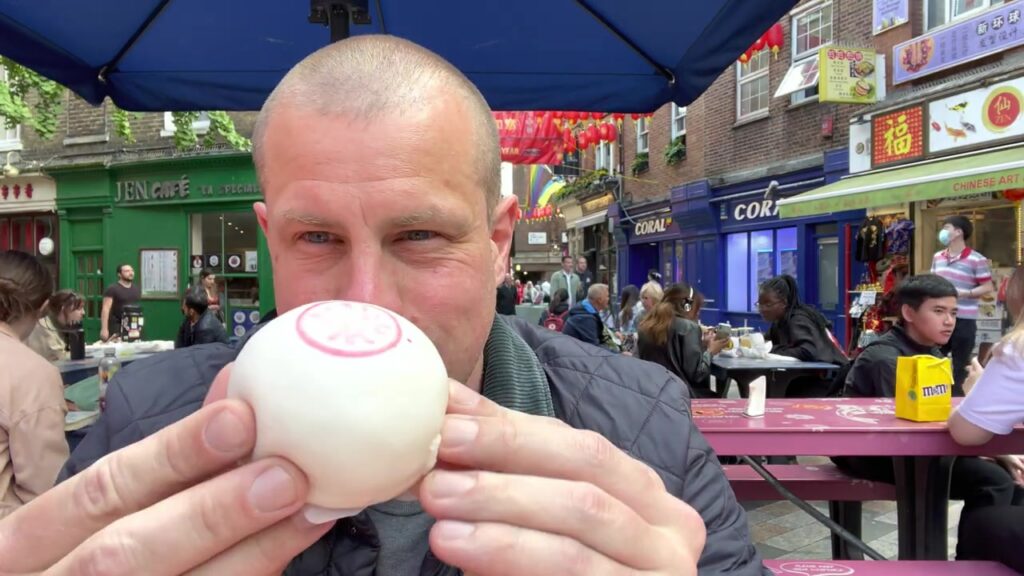
A 2022 walk from Charing Cross into London’s Chinatown captures the moment Korean corn dogs became a social-media obsession, then slows down for the food that made the day: a savoury pork bun and a sweet, liquid-centred custard bun from Bun House.
Archive note, updated August 2026: This Roberts London film was published on 5 June 2022. It records queues, businesses and menus as they appeared on that visit. Bunsik has since opened a separate Chinatown branch, while the original Leicester Square shop and Bun House remain open. Current details checked in August 2026 appear near the end of this article.
From Charing Cross to Chinatown
The film begins close to Charing Cross Station and moves north through the West End. It is a useful way to approach Chinatown because the neighbourhood does not announce itself as a separate destination all at once. Theatreland, Leicester Square, Charing Cross Road and the restaurants around Gerrard Street overlap within a few minutes’ walk.
Barry Roberts is looking for street food rather than a formal restaurant meal. In summer 2022, that meant confronting an unusually visible new part of London food culture: queues shaped as much by TikTok and Instagram as by guidebooks or newspaper reviews.
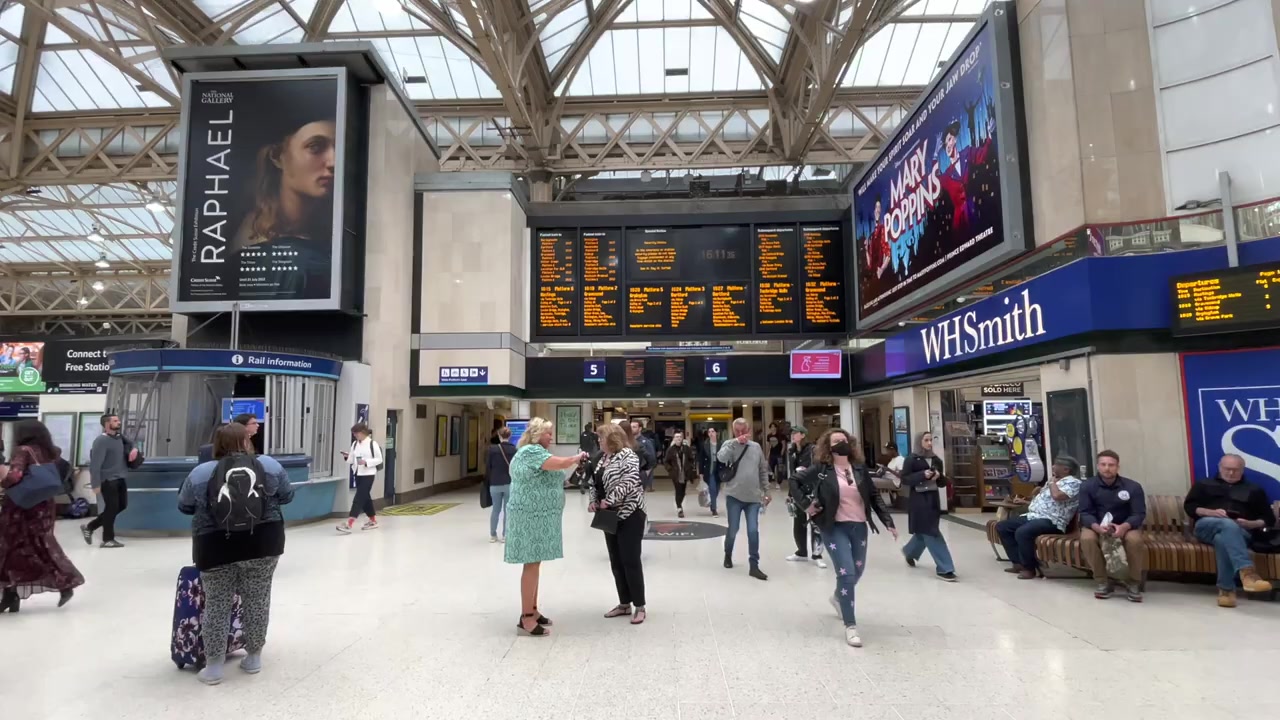
The route is compact, but it crosses several different versions of central London. Charing Cross supplies the railway beginning, Leicester Square brings the crowds and the first food stop, and Chinatown concentrates restaurants, bakeries, supermarkets and snack counters into the streets around Gerrard Street and Lisle Street.
The Korean corn-dog queue at Bunsik
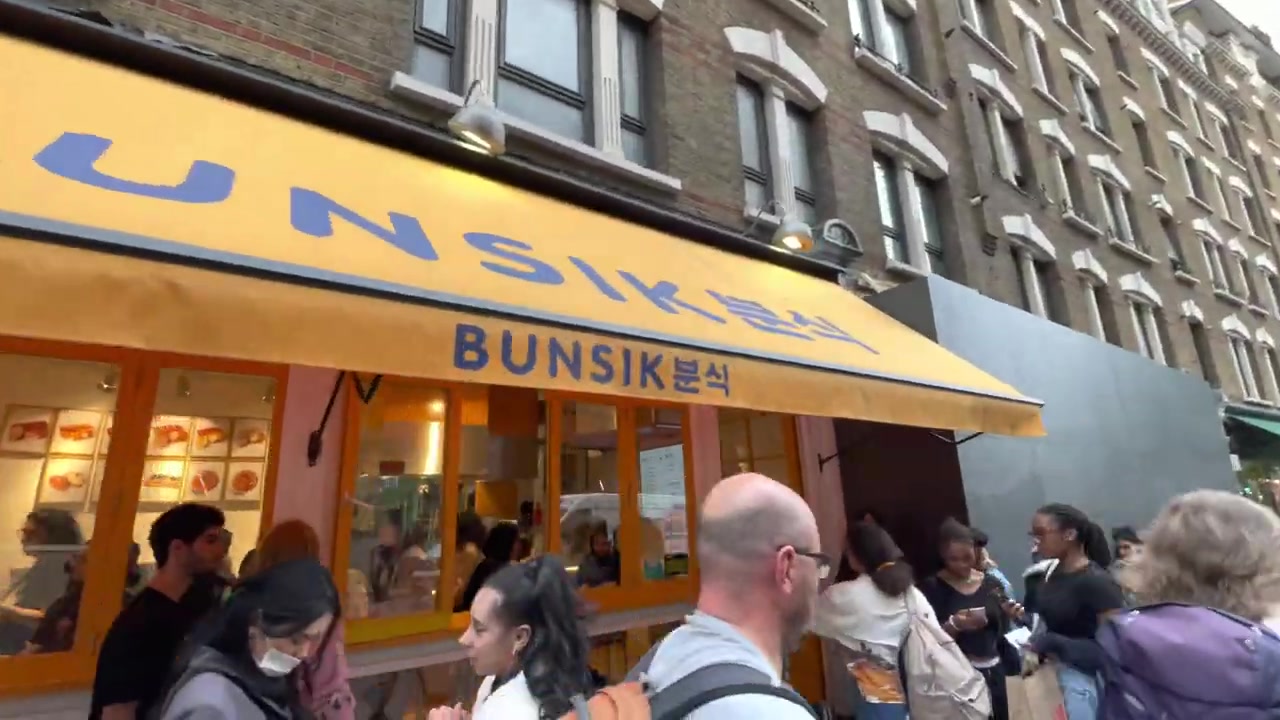
The first major queue is outside Bunsik at 62 Charing Cross Road. This was the company’s original London shop, often described as the Leicester Square branch, and it sits just outside Chinatown rather than inside it.
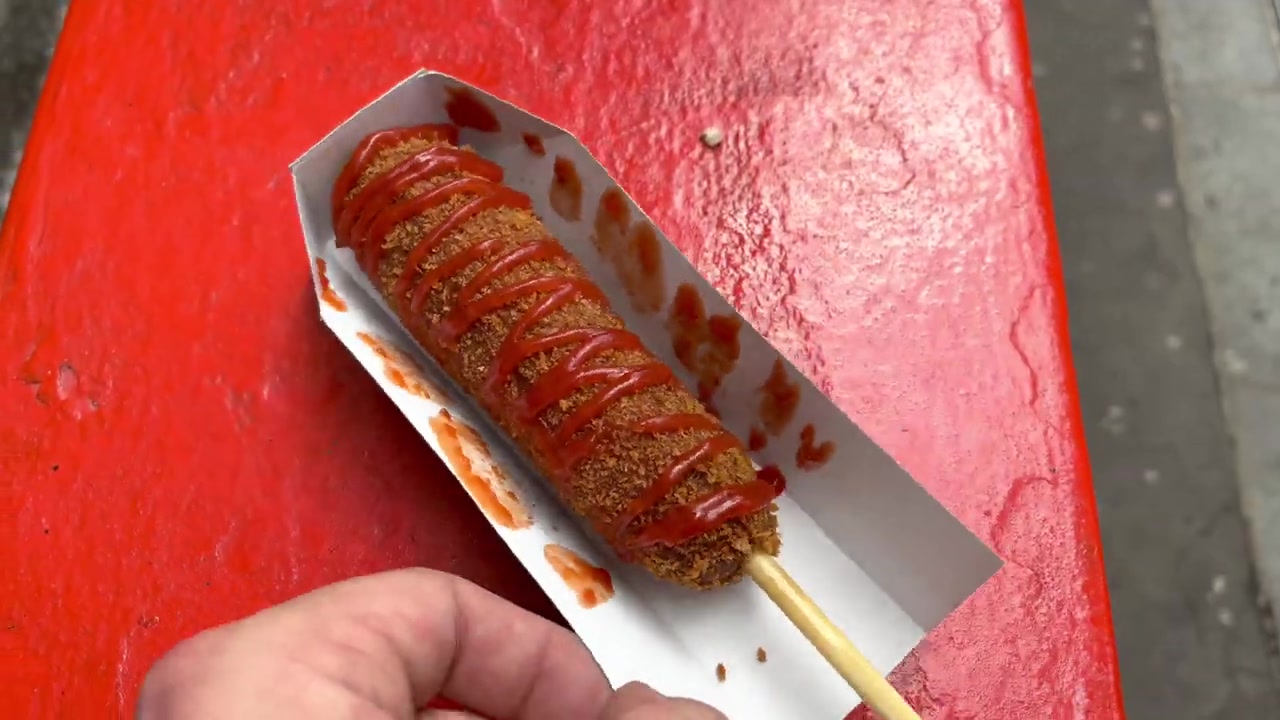
Korean corn dogs had become one of the West End’s most photographed snacks. Their appeal was easy to understand on camera: a crisp coating, sauces, sugar or potato pieces on the outside, with sausage, mozzarella or a combination inside. The cheese pull was almost designed for a short video.
The film is interested in the queue as much as the food. Popularity creates its own momentum: people see the line, assume something important is happening and join it. That can be entertaining, but it is not always the best way to explore a neighbourhood with dozens of other choices a few streets away.
Bunsik later opened a separate Chinatown branch at 31 Wardour Street. That newer shop should not be confused with the Charing Cross Road location filmed in 2022. Both now appear on the company’s official London location pages.
Into the lantern-strung streets
Leaving the first queue behind opens the film out into Chinatown itself. The modern neighbourhood encompasses Gerrard Street, Lisle Street, parts of Wardour Street, Macclesfield Street, Newport Place and the surrounding courts. Red lanterns link the streets visually, but the businesses underneath them are varied: Cantonese roast-meat restaurants, bakeries, Sichuan cooking, Korean snacks, supermarkets, dessert shops and newer interpretations of East and Southeast Asian food.
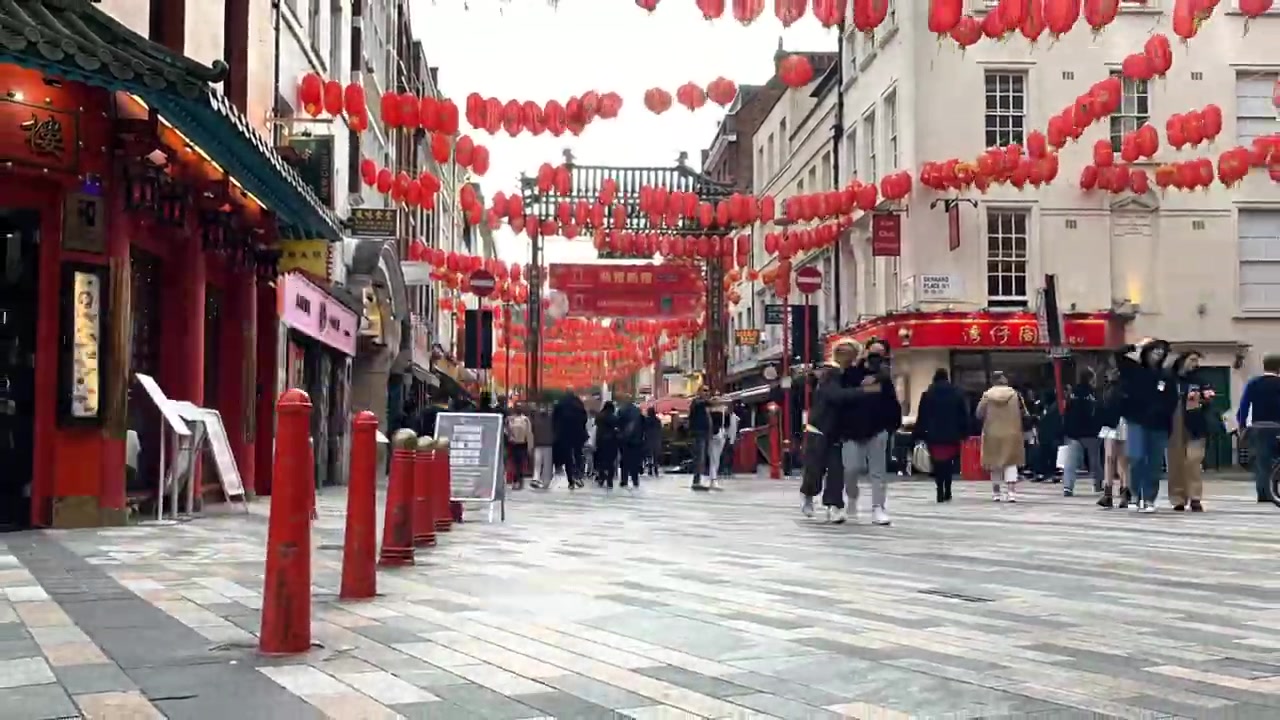
London’s first Chinatown was in Limehouse. The present West End district took shape after the Second World War and was firmly established by the late 1960s as workers and business owners arrived from Hong Kong. Pedestrianisation, gates and Chinese street furniture followed in the 1980s. The result is both a living business district and one of central London’s most recognisable visitor areas.
The film passes established names, including BaoziInn, but it does not pretend that one short walk can rank the whole neighbourhood. Its better idea is to graze: choose one thing, walk, look again and allow the next stop to emerge from the street rather than from a fixed checklist.
Bun House on Lisle Street
The decisive stop is Bun House at 26–27 Lisle Street. Its queue is shorter, and the compact menu makes it possible to order contrasting buns without turning the visit into a full restaurant meal.
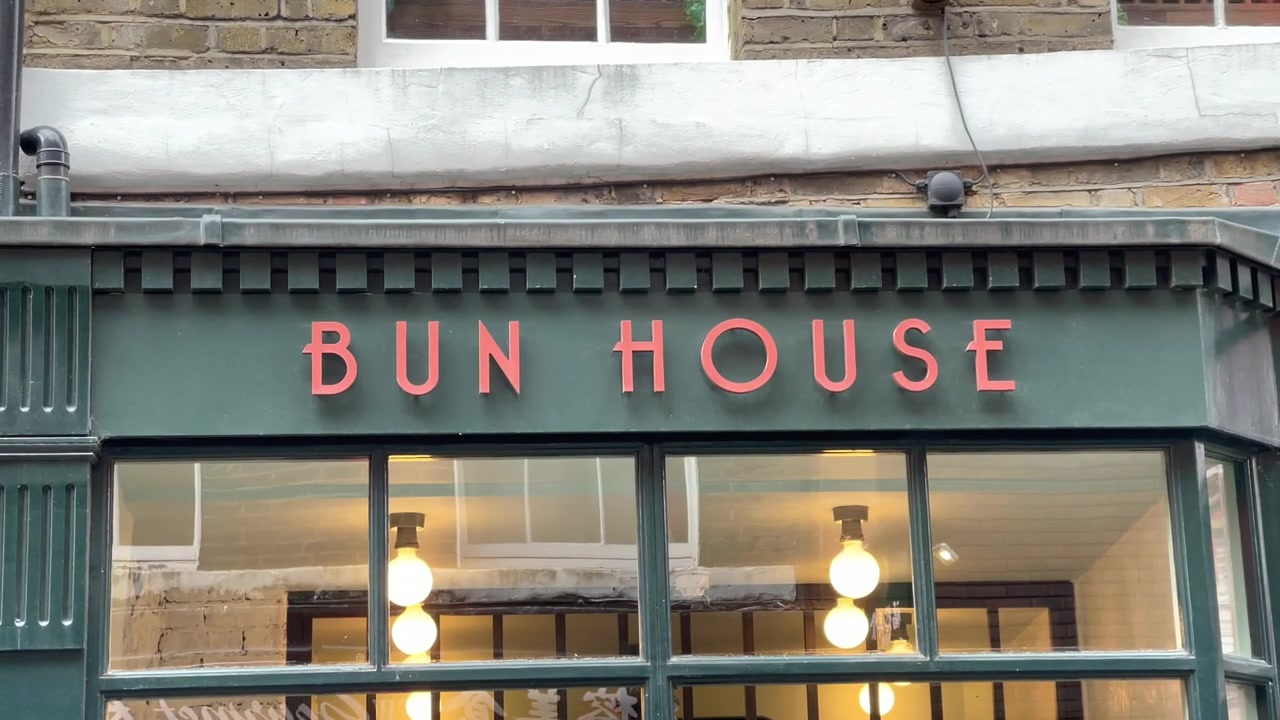
These are closed steamed buns rather than the folded bao now common at street-food markets. The soft dough surrounds the filling completely, and a stamped character on top helps identify what is inside.
The savoury pork bun
The first bun is savoury, filled with rich char siu-style pork. The important contrast is between the fluffy, slightly sweet steamed dough and the salty, sticky filling. It is small enough to eat while walking but substantial enough to feel like a proper first course.
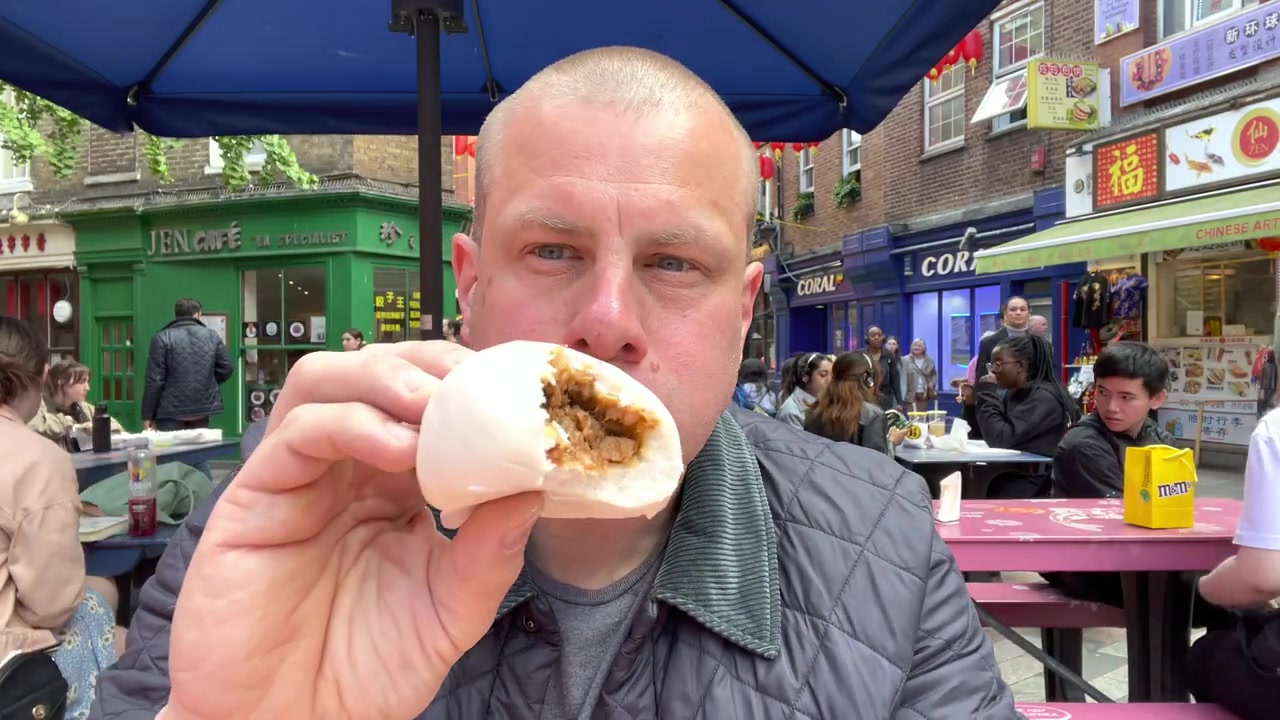
The liquid-centred custard bun
The second bun is the memorable one. Its pale exterior gives no warning that the centre is hot, sweet and extremely runny. Opening it reveals a salted-egg custard designed to spill, which makes it less tidy than the pork bun and much more dramatic on film.
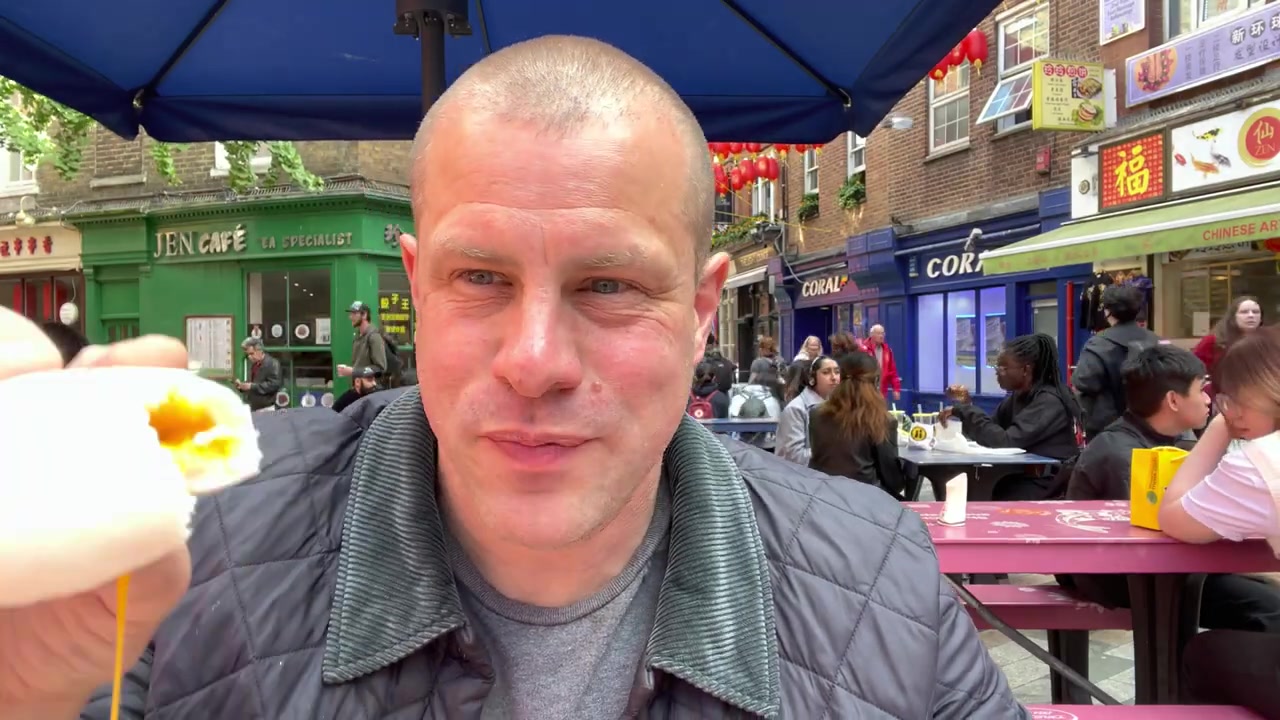
Barry’s conclusion is simple: the pork bun works because of the balance between filling and dough, while the custard version supplies the surprise. Together they justify leaving the longer queue and trying two different flavours from one specialist shop.
Why this 2022 film matters
The film records a particular point in the relationship between London food and social media. Chinatown was already busy and established, but a new generation of snacks could become famous very quickly because they looked good in a vertical video. The queue outside Bunsik was evidence of that change.
It also shows why a neighbourhood should not be reduced to its most viral shop. A queue is not the same thing as quality, and the shorter line at Bun House produced the fuller story: two different buns, a clear look at the food and a reason to compare savoury and sweet.
The former Roberts London Wix article about this walk later disappeared during the move to the current site. Search engines continued to remember its title even though the old URL became a 404 page. This expanded Journal version restores the visit as part of the Roberts London archive without pretending that the 2022 street scene is unchanged.
What has changed since the film?
- Bunsik expanded: the 2022 film shows the original Leicester Square shop at 62 Charing Cross Road. A later Chinatown branch now trades at 31 Wardour Street.
- Bun House remains on Lisle Street: its current menu still includes a pork belly “Pig” bun and the salted-egg custard bun.
- BaoziInn’s current Soho address is 24 Romilly Street: the business also lists a London Bridge branch on Southwark Street.
- The queues are unpredictable: social-media attention, weekends, theatre times and special events can all change how busy an individual shop feels.
Menus, prices and hours change. Treat the film as a record of June 2022 and check the current venue pages before making a special journey.
Visiting London’s Chinatown now
- Nearest Underground stations: Leicester Square, Piccadilly Circus and Tottenham Court Road
- Original Bunsik filmed in 2022: 62 Charing Cross Road, London WC2H 0BU
- Current Bunsik Chinatown branch: 31 Wardour Street, London W1D 6PT
- Bun House Chinatown: 26–27 Lisle Street, London WC2H 7BA; walk-in only
- BaoziInn Soho: 24 Romilly Street, London W1D 5AH
For current opening times and menus, use the official Bunsik Leicester Square, Bunsik Chinatown, Bun House Chinatown and BaoziInn pages. The official Chinatown visitor page has current transport and accessibility information.
Watch the original Roberts London film
The 16-minute film follows the complete June 2022 route from Charing Cross to the Korean corn-dog queue, Chinatown’s restaurant streets and Bun House on Lisle Street.
For more London food archives, continue to Camden Market street food and pubs, the Borough Market full English breakfast or Poppies fish and chips in Spitalfields. More stories are collected in Hospitality.
Frequently asked questions
What did Barry Roberts eat in the Chinatown film?
Barry ate two steamed buns from Bun House: a savoury pork bun with a char siu-style filling and a sweet custard bun with a hot, liquid centre.
Where is Bun House in Chinatown?
Bun House is at 26–27 Lisle Street, London WC2H 7BA. Its official page currently describes the Chinatown restaurant as walk-in only.
Was the Bunsik in the film inside Chinatown?
No. The film shows the original Bunsik Leicester Square shop at 62 Charing Cross Road, just outside Chinatown. Bunsik later opened a separate Chinatown branch at 31 Wardour Street.
What is inside a Korean corn dog?
Versions vary, but they commonly contain sausage, mozzarella or both inside a battered and fried coating. Toppings can include sugar, sauces, potato pieces or breadcrumbs. Check the current menu for exact ingredients and allergen information.
When was the Roberts London Chinatown film made?
The film was published on 5 June 2022. This article keeps that original archive date and adds current context checked in August 2026.

Recent Comments