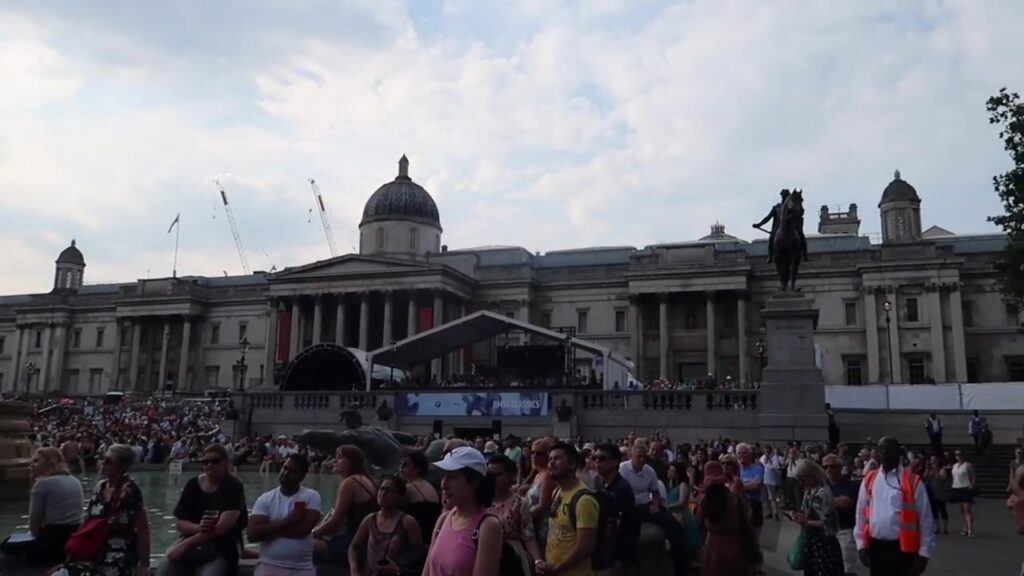
On Sunday 1 July 2018, Trafalgar Square became an open-air concert hall. Sir Simon Rattle conducted the London Symphony Orchestra at BMW Classics, a free performance that brought orchestral music into the centre of the city. Roberts London returned to the square later that afternoon to record the stage, audience and atmosphere surrounding the event.
The finished film is brief, but it preserves an unusually ambitious use of London’s best-known civic square. Nelson’s Column rose above the temporary stage, while the National Gallery, fountains and bronze lions framed an audience of around 10,000 people.
Trafalgar Square becomes a concert hall
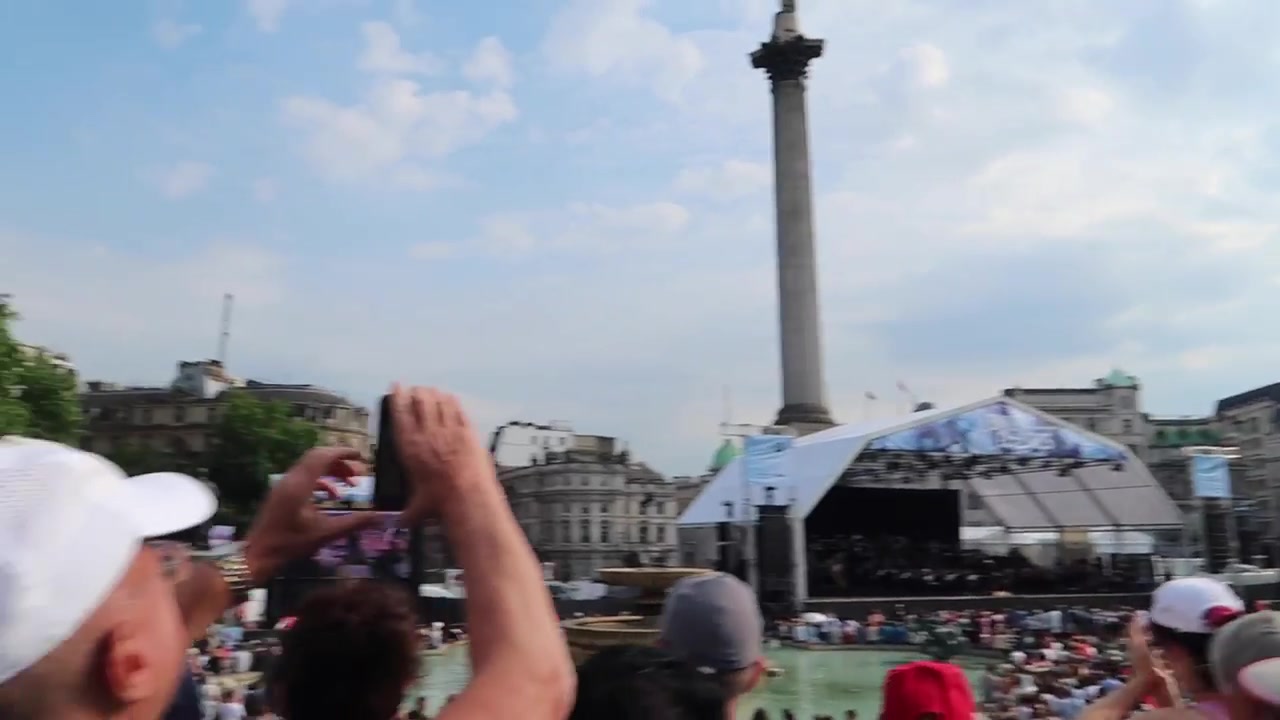
BMW and the London Symphony Orchestra began their Trafalgar Square concert partnership in 2012. Its purpose was direct: offer world-class classical music without a ticket or a concert-hall threshold. By 2018, the event had become an established part of London’s summer cultural calendar.
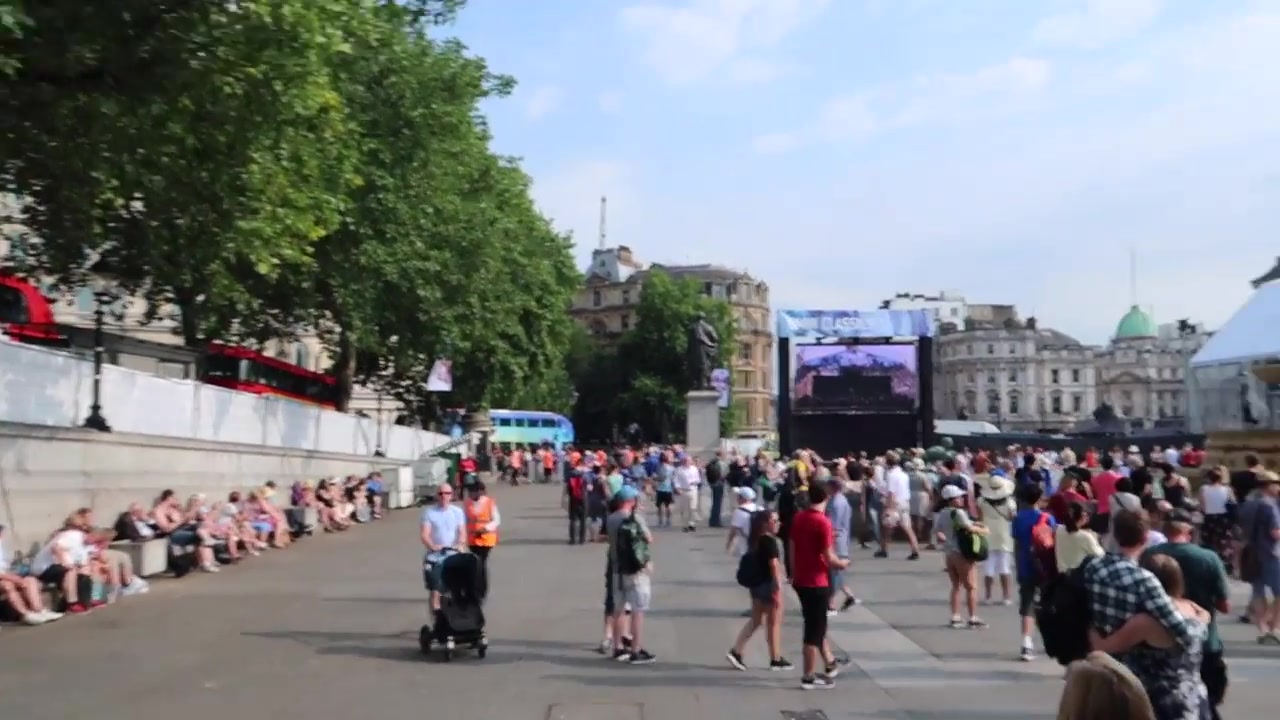
For this edition, Rattle led a programme based on dance and ballet. The music included works by Dvořák, Massenet, Tchaikovsky and Stravinsky. The concert also introduced Sky Dances, a newly commissioned work by composer and pianist Kate Whitley, who founded Peckham’s Multi-Story Orchestra.
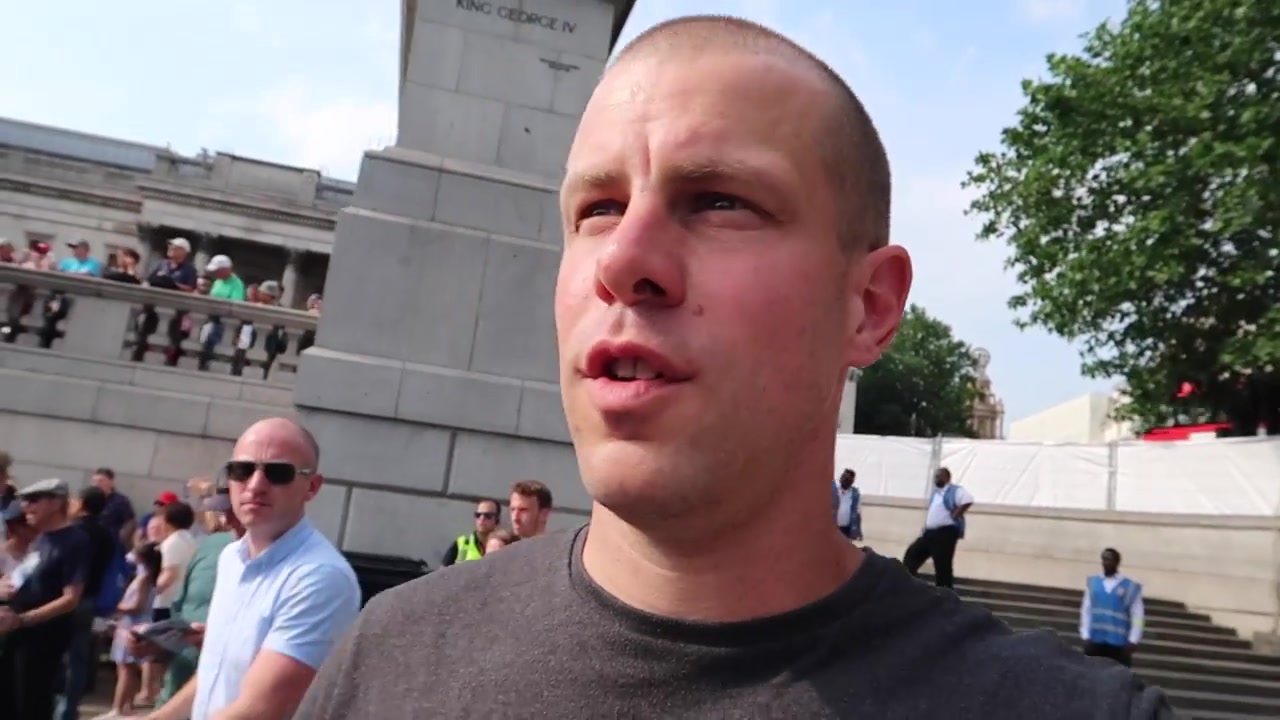
Barry’s film does not attempt to reproduce the whole programme. Instead, it works as a short visual notebook from the edge of the audience. The camera moves between the stage, crowd and familiar monuments, showing how the infrastructure of a large concert temporarily occupied the square.
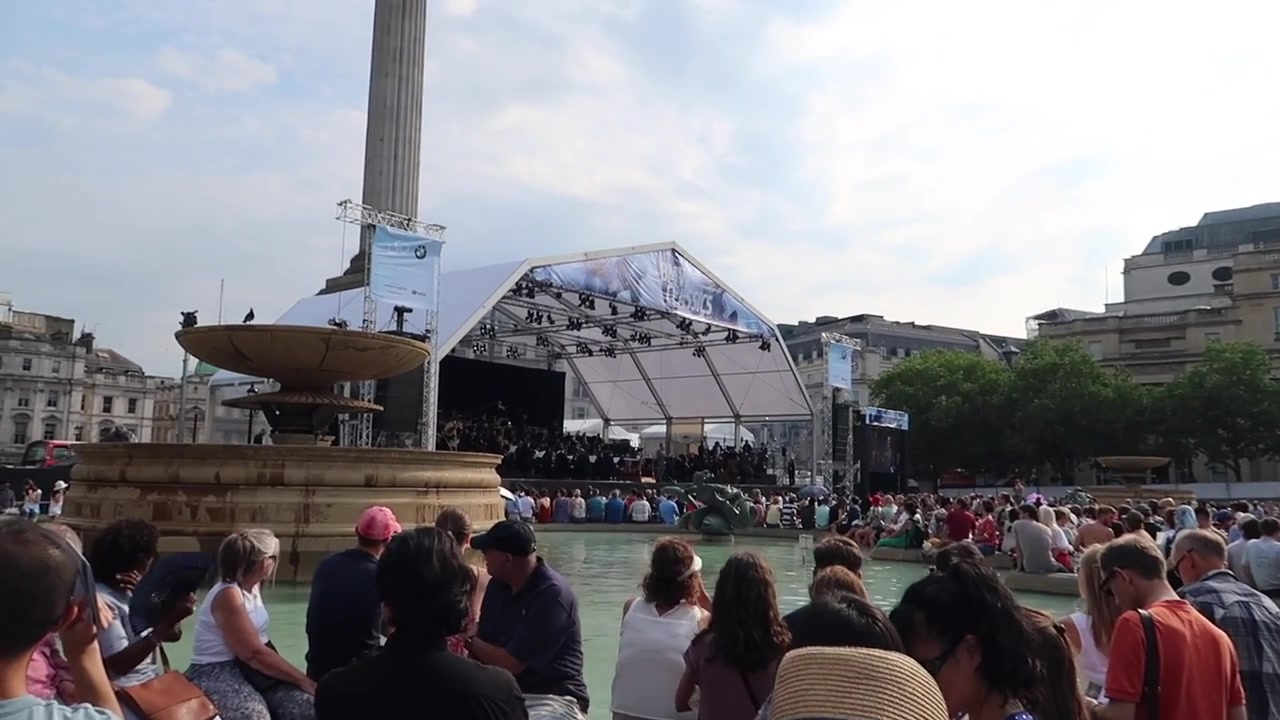
The orchestra and London’s young musicians
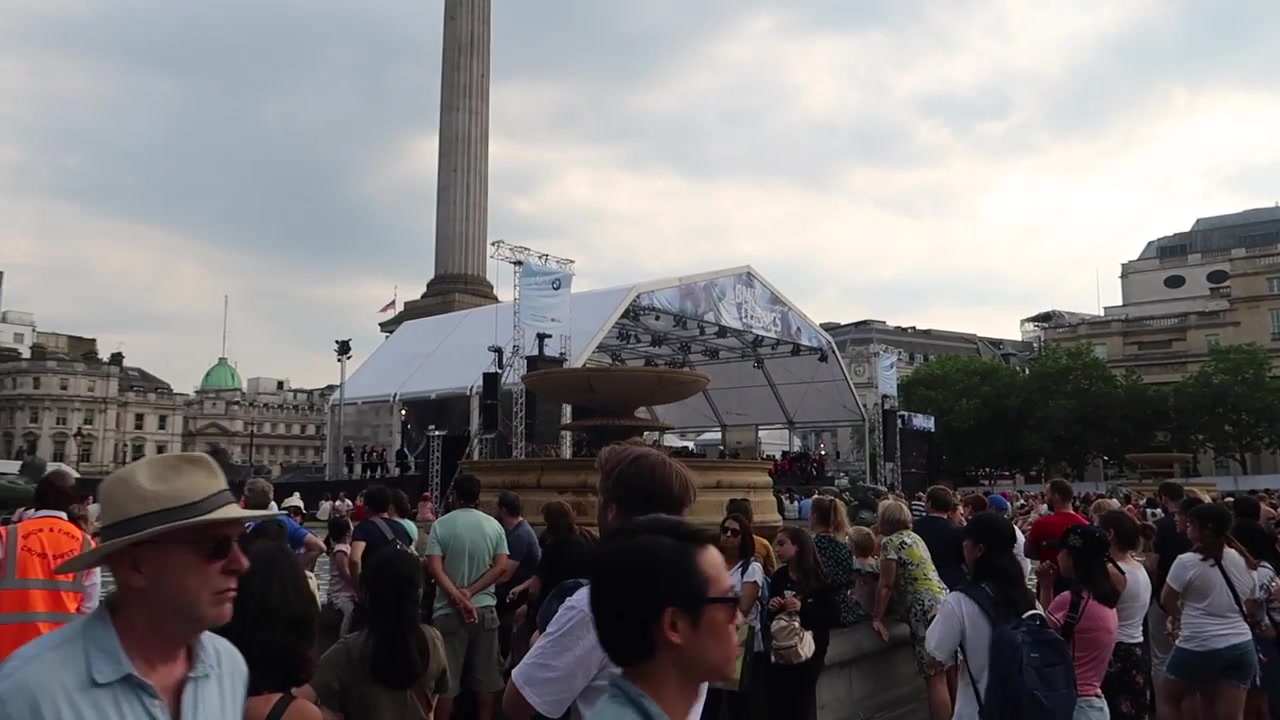
The main orchestra did not perform alone. One hundred LSO musicians shared the stage with 50 young players from LSO On Track in East London, together with musicians from the Guildhall School of Music & Drama. Therefore, the concert connected a major international orchestra with developing musicians from across the city.
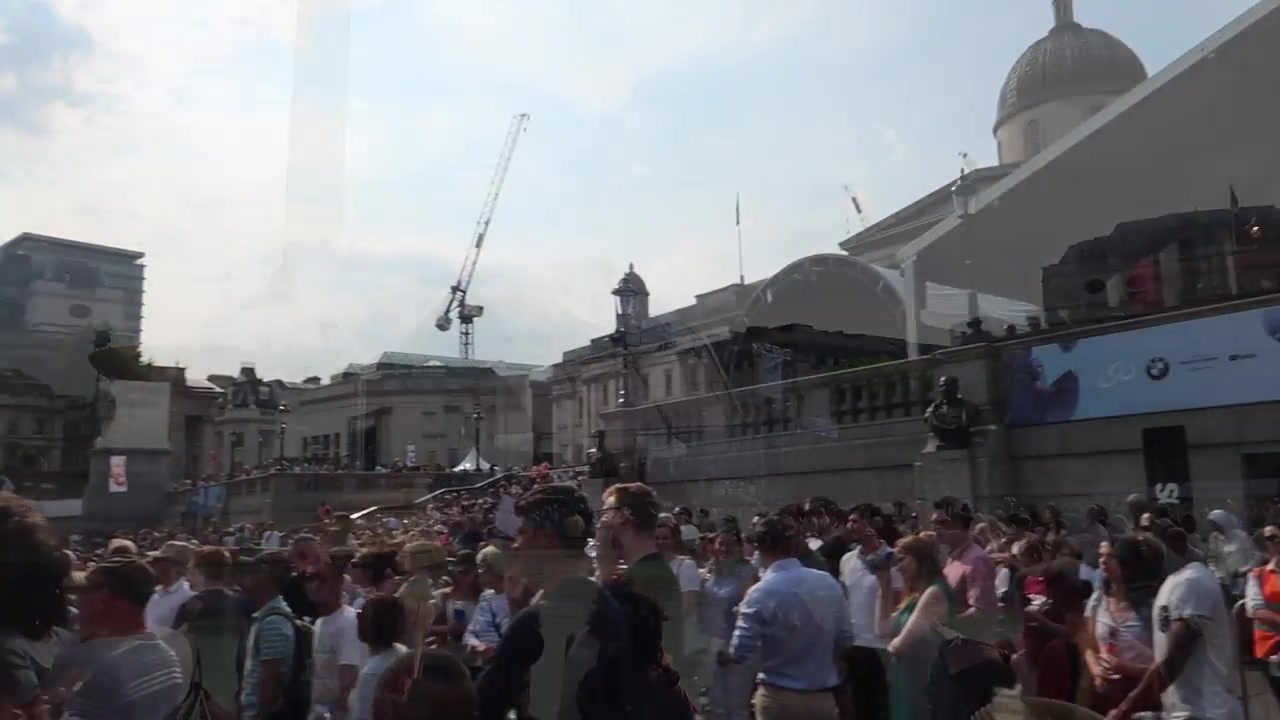
The scale mattered. A performance inside a conventional hall reaches the people who already chose to enter it. Here, visitors could encounter the music while crossing central London. Meanwhile, large screens carried close views of the players to people standing far from the stage.
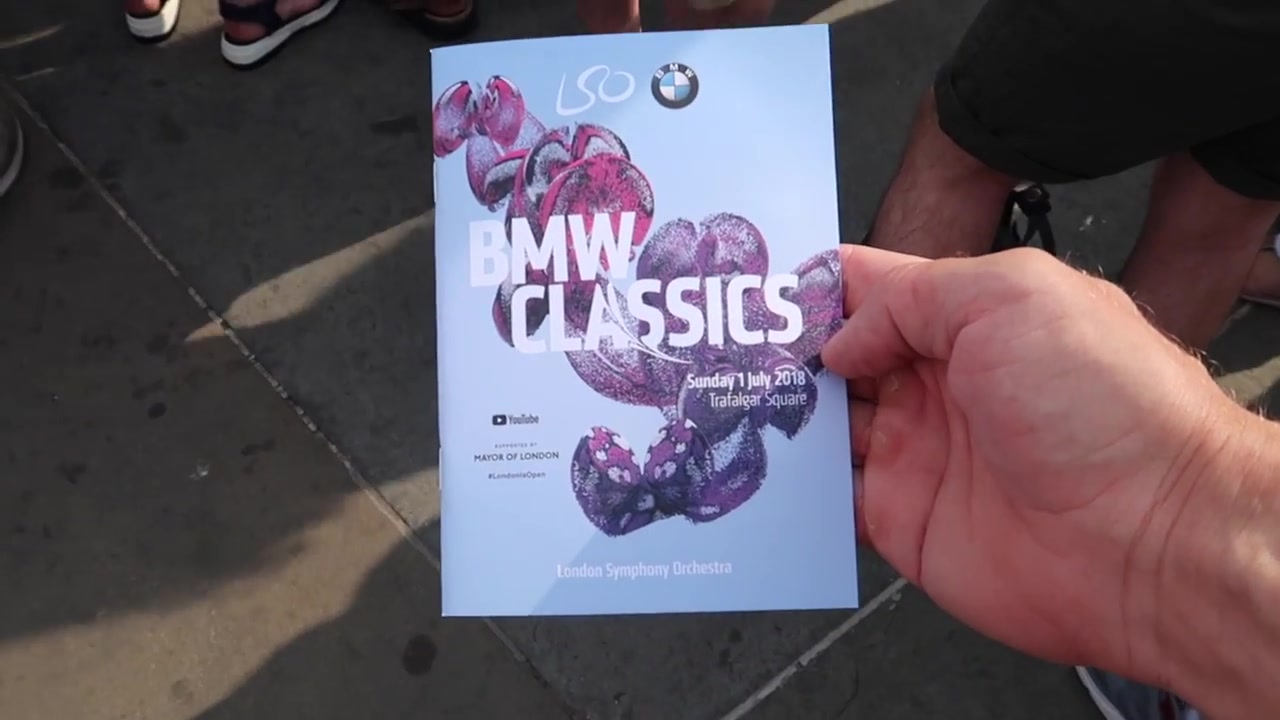
The 2018 concert also reached beyond the square. Organisers streamed the annual event live through the LSO’s YouTube channel for the first time. That broadcast extended the public-access idea internationally, while the crowd in Trafalgar Square retained the immediacy of a shared London occasion.
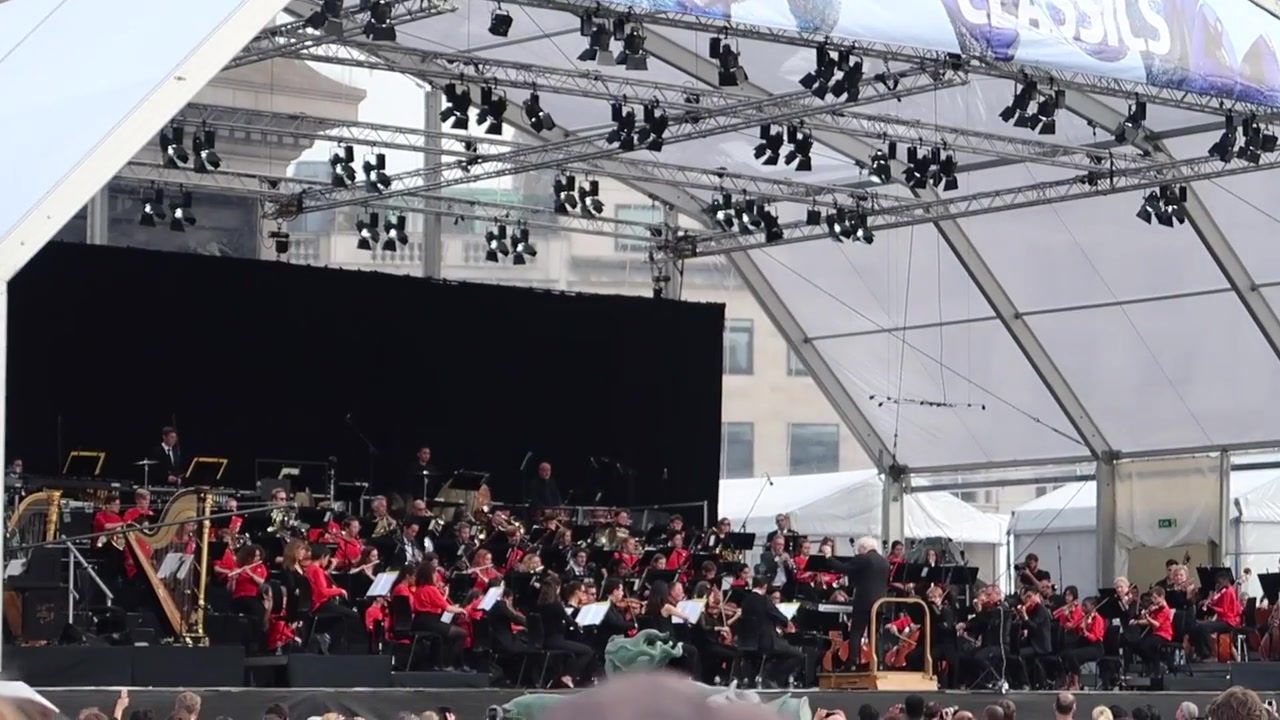
A summer afternoon in the square
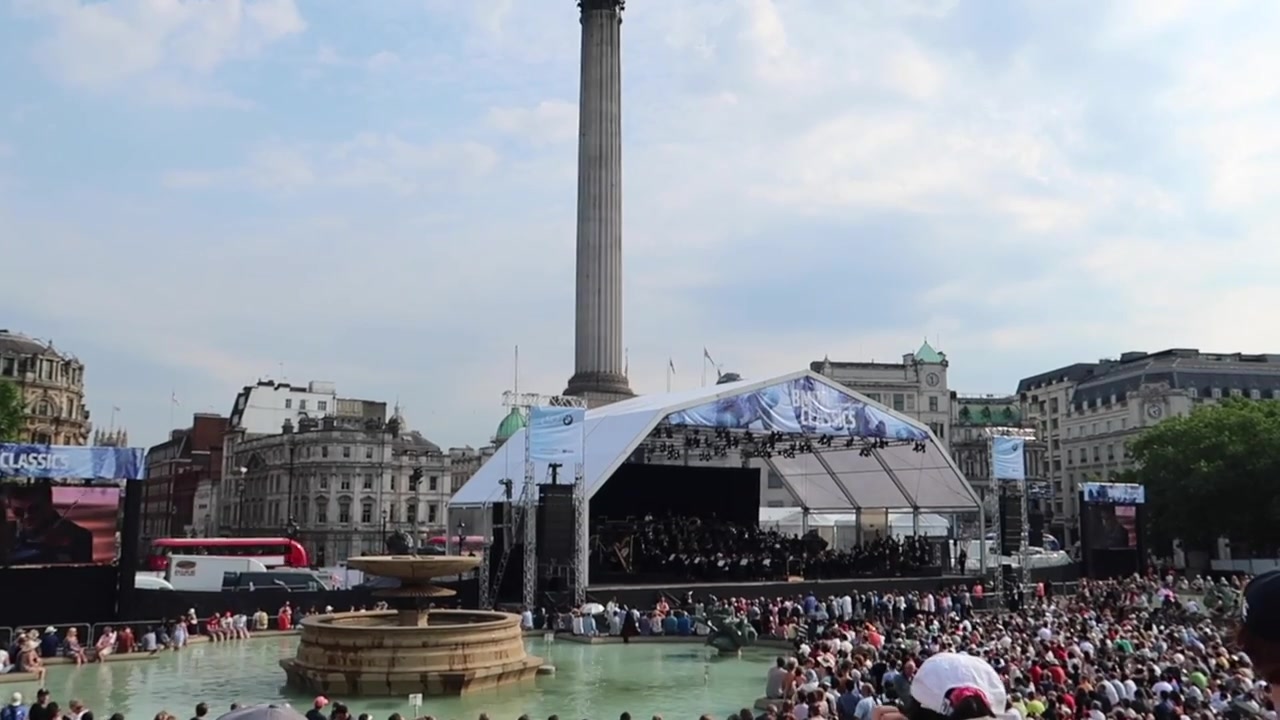
Roberts London published this film on 29 July 2018, four weeks after the concert. Seen now, its value lies in the details around the performance: people finding a place near the fountains, the line of sight beneath Nelson’s Column and the mix of regular visitors with a purpose-built concert audience.
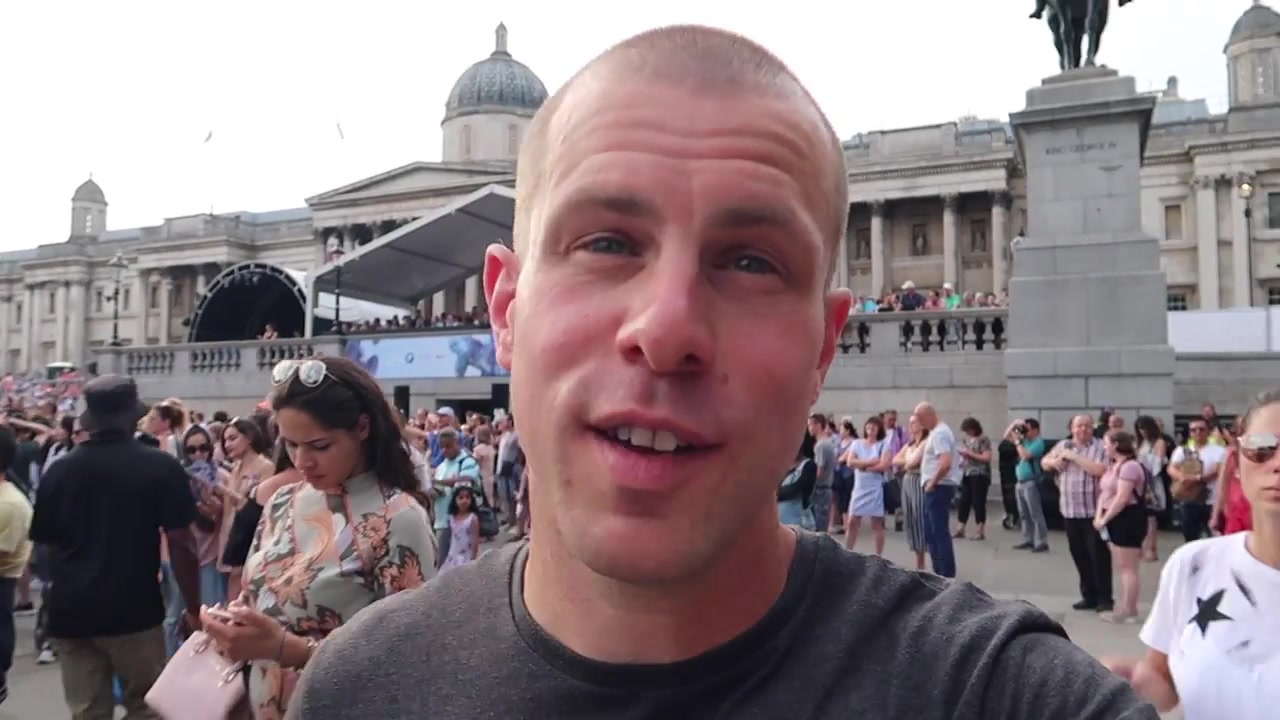
Finally, the closing walk returns the film to street level. The orchestra continues behind Barry as people move through the square. BMW Classics demonstrated that London’s monumental public spaces could support serious music without becoming remote or formal—and that a summer concert could belong equally to the orchestra, its young collaborators and the city around them.

Recent Comments