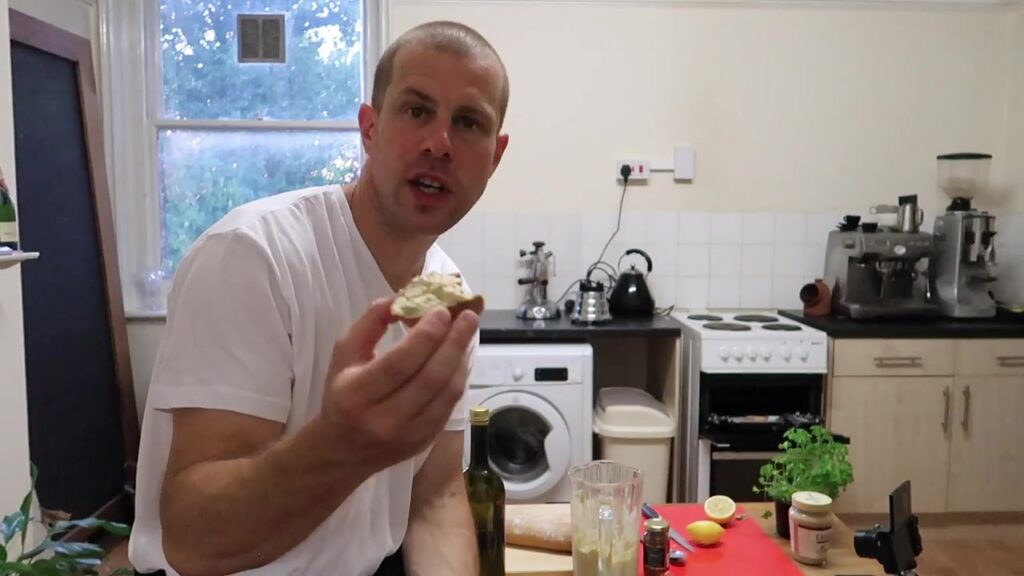
In August 2018, Roberts London filmed a home-cooking experiment inspired by one of the most distinctive restaurant books to emerge from modern London. Russell Norman’s POLPO: A Venetian Cookbook (of Sorts) brought the atmosphere of Venice’s bàcari into British kitchens, and its anchovy and chickpea crostini became the starting point for a dish Barry jokingly described as “salty hummus”.
The phrase is informal. Even so, it catches the recipe’s essential contrast. Barry blends chickpeas into a rustic spread, then sharpens it with anchovy, lemon and olive oil. He piles the mixture onto toasted bread. It is uncomplicated food with a pronounced savoury character. This is a small plate to eat with a drink, not a formal course.
A London cookbook shaped by Venice
Meanwhile, the original POLPO opened in Soho in 2009. Its model drew on the Venetian bàcaro, an informal place for wine and small plates. Diners share food in a room that feels lively rather than ceremonious. That approach suited London. It also helped make Norman one of the influential restaurateurs of his generation.
Then, in 2012, POLPO: A Venetian Cookbook (of Sorts) carried the restaurant’s identity beyond Soho. Waterstones named it the inaugural Book of the Year. That unusual achievement recognised a cookbook that also served as a carefully designed evocation of Venice.
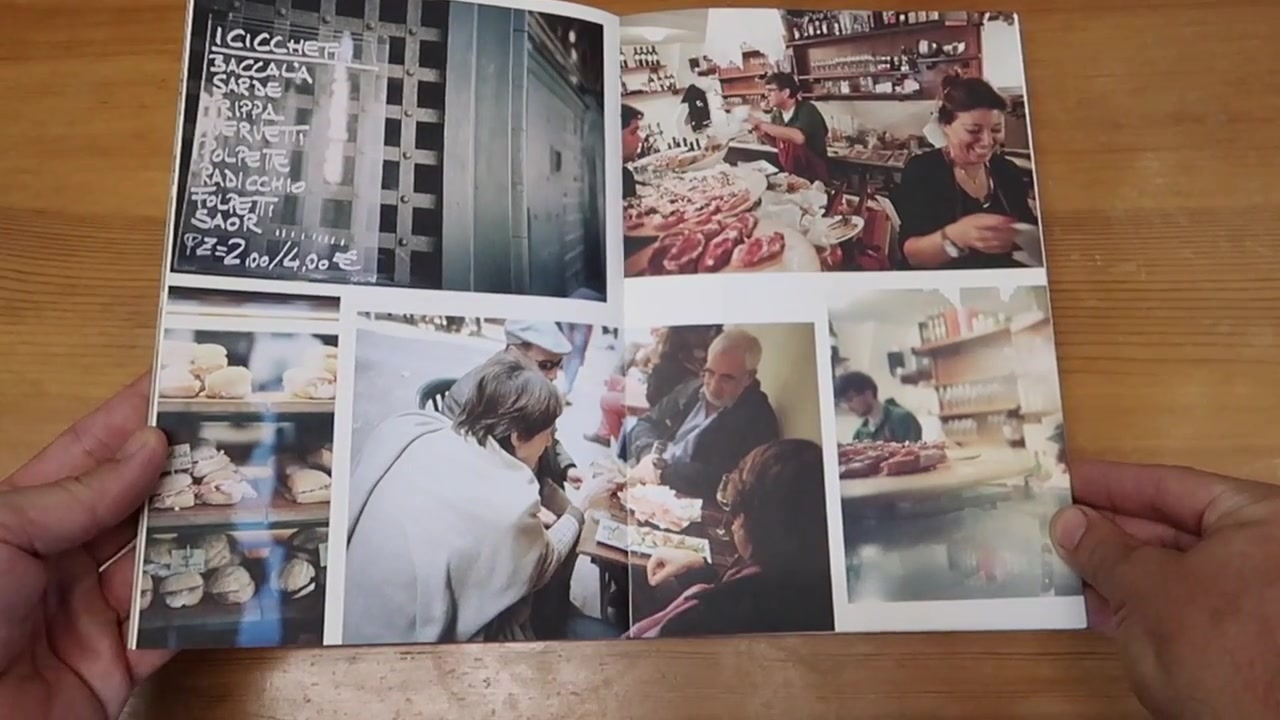
For example, the film pauses over the book’s photography, typography and scenes of Venetian life. It then turns to the anchovy and chickpea crostini. That sequence matters because the appeal of POLPO was never only a list of ingredients. The book presented a way of eating: direct, sociable and rooted in the relationship between food, place and appetite.
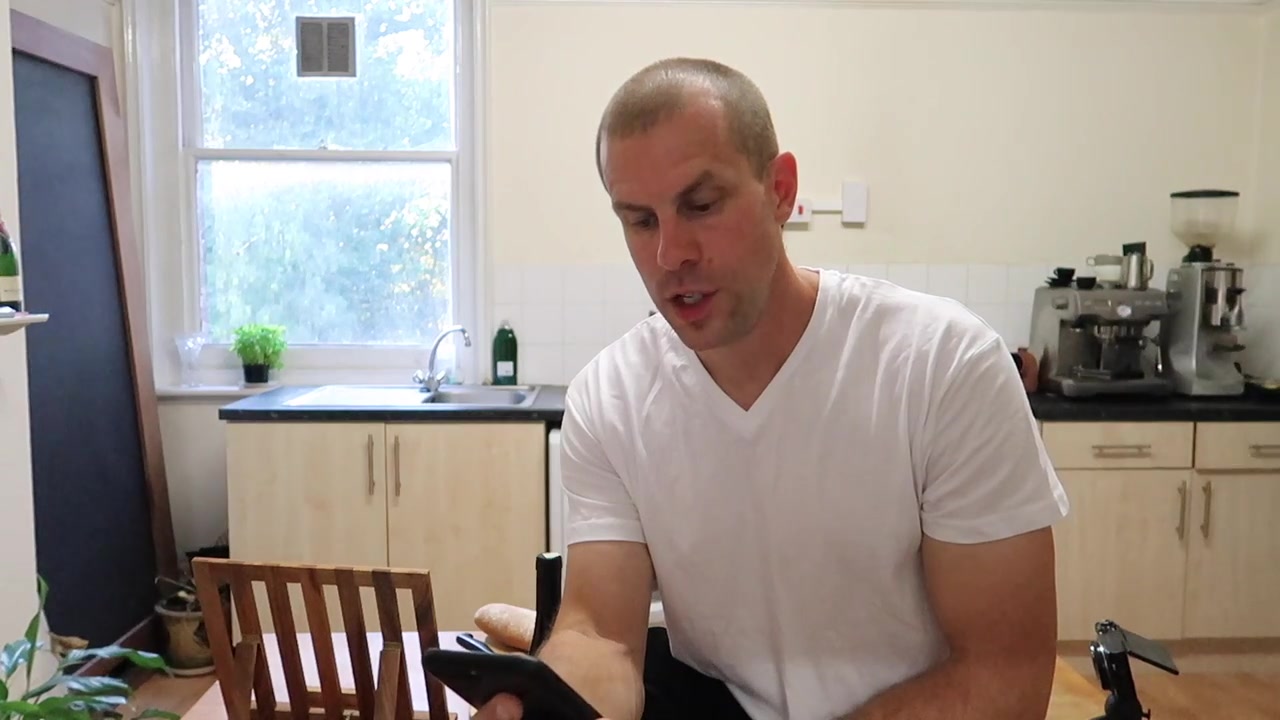
Wine, toast and a deeply savoury topping
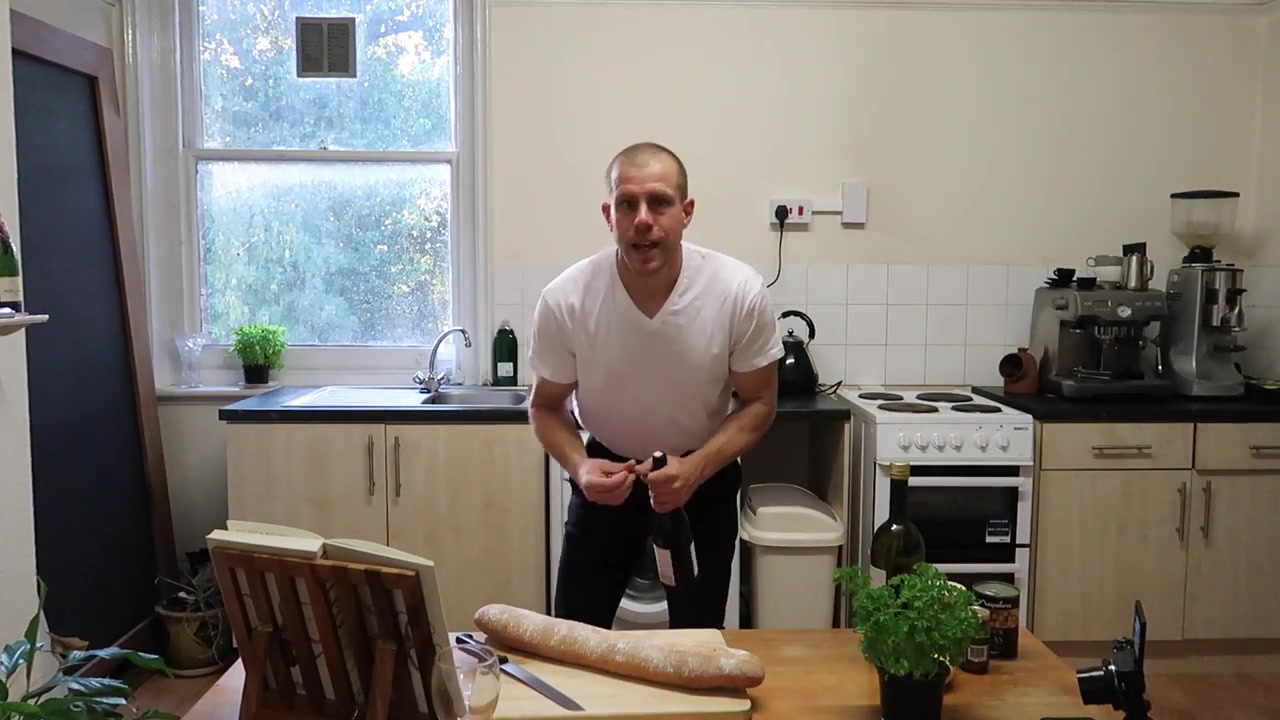
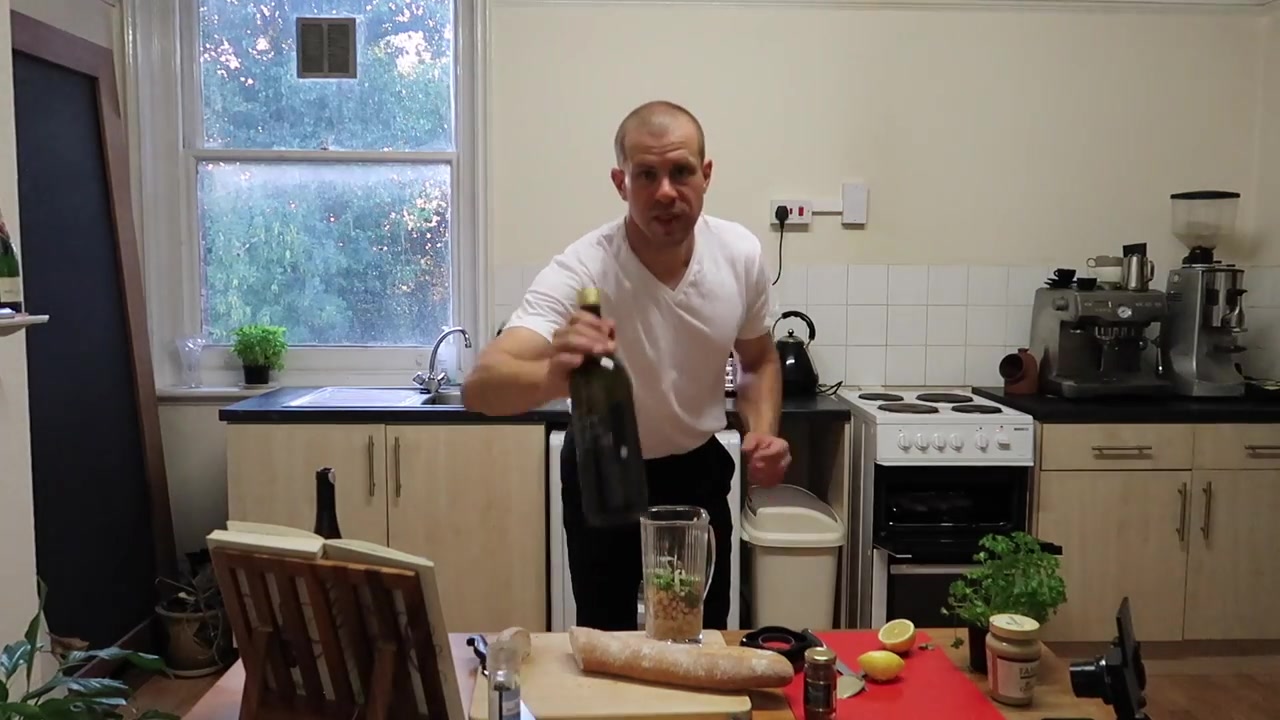
Appropriately, Barry begins with Italian wine. The gesture places the crostini in Norman’s world: a snack alongside a glass. It satisfies, but still leaves room for another plate. It also keeps the film closer to a relaxed kitchen diary than a formal cookery demonstration.
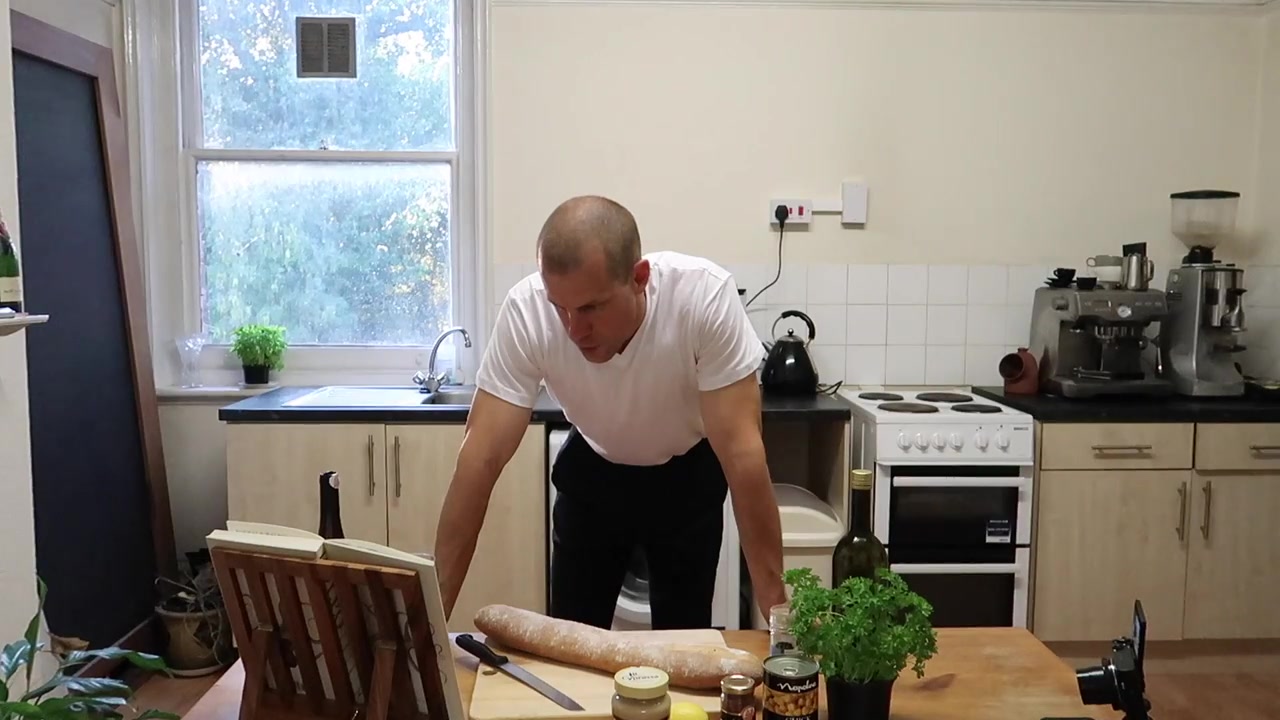
Moreover, the principal ingredients shown are familiar and economical: chickpeas, anchovies, lemon, olive oil and bread. Their success depends less on complexity than on balance. Chickpeas supply body and softness. Anchovies bring salt and umami, while lemon lifts the mixture. Olive oil carries the flavours, and toasted bread provides a crisp foundation.
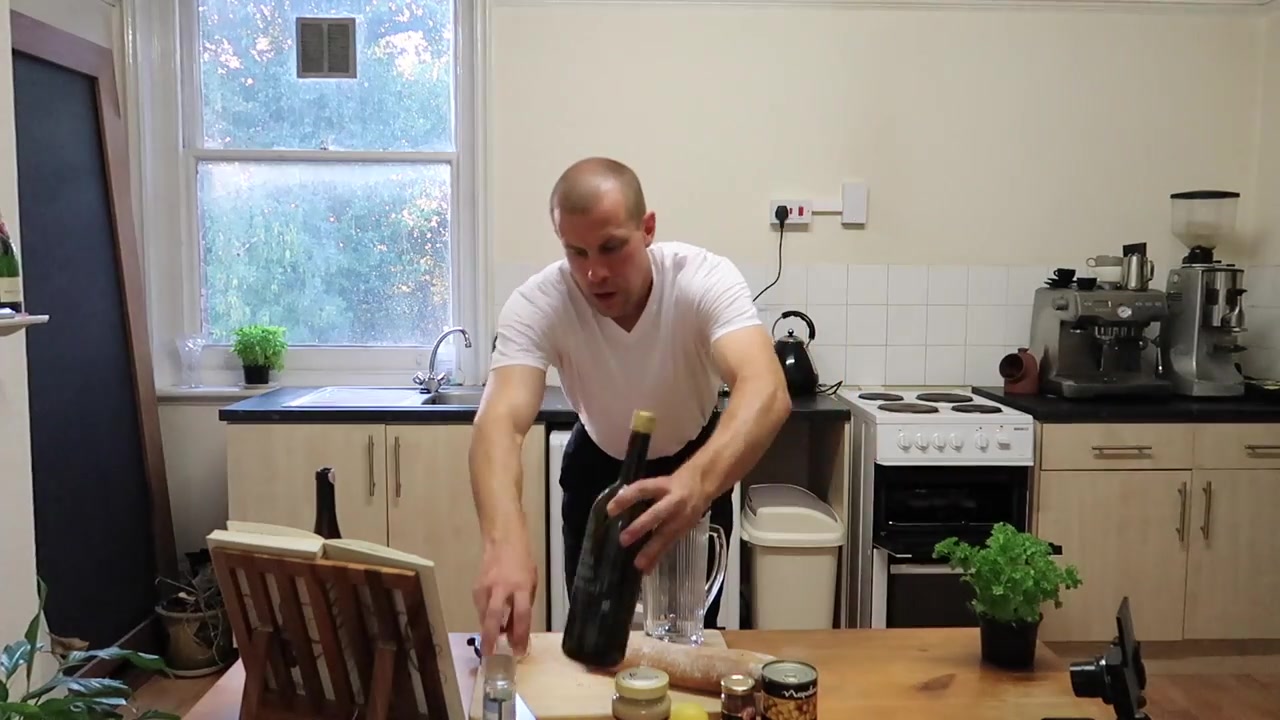
Importantly, Barry does not claim a laboratory-perfect reconstruction. This is Barry’s 2018 interpretation. He made it at home after reading the book and responding to its ideas. That distinction is part of the archive’s value. The camera records how a London restaurant cookbook entered ordinary domestic life and encouraged its reader to cook, adapt and taste.
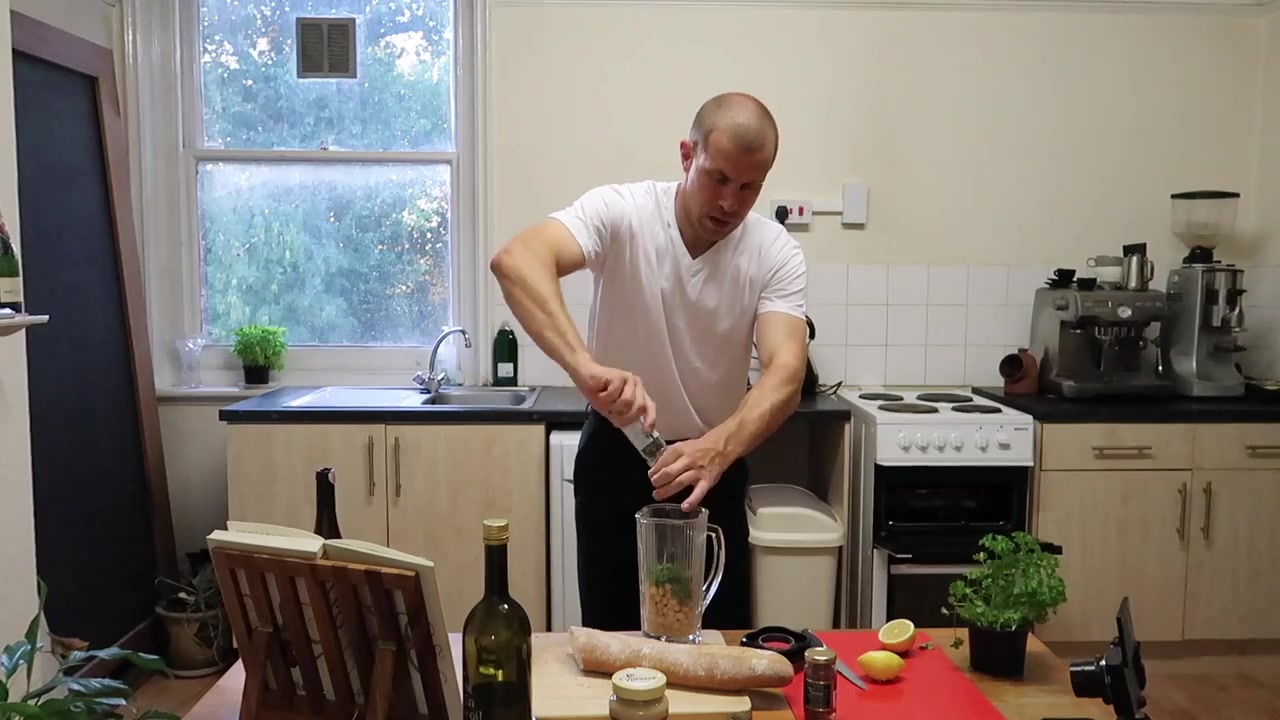
As a result, the “salty hummus” description makes sense when the mixture comes together. It has the texture and chickpea base people recognise, but the anchovy shifts it firmly towards the Venetian bar snack that inspired it. Barry keeps the topping rustic instead of completely smooth. This gives the finished crostini a more substantial character.
The finished crostini
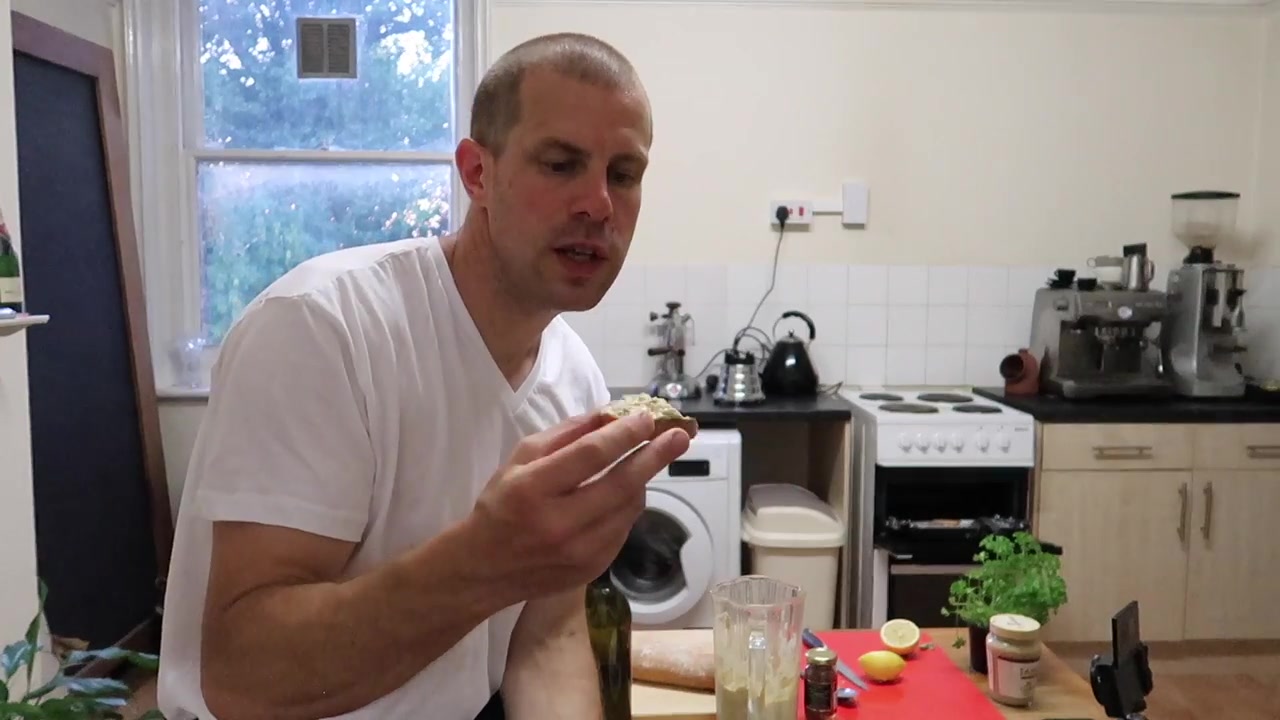
Finally, the tasting is enthusiastic, although the anchovy makes this a dish for people who enjoy decisive seasoning. Smaller portions would work naturally among other crostini or cicchetti. Its strongest quality also shaped POLPO. A short ingredient list produces something vivid, social and unmistakably suited to wine.
Russell Norman died in 2023. Nevertheless,, but his influence on London hospitality remains visible in the restaurants he created, the people he worked with and the books that carried his ideas into home kitchens. This film preserves one small example of that influence in practice. It brings together a London viewer, a Venetian-inspired cookbook and a summer afternoon in 2018.

Recent Comments