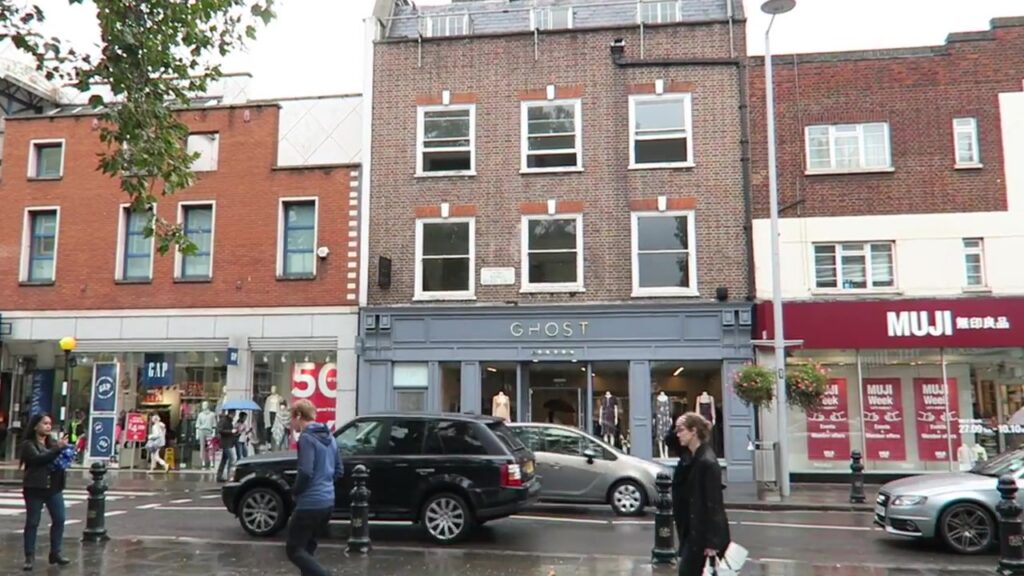
Thomas Crapper in Chelsea is the starting point for this rainy King’s Road walk, but the story soon becomes a personal one. Outside his former shop, I remember my grandmother’s tales about the famous plumber and an unexpected connection with our family grave.
From the Roberts London archive: first published on 8 November 2016. The film and photographs show King’s Road as it looked then.
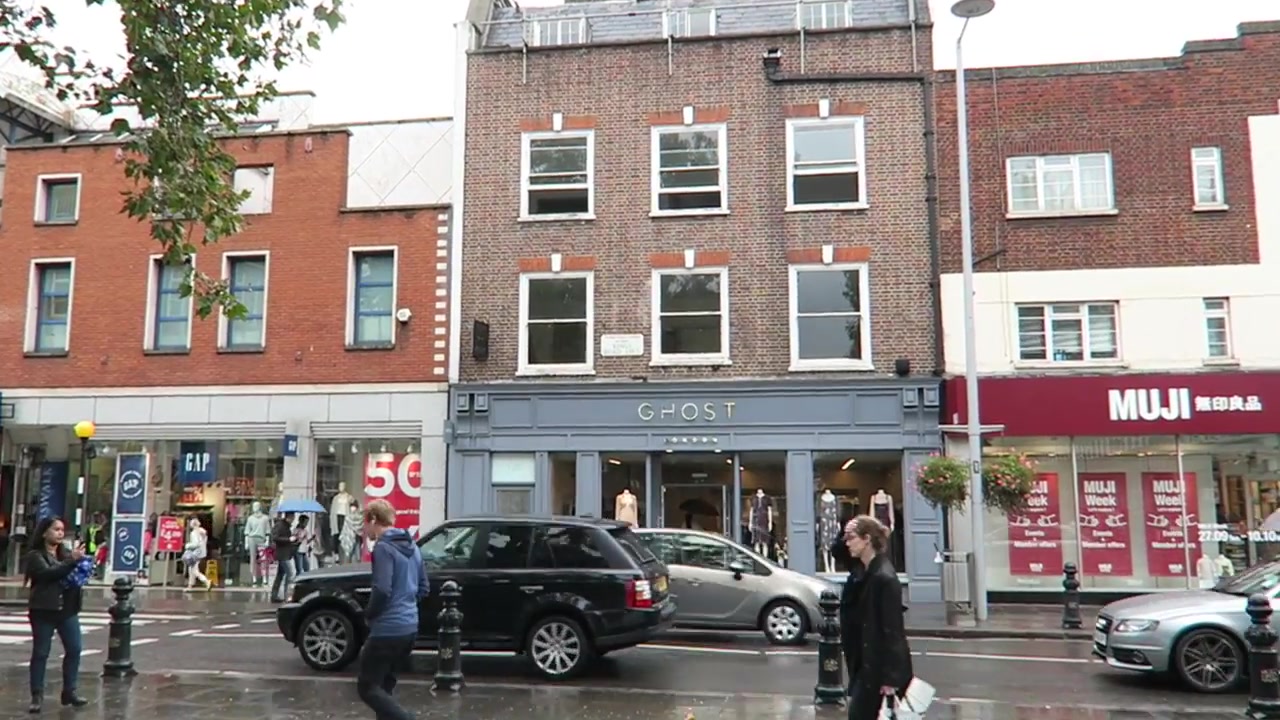
Finding Thomas Crapper in Chelsea
At 120 King’s Road, I point out the premises associated with Thomas Crapper. In the film, the shopfront belongs to Ghost. It is an ordinary moment on a busy shopping street: cars pass, people carry umbrellas, and a bit of plumbing history sits among the clothes shops.
My grandmother used to tell me that Crapper invented the toilet. However, that familiar story needs a correction. He did not invent the flushing toilet. His name belongs to the history of plumbing and improvements to sanitary equipment, rather than a single invention that began it all.
The company’s own history of Thomas Crapper dates his plumbing and sanitary engineering business to 1861. It also describes his move into bathroom showrooms. That is a useful reminder of the business behind the famous name.
A pause at the Chelsea Drugstore
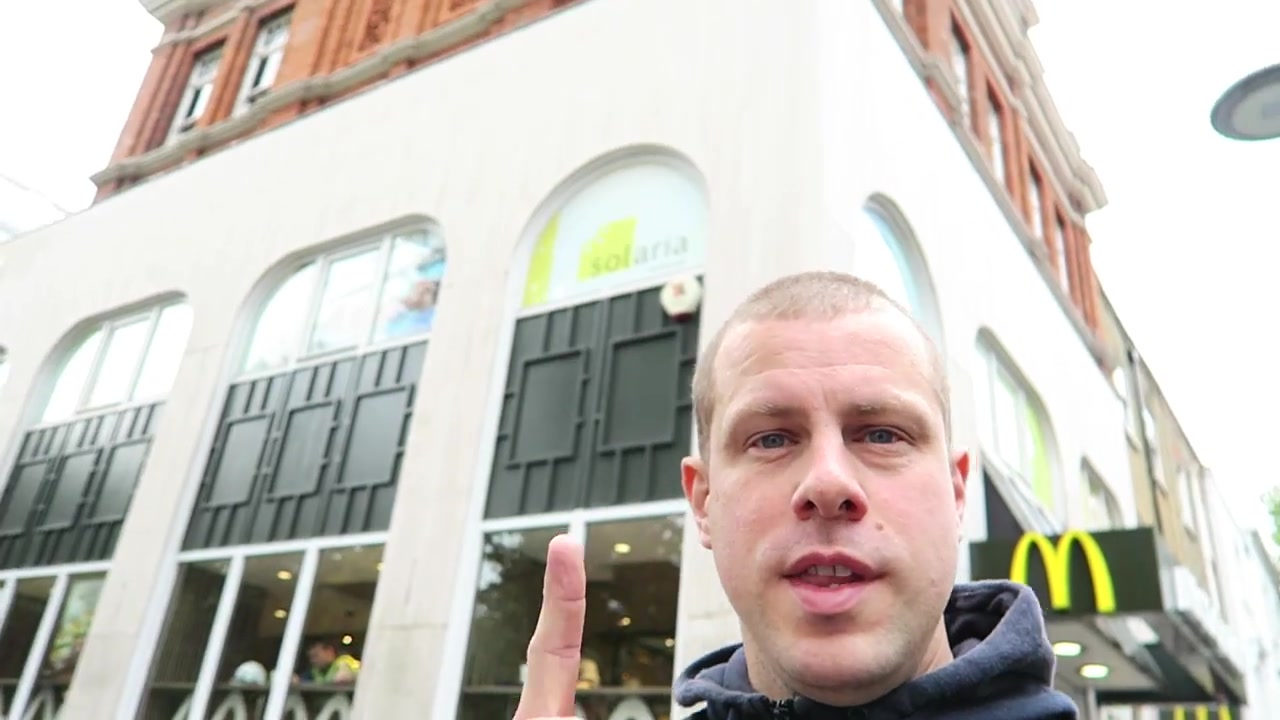
Before getting far with the Crapper story, I duck into the former Chelsea Drugstore to escape the rain. It was a McDonald’s when I visited. I plan to have a coffee, but come back out without one once the weather has eased.
The Drugstore prompts another set of memories about King’s Road and its reputation in the sixties. In the film I mention its connection with the Rolling Stones song You Can’t Always Get What You Want. This is a separate building from the Crapper premises, even though both appear at the beginning of the walk.
My grandmother’s Thomas Crapper story
The reason Crapper’s name stayed with me was not a childhood interest in plumbing. My family’s grave was beside his at Elmers End, and my grandmother looked after it. As I explain in the video, she often talked about the famous neighbour.
Then, in the story she passed down, volunteers interested in Crapper began tending his grave. The graves were so close that their cleaning extended to the surrounding area, including ours. My grandmother was delighted: a job she had been doing herself was getting some unexpected help.
I tell this as a family recollection. In the film, I am uncertain about the exact name of the group involved. The part I remember clearly is how pleased my grandmother was with the arrangement. That small, practical detail makes the famous plumber much more personal to me than his reputation alone.
Continuing along King’s Road
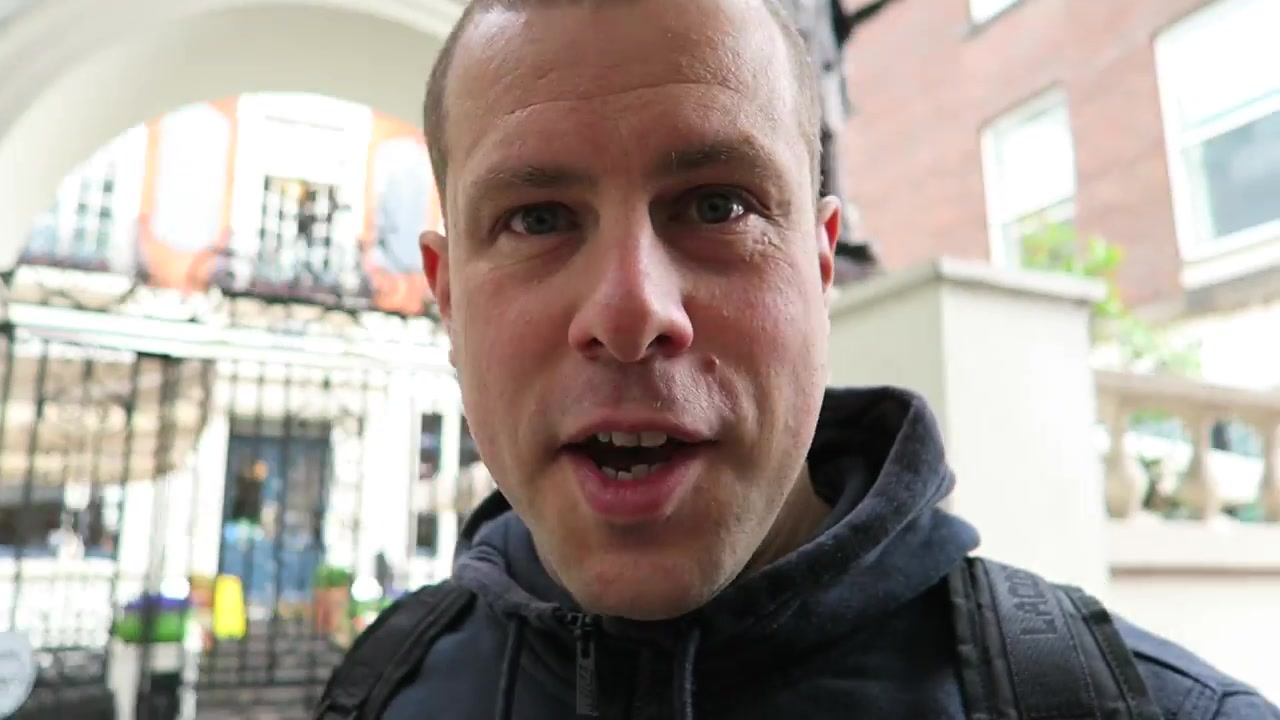
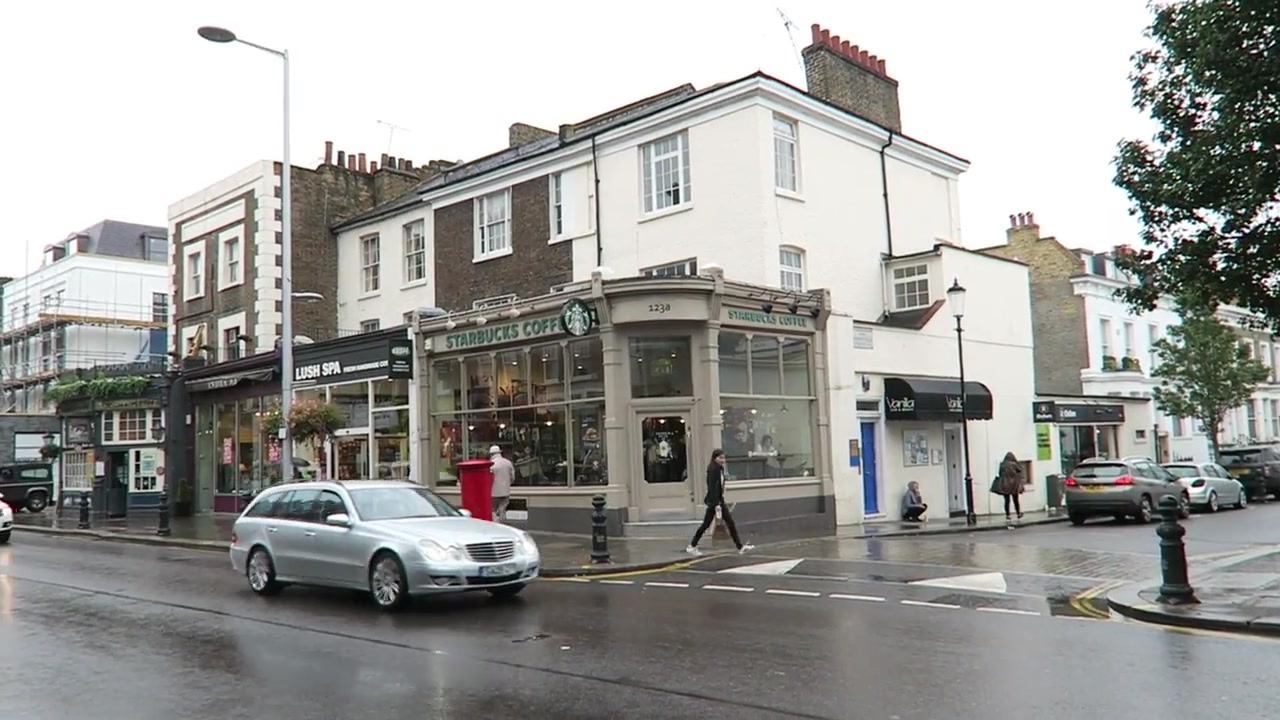
As usual, the walk takes a few detours. I keep getting distracted by buildings, shopfronts and the changes happening along the street. The camera records wet pavements, passing traffic and familiar chains occupying distinctive premises.
Those interruptions are part of the pleasure of the film. A story about one person turns into a look at the street around him. There is no visit inside a plumbing showroom and no tour of the cemetery here; the connection unfolds as I walk through Chelsea.
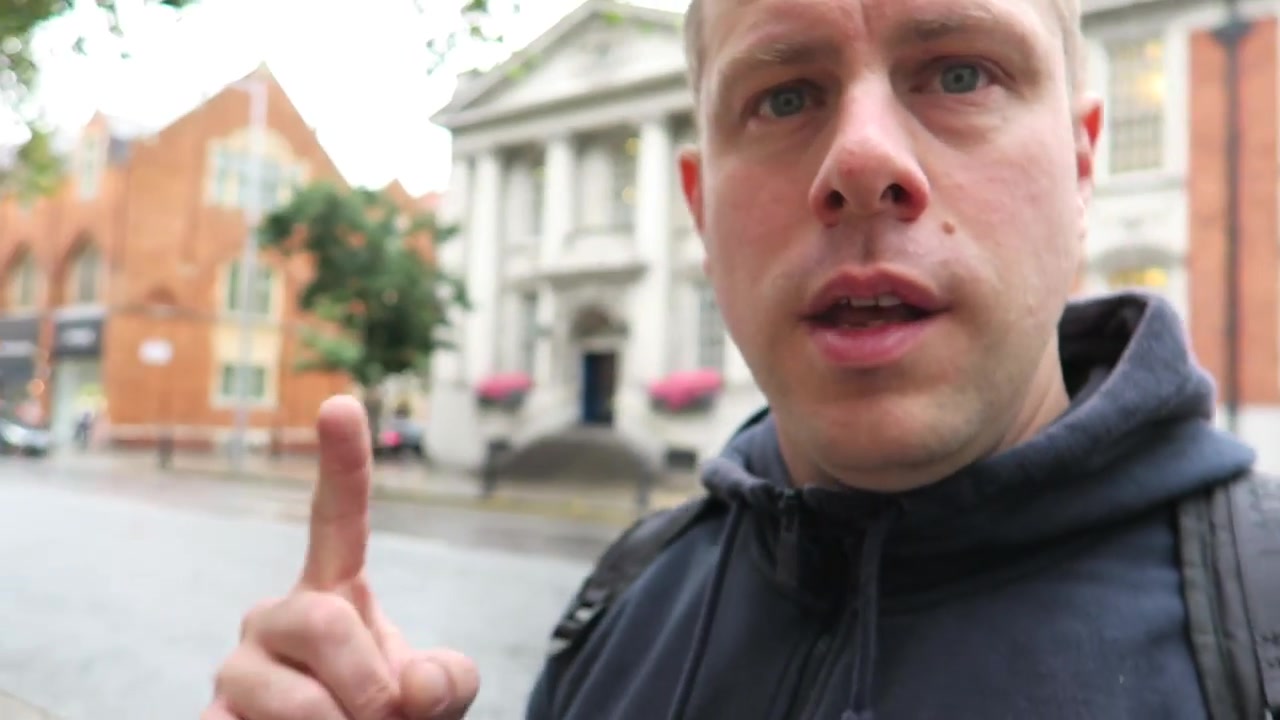
Near the end, I reach Chelsea Old Town Hall and point out its entrance. I talk about the wedding parties that can spill out onto the pavement, sharing the street with the shoppers. It is a fitting place to finish a walk that mixes local history with ordinary life.
Watch the original Chelsea walk
The seven-minute film below includes the former Crapper shop, the pause at the Drugstore and the full family story. For another view of the neighbourhood later that year, see my Chelsea Christmas lights walk from 2016.
