Archive note: this visit was filmed and first published on 19 February 2017. Practical information was checked again in August 2026, but the prices and food shown are a record of the pub as it was on the day.
Ye Olde Mitre is the sort of London pub you can stand within twenty paces of and still fail to see. It is hidden behind Hatton Garden, reached through a passage so narrow that it looks more like a gap between buildings than the way to one of London’s most atmospheric historic pubs.
I made this film after finishing work in Hatton Garden on a Friday. The plan was simple: walk through Ely Place, find the pub, order a pint and something traditional to eat, then continue towards the City of London. What followed became a compact tour of medieval London, pub folklore and Victorian heraldry.
From Hatton Garden into Ely Place
The walk begins among the workshops and showrooms of Hatton Garden. Turn into Ely Place and the jewellery quarter suddenly gives way to a quiet Georgian cul-de-sac. In the film it feels unusually still for central London, with red paving, restrained terraces and a gate at the entrance.
Halfway along stands St Etheldreda’s Church. It is much older than the surrounding houses: Historic England’s Grade I listing dates the chapel to about 1300 and identifies it as the chapel of the London town house of the Bishops of Ely. The medieval chapel and crypt survived while most of the palace around them disappeared.
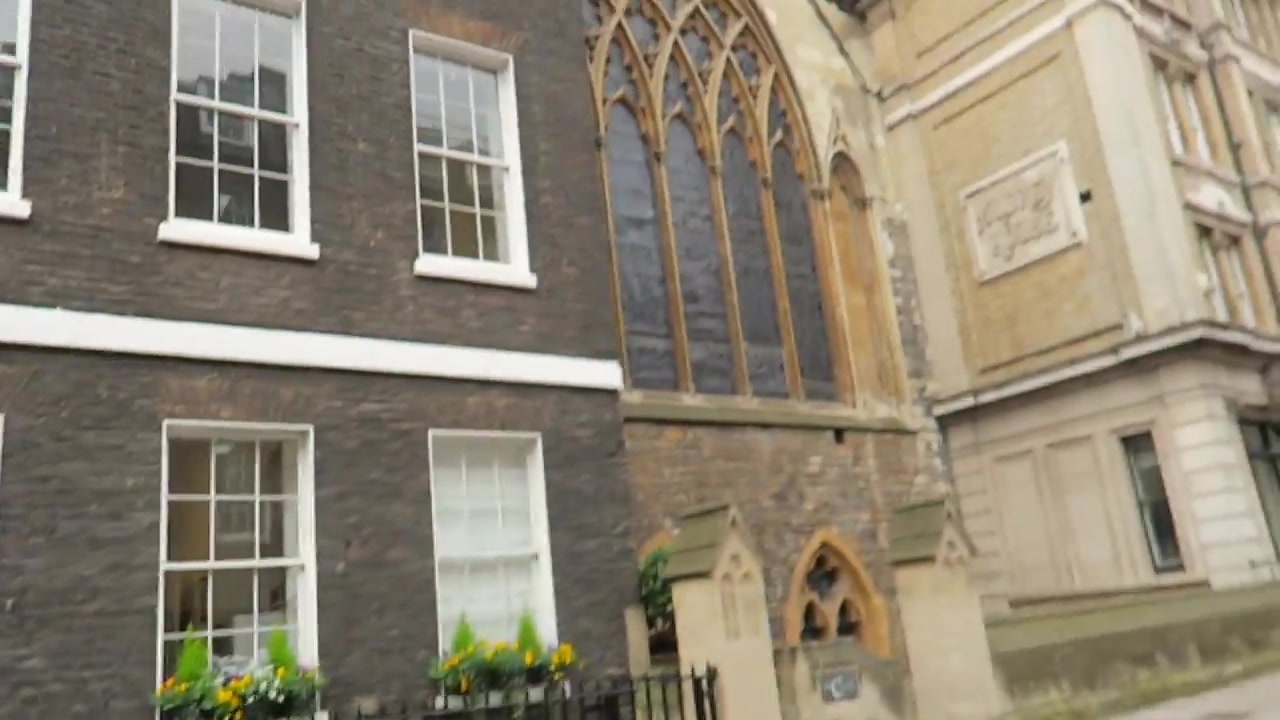
The houses belong to the next chapter of the site. An Act of Parliament allowed the old Ely estate to be sold in 1772, and Charles Cole cleared most of the remaining palace buildings before laying out the present Ely Place in 1775. That change matters when we come to the pub’s own dates.
How to find Ye Olde Mitre
There are two approaches. From Ely Place, look for the opening marked Ely Court on the eastern side of the street. From Hatton Garden, the entrance is between shopfronts and is even easier to miss. In 2017 there was only a modest sign pointing towards the pub.
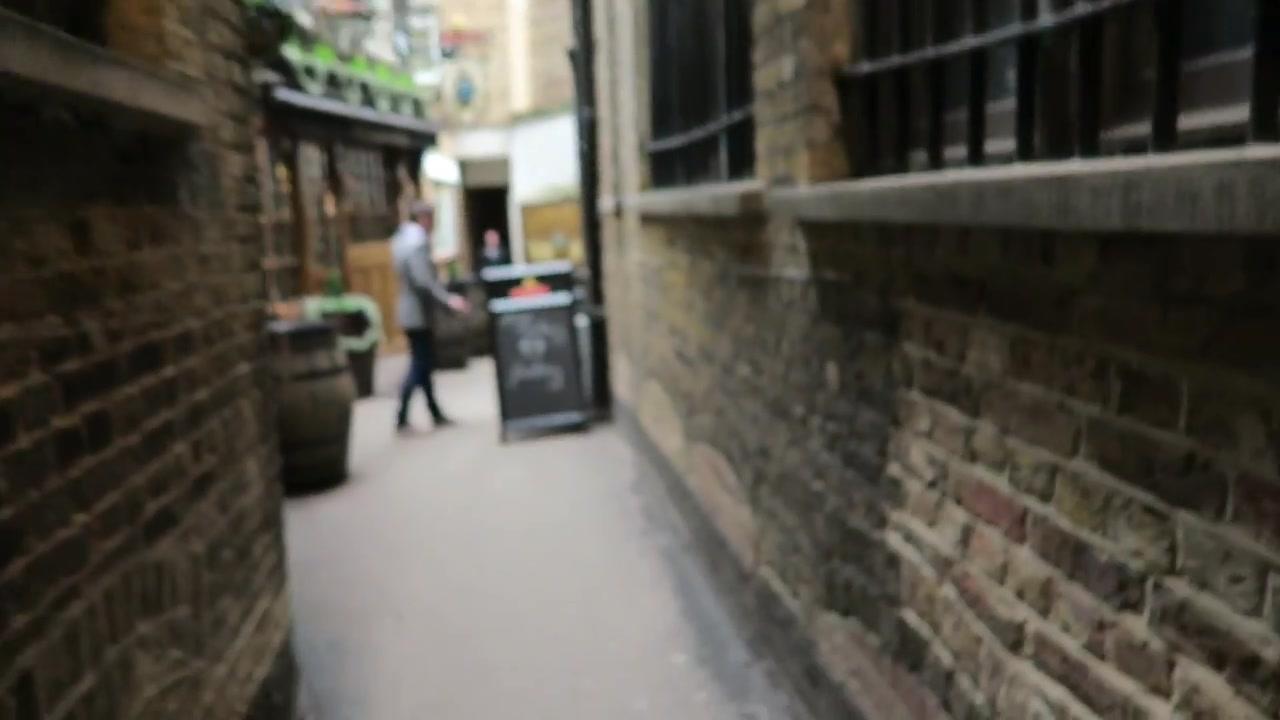
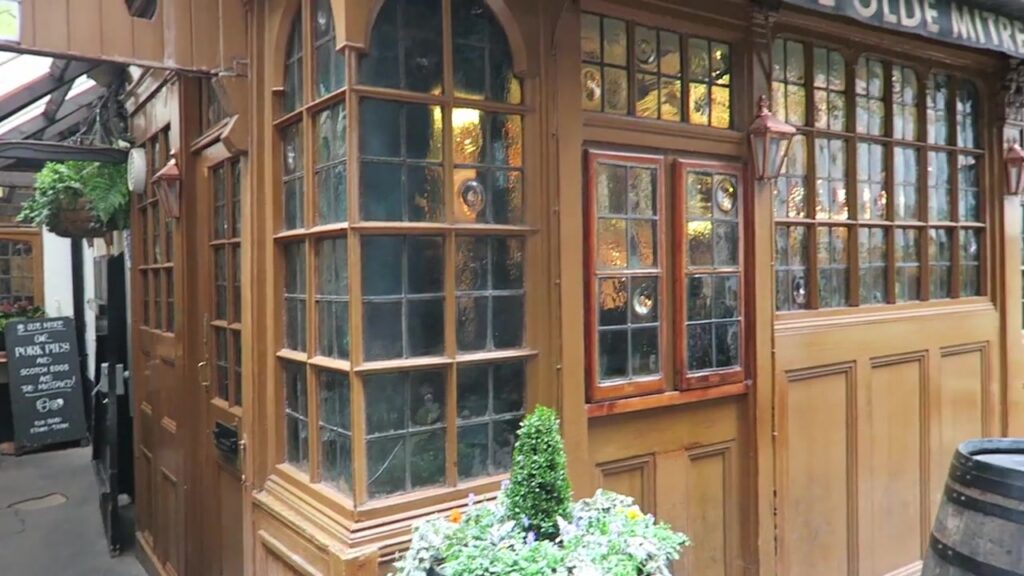
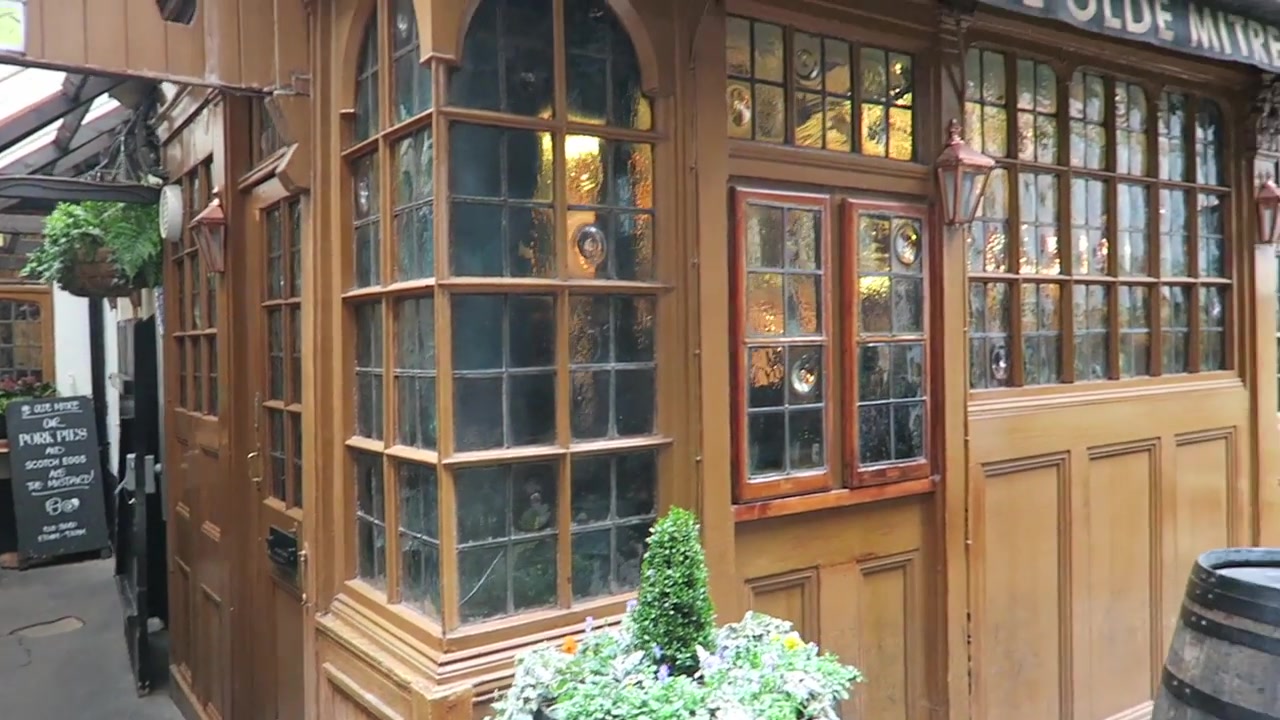
Follow the brick passage and it opens into a pocket-sized courtyard. Barrels, hanging baskets and the pub’s brown glazed frontage fill the space. The setting is a large part of the pleasure: Ye Olde Mitre does not sit grandly on a corner or advertise itself across a main road. You have to go looking for it.
Inside the pub: small rooms, real ale and a sausage roll
Inside, the pub is divided into compact rooms and snugs rather than one open drinking hall. The front bar is dark, polished and tightly packed; a lounge bar and an upstairs room add more space, while the little courtyard works as the pub’s outdoor drinking area.
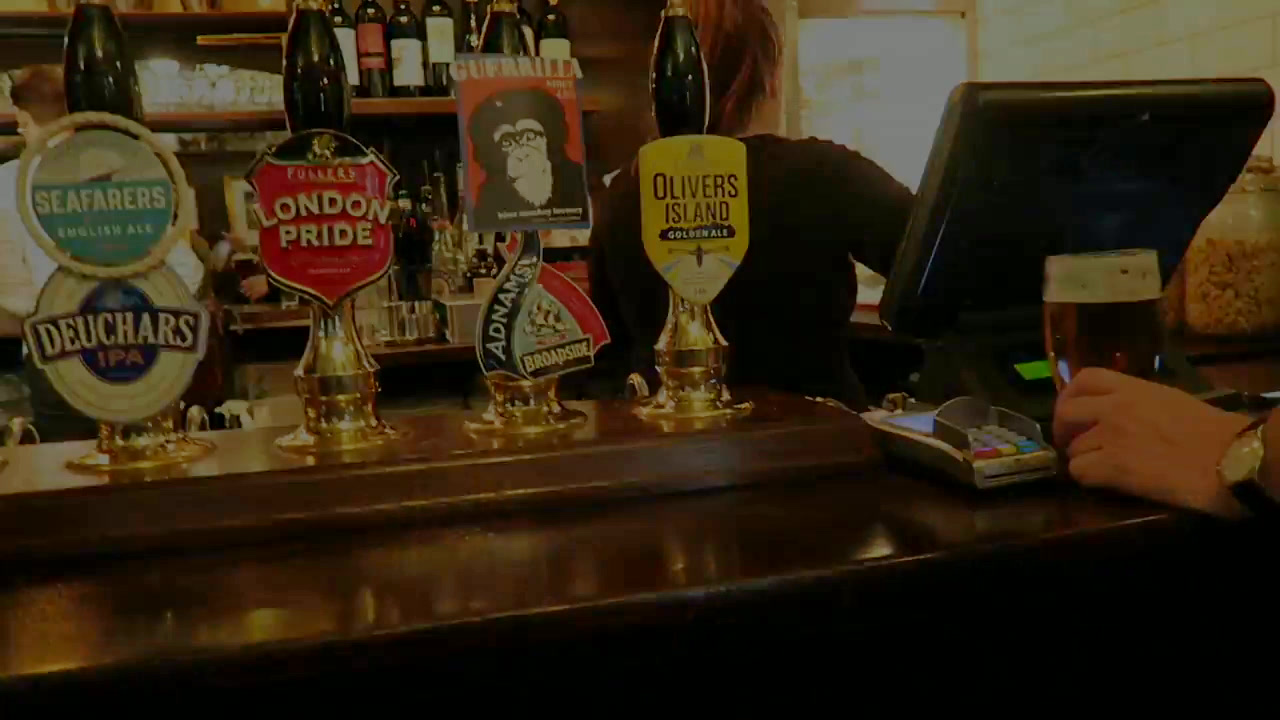
I ordered a pint of London Pride and a homemade sausage roll with English mustard. The 2017 food board was wonderfully direct: sandwiches, sausages, hot pies, pork pie, Scotch egg, gala pie and pork scratchings. This was pub food in the literal sense—something savoury to have with a drink, not a restaurant menu dressed up for a bar.
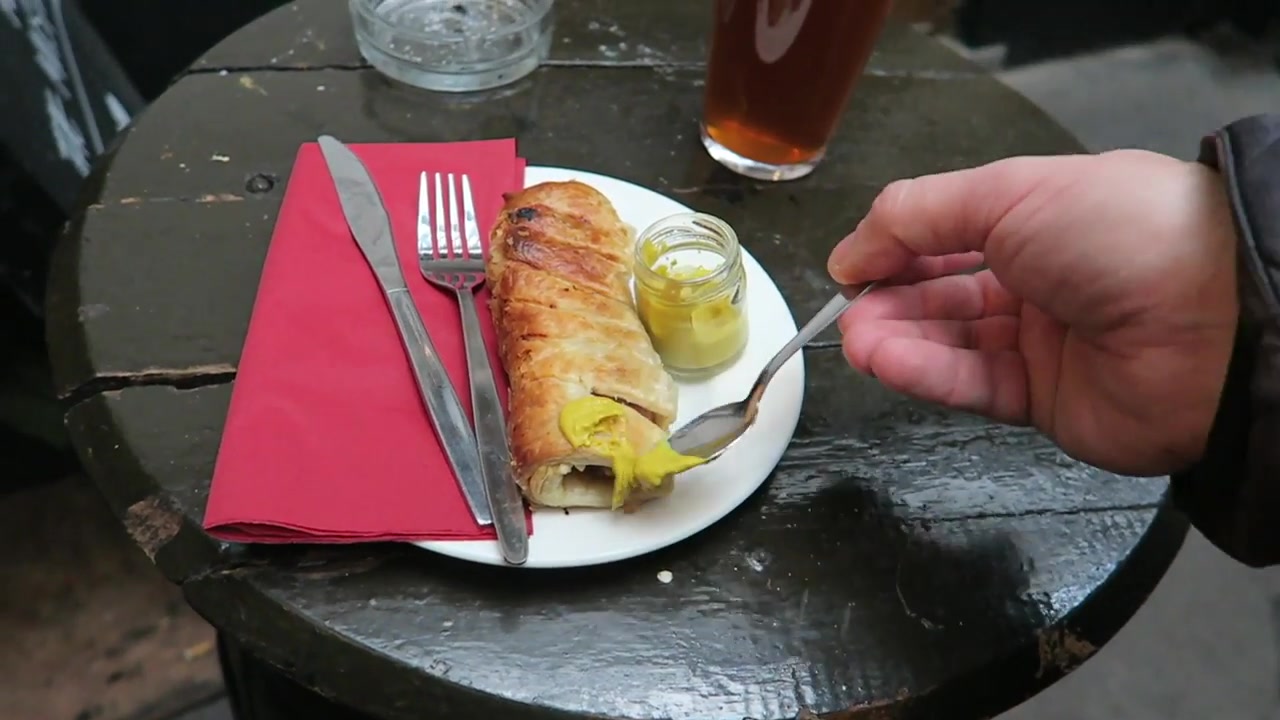
The sausage roll was exactly what I wanted: hot, deeply savoury and wrapped in pastry that scattered flakes across the plate. I thought I could taste sage and onion in the pork. With the mustard and the bitter, it was a convincing little London lunch.
The pub still concentrates on real ale. Its current drinks page advertises seven hand-pulled ales, including guest choices, while the current food menu centres on toasties and homemade bar snacks. The exact sausage roll and the prices in the film should therefore be read as a 2017 snapshot, not a promise about today’s menu.
Is Ye Olde Mitre really from 1546?
The pub displays 1546 prominently, and its own history says that a tavern was built here for the servants of the Bishops of Ely. That is the traditional founding date. The same history also tells stories of Queen Elizabeth I dancing around a cherry tree and of the pub once being licensed in Cambridgeshire because the Bishop’s London estate lay outside ordinary London jurisdiction.
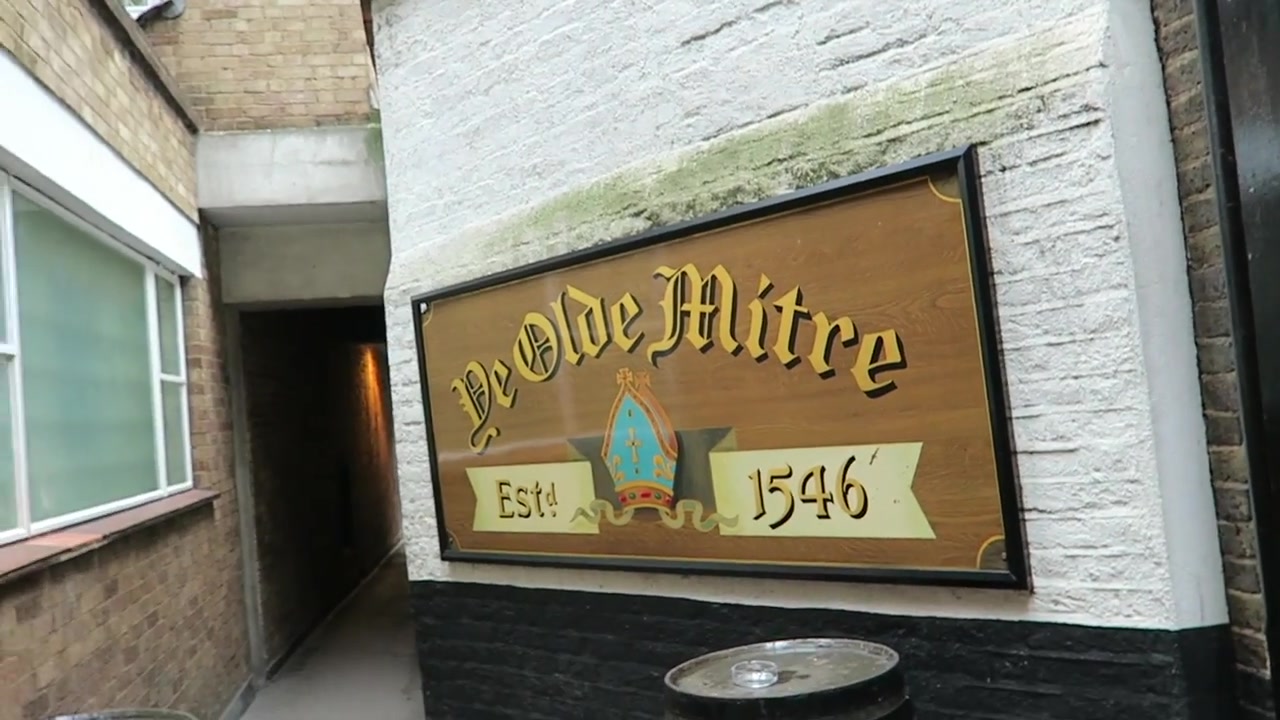
Those stories are part of the pub’s identity, but the building evidence gives us a firmer second date. Historic England lists Ye Olde Mitre as a Grade II public house dating from about 1773, with early twentieth-century internal remodelling and a later rear extension.
The safest way to describe it is this: Ye Olde Mitre claims tavern roots going back to 1546, while the surviving pub building is chiefly from the 1770s. That does not make it less historic. It gives the place two useful layers—the long tradition attached to the site and the fabric you can still walk into.
“London’s oldest pub” is never a simple title. Different lists measure different things: the age of a licence, a site, a cellar, a surviving structure or a continuous drinking tradition. Ye Olde Mitre belongs in the conversation, but it is more interesting as a real place than as the winner of an impossible contest. For another pub where the setting carries as much weight as the date, see my visit to the Prospect of Whitby in Wapping.
What has changed since the 2017 film?
The biggest practical change is Saturday opening. In the film I explain that the pub opened Monday to Friday and that Hatton Garden could feel like a ghost town at weekends. As of August 2026, the official Ye Olde Mitre website lists opening from 11am to 11pm Monday to Friday, 11am to 9pm on Saturday, and closed on Sunday. Food service hours are shorter, particularly on Saturday, so check the official site before making a special journey.
The film remains useful because the route has not lost its basic trick. You still leave one of central London’s busiest working streets, slip through an easily missed passage and arrive at a pub that feels enclosed by another century.
From Camden to the City: dragons and winged lions
After the pint, the film continues east towards Holborn Viaduct and the edge of the City of London. This is where London’s civic creatures become confusing. The metal boundary markers that guard many roads into the Square Mile are dragons, although they are regularly called griffins. Holborn Viaduct adds another animal: large winged lions.
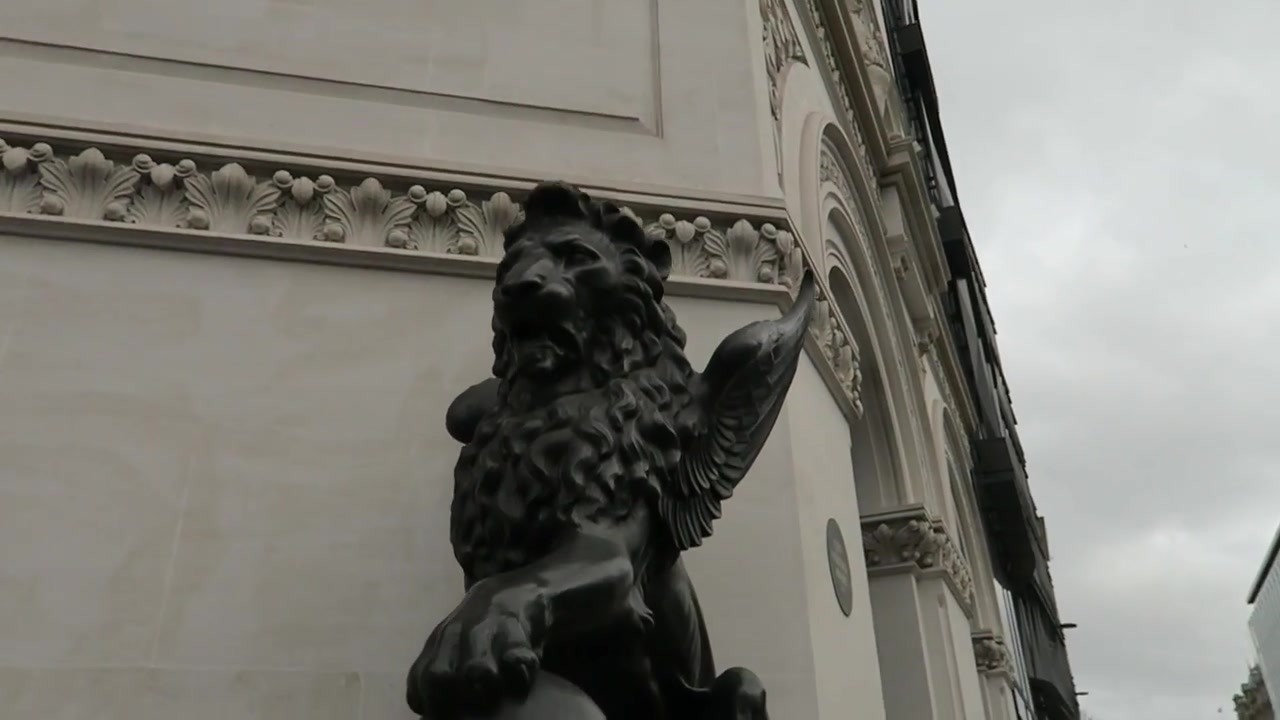
The Grade II listing for Holborn Viaduct dates it to 1863–69 and records its cast-iron spans, granite piers, statues, City arms and pairs of winged lions. The film’s postscript corrects an easy mistake: the viaduct’s ornament marks the City visually, but the actual roadside dragon boundary markers stand farther along the route.
It is a good final detail for this particular walk. Around Hatton Garden and Holborn, London’s history is rarely presented in one clean line. It appears in a medieval chapel, a Georgian street, a pub claiming Tudor roots, a Victorian bridge and a heraldic creature that people keep naming incorrectly.
Planning a visit
- Address: 1 Ely Court, Ely Place, London EC1N 6SJ.
- Nearest stations: Farringdon and Chancery Lane.
- Best approach: use Ely Court from Hatton Garden for the full hidden-pub reveal.
- Opening: currently Monday to Saturday, closed Sunday; verify hours on the official site.
- Food: bar snacks and toasties rather than a full pub dining menu.
If you enjoy this side of London—small rooms, old signs and pubs shaped by the streets around them—continue with my guide to historic Covent Garden pubs. For a walk that mixes independent food with another characterful pub stop, try Seven Dials, Monmouth Coffee, Yum Bun and The Crown.
Watch the original Ye Olde Mitre film
Ye Olde Mitre questions
Where is Ye Olde Mitre?
It is at 1 Ely Court, off Ely Place behind Hatton Garden. The passage from Hatton Garden is narrow and easy to overlook.
Is Ye Olde Mitre London’s oldest pub?
It is often included on oldest-pub lists and claims roots from 1546. The listed building itself dates chiefly from about 1773, so the answer depends on whether you are measuring the site, tradition or surviving structure.
Can you eat at Ye Olde Mitre?
Yes, but expect traditional bar snacks and toasties rather than a full restaurant menu. The homemade sausage roll shown in the film was part of the 2017 offer and may not always be available.
Is Ye Olde Mitre open at weekends?
It was weekday-only when this film was made. The pub now lists Saturday opening but remains closed on Sunday; check its website for current hours.
What is nearby?
St Etheldreda’s Church is on Ely Place, Hatton Garden is immediately west, and Holborn Viaduct and the western edge of the City of London are a short walk east.

Recent Comments