London restaurants often disappear without leaving much of a visual record. This Roberts London film, first published on 1 November 2014, preserves a brief visit to Wagamama on Lexington Street in Soho.
The film is only three and a half minutes long, but it captures the complete rhythm of the visit: the approach along the street, the descent into the restaurant, the long communal tables, the menu and drinks, and the food arriving in stages.
Wagamama on Lexington Street
The visit begins on Lexington Street, away from the heavier pedestrian traffic of nearby Oxford Street and Regent Street. Wagamama occupies a modern street frontage, but much of the restaurant is below pavement level.
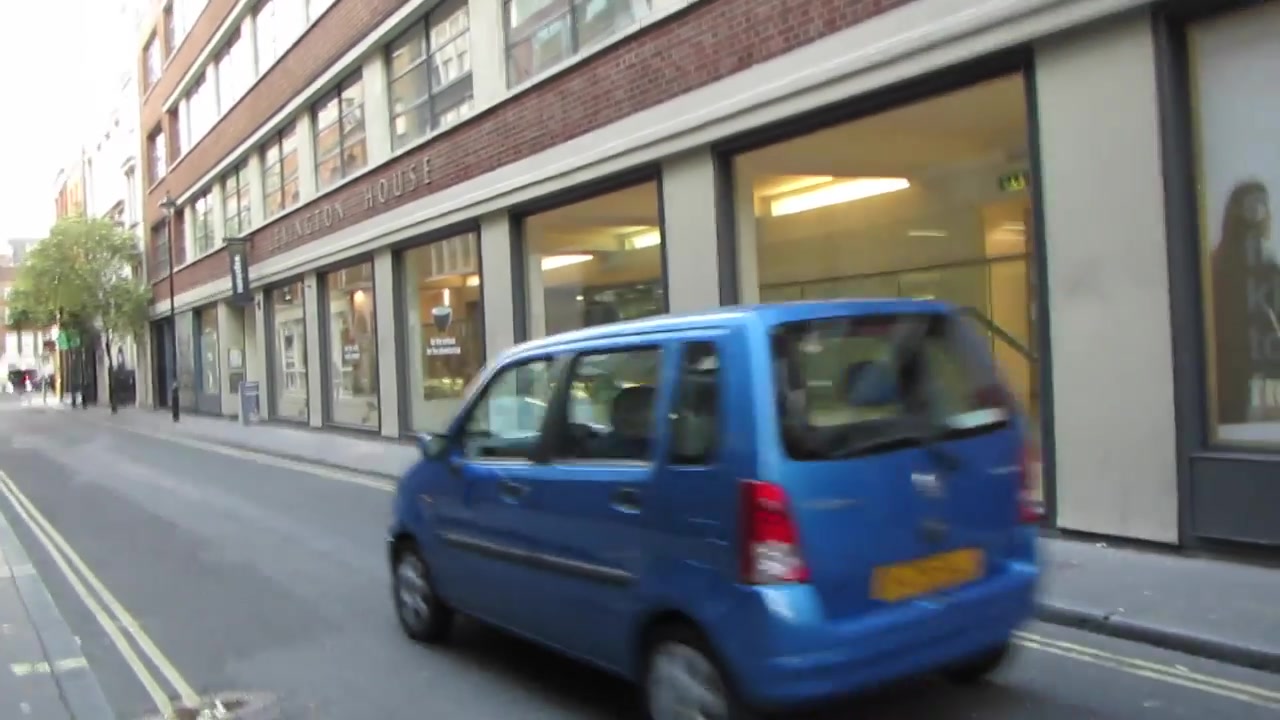
From outside, the camera looks through the glass towards the dining room beneath the street. The route inside continues along a pale corridor and down a staircase before opening into the main restaurant.
This arrangement gives the branch a distinctive character. The kitchen and entrance sit above the sunken dining area, while the lower room is organised around Wagamama’s familiar long tables and benches.
Communal tables and a simple interior
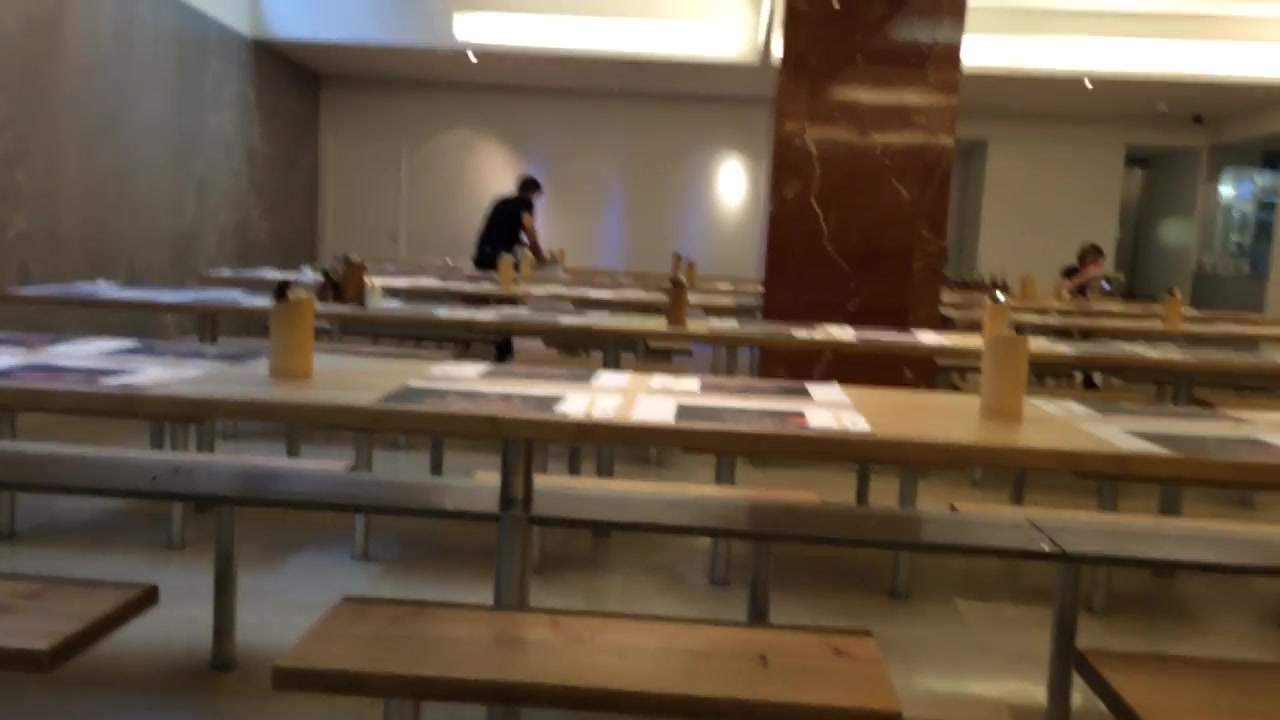
The design is restrained: pale walls, timber benches, stone or concrete surfaces and bright functional lighting. Rather than dividing diners into private tables, the room places them alongside one another on shared benches.
That communal format formed part of Wagamama’s identity from its earliest years. The first restaurant opened in Bloomsbury in 1992, bringing together open kitchens, food cooked to order and long shared tables. By 2014 the chain had expanded far beyond London, but the Lexington Street branch retained that recognisable approach.
The film was recorded during a quiet period, allowing the shape of the room to be seen clearly. Menus, chopsticks and condiments are laid out along the tables, ready for diners arriving later in the day.
Menu, juice and gyoza
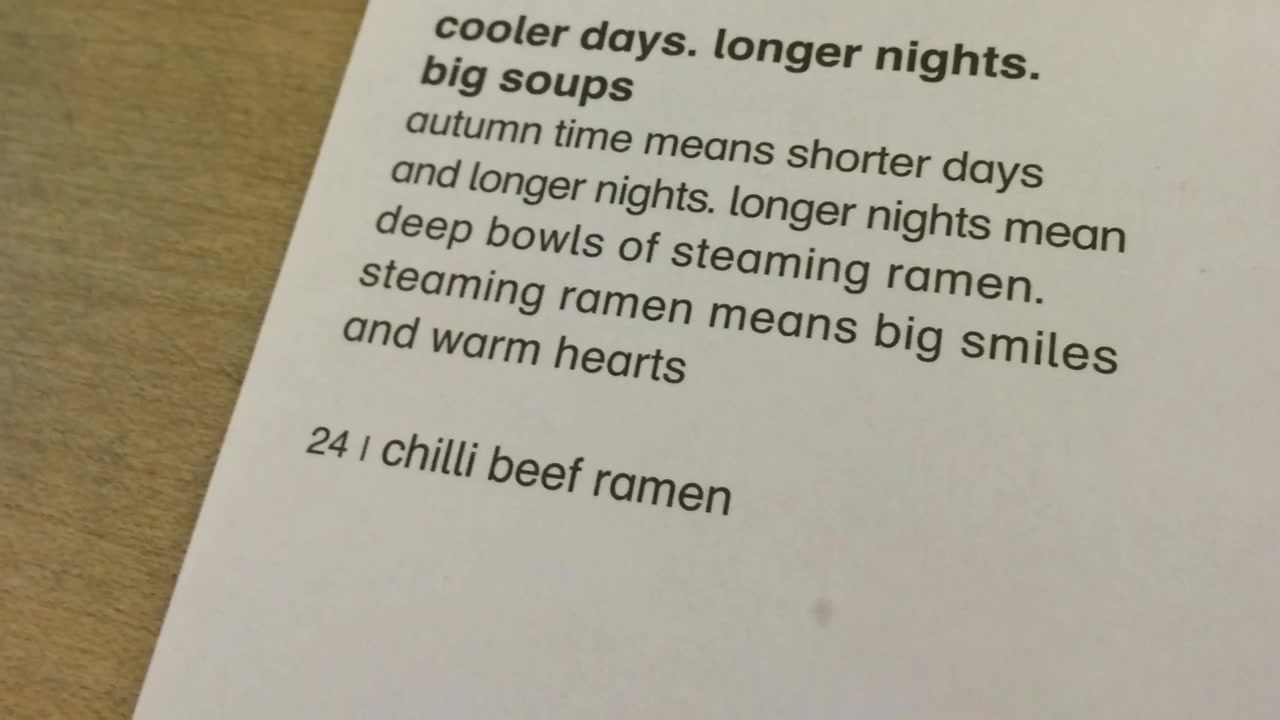
The seasonal menu promotes large bowls of warming ramen for the cooler months. Rather than trying to document every available dish, the film concentrates on the meal as it reaches the table.
A fresh green juice arrives first, followed by a plate of gyoza with a dipping sauce. The dumplings provide a small shared dish before the larger noodle bowls.
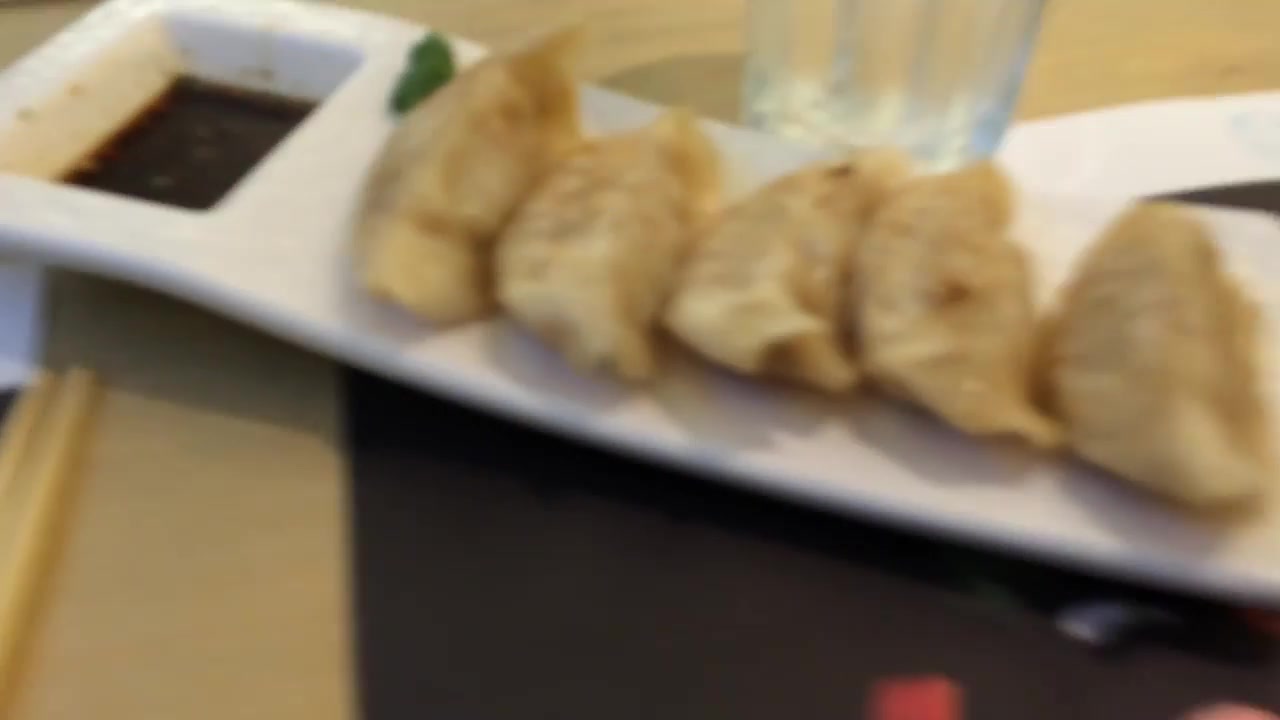
The speed and sequence are characteristic of Wagamama service: dishes are brought when ready rather than being held back so that an entire table can be served simultaneously.
Two bowls of noodles
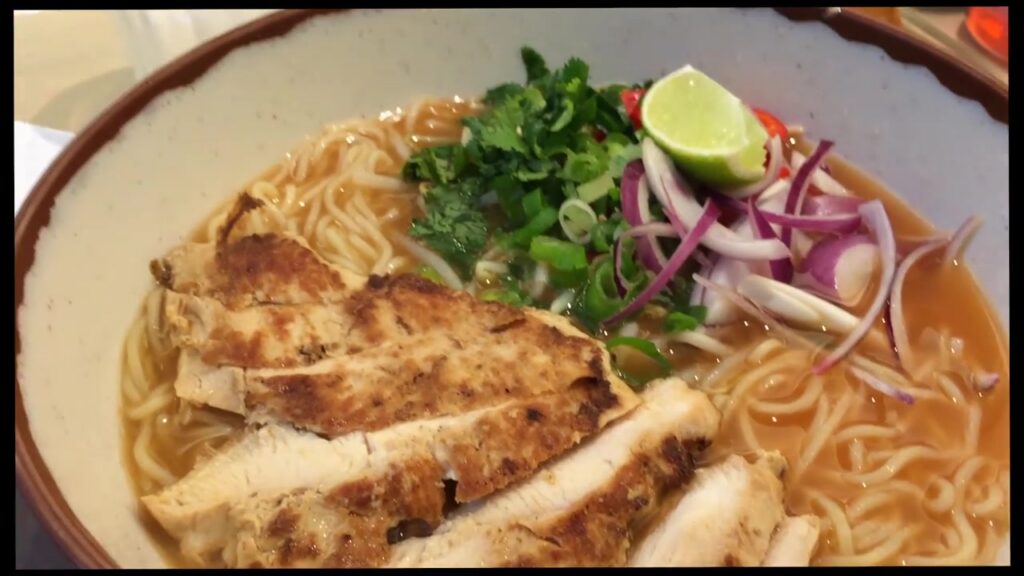
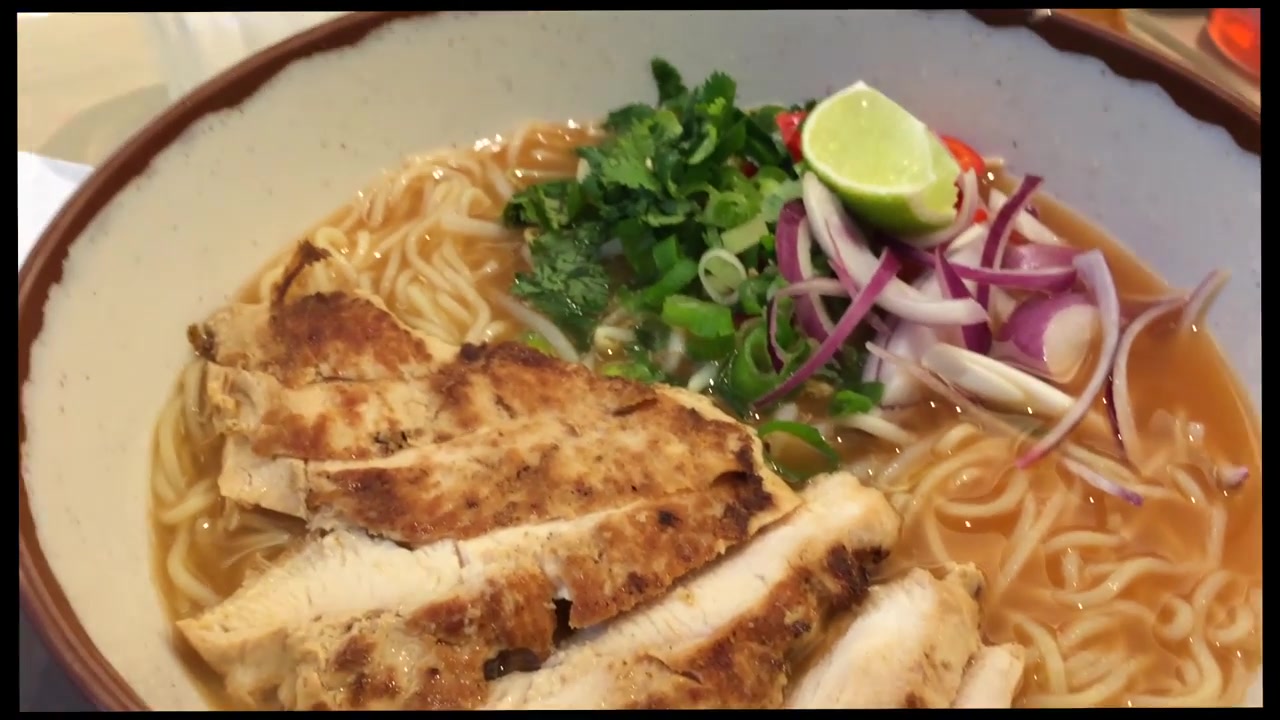
The first main dish is a bowl of noodles in broth topped with sliced grilled chicken, greens, red onion and lime. The camera moves close enough to show the charred surface of the chicken and the noodles beneath it.
A second bowl follows, also built around noodles and broth, with vegetables, herbs and half an egg visible among the toppings. The film does not provide enough reliable detail to assign the exact historical menu name, so the dishes are described as they appear rather than matched to a current Wagamama recipe.
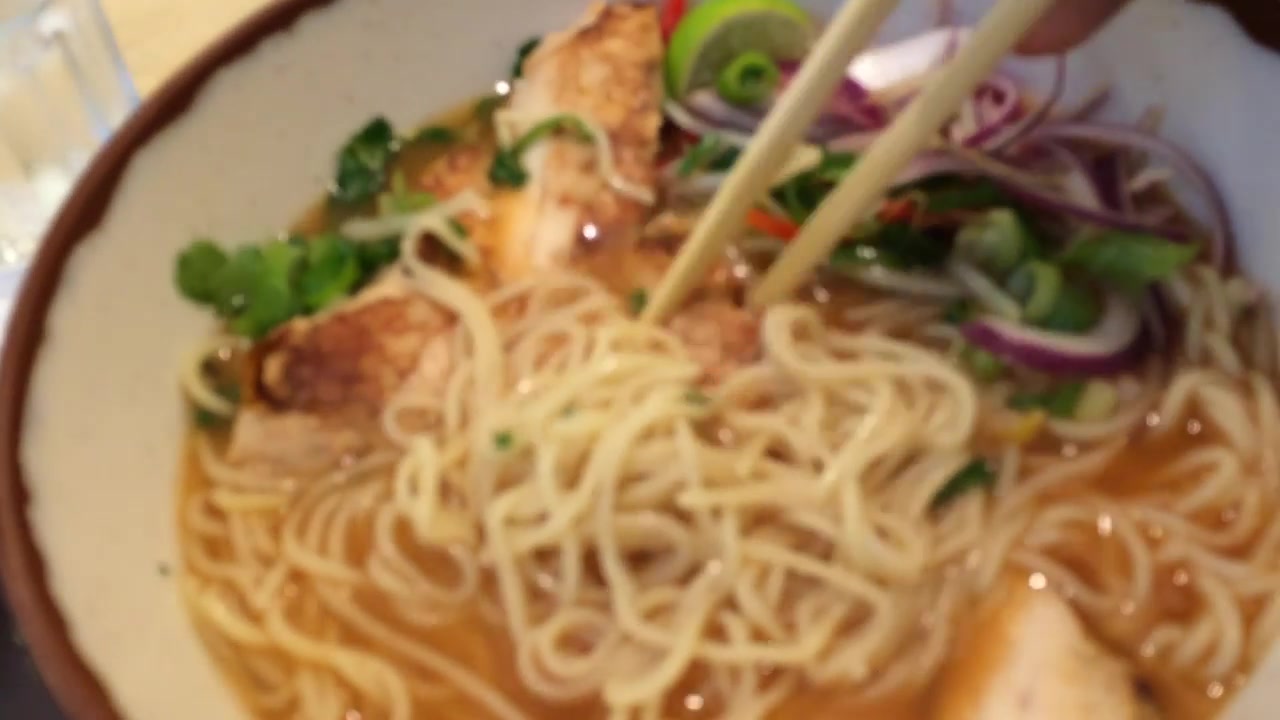
The close views of the food are the strongest part of the short film. They give the visit a practical conclusion after the architectural approach through the restaurant.
A small record of Soho in 2014
The Lexington Street branch is shown as part of an ordinary Soho lunch rather than a formal restaurant review. There is no extended verdict or staged presentation. The interest lies in the place, the meal and the way the restaurant operated at that moment.
Wagamama’s official history traces the company back to its first Bloomsbury restaurant in 1992. Its open-kitchen model, communal benches and made-to-order dishes helped establish a new kind of informal restaurant in London before expanding across Britain and internationally.
This film catches one branch within that wider story. The final shots return upstairs and out onto Lexington Street, leaving behind a compact archive of Wagamama in Soho in November 2014.
Adapted from the Roberts London film: Roberts London Wagamama Restaurant Visit Review, first published on YouTube on 1 November 2014.
