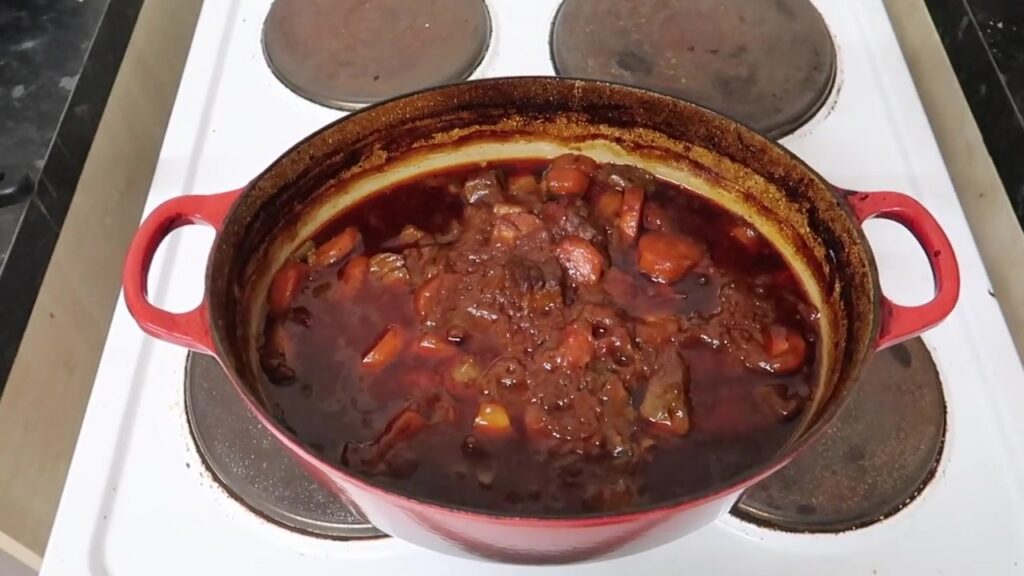
This beef and Guinness stew is my answer to a cold London Sunday: tender beef, carrots, parsnips and celery in a rich sauce, served with bread and butter. The film follows the cooking from the first chopped onion to the finished casserole, with a walk through Crystal Palace Park and a pub stop in between.
Published on 17 March 2018, this re-upload pairs a warming dish with a winter afternoon in south-east London. Bone marrow adds richness, while the long cooking time gives the beef and vegetables time to soften.
Watch the beef and Guinness stew video
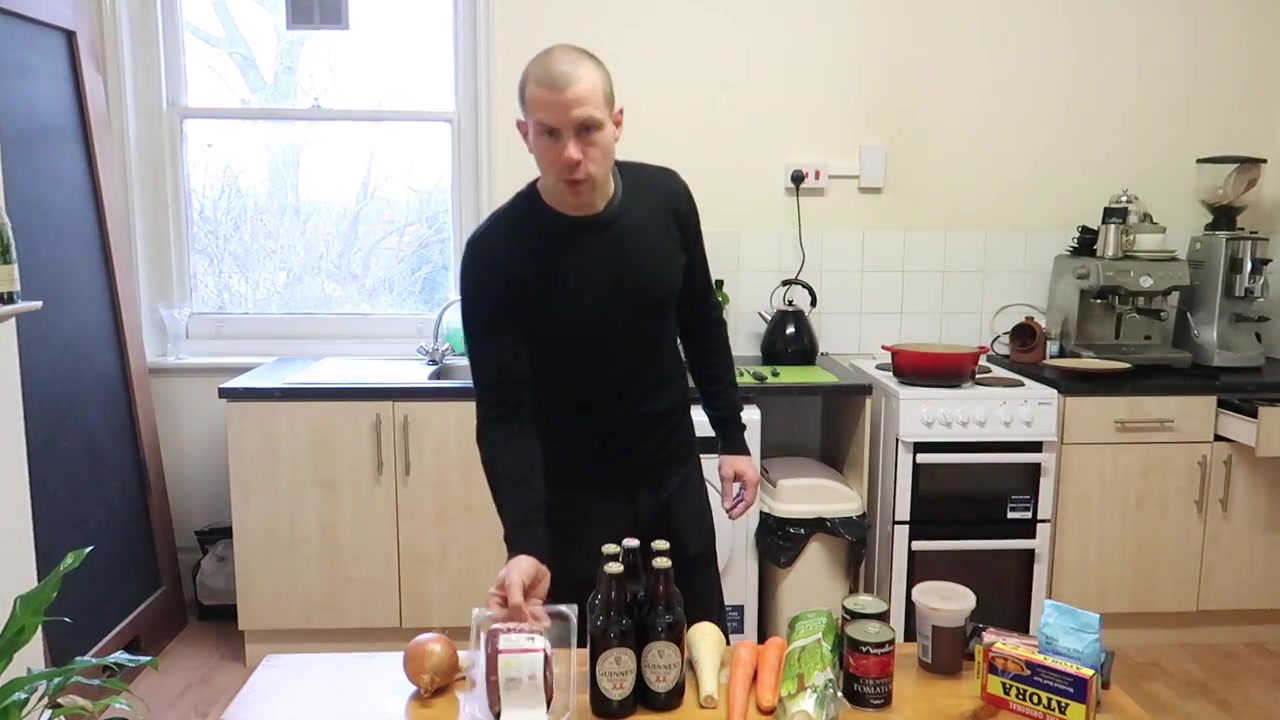
Ingredients used in the film
The video shows the ingredients and method, but does not give a complete set of weights or liquid measures. The list below records what I used; it is a guide to the filmed stew rather than a measured recipe with a fixed serving count.
- Topside beef, cut into bite-sized pieces
- One onion and some garlic
- Cooking oil for the pan
- Guinness
- Parsnips, carrots and celery
- Tinned chopped tomatoes
- Beef stock
- Bone marrow, an optional addition for richness
- Bread and butter, to serve
I have two tins of tomatoes ready at the start, although I say I may not need both. Likewise, the film does not specify the amount of Guinness or stock. Shredded beef suet and self-raising flour appear as an option for dumplings, but I do not use them in the finished meal.
How I make the beef and Guinness stew
1. Chop the beef and vegetables
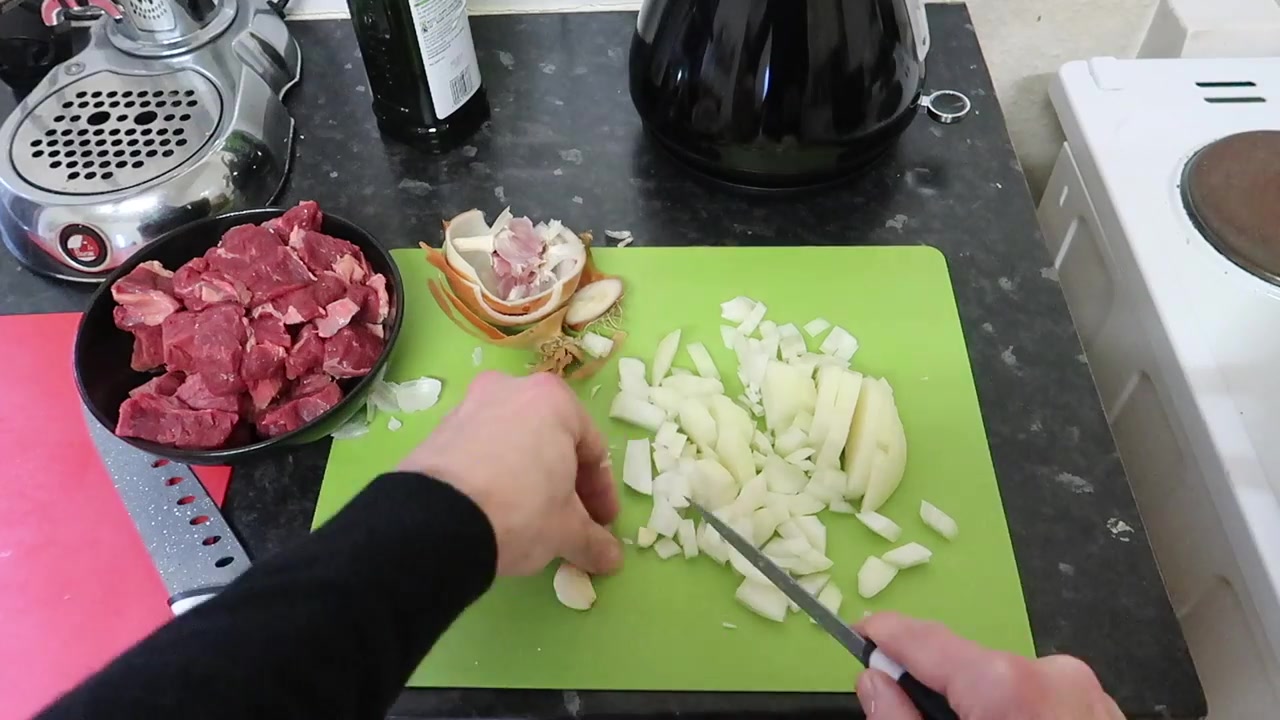
First, chop the onion and garlic. Cut the topside beef into pieces small enough to eat with a spoon. Then peel and chop the parsnips and carrots, and cut the celery into similar-sized pieces.
The point is to make a stew that is easy to eat from a bowl. There should be no need to tackle a large piece of meat with a knife and fork.
2. Brown the beef and add Guinness
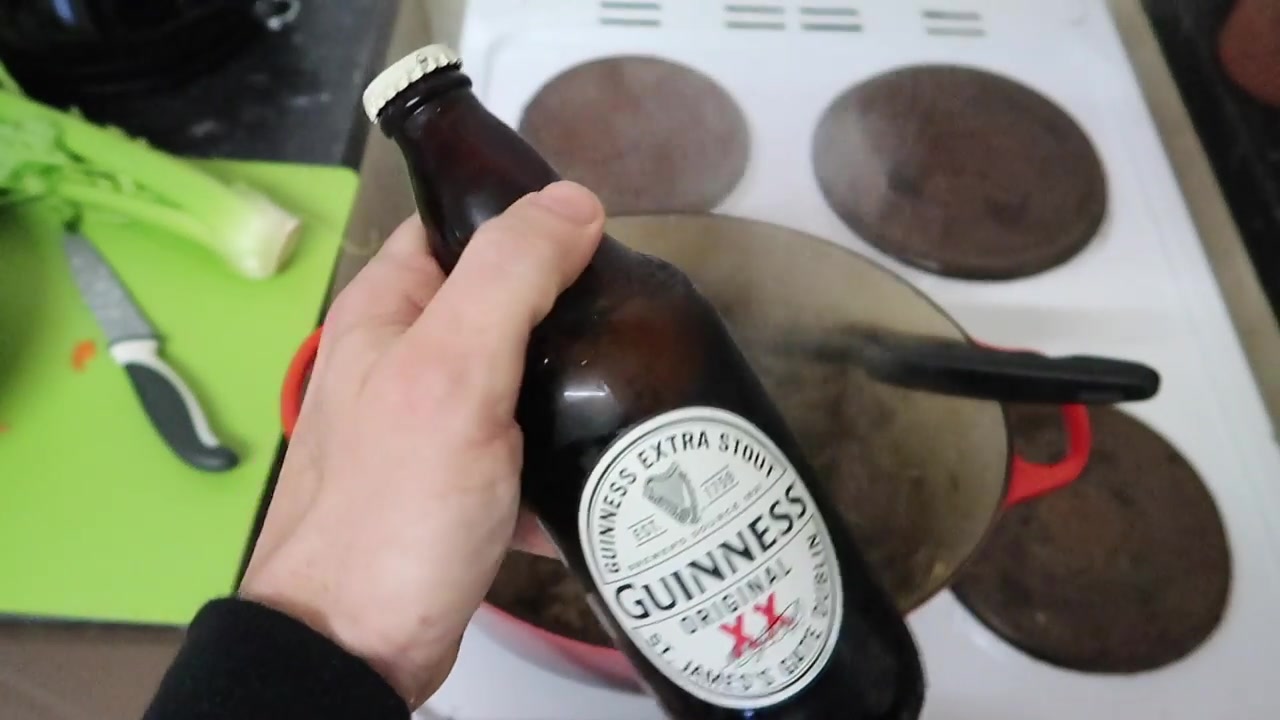
Heat some oil in the casserole and brown the beef with the onion and garlic. Next, add Guinness to deglaze the pan, loosening the browned cooking juices from the base.
In the introduction I also mention Hop House 13 lager as an alternative I have tried. Guinness is the choice for this version and gives the dish its name.
3. Add the remaining ingredients
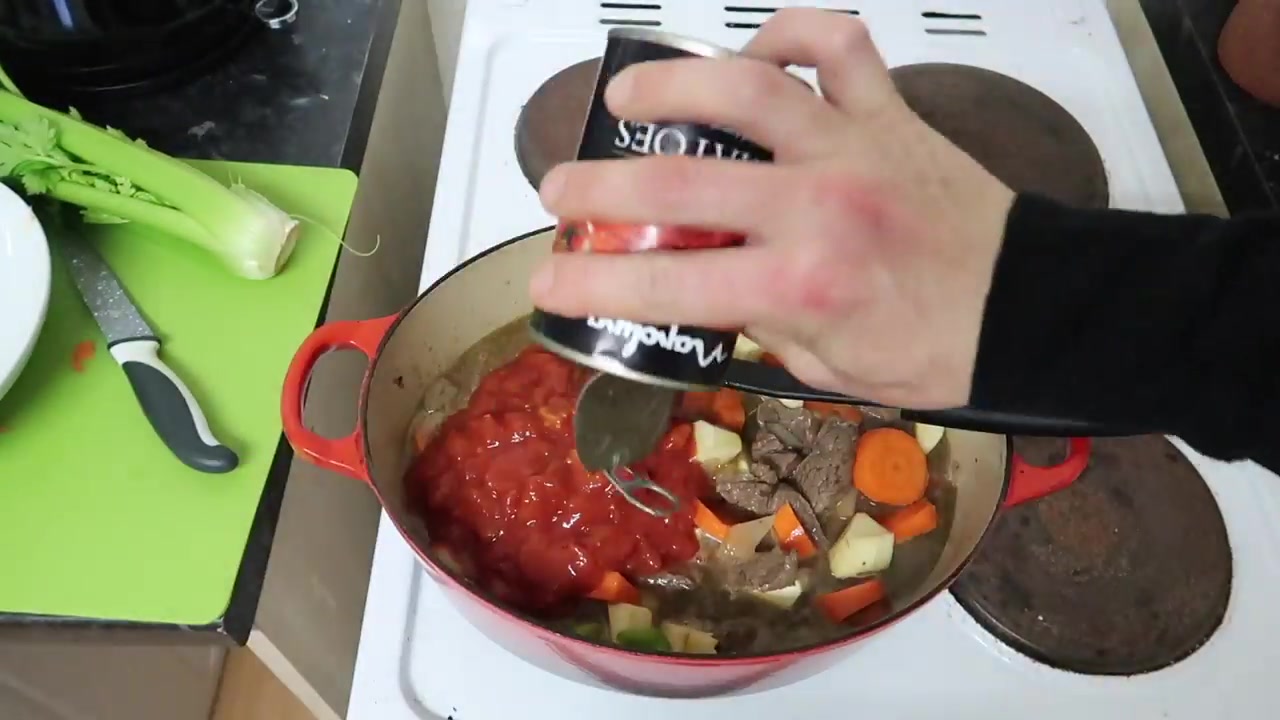
Add the prepared vegetables, chopped tomatoes and beef stock. If using bone marrow, add it to the casserole too. In this film I put it straight in, without roasting it first.
Stir everything together before putting the casserole in the oven. The vegetables remain in generous chunks, ready for the long, gentle cook.
4. Cook slowly at 150°C
The oven temperature stated in the film is 150°C. I suggest that the stew may be cooked after around three hours, but describe about five hours as the sweet spot. The casserole shown at the end has had roughly five hours.
I also explain that I left the lid slightly ajar to let the sauce reduce. Check the liquid as the stew cooks and judge the finish by tender beef and softened vegetables. The film does not specify whether the oven setting is fan-assisted.
A winter walk through Crystal Palace Park
The middle of the video follows a train journey to Crystal Palace and a walk through the park. The day begins grey and cold, but the clouds clear enough to bring some afternoon sunshine.
We pass the old terraces and steps, then pause near the remains of the palace as sunset approaches. There are other people enjoying the view, wrapped up against the cold.
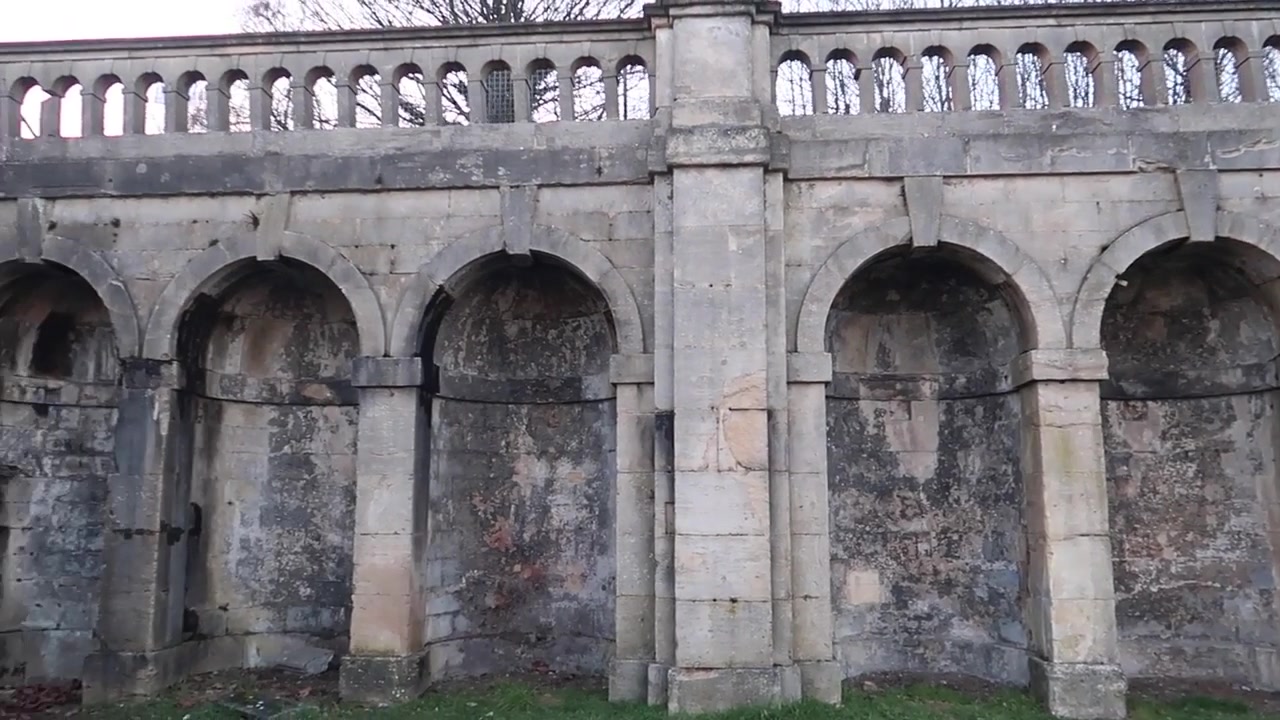
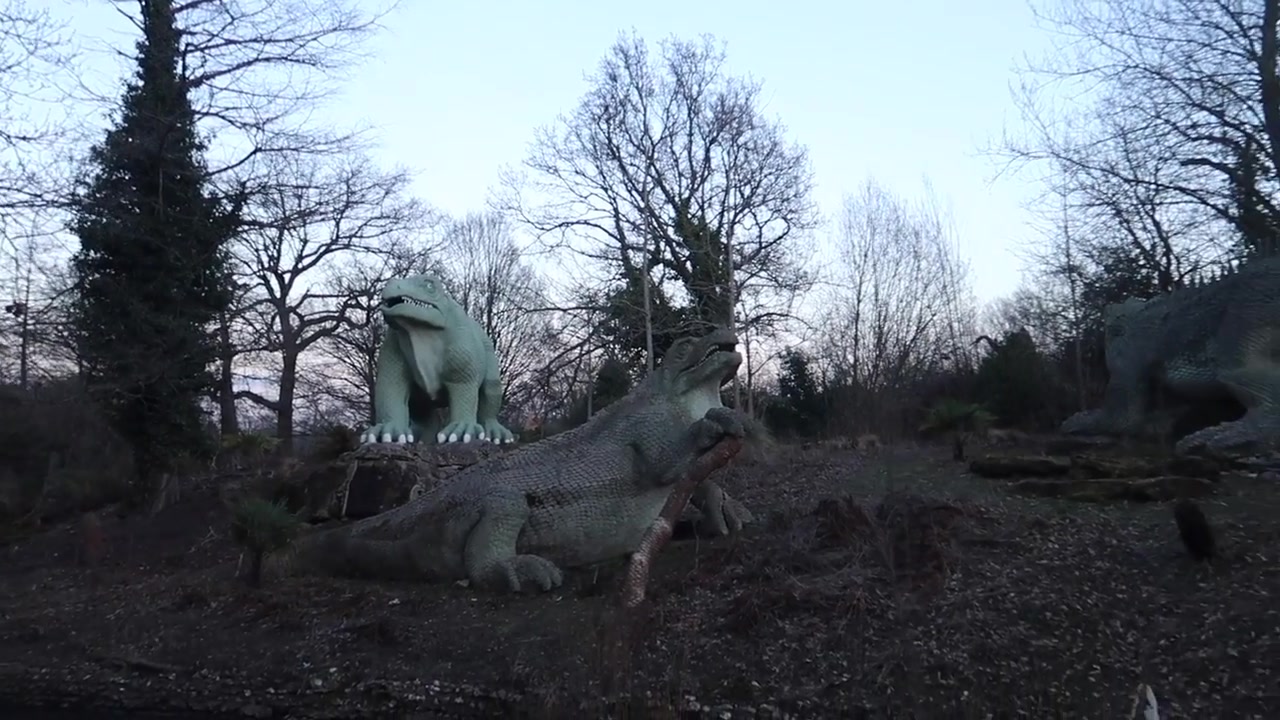
From there, the route heads down through the park and past the dinosaur models. Their shapes among the trees make a memorable change from the broad terraces above.
A stop at the Bridge House
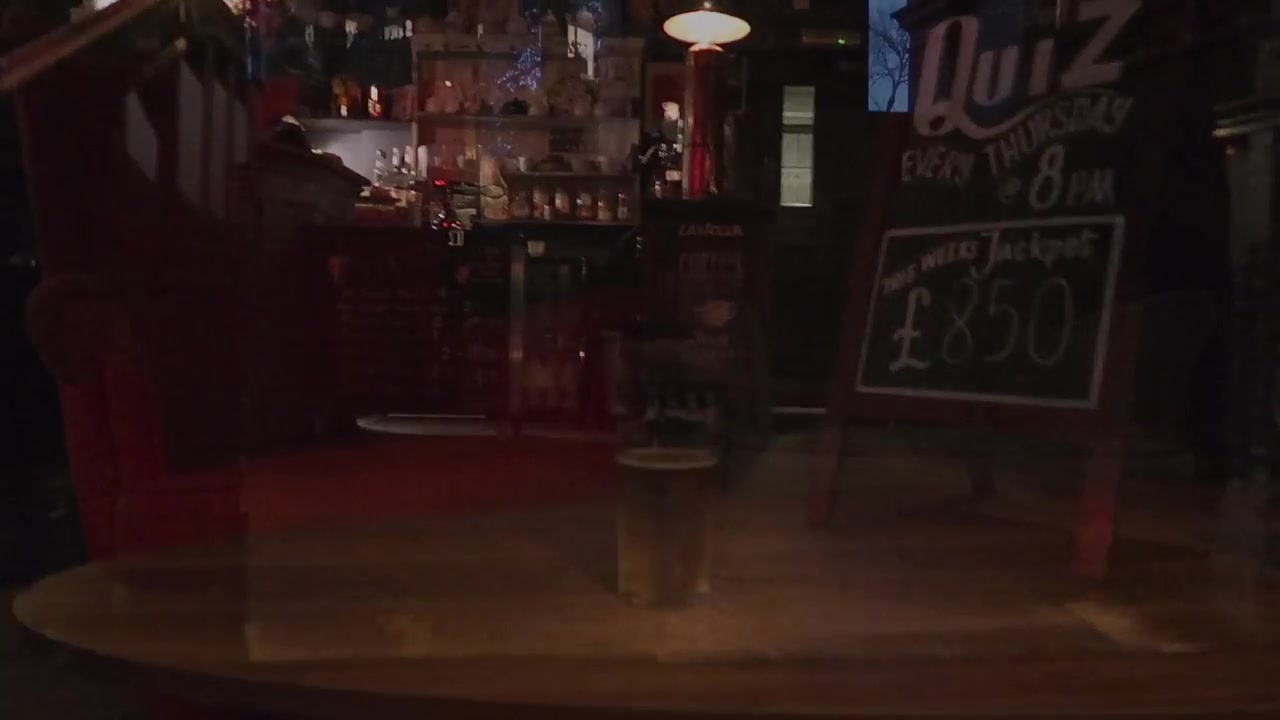
After leaving the park, we stop at the Bridge House. The film moves into its dimly lit interior before the journey home. It is the final pause between the afternoon walk and dinner.
Serving the finished stew
Back home, the smell of the beef and Guinness stew arrives before the lid comes off. The sauce has reduced, the vegetables have softened and the bone marrow has melted into the casserole.
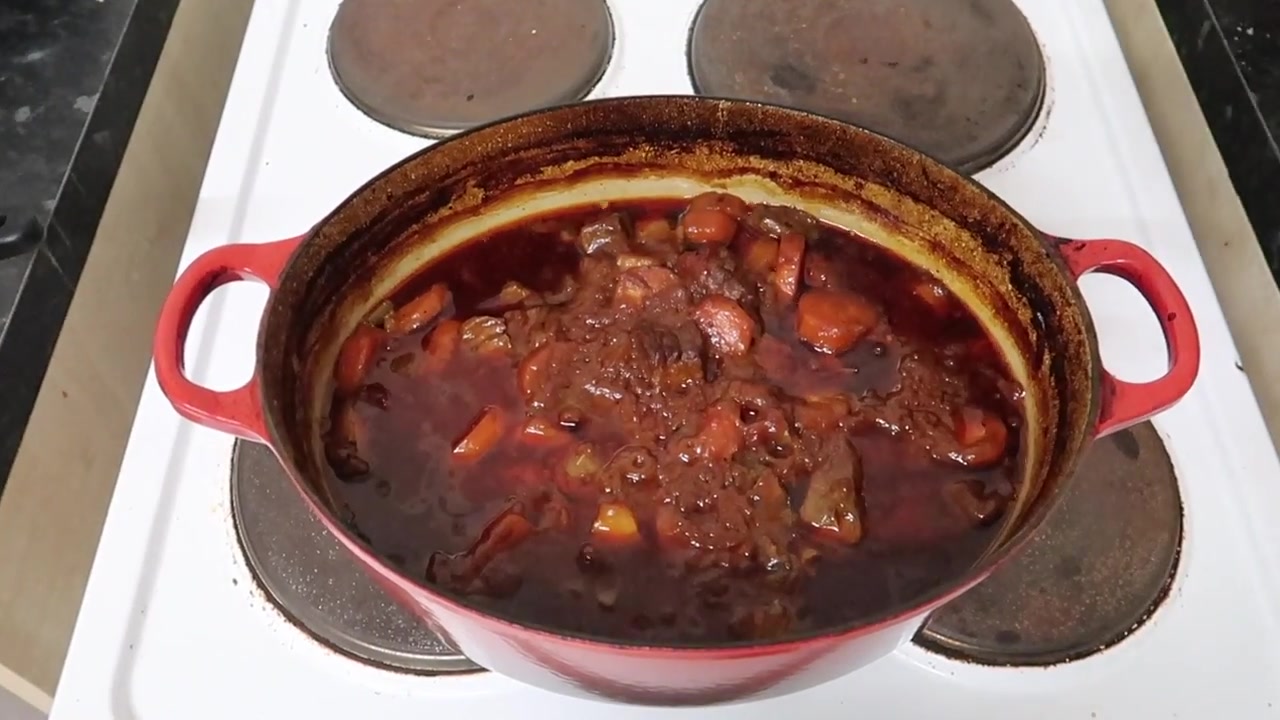
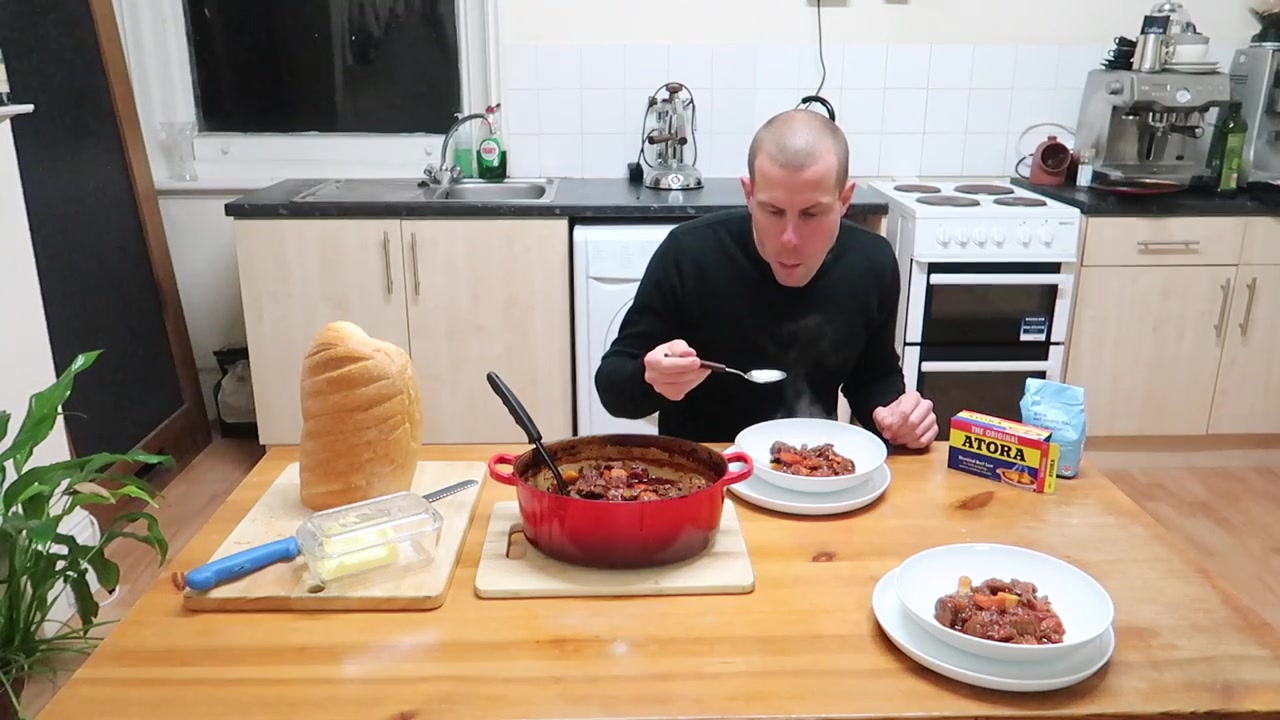
I had considered dumplings, but choose bread and butter instead. That means we can eat straight away, using the bread to soak up the sauce. On tasting, I describe the beef as melt-in-the-mouth and the flavours as having come together.
For more from this period, see Winter in London: Columbia Road, Chinatown and Crystal Palace. This recipe film records the original outing and home-cooked meal.
