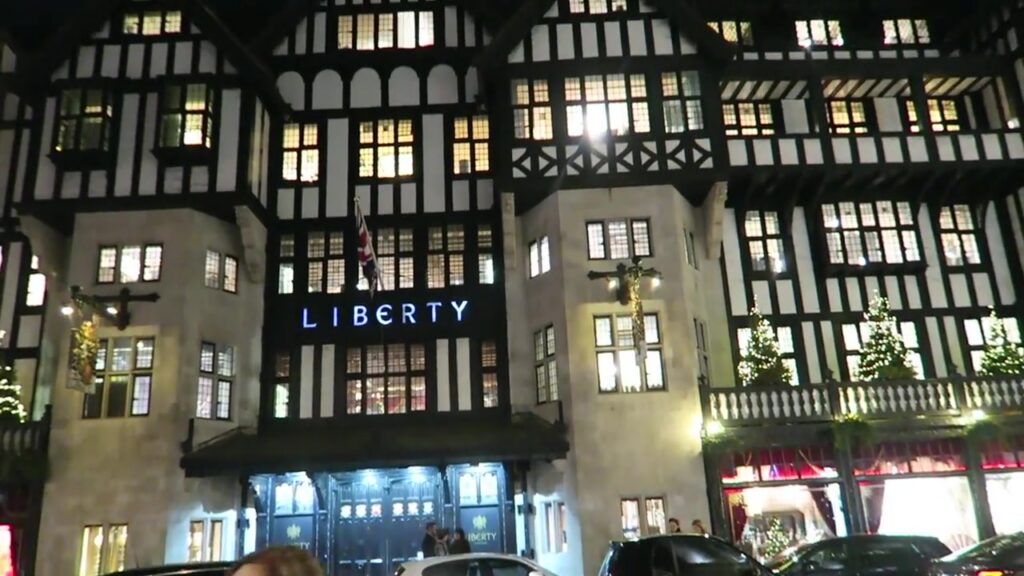
On a December evening in 2016, the walk through London’s West End led past familiar Christmas lights and busy shopfronts towards Great Marlborough Street. At the end of the route stood Liberty London, its timbered Tudor Revival façade glowing above the pavement and its famous Christmas windows transformed into a miniature theatre.
Liberty’s 2016 display was created with The Royal Ballet and devoted entirely to The Nutcracker. Rather than using the windows as conventional showcases for seasonal merchandise, the store turned them into a sequence of handcrafted scenes inspired by the ballet. It was an unusually focused display: the products stepped aside and the story took over.
A Nutcracker story on Great Marlborough Street
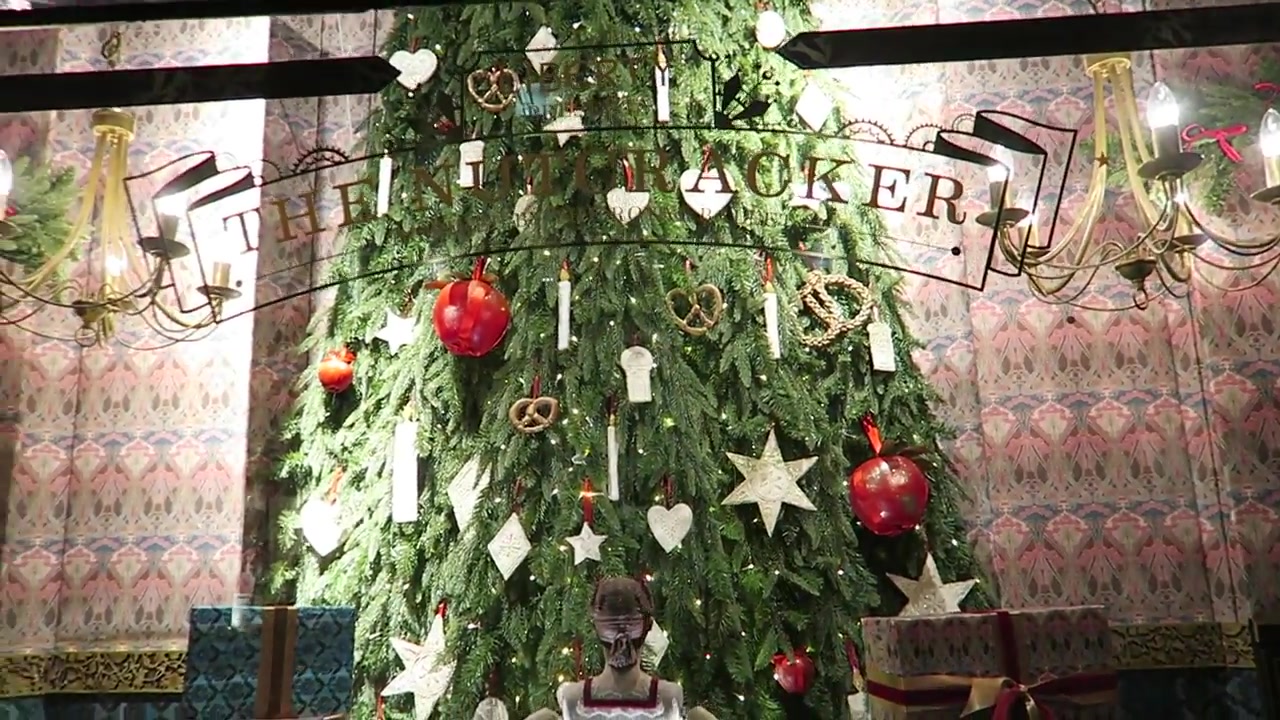
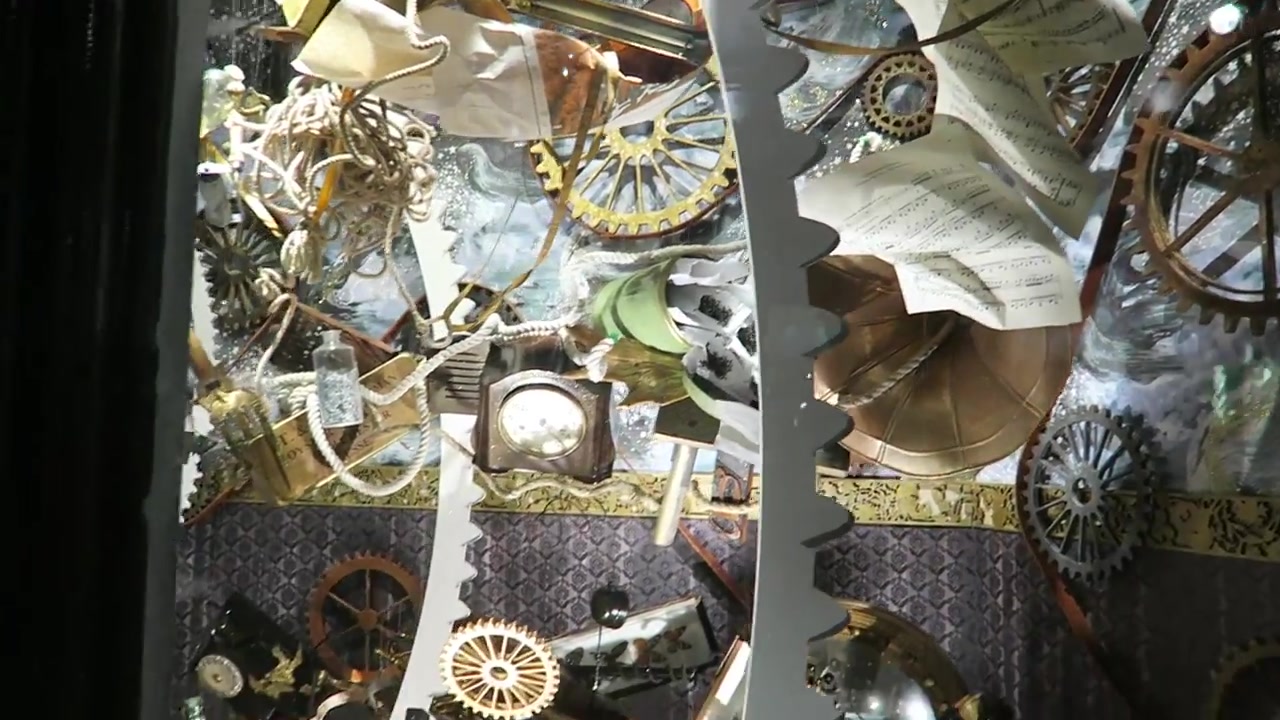
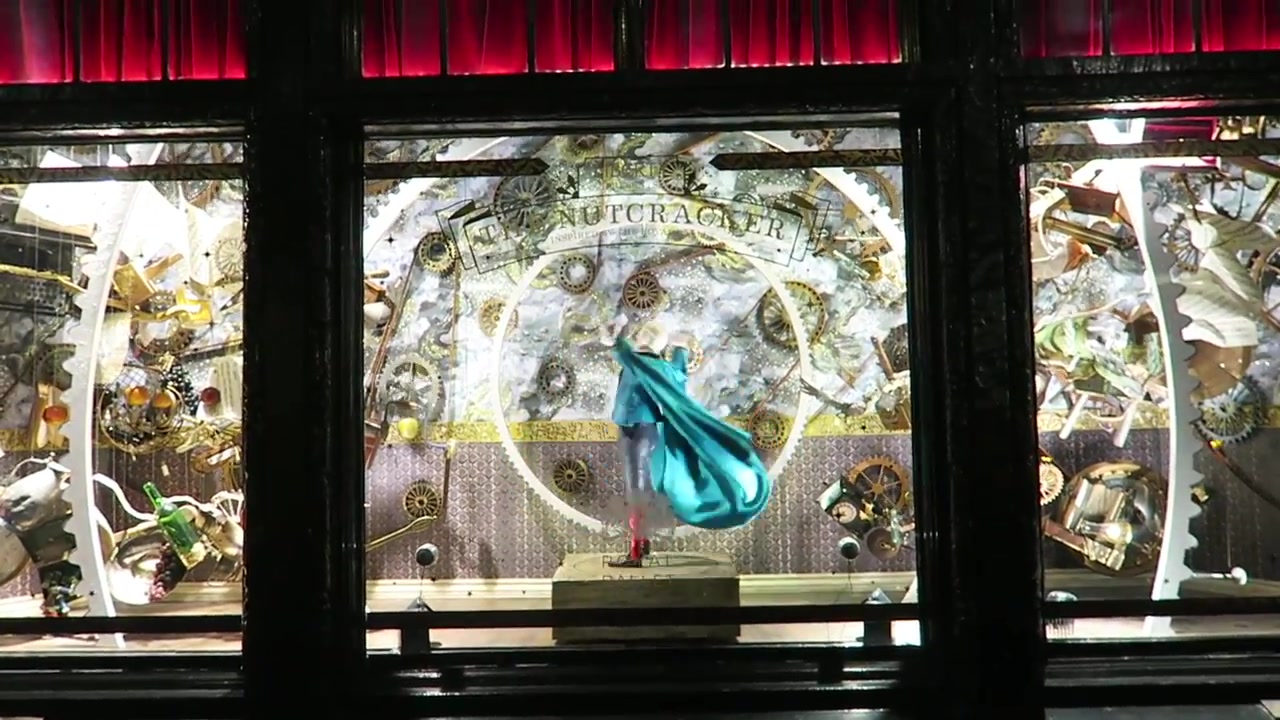
The first scenes establish the Christmas setting with a decorated tree, wrapped presents and the suggestion of a family celebration about to become magical. From there, the windows move into the world created by the mysterious Drosselmeyer. Cogs, clocks and theatrical objects suggest machinery coming to life after dark.
The display rewarded a slow walk along the frontage. Each window worked as a self-contained stage, but together they formed a continuous journey through the ballet. Layered sets, small architectural details and carefully directed lighting created depth behind the glass. The effect was closer to a row of miniature theatres than a conventional department-store display.
Ballerinas, soldiers and handcrafted detail
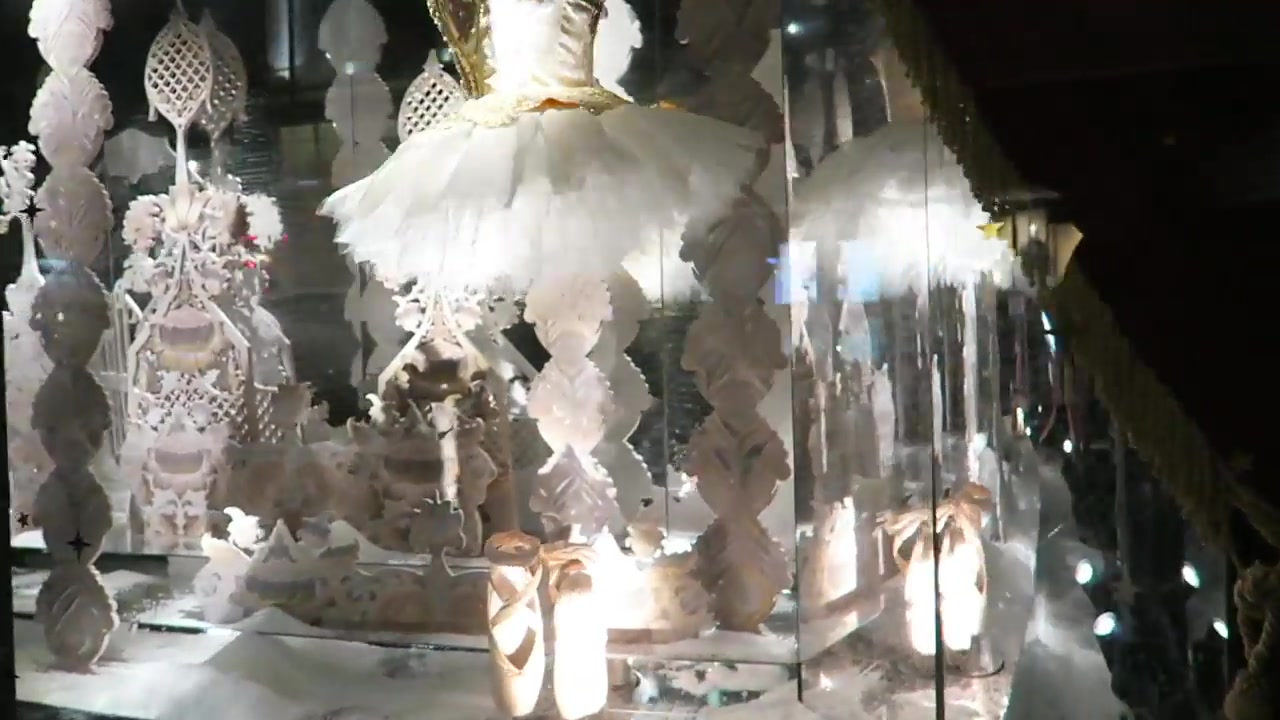
Carved ballerinas appear in white tutus, posed as if caught in the middle of a performance. Their costumes and tiny ballet slippers give the figures a softness that contrasts with the wooden scenery and mechanical clockwork around them. Liberty fabrics and decorative surfaces add the store’s own identity without interrupting the Royal Ballet story.
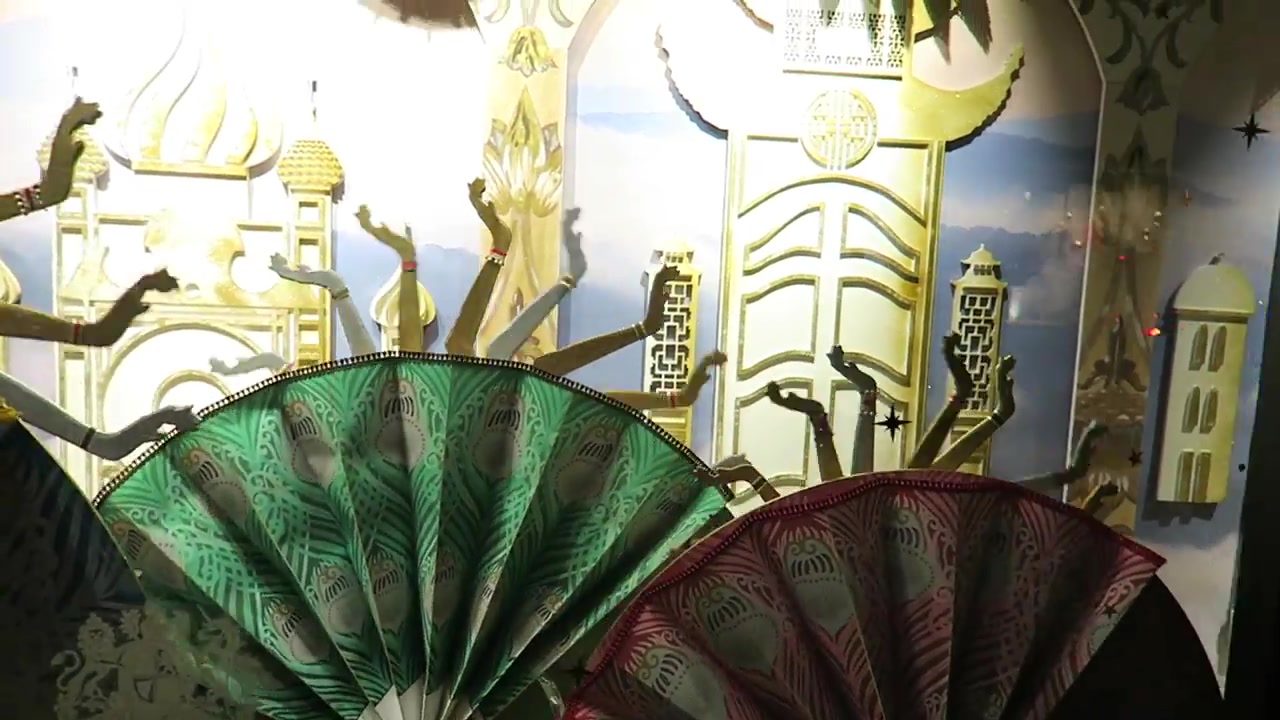
Elsewhere, toy soldiers stand among fans, columns and gilded details. These scenes recall the battle between the Nutcracker and the Mouse King, one of the ballet’s best-known episodes. The figures are static, yet the layered staging makes them feel ready to march as soon as the street becomes quiet.
A tiny proscenium and Christmas tree continue the toy-theatre idea. The scale encourages close inspection: small props and patterned surfaces that are easy to miss from across the street become part of the pleasure of standing at the glass.

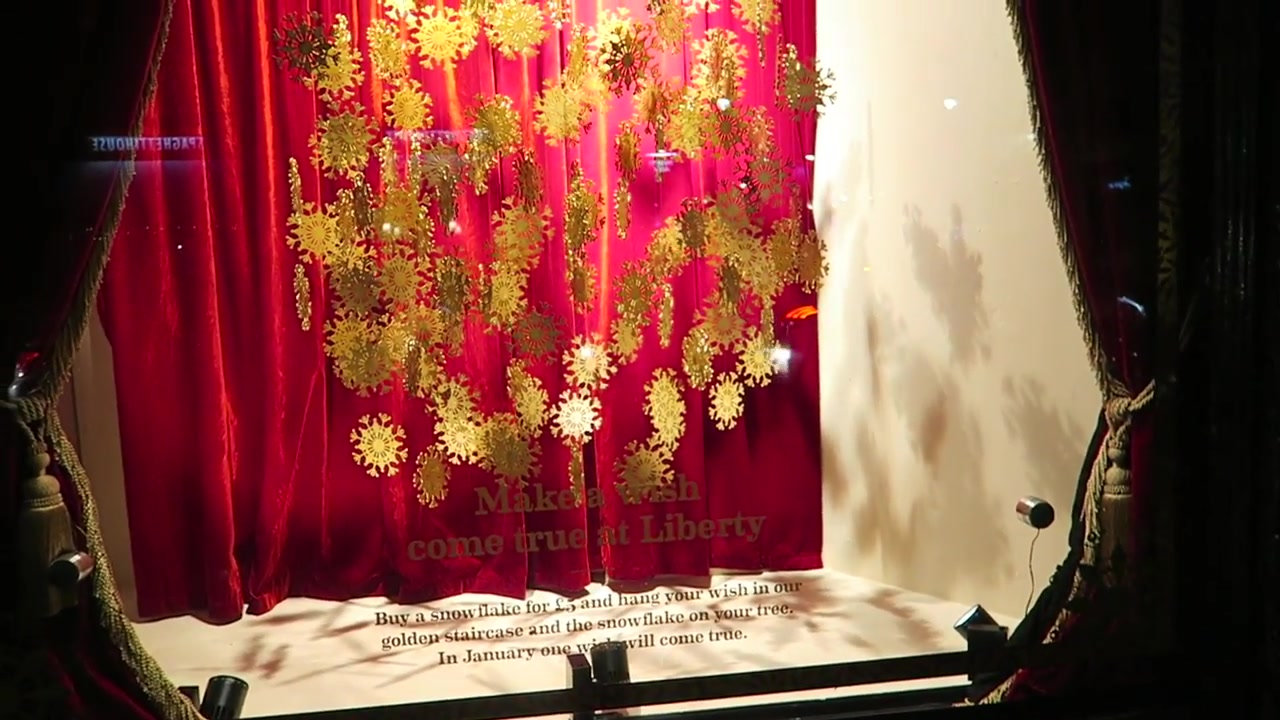
One of the strongest windows uses a red theatrical curtain, gold decoration and a dark stage-like background. It gives the sequence a sense of performance and reminds the viewer that the display was not simply inspired by a general Christmas tale, but by a living production associated with The Royal Ballet.
Liberty after dark
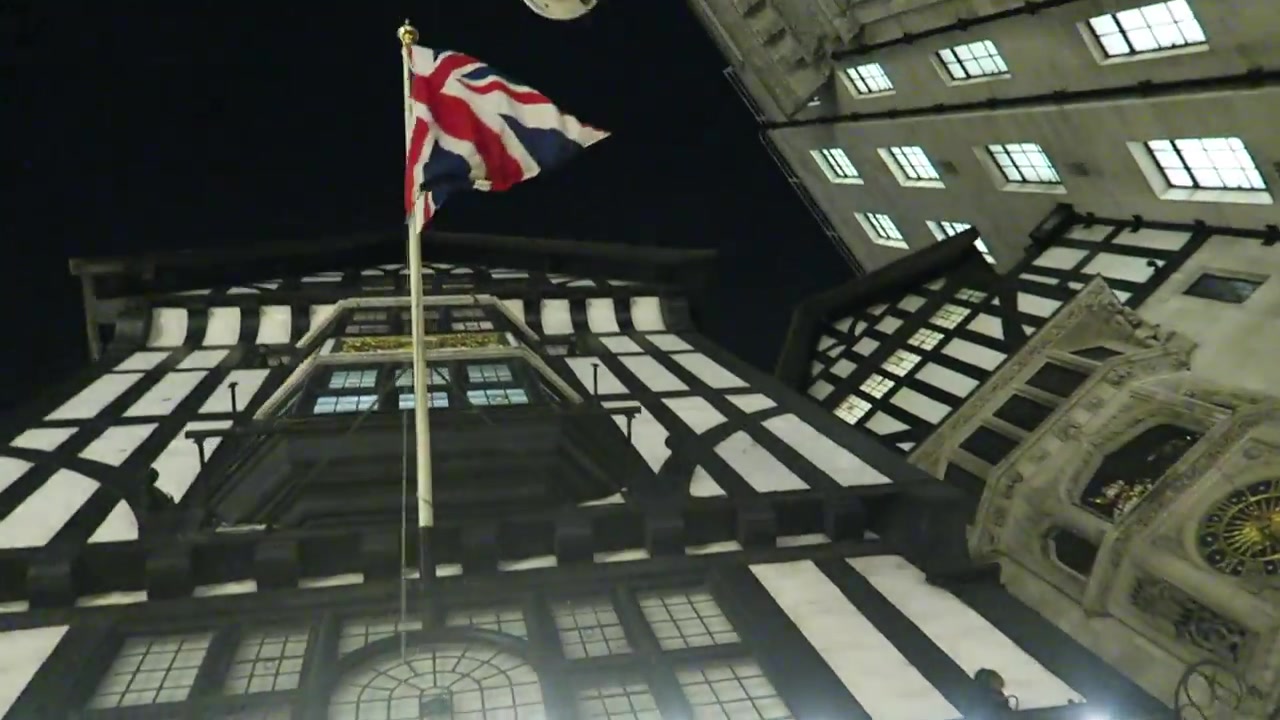
Seen from below, Liberty’s dark timbering and projecting bays provided an ideal exterior for the story. The building already has the character of an old London stage set, and the warm window light made the façade part of the installation. Gold-leaf decoration across the frontage added to the festive effect.
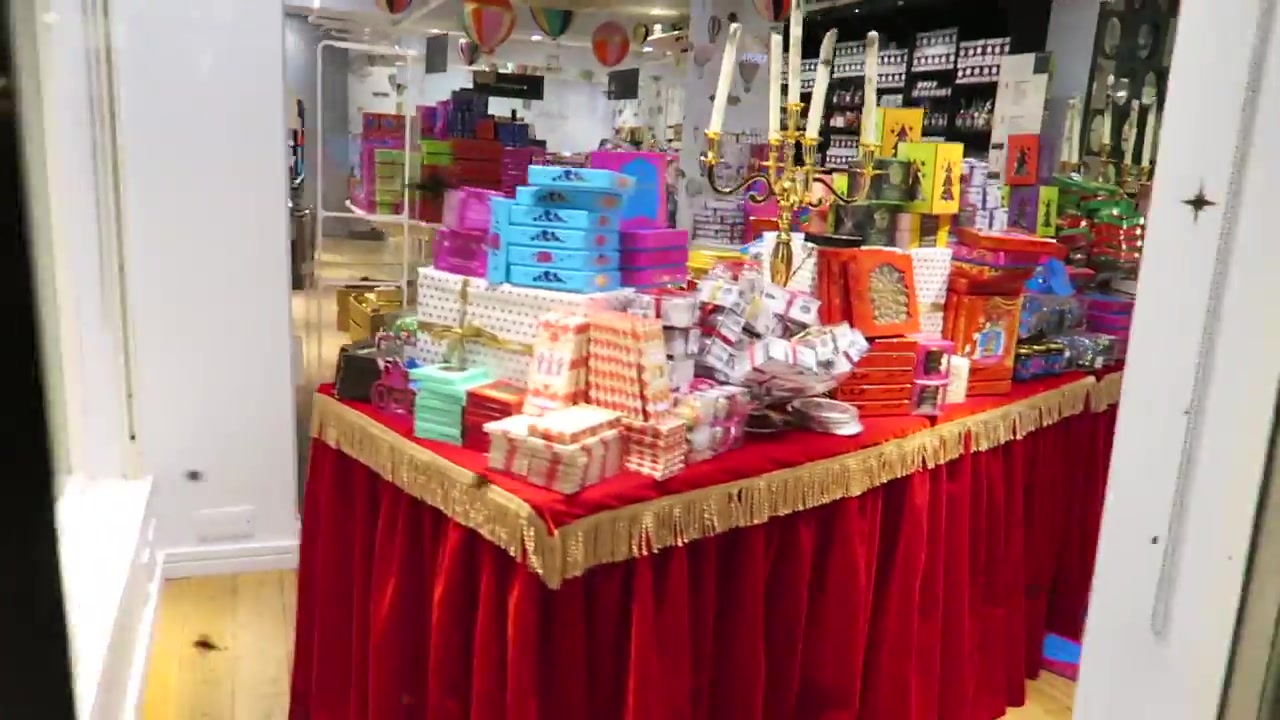
The film ends inside Liberty’s Christmas Shop, where colourful decorations, ornaments and gifts return the story to the practical rituals of the season. After the restrained, product-free windows outside, the abundance indoors feels like a lively coda.
This archive film records Liberty at Christmas on 14 December 2016: a West End landmark using ballet, craft and theatrical storytelling to turn a familiar shopping street into part of The Nutcracker.

Recent Comments