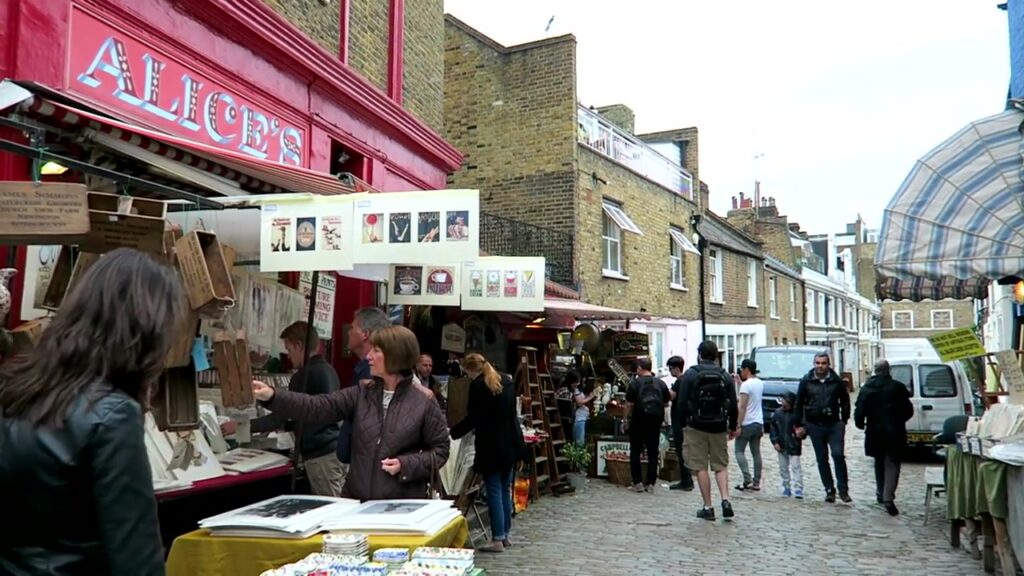
Portobello Road is often described as a single market, but a walk along it reveals several different versions of west London compressed into one street. Antiques, fruit and vegetables, second-hand clothes, food stalls, cafés and shops each occupy their own stretches, while the surrounding streets retain the colourful terraces and mews associated with Notting Hill.
This Roberts London film, recorded on 21 June 2015, begins at Notting Hill Gate and follows a full day through the area. The route combines the market with three established local institutions: the Tabernacle, the Electric Diner and the Electric Cinema.
From Notting Hill Gate to the market
The walk begins at Notting Hill Gate before turning into the quieter residential streets leading towards Portobello Road. This approach matters because the market does not appear all at once. The first stalls emerge among permanent shops and cafés, gradually transforming the road into a busy open-air trading street.
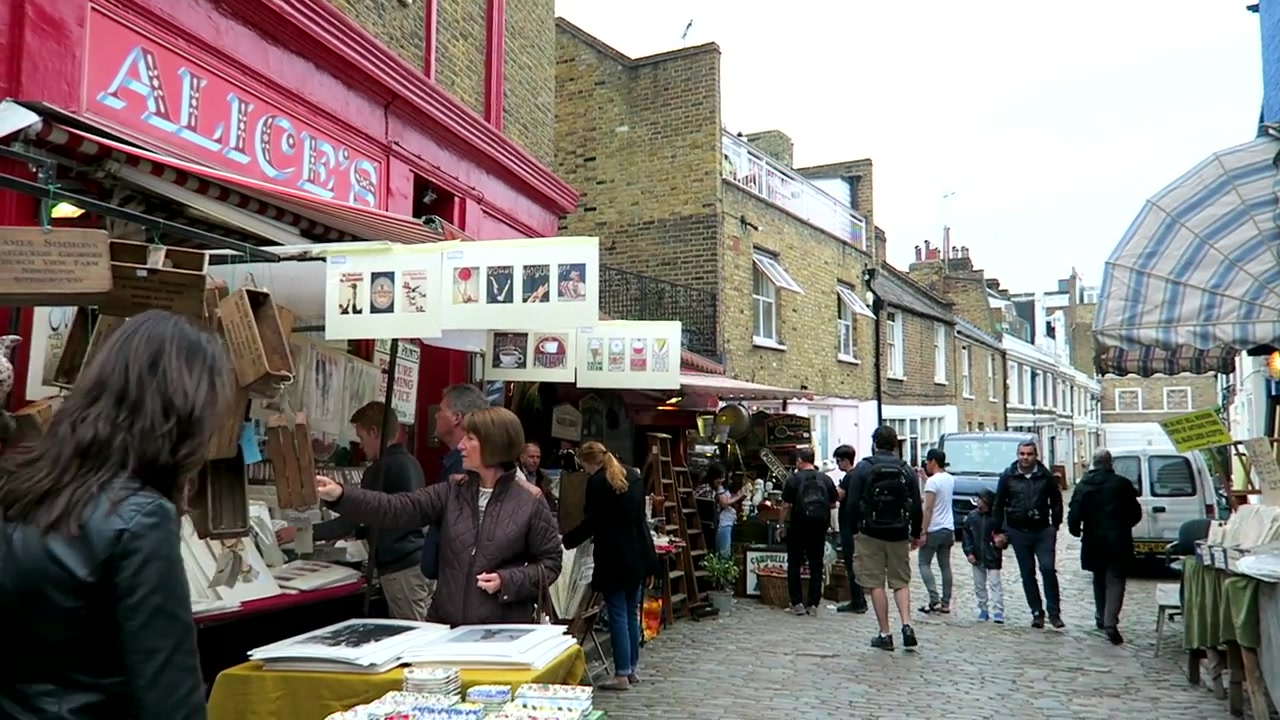
Antiques provide the most recognisable introduction. Tables and shopfronts display jewellery, silver, prints, decorative objects, clothing and small collectables. Some pieces are arranged carefully under glass; others form dense groups intended to reward a slower search.
Antiques, fashion and everyday goods
Portobello Road’s appeal lies partly in the contrast between specialist antiques dealers and more informal market trading. A single walk moves between established shops, temporary tables, vintage clothes, inexpensive souvenirs and objects whose purpose or history is not immediately obvious.
Alice’s, with its distinctive red frontage, forms one of the film’s visual landmarks. Nearby stalls carry jewellery, textiles and decorative pieces, while further along the road the emphasis shifts towards second-hand clothes and younger designers. The film records the experience of looking: pausing at a display, moving with the crowd and noticing how quickly the character of the market changes from one block to the next.
Breakfast at the Tabernacle
The first substantial stop is the Tabernacle, the red-brick cultural building on Powis Square. Set slightly away from the busiest part of the market, it offers a quieter setting for breakfast before the walk continues.
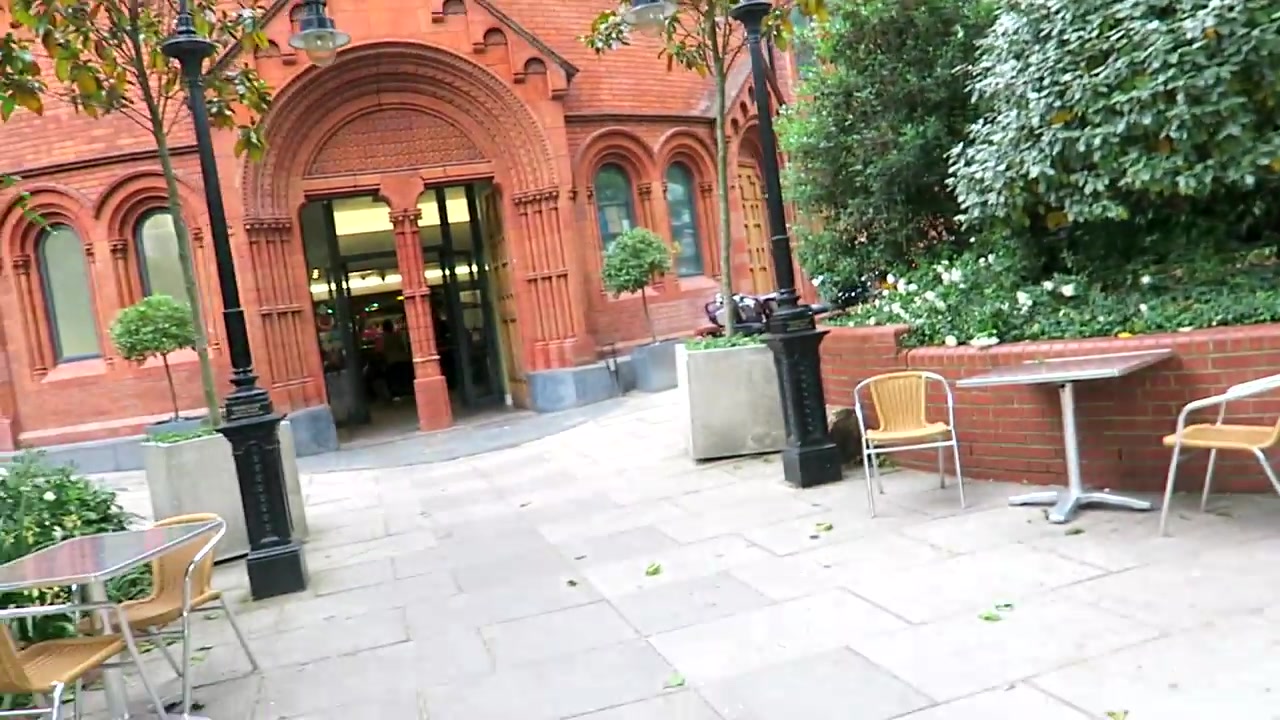
The camera moves through the building and its courtyard, showing the contrast between the enclosed market streets and the more sheltered space around the former church. Rather than treating Portobello Road only as a shopping destination, the film includes the cafés, cultural spaces and side streets that make a longer visit possible.
Food and produce on Portobello Road
Returning to the market brings another change of emphasis. Antiques give way to fruit, vegetables, bread and prepared food. The displays become larger and more colourful, with produce stacked towards the pavement and customers gathering around bakery and street-food stalls.
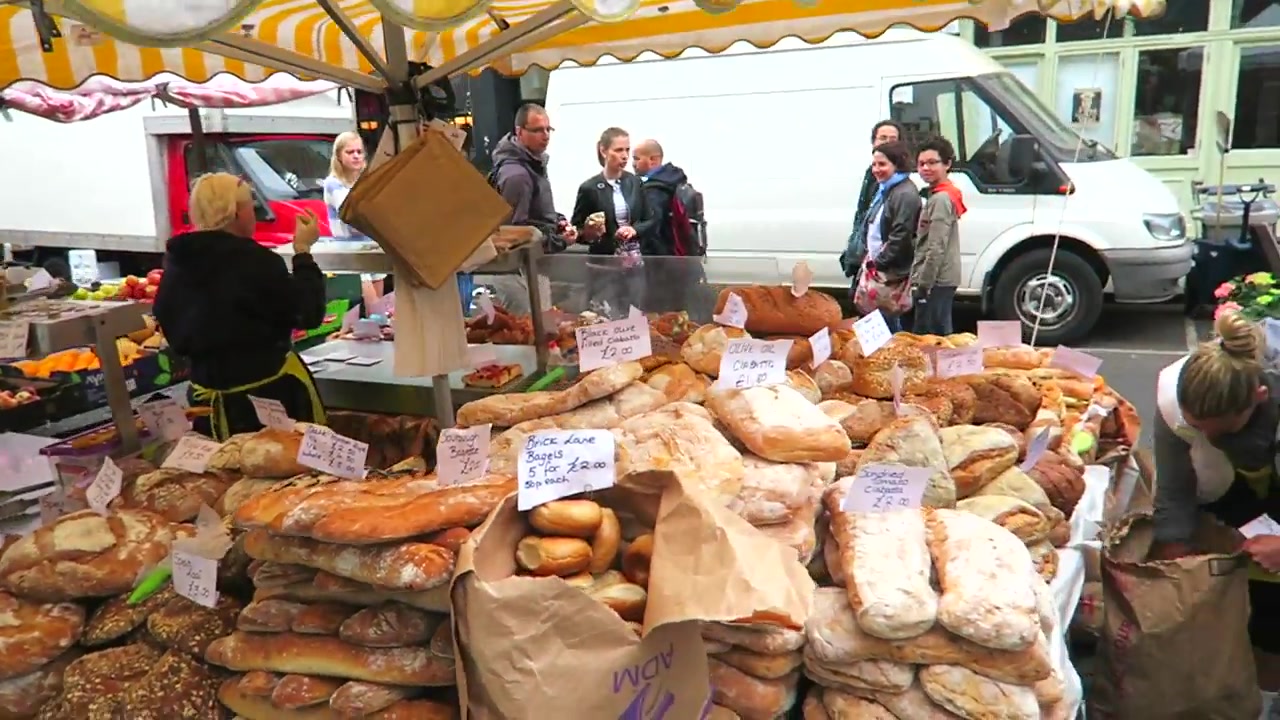
This part of the street feels less like an antiques destination and more like a working London market. Flowers, bread and everyday groceries sit alongside food intended to be eaten immediately. The variety explains why Portobello can support a full day’s visit rather than a brief pass through its best-known antique section.
Lunch at the Electric Diner
Lunch is taken at the Electric Diner, beside the cinema. The narrow interior, counter seating and close-set tables create a distinctly different atmosphere from both the market and the Tabernacle.

The film records a burger arriving at the table, a straightforward meal before the afternoon screening. The scene is presented as it appeared in 2015. Menus, operators and arrangements can change, so it should be read as an archive record of that particular visit rather than a current restaurant review.
Inside the Electric Cinema
The Electric Cinema is the visual conclusion of the day. Its façade and traditional canopy announce the film programme from Portobello Road, but the auditorium is the more memorable sight.
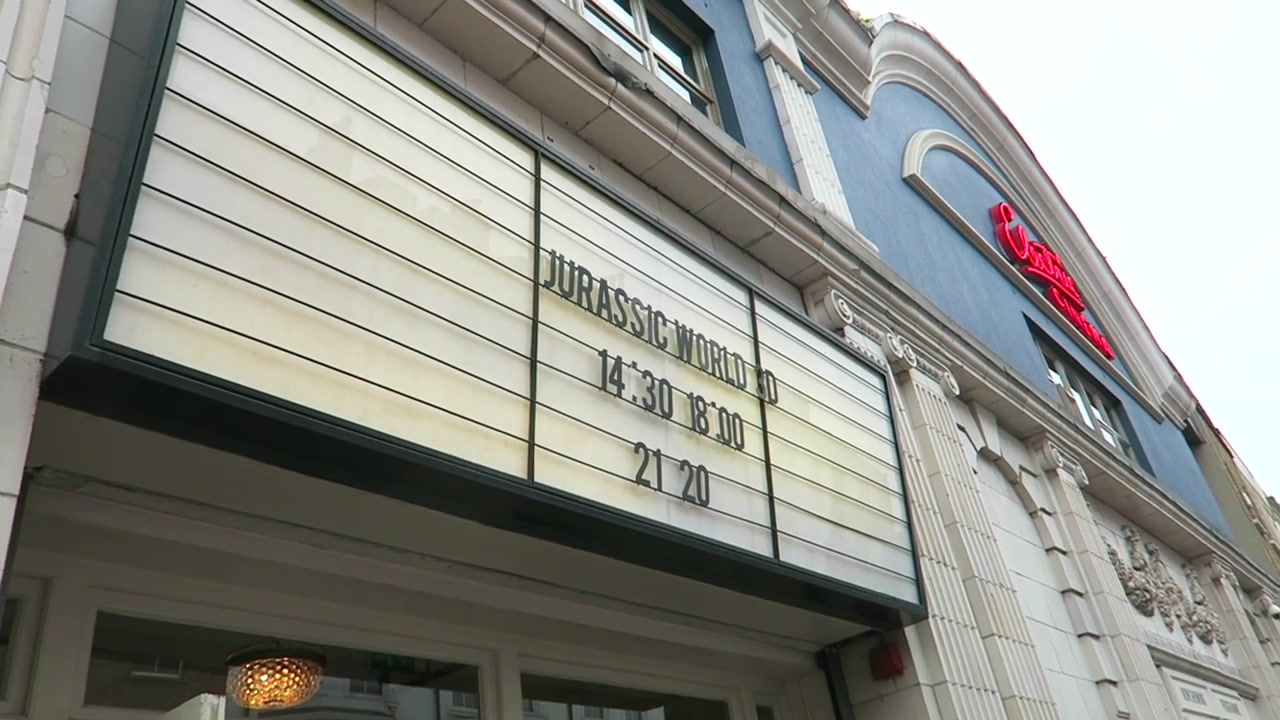
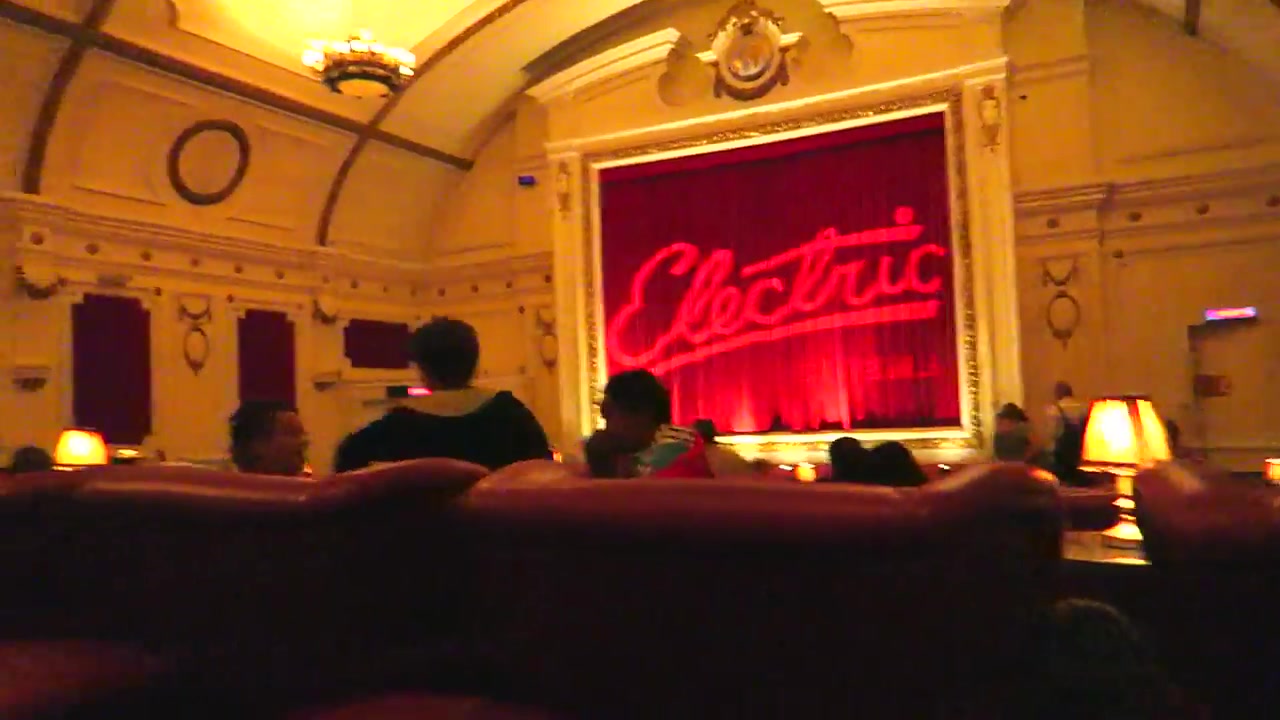
Inside, rows of deep red leather armchairs replace conventional cinema seating. Small lamps cast pools of warm light across the room, while the decorated ceiling and curtained screen preserve the atmosphere of an older picture house.
The film captures the auditorium before the screening begins. No part of the film being shown is reproduced. The interest lies in the cinema as a place—the scale of the room, the seating and the feeling of entering a historic London interior that remains in everyday use.
A complete Notting Hill day
After the cinema, the route returns to the street and the market’s food stalls. Bread, flowers and produce provide a final reminder that Portobello Road is not defined by a single attraction.
Seen together, the day forms a useful 2015 portrait of Notting Hill. The antiques market supplies the public spectacle, but the Tabernacle, diner, cinema and residential streets give the area its depth. The pleasure comes from moving between them rather than treating any one stop as the whole destination.
The film also preserves the ordinary details that formal guides often lose: the pace of the crowd, the changing character of the stalls and the way a cinema visit can sit naturally within a day spent walking through a London market.
Adapted from the Roberts London film:
PORTOBELLO ROAD MARKET + ELECTRIC CINEMA NOTTING HILL = LONDON VLOG
Roberts London, published 21 June 2015.
