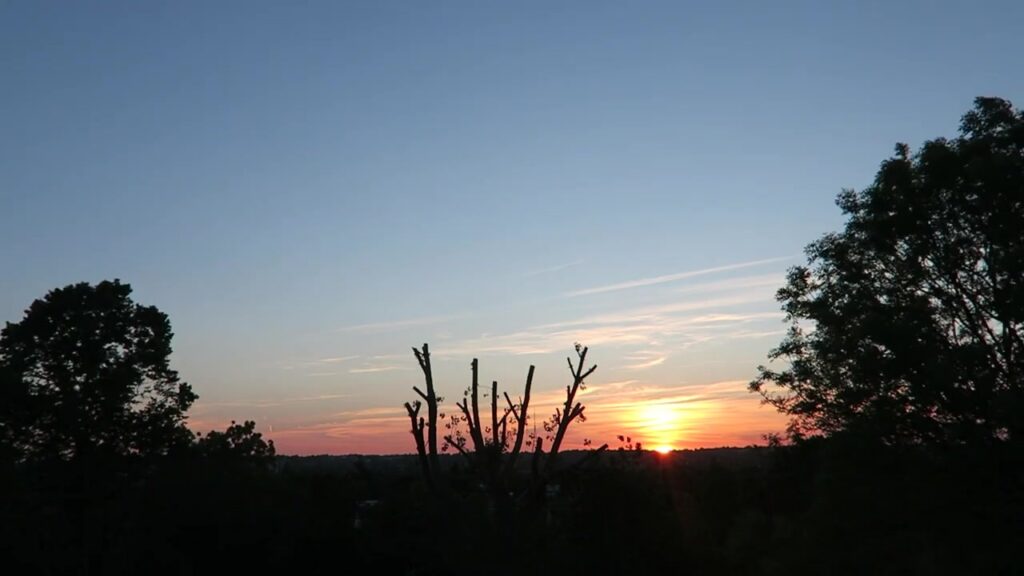
From the Roberts London archive: first published on YouTube on 9 August 2015. A personal film about renovation work, a London sunset and my own variation on a Negroni.
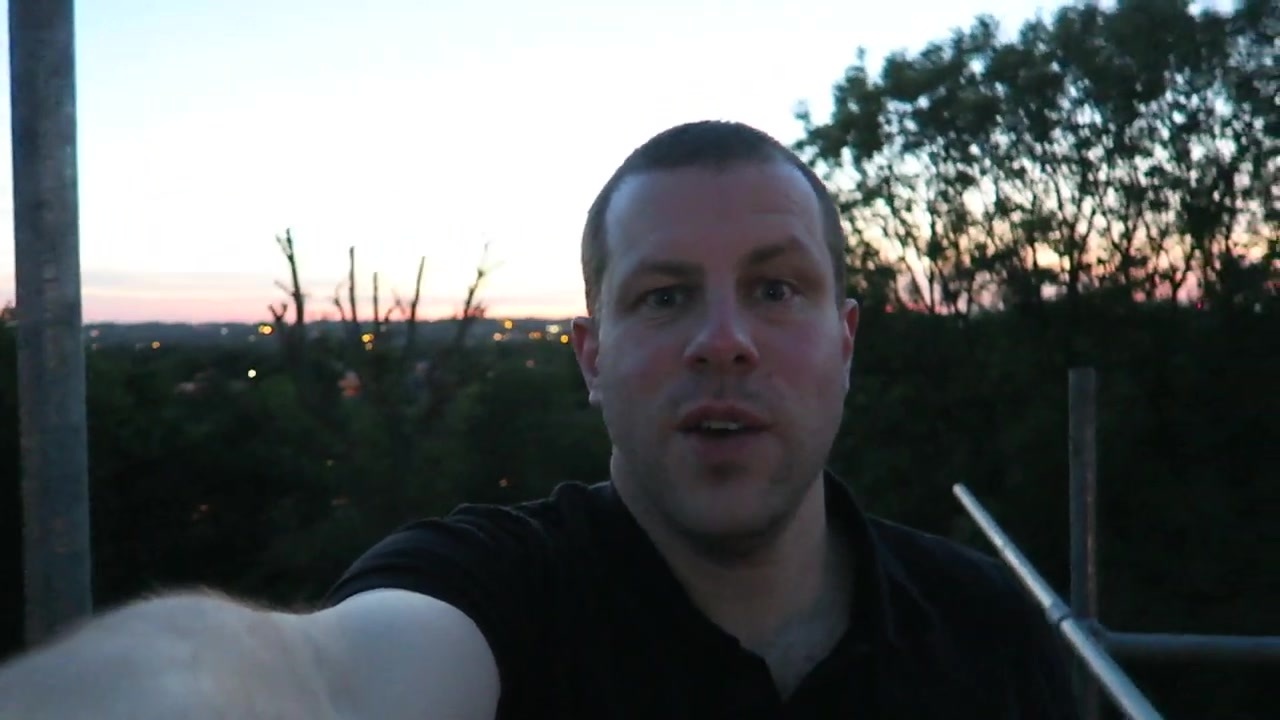
A London rooftop sunset was the unexpected reward for having the building wrapped in scaffolding. My flat was being renovated, builders and roofers were part of daily life, and the disruption had become familiar. For this film, I took a camera upstairs to record the changing evening sky. There was also a Negroni to make, with a variation that I knew would annoy the cocktail purists.
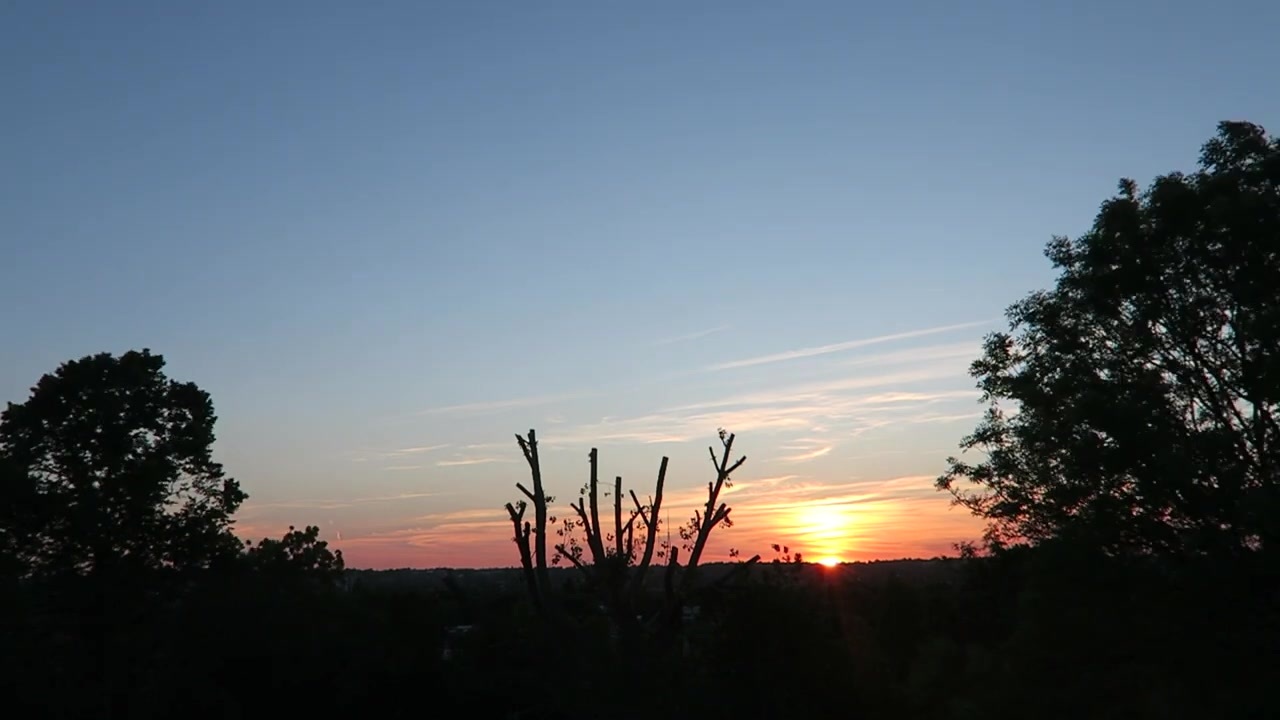
A different view of a familiar building
The original film begins with heights rather than cocktails. I was apprehensive about being out on the scaffolding and used the opening to reflect on fear, experience and the people who worked there every day. Their familiarity with the job did not mean they had stopped respecting the drop.
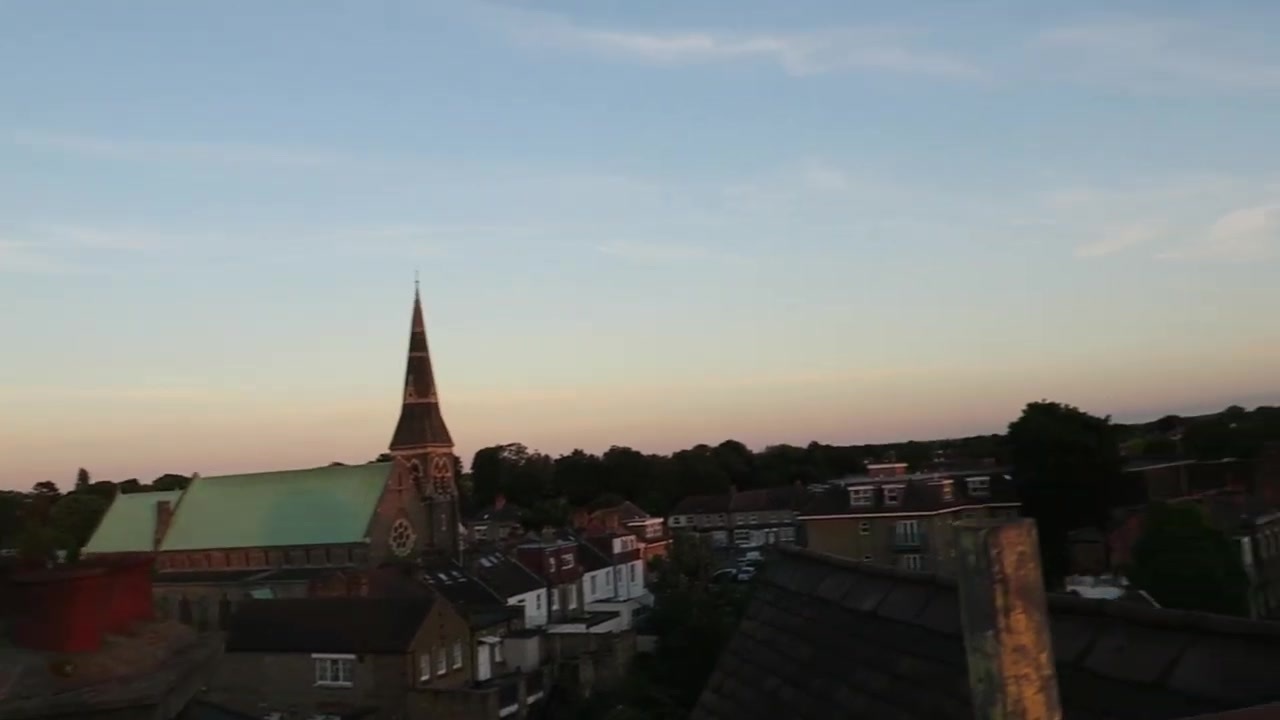
Those were personal reflections, not a lesson in psychology or a guide to climbing. The roof was part of a building project, not a public viewing terrace. What interested me as a filmmaker was the change in perspective: the same place I lived in suddenly offered a view across chimneys, neighbouring roofs, trees and a church spire.
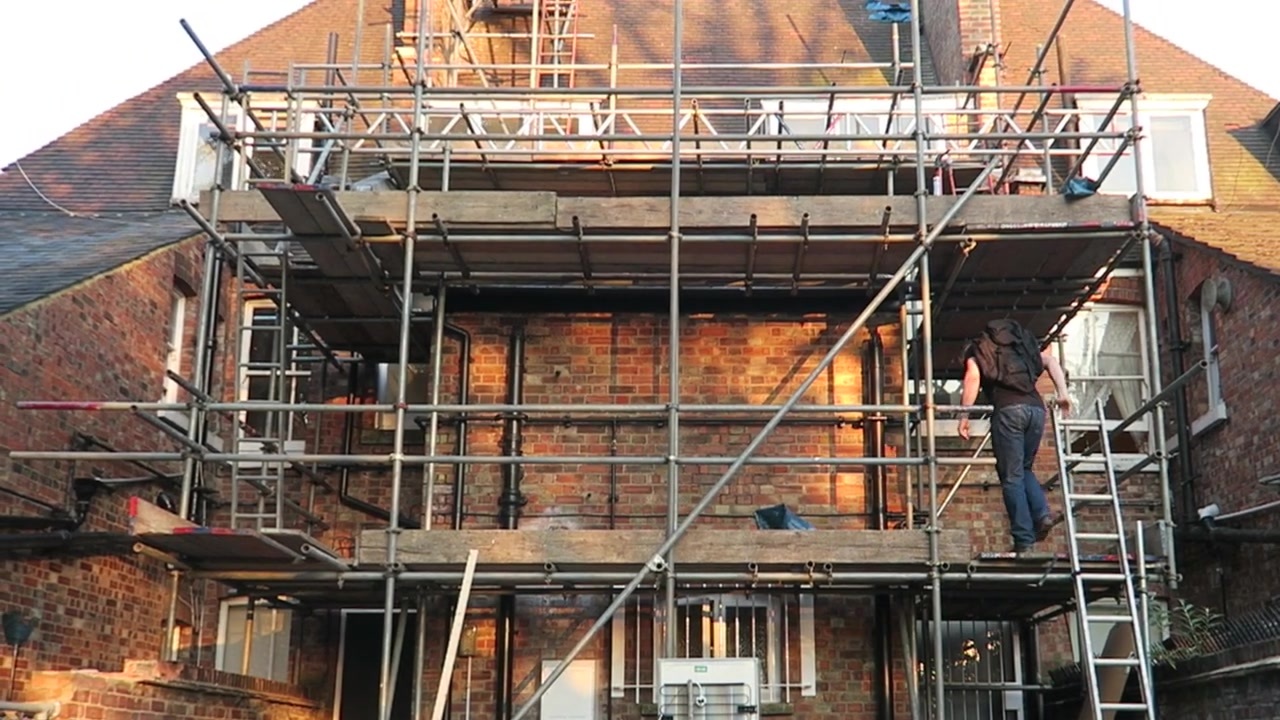
The renovation had exposed the building in a way I would not normally see it. Brickwork, windows and the shape of the roof became the foreground to an evening usually viewed from inside.
The old shop beneath the flat
Much of the middle of the film is a digression into the building’s past. I described it as Victorian in appearance, while discussing evidence that placed its completion in the early twentieth century. In that original account, it had been built as a Sainsbury’s shop, long before the supermarket format familiar today.
The details that stayed with me were the practical ones: high ceilings, sash windows, fireplaces and the arrangement of the rooms behind the shop. I talked about an old preparation area that had still retained sinks, tiles and working surfaces when I first moved in. By the time of filming, a sink and the old meat-hook rails were among the remaining traces.
That led to memories from my early days working near Hatton Garden, including a café with sawdust on the floor. It was the sort of detail that made an ordinary working day feel connected to a much older London. The film preserves those recollections and my understanding of the building at the time, rather than presenting a newly researched architectural history.
Setting up for the sunset
I filmed the time-lapse with a Canon PowerShot G7X. There is a little of the preparation in the video: unpacking the camera equipment, opening the tripod and waiting for the evening light to change.
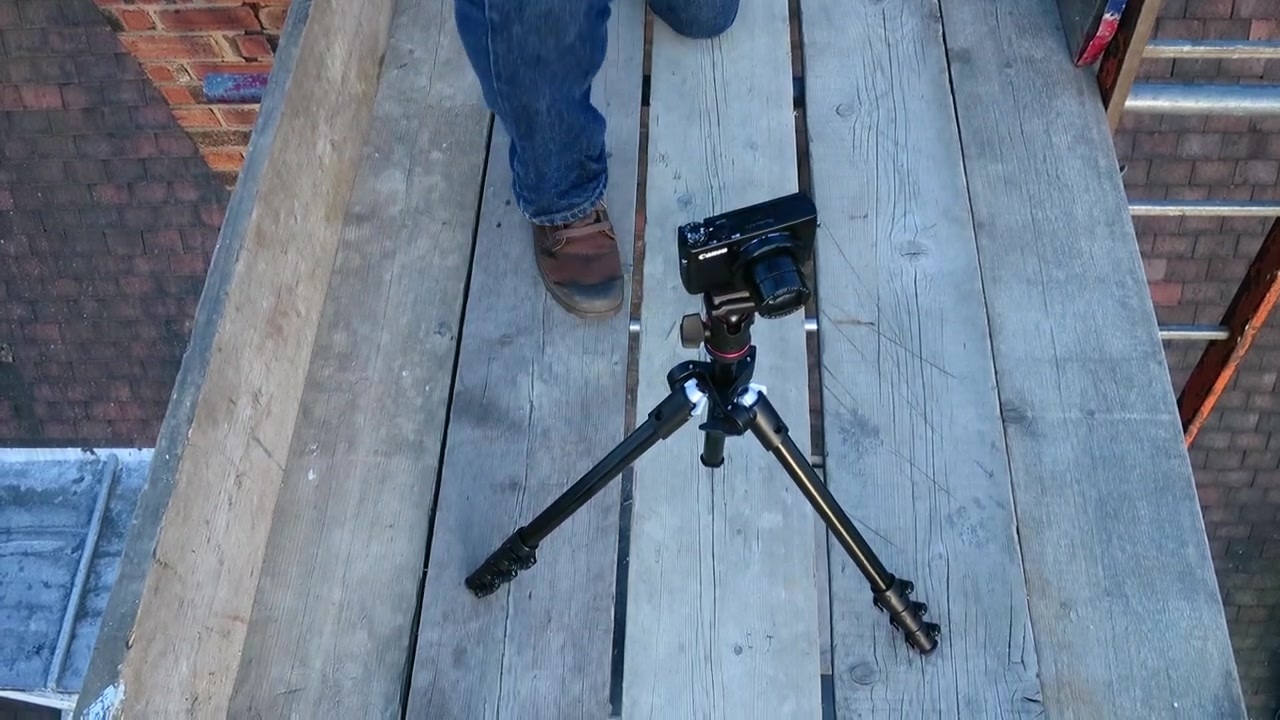
The view was not a collection of famous London landmarks. It was a local skyline, with trees silhouetted against the sun and rooftops stretching into the distance. That was its appeal. As the light softened, a familiar neighbourhood became the whole subject of the film.
My Negroni ingredients
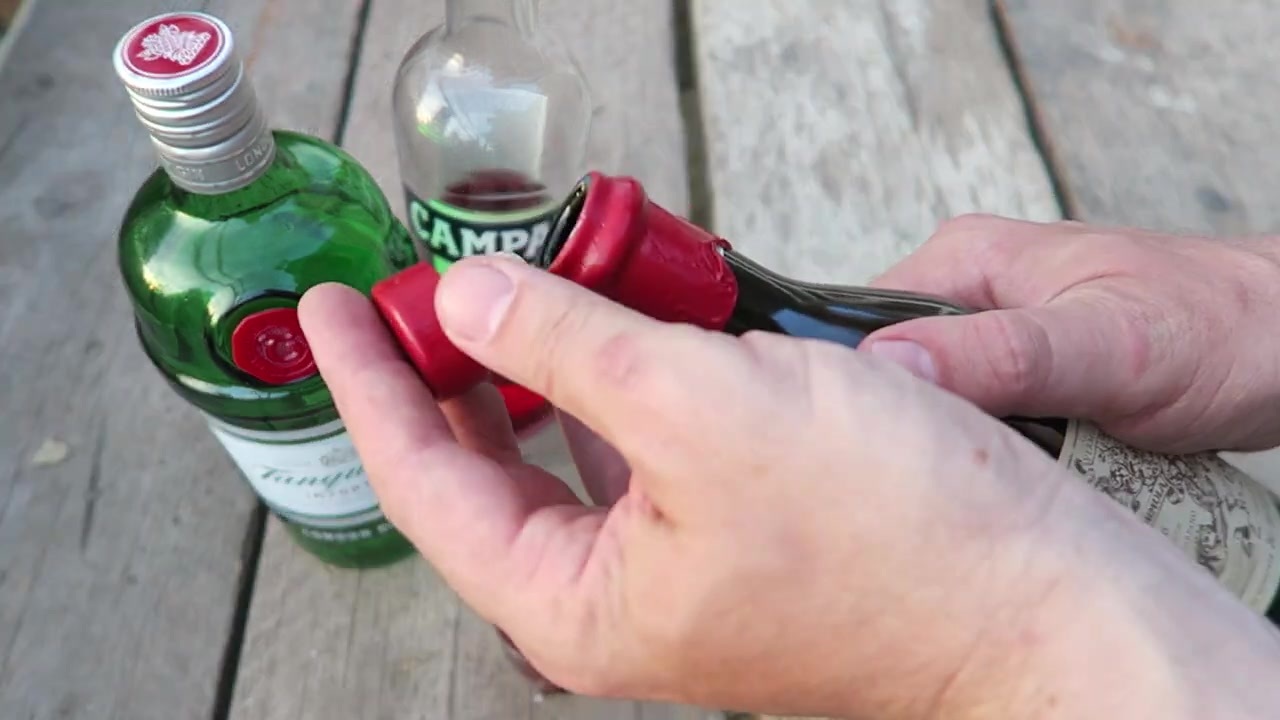
The bottles in my bag were Tanqueray gin, Campari and Carpano Antica Formula vermouth. In the film I explain the equal-parts base: one part of each. Antica Formula was the ingredient I was particularly enthusiastic about; for my taste, the choice of vermouth made a noticeable difference to the finished drink.
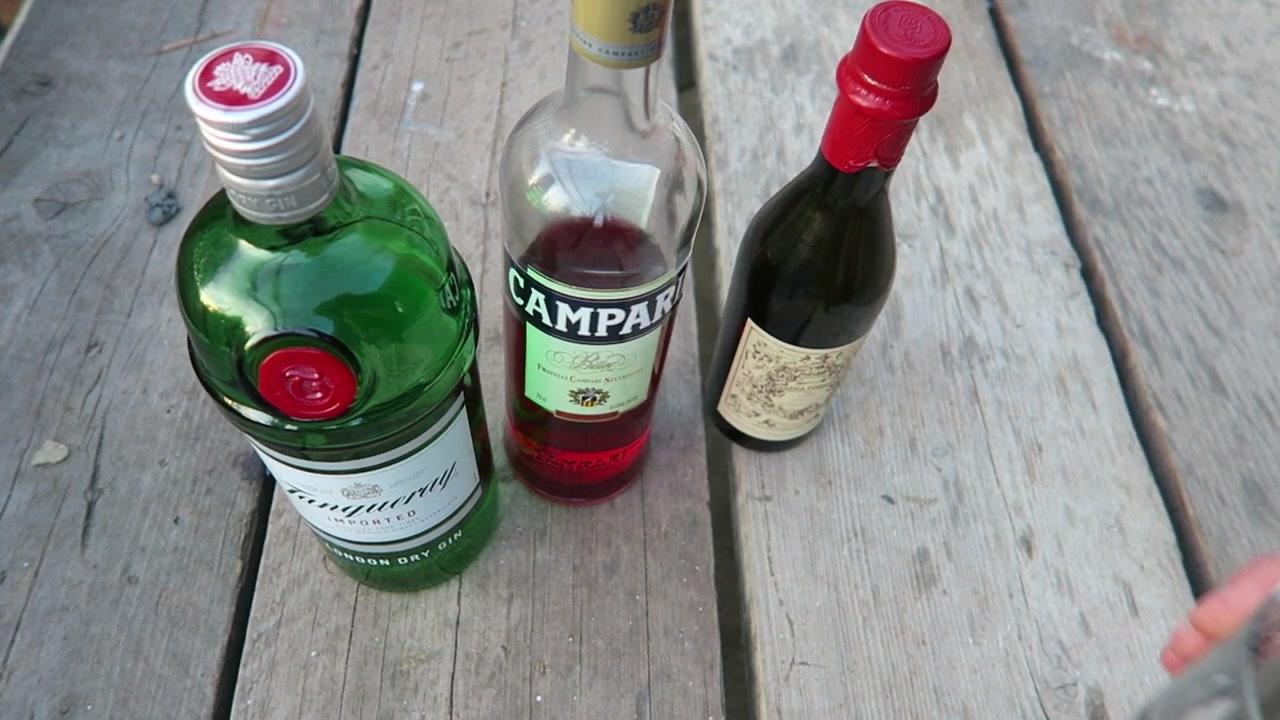
This was my preferred combination in 2015, rather than an attempt to settle which brands make the definitive Negroni. Part of the fun of the sequence is knowing that putting a food or drink preference on YouTube invites somebody to tell you that you have done it wrong.
The Perrier variation
My departure from the usual short drink was to lengthen the Negroni with water. In a bar I would sometimes order a Negroni and a separate bottle of tonic. At home, my choice was Perrier sparkling water.
That distinction mattered to the way I enjoyed it. Tonic brought its own bitterness and flavour, while the sparkling water gave me a lighter-tasting version and let the gin’s character come through differently. The equal-parts mixture was the starting point; the water was a personal addition, not a claim to a classic recipe.
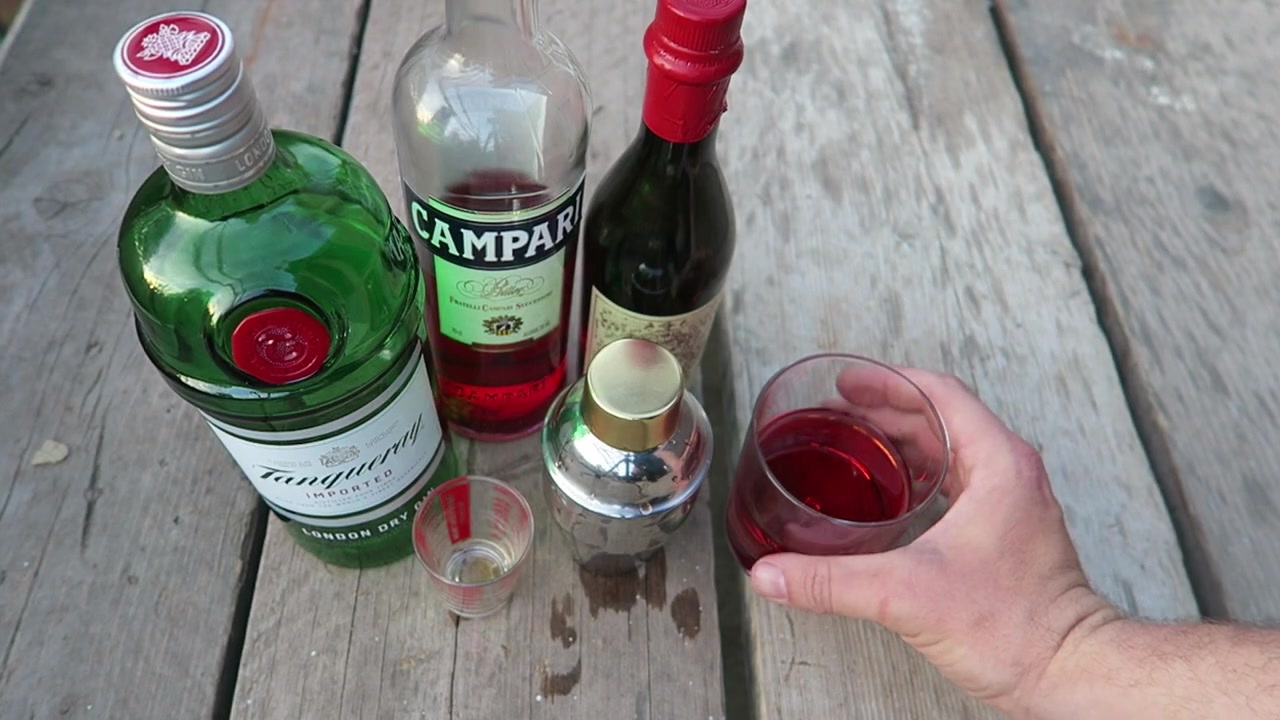
I also admitted that this improvised setup lacked the ice and orange garnish I would have liked. It was a record of what I made that evening, with the camera running and the sun dropping towards the horizon.
London as the light fades
The sunset gives the film its ending. The bright sky gradually turns warmer, the trees darken into silhouettes and the remaining light settles into a narrow band above the horizon. After the talk about buildings, working life and cocktail preferences, the time-lapse lets the view take over.
Looking back, the appeal is in the combination of ordinary things: a home being repaired, a camera experiment, a drink made to my own taste and an evening worth recording. There was no need to travel across London to find the subject that day.
For another evening from the same summer, read about wine and cheese at Gordon’s Wine Bar, from the cellar to the tables beside Embankment Gardens.
Watch the original film
The full video includes the opening reflections on fear, the building’s history as I understood it in 2015, the camera setup, Negroni ingredients and sunset time-lapse.
Watch the original Negroni and London sunset film on YouTube.
