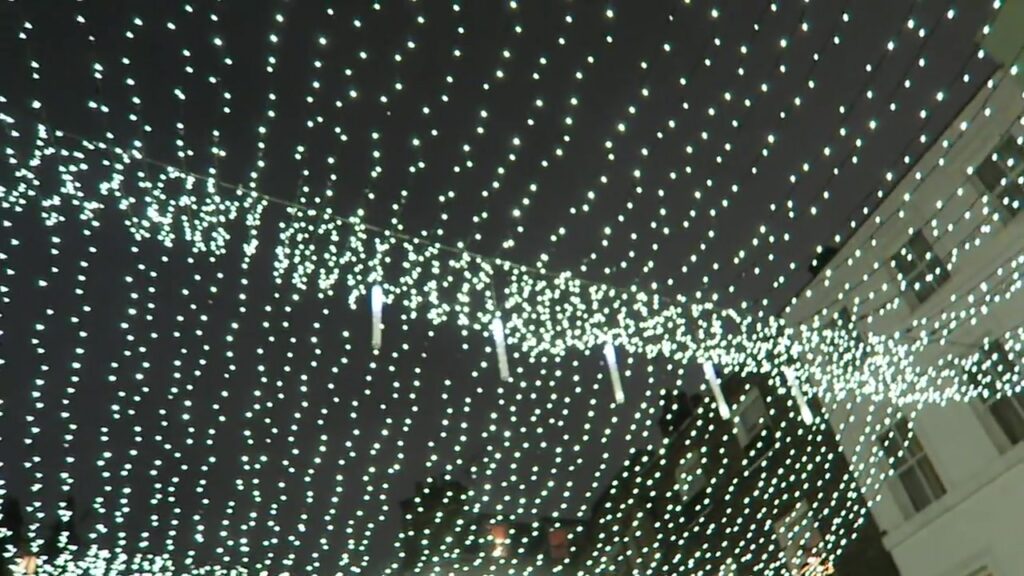
Shepherd Market feels almost hidden even when you know exactly where to look. A few minutes from Piccadilly and Park Lane, the streets tighten into a small network of Georgian buildings, independent restaurants, galleries and pubs. On 8 December 2016, that intimate scale made its annual Christmas lights celebration feel less like a West End spectacle and more like a Mayfair street party.

A December evening in Mayfair
The film begins outside the market, moving through the brighter traffic and shopfronts of central London before turning into the quieter streets behind Piccadilly. That transition is part of Shepherd Market’s character. Within a short distance, the broad avenues give way to narrow pavements, irregular corners and a distinctly village-like pocket of the city.
The neighbourhood takes its name from Edward Shepherd, who developed the area during the eighteenth century on land once used for the May Fair. By 2016, its mixture of old pubs, small dining rooms, galleries and specialist shops still gave it a texture quite different from the grander parts of Mayfair nearby.
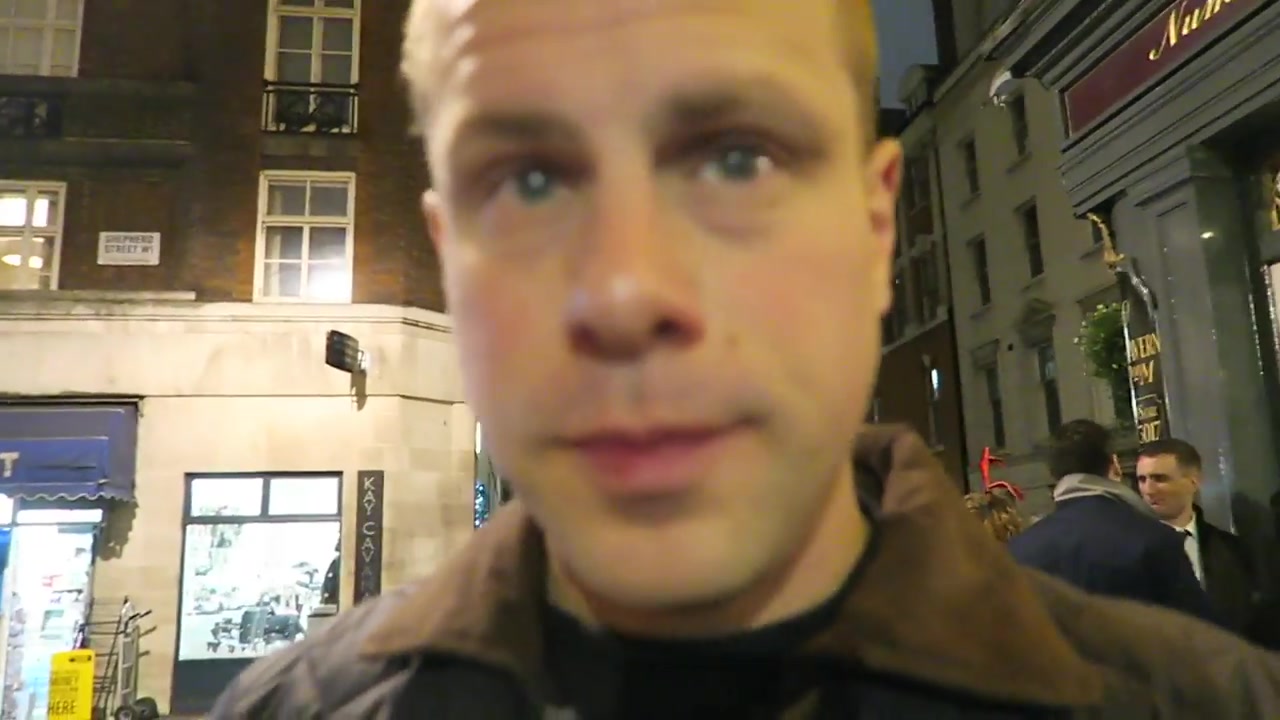
Pubs, restaurants and the Christmas crowd
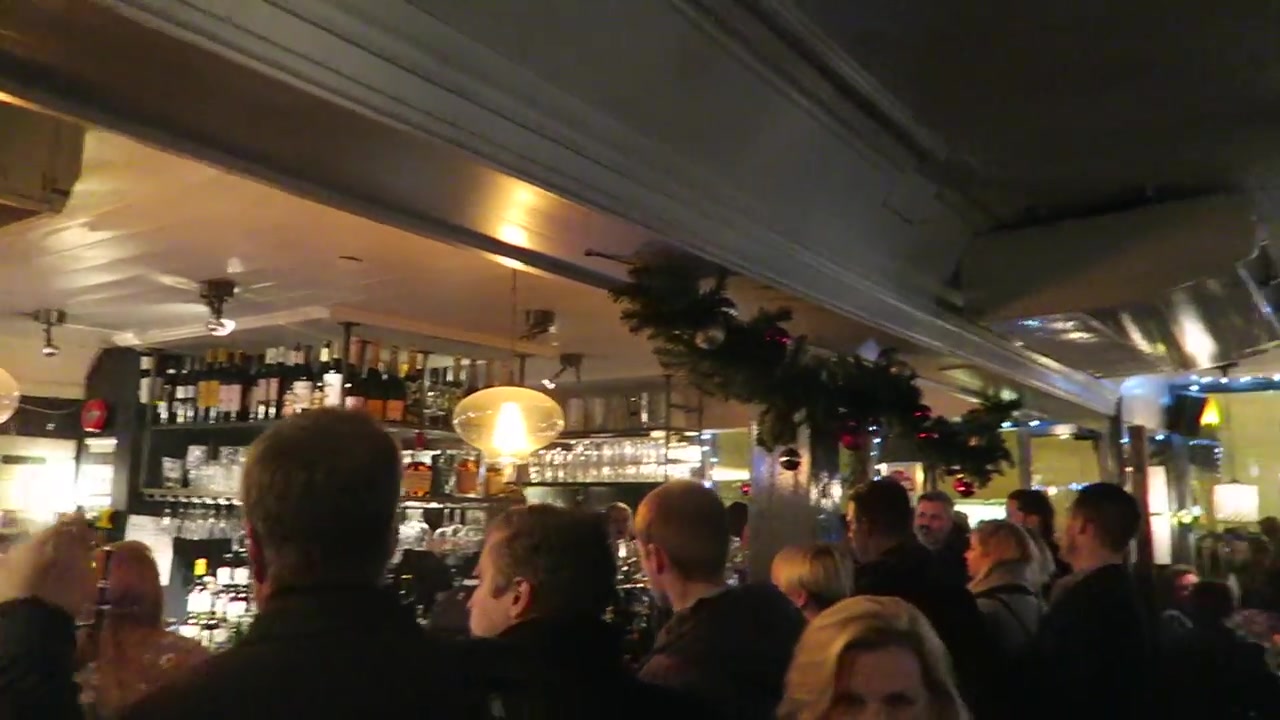
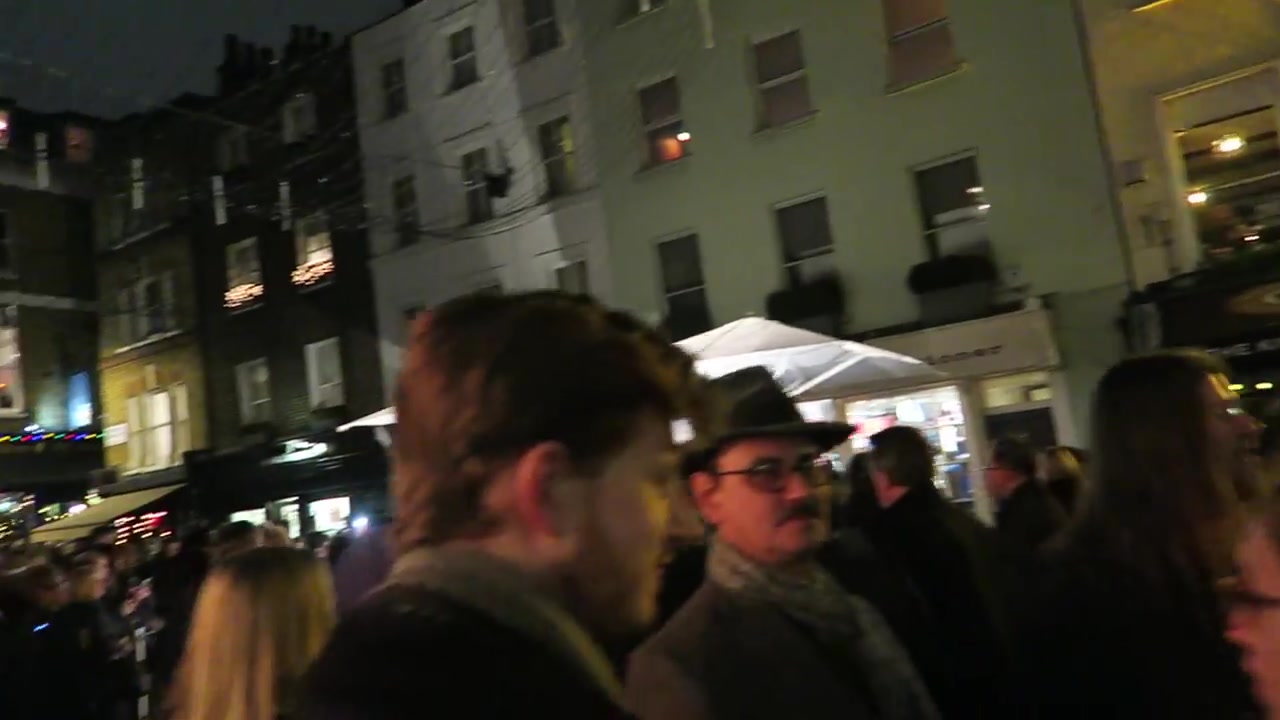
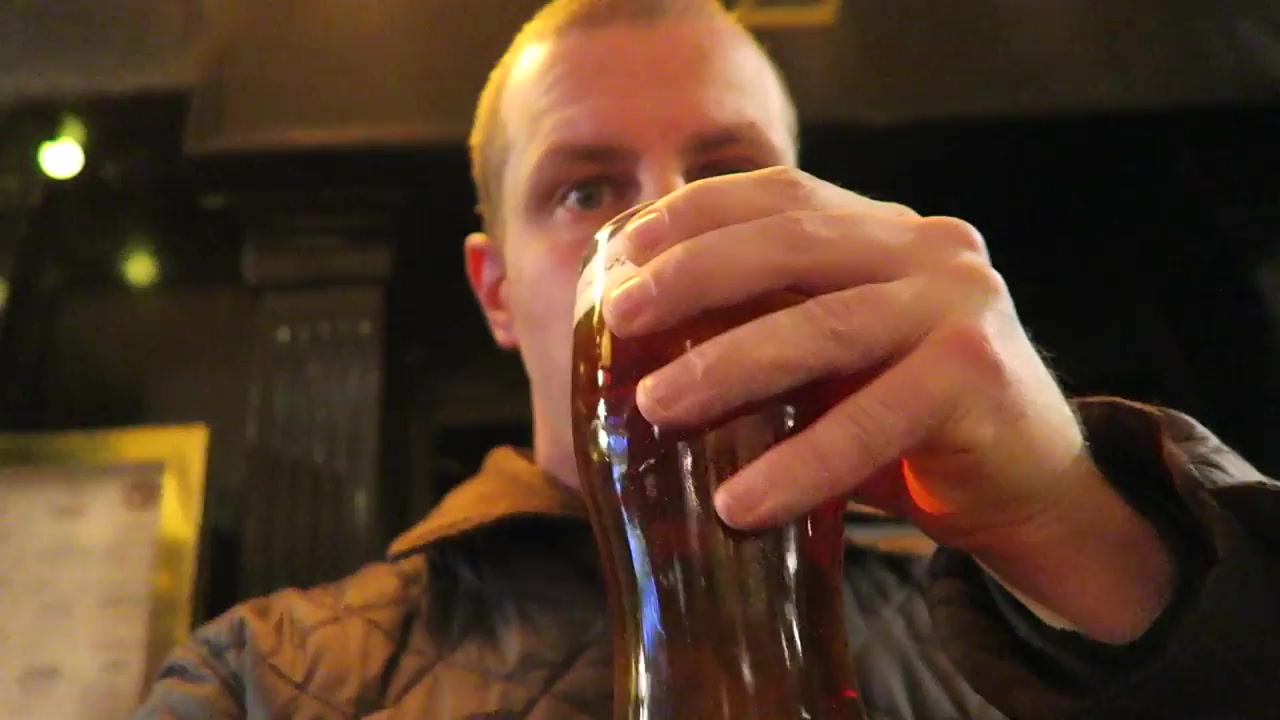
The annual switch-on brought the whole quarter into use. Pubs filled early, tables spilled towards the street and the surrounding restaurants prepared for a long evening. The film moves between interiors and pavements rather than observing the event from a fixed position, preserving the sound and movement of the market as the crowd grows.
That pub culture matters to the record. Shepherd Market has always been more than an attractive square: it works through a dense collection of places where people meet. On this night, regular drinking spots became viewing points and temporary shelters from the December cold. Guests moved constantly between the bars, the street and the small event stage.
The 2016 Christmas lights switch-on
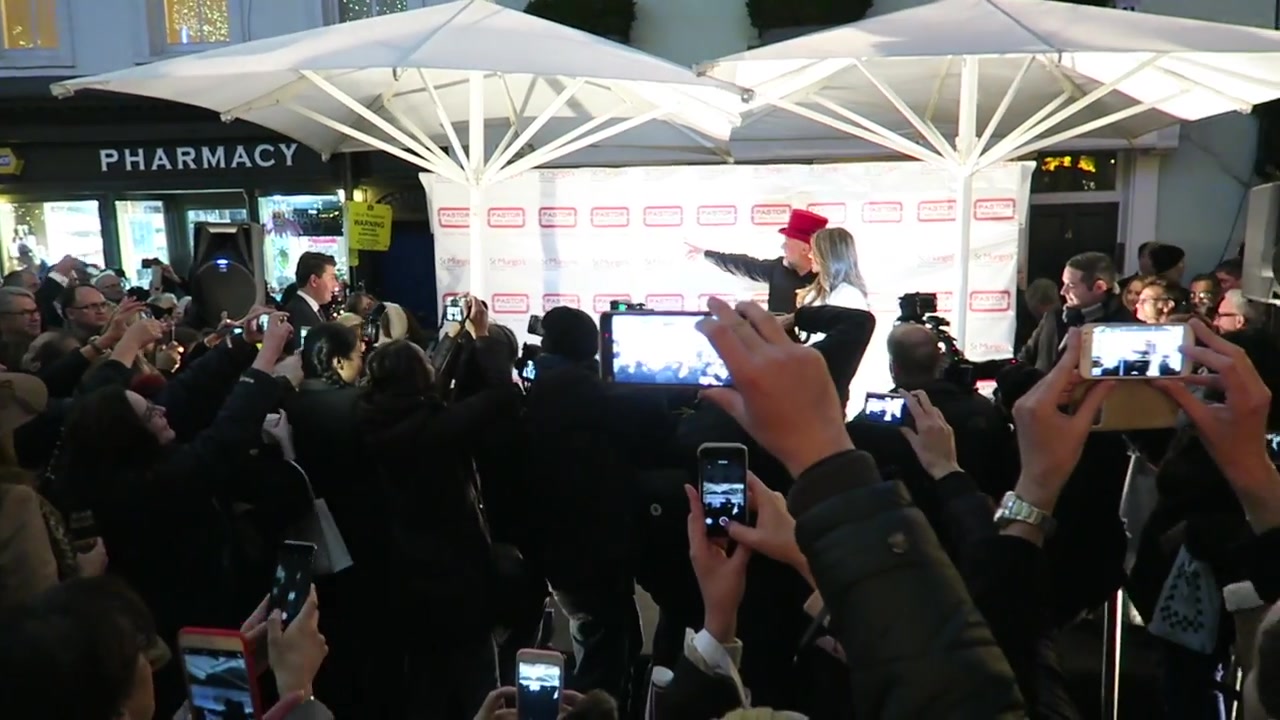
The lights were switched on by Elizabeth Hurley and designer Patrick Cox on Thursday 8 December 2016. A temporary stage and press area had been assembled in the centre of the market, but the compact streets meant that the ceremony remained embedded within the crowd. Cameras rose above heads, while people leaned from doorways and gathered beneath the umbrellas around the square.
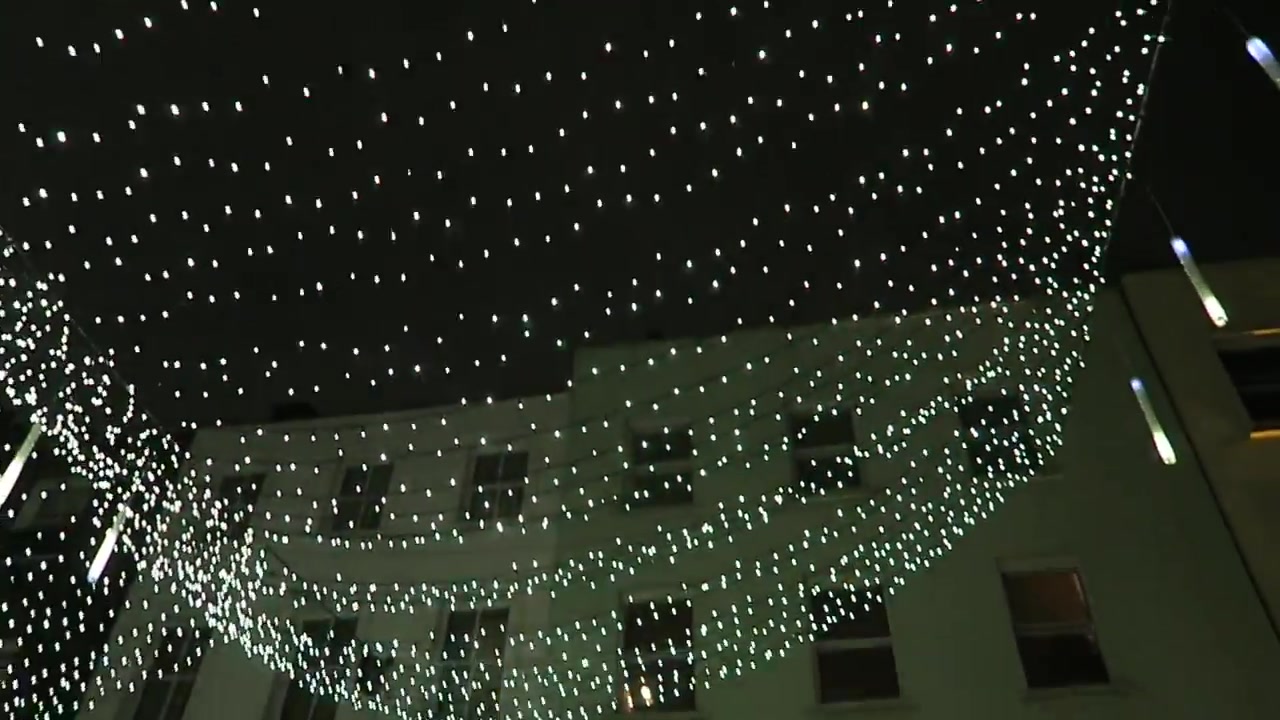
When illuminated, the principal decoration was not a single monumental structure but a canopy of small white lights stretched between the buildings. It suited the scale of the place. The lights drew attention upwards to the old façades while connecting the lanes into one festive space.
A neighbourhood celebration
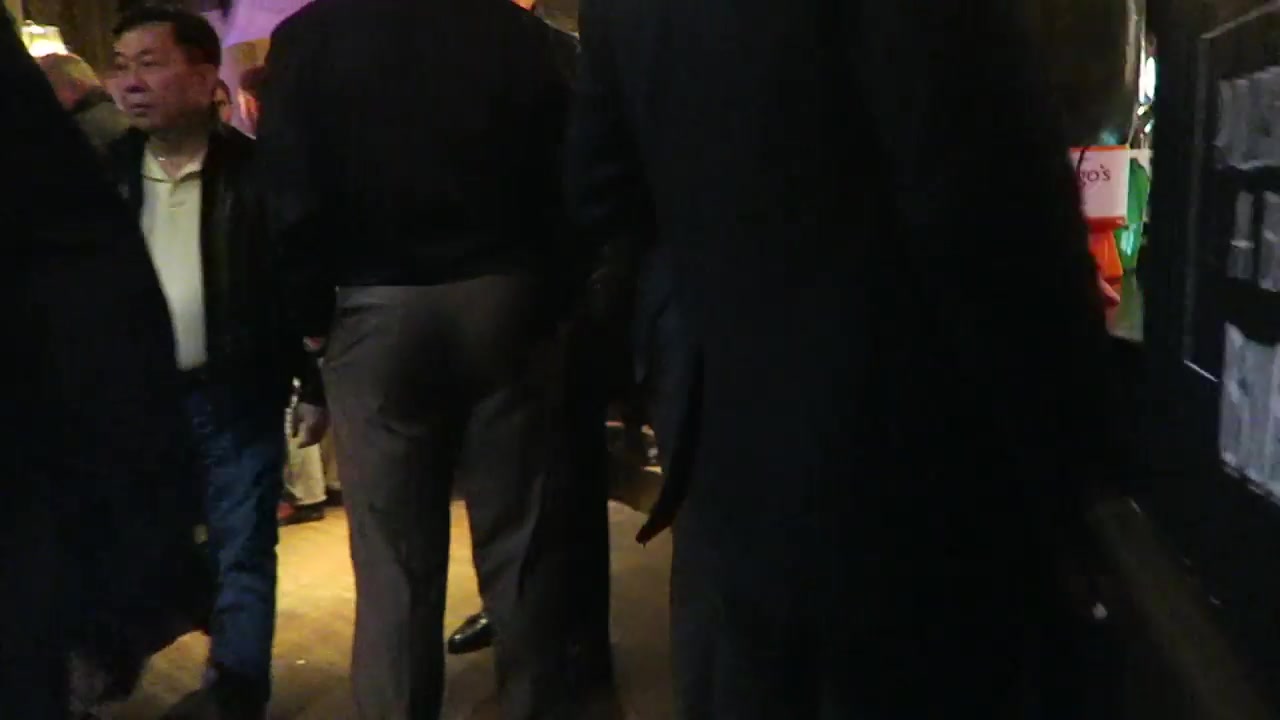
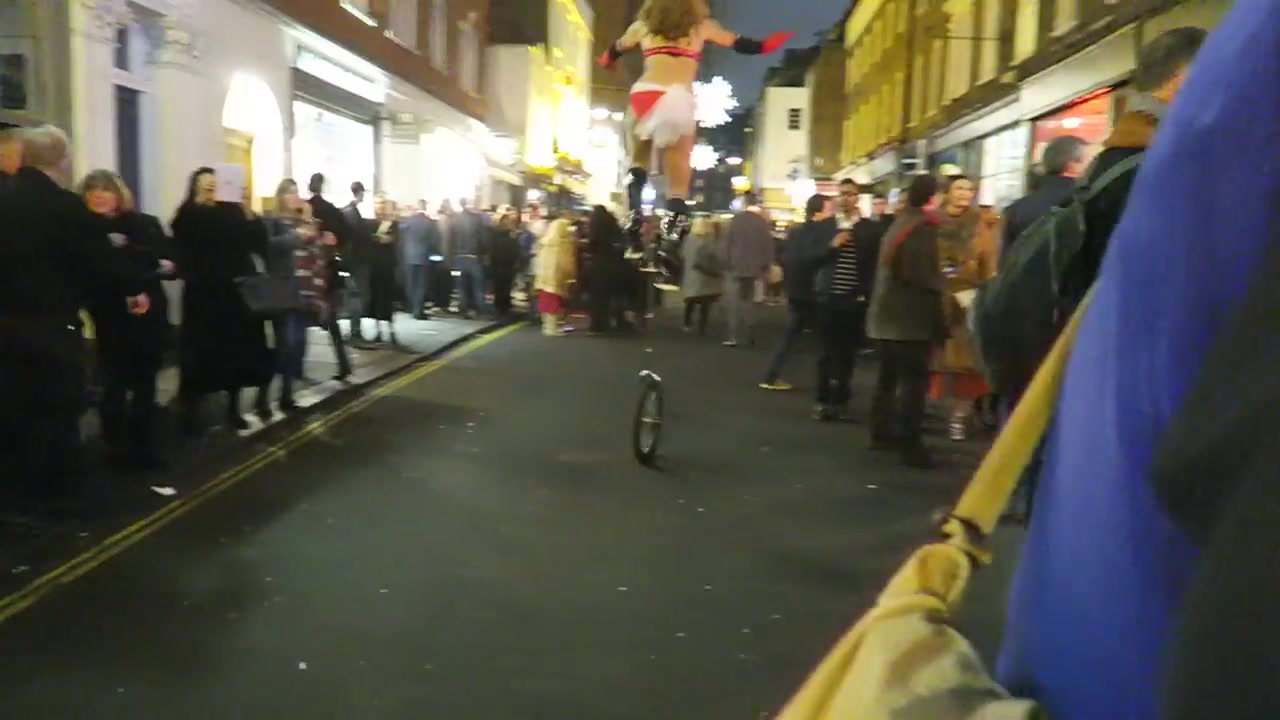
The most revealing part of the film comes after the formal moment. The crowd does not simply disperse. Music and performances continue, the pubs remain full and the streets become the event. From one end of the market to the other, the decorations, shop windows and gathering places form a single busy night-time scene.
Seen now, the recording is also a small archive of pre-pandemic London. It captures how a local Christmas celebration occupied the physical space of Shepherd Market in 2016: tightly packed, informal and dependent on the independent businesses around it. The camera catches imperfect glimpses rather than a polished ceremony, which makes the film useful as a record of being there.
Shepherd Market in the Roberts London archive
The video was published on 11 December 2016, three days after the switch-on. It complements the Roberts London films devoted to Shepherd Market’s wine house and its cafés, but records a different aspect of the neighbourhood: the moment when its everyday network of pubs and restaurants became the setting for a public Christmas celebration.
For all its famous Mayfair surroundings, the appeal remains the contrast in scale. Shepherd Market is best understood on foot, moving slowly between the lanes and looking into places rather than passing them at speed. On this December night, the canopy of lights made that intimate geography visible.

Recent Comments