This Rolling Stones London tour began with a Friday afternoon at Exhibitionism in the Saatchi Gallery. A week later, I returned to Chelsea in my new Stones T-shirt and set off to find some of the places connected with the band. The result is a journey through galleries, residential streets, former clubs and recording studios, first published on 3 July 2016.
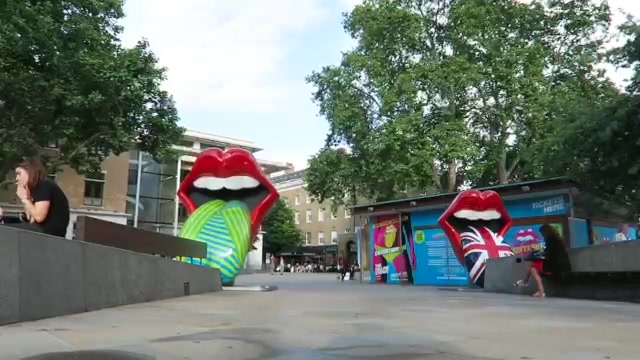
Exhibitionism at the Saatchi Gallery
I started at Sloane Square and walked along the King’s Road to Duke of York Square. I had checked ticket availability but had not booked, because I was unsure whether I could leave work early. Fortunately, the box office had a ticket for that afternoon, and I went straight in.
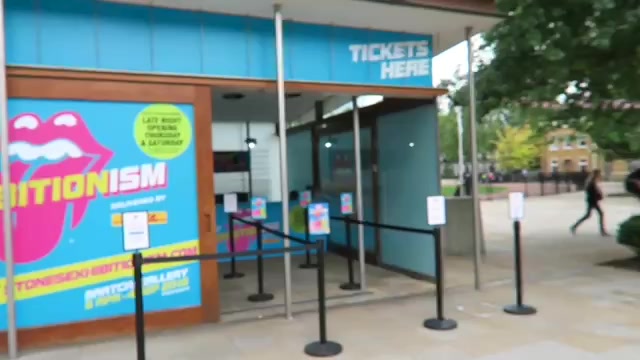
There was no filming inside, so the video records the approach and my reaction afterwards. I spent more than two hours exploring the exhibition. The mix of music, films, installations and studio displays gave me plenty to take in, while the 3D performance film at the end was a particular highlight.
I went in as someone who knew a handful of songs, rather than an expert on the band. Watching a documentary beforehand helped put the material in context. Even so, I came out enthusiastic enough to spend more in the gift shop than on admission: a poster, a T-shirt, guitar picks and the exhibition book all came home with me.
The Saatchi Gallery’s exhibition archive dates the London run from 5 April to 4 September 2016. This is a record of that visit and the tour it inspired.
A Rolling Stones London tour through Chelsea
The exhibition’s London map supplied the idea for the next outing. When I returned the following Saturday, the market was busy in Duke of York Square. From there, I followed the King’s Road, pausing by the former Chelsea Drugstore building before continuing towards Edith Grove.
At 102 Edith Grove, the early Stones story comes back down to the scale of an ordinary London flat. The film looks at the terrace from the pavement, with passing traffic and parked cars filling the foreground. Seeing the actual street adds context to the photographs and stories encountered in the exhibition.
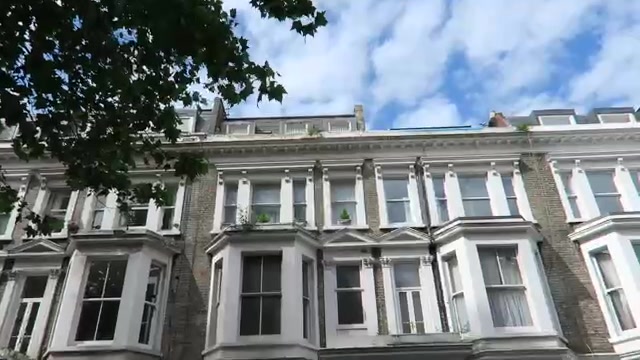
The route then reaches the Thames and Cheyne Walk. Here, the view changes to red-brick houses, garden walls, iron railings and mature trees. I picked up a hire bike for part of this stretch because the locations were too spread out for a quick stroll. The journey becomes as much a look around Chelsea as a music tour.
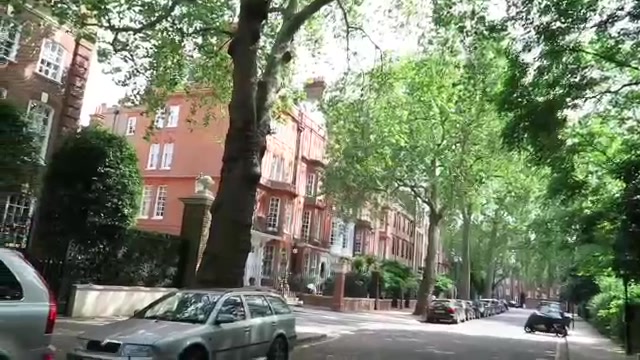
For a closer look at this riverside neighbourhood, see my separate Cheyne Walk film and article.
The V&A and a trip to Olympic Studios
Next came South Kensington and a stop outside the Victoria and Albert Museum. The connection here is the Stones’ tongue-and-lips identity. The V&A tells the story of John Pasche’s design, which links the band’s music with the visual culture that had stood out at Exhibitionism. I stayed outside for this film; a proper museum visit would have been an outing of its own.

Barnes required a longer detour. I travelled via Hammersmith and took a bus to Olympic Studios, arriving as the weather began to turn. The former recording studio was operating as a cinema, café and restaurant during my visit. Its red-brick exterior provided another reminder that London’s music history often sits within buildings that have found a different everyday use.

The Marquee Club and Soho streets
Back in the West End, the film pauses outside the former Marlborough Street courthouse, opposite Liberty, before turning to the Marquee Club’s old locations. I visited the Oxford Street site and then 90 Wardour Street, where the Keith Moon plaque offers a visible clue to the building’s musical past.
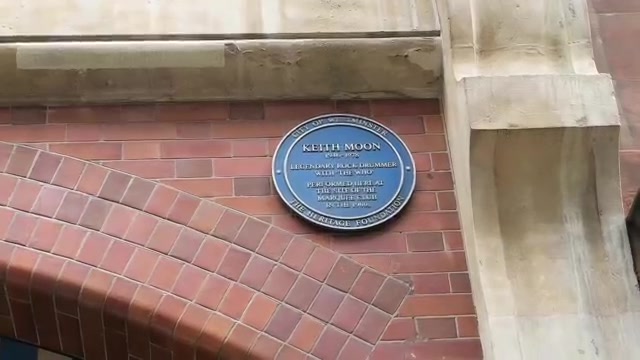
Between these stops, I took a coffee break at Timberyard and walked through Carnaby Street. Those moments keep the tour rooted in the London of the day: shoppers, café tables, traffic and changing shopfronts surround the places I had come to find. It is an informal journey, with room for diversions along the way.
Finishing on Denmark Street
The final stop was Denmark Street, with its guitar shops and the former Regent Sound recording studio. Regent Sounds’ account of the band’s debut album explains the studio’s place in the Stones’ early recording history. In the film, the shop windows are almost as distracting as the history: new and vintage guitars keep drawing me back.
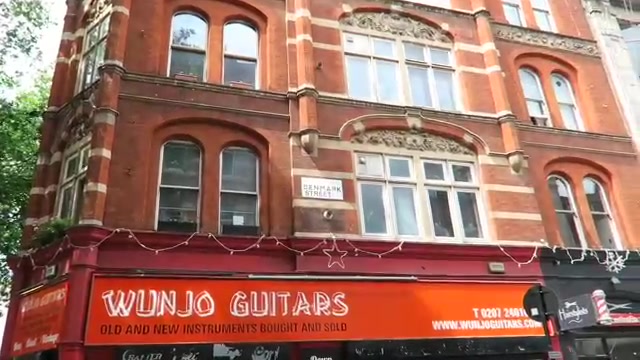
I finished the main tour promising myself that I did not need another guitar. The closing moments reveal how that went: I was leaving with one anyway. It is a fitting end to a day that started with curiosity about an exhibition and turned into a much wider musical trip around London.
